January 7, 2 020 | Issue 55
REQUEST A CLASSROOM PRESENTATION FOR 
THE 2020 SAC STEM FAIR!

We are currently in the process of scheduling classroom STEM Fair presentations to kick-start your new year!

Schedule a presentation today to learn just what makes the Sac STEM Fair, not only Northern California’s largest Regional STEM Fair, but also the best opportunity for teachers and students to engage with the scientific or engineering design process in an engaging, hands on way!

Our team of experts can accommodate different class styles, sizes, and multiple classes. Request a presentation today, or simply reply to this email to find out more information.
SCIENCE SPOTLIGHT
Back, Back, Back it Up! How Ants Find Their Way Back Home!
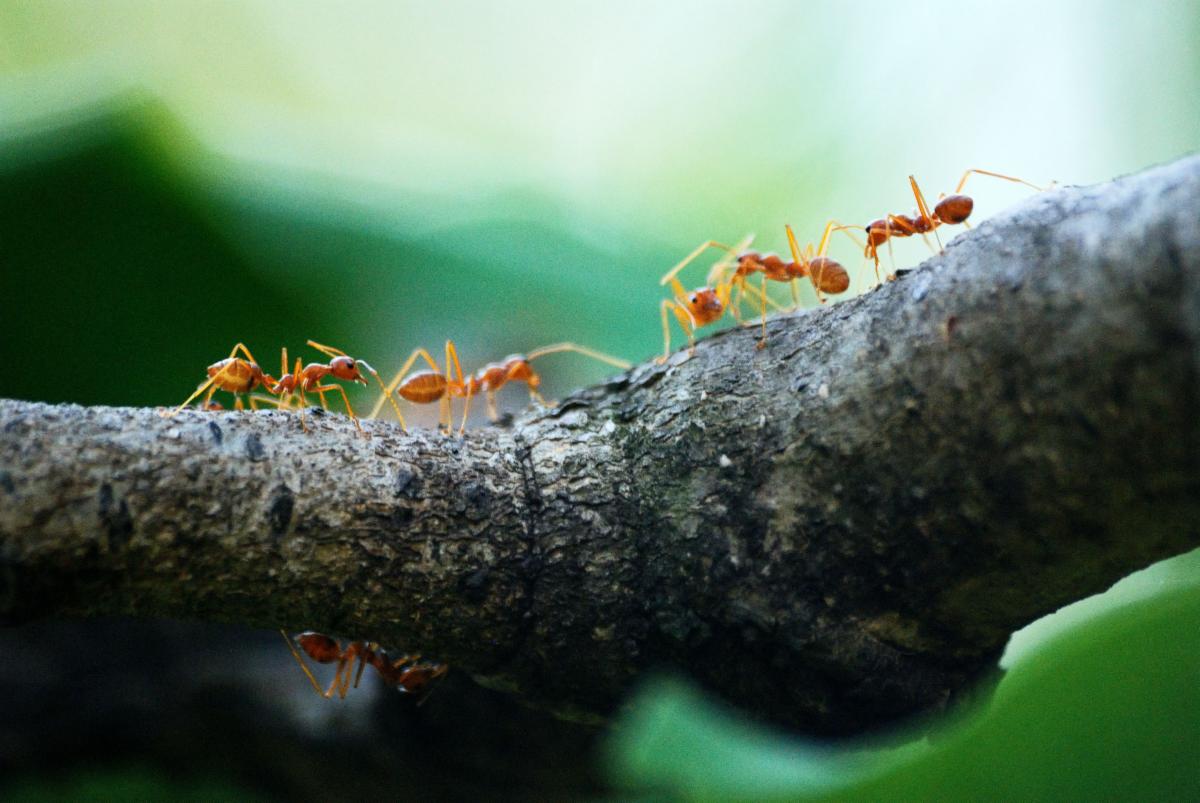
Every day, tiny red Spanish Desert ants make several trips from their nest in the hunt for food. Now, its fairly common knowledge that an ant can carry 10-50 times their body weight, but have you ever wondered how they carry heavier things? It turns out they have to drag it, walking backwards, all the way back to their nest.

When walking forward, Spanish desert ants use a strategy called “path integration:” which essentially involves them remembering every twist, turn, and step they took when they left the nest.

With the help of path integration, and using landmarks the way that humans do, they are able to navigate their way home.

The ants’ eyes have a wide angle of view—they have nearly 360° vision, whereas humans can only see about one-third of their surroundings without turning their heads.

Researchers suggest that ants are likely taking in information from beside and behind them as they walk away from the nest, then using it to guide them back as they are dragging food.


Learn more here !
Scientists Find Iron 'Snow'
in Earth's Core!
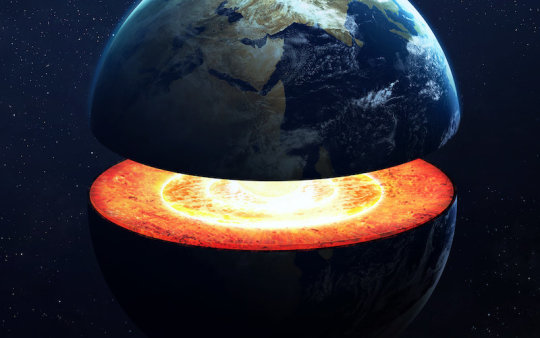
The Earth's inner core is hot, 10,800 degrees Fahrenheit to be exact, and is actually snow-capped, according to new research that could help scientists better understand forces that affect the entire planet.

The snow is made of tiny particles of iron -- much heavier than any snowflake on Earth's surface -- that fall from the molten outer core and pile on top of the inner core, creating piles up to 200 miles thick that cover the inner core.
The image may sound like a welder’s wonderland, but the scientists who led the research said it is akin to how rocks form inside volcanoes.

Since researchers can't get all the way down into the Earth's core to be sampled, scientists study it by recording and analyzing signals from seismic waves as they pass through the Earth.

However, the data from the seismic wave tests have raised questions about the Earth’s core. The waves move more slowly than expected as they pass through the base of the outer core, and they move faster than expected when moving through the eastern hemisphere of the top inner core.

Learn more here!