Official Newsletter of BERTOLINO LLP | |
|
|
Our Firm
Tony R. Bertolino, Esq.
Managing Partner
Sheri L. Middlemas
Chief Operating Officer
Troy Beaulieu, Esq.
Director of Legal Services
LaJuana Acklin, Esq.
Senior Associate Attorney
Kerry Bloodsaw, Esq.
Associate Attorney
London de la Teja
Accounts Receivable Manager
Melissa Hooper
Team Lead, Paralegal [Certificated]
Lesa Surber
Paralegal [Certificated]
Cimone Murphree
Project Liaison
Jasen Dalus
Client Success Liaison
Dena Lackey
Marketing Specialist
| |
|
Can Misdemeanor Criminal Convictions Affect My Ability to Get a Professional, Occupational License?
By Tony Bertolino, Esq.
| |
Criminal convictions may sometimes adversely impact your ability to obtain a professional or occupational license. While felony convictions are a primary concern, misdemeanor convictions may also affect professional licensure applications depending on the type of conviction and the nature of the license involved.
Factors Determine Whether Misdemeanors Affect Professional Licensing
All professions involve distinct duties and responsibilities, and some professions have specific laws or rules that prohibit individuals with certain criminal convictions from holding licenses. While many of these prohibitions apply to felonies, some include misdemeanors. Whether a profession bans individuals with a misdemeanor conviction depends largely on the type of profession.
Types of Misdemeanor Convictions
The type of misdemeanor conviction is crucial in determining whether it disqualifies someone from obtaining a professional or occupational license. According to Tex. Occ. Code §53.021, a Texas licensing authority can disqualify a person from receiving a license if convicted of:
- An offense that directly relates to the duties and responsibilities of the licensed occupation;
- An offense listed in Article 42A.054, Code of Criminal Procedure;
- A sexually violent offense, as defined by Article 62.001, Code of Criminal Procedure.
However, Class C misdemeanor convictions cannot result in disqualification unless the applicant seeks a license authorizing firearm use or the offense involves domestic violence.
Other Factors to Consider
Tex. Occ. Code §53.022 outlines factors that licensing authorities must evaluate to determine whether a crime directly relates to a licensed occupation. These factors include:
- The nature and seriousness of the crime;
- The relationship of the crime to the purpose of requiring a license;
- The extent to which the license might facilitate further similar criminal activity;
- The relationship of the crime to the duties of the licensed occupation;
- Correlation between the elements of the crime and the job responsibilities.
Deferred Adjudications
Under Texas law, a deferred adjudication generally does not constitute a conviction. Individuals who plead guilty or nolo contendere, complete a deferred supervision program, and have charges dismissed avoid a conviction. Exceptions exist for specific industries such as law enforcement, public health, education, and financial services or for certain offenses.
Specific Licensing Authorities
State Board for Educator Certification (SBEC)
Some occupations, such as education, define criminal offenses that “directly relate” to their duties. Under 19 Tex. Admin. Code §249.16(a), offenses involving moral turpitude, school property, fraudulent alteration of certificates, or actions on school property may include misdemeanors that disqualify individuals from education-related licenses.
Texas Medical Board (TMB)
The TMB requires prospective licensees to demonstrate “good professional character,” per 22 Tex. Admin. Code §163.1(8). Misdemeanors involving moral turpitude or directly related to medical practice may disqualify applicants. Such crimes include those:
- Committed in medical practice settings;
- Involving patients or other health professionals;
- Related to dangerous drugs or controlled substances;
- Pertaining to billing or financial arrangements.
Texas Board of Nursing (TBON)
TBON considers misdemeanors involving moral turpitude as grounds for license denial. Additionally, intemperate use of alcohol, including DWIs outside of work, can violate the Texas Nursing Practice Act and lead to denial.
State Bar of Texas
The Texas State Bar’s Disciplinary Rules of Professional Conduct do not specify criminal offenses prohibiting licensure but define attorney misconduct broadly. Rule 8.04 includes committing serious crimes or acts reflecting dishonesty, fraud, deceit, or obstruction of justice. As such, misdemeanor convictions may preclude licensure if they adversely affect an applicant’s honesty, trustworthiness, or fitness to practice law.
Conclusion
Understanding how misdemeanor convictions can impact professional licensing is essential for individuals navigating the licensing process. Misdemeanor convictions may carry significant consequences depending on the specific profession and the nature of the offense. Different licensing boards evaluate these convictions using unique criteria, such as the relationship between the crime and the responsibilities of the profession. For instance, offenses involving moral turpitude, fraud, or public safety violations often carry heightened scrutiny.
Furthermore, applicants should be proactive in addressing potential concerns by consulting with legal experts, preparing documentation of rehabilitation efforts, and demonstrating good moral character where required.
Recognizing the nuances in licensing regulations allows individuals to better assess their situations and develop strategies to mitigate barriers to licensure, ultimately enabling them to make well-informed career decisions.
| |
|
CJ vs. School District
Our client, CJ, hired us to assist in obtaining an educator contract release from the District.
Outcome: The Firm analyzed the facts in connection with seeking the release. It was determined that the law supported a release from the contract without sanctioning CJ’s educator credentials. The Firm assisted CJ with submitting arguments and documentation in support of accepting CJ’s resignation and contract release. The district accepted CJs resignation. CJ can now seek employment in education and continue her career in her chosen field.
| |
|
Texas Department of Insurance v. JM
Facts: Our client, JM, hired us to assist in defending against complaint allegations from the Department.
Outcome: The Firm analyzed the relevant documents, law, and facts and determined that the Department did not have a valid basis for disciplinary action. The Firm submitted arguments refuting the allegations and successfully secured a dismissal of the case. JM can now continue to the career he loves.
| |
|
Texas Board of Veterinary Medical Examiners v. RW
Facts: RW hired Bertolino LLP to aid her in obtaining authorization to sit for the licensing examination with the Board after her request was initially rejected due to a criminal history matter. The client was eager to sit for the exam so she could continue forward with her educational goals and the Board's decision was standing in her way.
Outcome: Bertolino LLP. evaluated the client's case, assessed the applicable law, and gathered the documentation necessary to advocate for the Board's reconsideration of their position. We advocated aggressively on the client's behalf to demonstrate that issuing exam approval was appropriate. The Board evaluated our negotiating points and arguments and agreed to authorize the client to sit for the examination. This successful outcome achieved all the client's objectives and allowed her to move forward with her educational journey.
| |
|
Texas Appraiser Licensing and Certification Board v. IAMC
Facts: IAMC hired Bertolino LLP to defend against a complaint filed with the Board. The complainant made groundless allegations that IAMC had violated appraiser independence requirements, and this baseless complaint threatened to damage IAMC’s industry reputation and expose IAMC to potential discipline from the Board.
Outcome: Bertolino LLP evaluated the client’s case, assessed the applicable law, gathered the documentation and evidence necessary to dispute the meritless complaint, and showed the Board why the allegations needed to be dismissed immediately. We developed a well-written response showing how the complaint accusations lacked merit and leveraged key documentation and information to support our argument. We advocated aggressively on the client’s behalf to demonstrate that the complaint was baseless and needed to be dismissed. We also appeared before Board staff with the client to respond to additional questions raised by the investigator. The Board evaluated the written response and our client’s additional answers and ultimately agreed to dismiss the complaint completely and took no disciplinary action against our client’s license. This allowed IAMC to return their focus on their clients’ needs and kept IAMC’s stellar industry reputation intact.
| |
|
What to Know and Understand about the Legislative Process, For Laws in Your Industry
by Troy Beaulieu, Esq.
| |
|
The Texas Legislature Impacts Your Regulated Industry
This January, the Texas legislative session begins, and for the next four months, they will propose, evaluate, and decide on new laws for Texans. Many of these proposals affect your regulated profession, occupation, or industry. Each legislative session, numerous industries are impacted by bills they pass. To minimize your legal risk, maintain your license, and operate your business successfully, people must be aware of the important laws the legislature passes that influence your license, profession, and industry. This article will share basic information about the legislative process and how you can stay aware of and provide input on proposals that impact you, your livelihood, and your industry.
Bills Proposing Changes in the Law Get Filed
Proposed changes to the law start by getting filed by a Texas House or Senate legislator. After being filed and read on the House or Senate floor, a small group of legislators refer them to a committee for consideration. Different committees consider different types of bills. Sometimes, the same or nearly identical bills are filed in both the Senate and House. To become an approved law, a bill must make its way through the committee process and ultimately get approved by both the House and Senate before being sent to the Governor for signature.
Proposed Bills Get considered by Legislative Committees
Once referred to committee, testimony by people in favor of or opposing the Bill may be taken on a scheduled hearing date where the committee meets to consider specific bills. If you want to speak in favor of or against the Bill, you can show up at the Capitol and testify before the committee on the scheduled date. Sometimes, the committee will ask state agency staff to testify for an area they have expertise in, but they do not take a position for or against the Bill. These state agency witnesses are commonly referred to as “resource witnesses.” Ultimately, the committee decides if any changes should be made to the Bill and whether it should advance to the full House or Senate for a vote on the revised Bill or “die in committee” due to lack of action by the committee. Most bills that are filed do “die in committee” and do not advance further through the legislative process. While bills that “die in committee” never become law during that session, they may be filed again in the next legislative session. Sometimes, it takes several legislative sessions before a bill successfully passes and becomes law.
Bills That Survive the Committee Process are Considered by the Full House or Senate and Then Referred to the Other
Once a bill has made it through the committee process it gets sent to the floor of the House of Senate. There, the legislators have the opportunity to discuss the Bill, offer amendments to it, and ultimately vote on whether to approve it or not. Once approved, the Bill then has to be sent to the other chamber of the legislature (i.e., House bills that pass are sent to the Senate for their consideration and vice versa). Ultimately, if the Bill makes its way all the way through approval by both chambers of the legislature, it may need to be sent to a “conference committee” to iron out any differences between the version passed by the House and Senate.
Bills Passed by Both Chambers of the Legislature are Presented to the Governor for Signature and Become Law
Once approved by both chambers, the Bill is then ready to be signed by the Governor. The Governor typically signs bills in June, after the legislative session ends in May -unless he chooses to veto a bill (which does not occur frequently). Finally, once the Governor has signed a bill, it typically becomes effective on September 1, but sometimes, the effective date of the new law can be delayed to a later time, depending on the situation.
Once it Becomes Law, the Agency Responsible for that Law Will Work to Implement the Requirements in the Bill
Once a bill becomes law, the state agency responsible for enforcing it will start to take steps to implement the requirements in the new law. This may mean implementing new policies, creating new agency processes, and sometimes drafting new regulatory rules to help implement the law just passed by the legislature.
Understand the Basics of the Legislative Process and the Important Impact It Has on Your License, Business, and Industry
As a licensed professional who operates a regulated business or practice, you need to understand the basic legislative process so you can participate, make your voice heard, and be aware of changes that will impact your livelihood. Look for bills filed at the beginning of the legislative session to know what is going to impact your license and livelihood. If it’s something concerning, determine which legislative committee is considering the Bill and provide testimony, comments, or feedback to the legislators. If it makes it past the committee, make sure your elected legislators know how you want them to vote for it. Remember that if the Bill becomes law, it will be implemented by the regulatory agency responsible for enforcing the new law, and this may mean new rules, policies, and procedures will be developed by the regulatory agency. By staying more involved and aware of the legislative process, you can protect your license and livelihood and reduce your risk of regulatory compliance problems by staying aware of current legislative activity.
| |
|
Engage with your regulatory agency like never before! Navigating the laws that govern your license and profession can be challenging. That’s why we’ve created Know Your Regulator, an educational resource designed to help license holders take charge of their careers. Stay informed with important agency updates, gain valuable insights, and discover opportunities to enhance your professional license.
Don’t miss our weekly podcast! Each episode dives into key topics, from navigating complex regulations to tips for building a successful career in your field. Tune in for practical advice and expert interviews.
Empower your license and career, and stay ahead in your industry. Take advantage of our free educational resources by visiting Know Your Regulator today!
| |
Learn how you can proactively protect your license by engaging with your regulator and staying informed about regulatory developments in your industry.
With Bertolino LLP's insights regulatory insight, suggestions, and information, we can help you minimize your compliance risk profile and stay ahead of your competition by engaging with your regulator.
| |  |
|
Professional Recognition Days:
December Calendar
Team Bertolino is grateful for the expertise and dedication of these professionals. Thank you for your outstanding contributions to your respective industries.
National Personal Trainer Awareness Month
January 8 National Career Coach Day
January 9 National Law Enforcement Day
January 12 National Pharmacist Day
January 25 National IV Nurse Day
January 28 National Pediatrician Day
| |
|
Striving for Excellence: How Our Fit Challenge Reflects Bertolino LLP’s Commitment to You
At Bertolino LLP, we believe in showing up and giving our best every day—not just for ourselves, but for the clients and community we serve. Our team continues our tradition of embracing a Fit Challenge—an initiative we started during the shift to remote work due to COVID-19. Its primary goal is to prevent the sedentary habits that can come with working from home, while also encouraging healthy habits, rewarding hard work, fostering accountability, and building a culture of resilience and teamwork.
Just as we advocate tirelessly for our clients, we understand that delivering exceptional service starts with maintaining a strong, focused, and motivated team. The Fit Challenge reflects our broader commitment to excellence: when we prioritize health and well-being, we position ourselves to be sharper, more attentive, and fully present for the people who count on us.
This focus on improvement mirrors our approach to serving you. Whether we’re defending your professional license, advocating for your rights, or helping you navigate complex challenges, we show up with the same determination we bring to the Fit Challenge—ready to overcome obstacles and achieve meaningful results.
Our goal is simple: to be the strongest advocates for your success. By fostering a team that values personal growth and hard work, we can continue delivering the high-caliber service you deserve.
As always, we’re here to support you. Let us know how we can help—and maybe even share your favorite ways to stay healthy and motivated! Together, we can keep pushing forward, building brighter futures for us all.
| |
London and one of her little explorers chasing those daily steps! 🥾🌿" | |
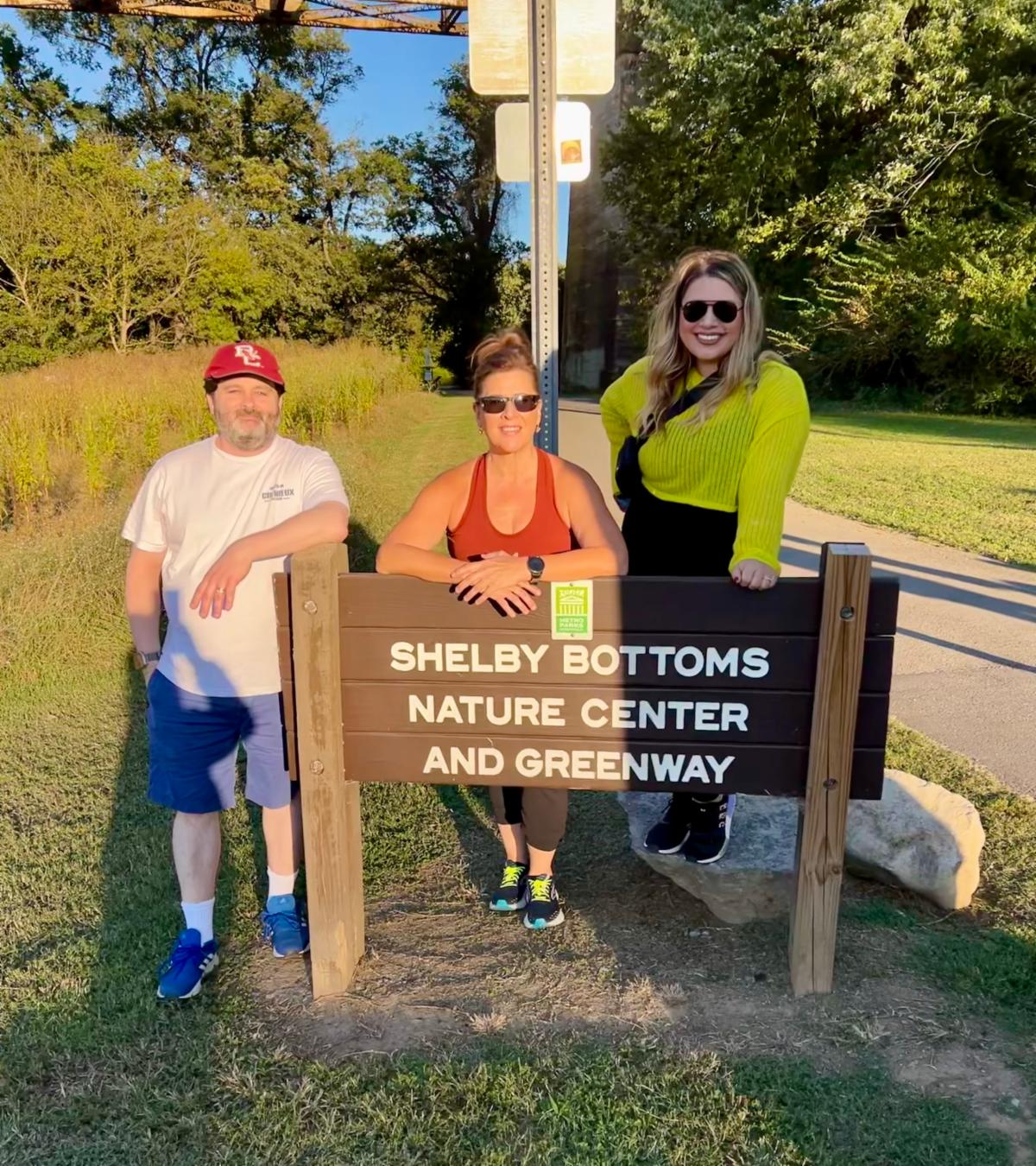
Troy, Sheri, and London taking a nature break with a quick hike at Clio Con! | |
Sheri, LJ, and Troy showing their support at the annual Veterans Day 5K, proudly sponsored by Bertolino LLP! | |
BERTOLINO LLP | (512) 476-5757 | 823 Congress Avenue, Suite 300, Austin, TX 78701 www.bertolinolaw.com | info@bertolinolaw.com | | | | |