Making visible the invisible since 1982 | | |
Letter from our Executive Director
As we begin 2026, I want to extend warm wishes to our entire community. The start of a new year offers hope, reflection, and renewed commitment to supporting individuals and families impacted by brain injury across our state.
My sincere thanks to everyone who contributed to our Annual Appeal. Your generosity makes a meaningful difference and helps ensure that education, advocacy, and support services remain available to those who need them most. If you have not yet had the opportunity to give, it is not too late; your support at any level truly matters. Give Today
In just two months, our Annual Professional Conference will take place on March 6 at Yale University. We are proud to offer this educational opportunity for individuals who work with brain injury survivors. Visit our conference website to learn more.
The year ahead invites all of us to stay engaged so that we may continue driving progress for brain injury survivors and their families across Connecticut. I greatly appreciate you being on this journey with us.
| | | | |
Cynthia Bidorini
Executive Director
| | |
Mark Your Calendars – March 6, 2026 at
Yale University West Campus
| | |
Connect, learn, and celebrate — our conference is quickly approaching!
This year, we’re thrilled to gather together for the first time at Yale West Campus.
Join us for Connecticut’s premier professional conference dedicated exclusively to brain injury. This live event offers cutting-edge education on the latest research, practices, and innovations in the field. Attendees will enjoy engaging workshops, dynamic speakers, and meaningful opportunities to earn professional CEUs.
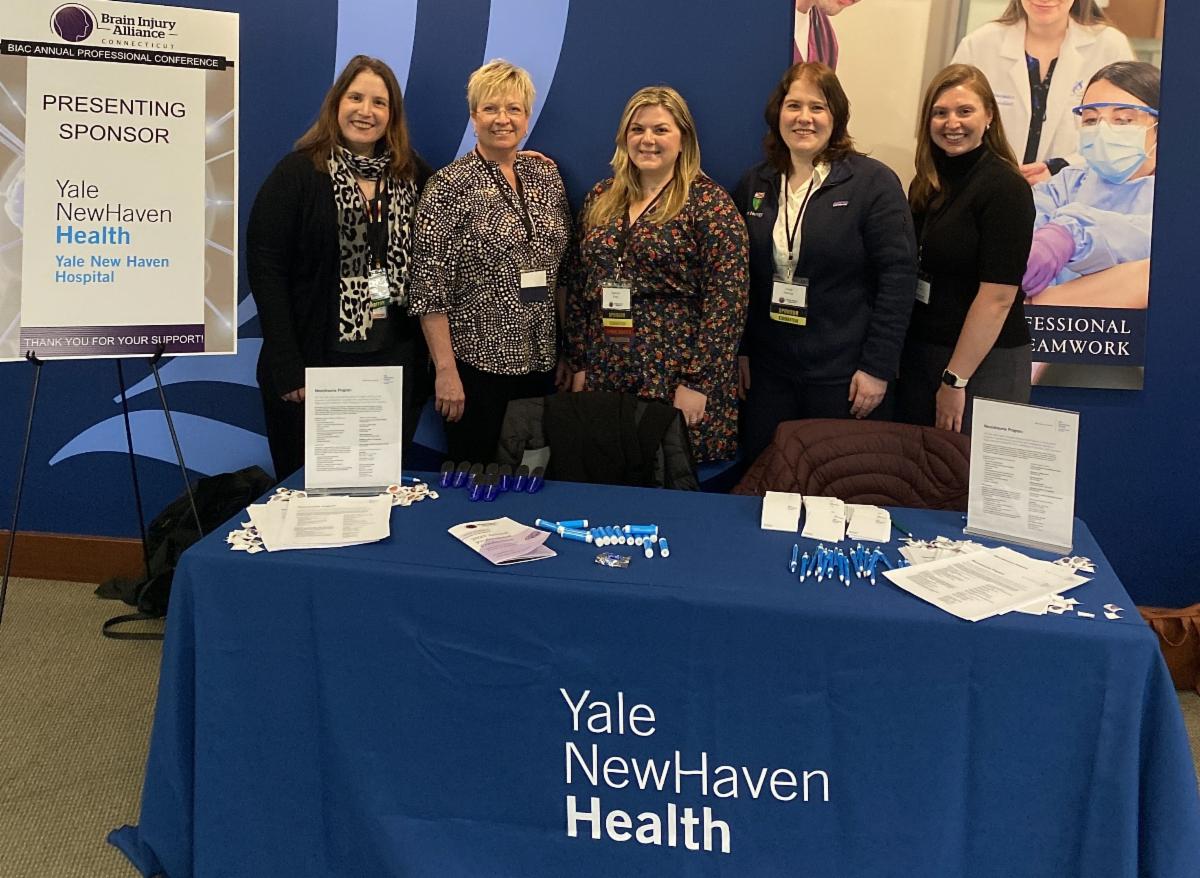
We are proud to once again partner with Yale New Haven Hospital as the Presenting Sponsor of our 2026 Conference.
All sessions will be recorded and available for on-demand viewing to registrants who attend the live event, offering abundant opportunities for high-quality, evidence-based continuing education.
CEUs are available for social workers, physical therapists, and speech-language pathologists through live workshops and on-demand sessions. Psychologists may earn CEUs for live attendance in compliance with APA requirements and may access on-demand sessions for professional development.
Visit our conference website for the full lineup, CEU information, registration details, and sponsorship opportunities.
Registration opens mid-January — mark your calendars!
| | Thank You for an Amazing Giving Tuesday | |
Your Giving Tuesday support allows us to answer more calls from Connecticut families who need us.
Every person who donated made this possible. Together, we are part of someone's recovery story. Thank you from all of us at the Brain Injury Alliance of Connecticut, and thank you for supporting survivors and their families.
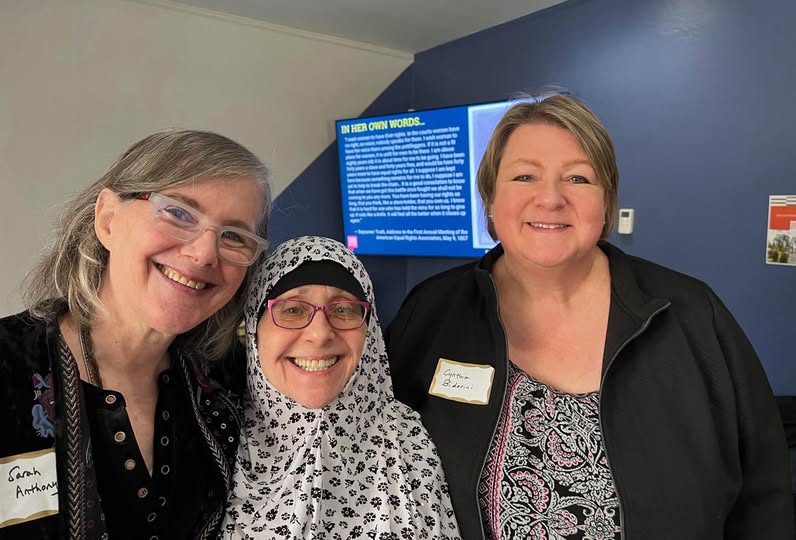
| | BIAC Receives J. Walton Bissell Foundation Grant | We are honored to receive support from the J. Walton Bissell Foundation. Their generosity helps us reach more survivors and families, providing hope and guidance to those navigating life after a brain injury. Thank you to Sarah Anthony and the Bissell Foundation for believing in our mission and standing with our community. | Welcome New BIAC Board Members | | |
We are happy to welcome two new members to our Board of Directors.
Eric Judge, MBA, CFP
Financial Advisor, Edward Jones
As a Financial Advisor at Edward Jones, Eric Judge helps individuals and families plan for their future with care and clarity. His background and leadership will support our organization as we grow and plan wisely for the years ahead.
Nicole Cruse, PhD
Assistant Professor, Sacred Heart University
Dr. Nicole Cruse is an Assistant Professor in the Communication Disorders Department at Sacred Heart University. She brings deep knowledge from research, education, and community work. Her academic perspective and commitment to learning will help guide our programs and strengthen our impact.
Please join us in welcoming Eric and Nicole to the Board. We are honored to have them with us.
| | |
Seasonal Affective Disorder and Brain Injury:
What to Know During the Winter Months
| | |
As the days grow shorter and sunlight becomes scarce, many people notice a shift in mood or energy. For some, this seasonal pattern can develop into Seasonal Affective Disorder (SAD) a form of depression triggered by changes in natural light. Although research has not clearly established a direct link between brain injury and SAD, overlapping symptoms can make awareness and early support especially important. Because many of these symptoms can resemble those of brain injury, SAD may be easily overlooked. Paying attention to seasonal patterns can make a meaningful difference.
Common Signs of SAD include:
- Low energy or persistent fatigue
- Depressed mood or irritability
- Difficulty concentrating
- Changes in sleep patterns
- Loss of interest in usual activities
Steps That May Help
Light therapy, consistent routines, counseling, physical activity, and maximizing exposure to natural light are often helpful strategies. For anyone already navigating the challenges of brain injury, added support during winter can be essential. For more information on Seasonal Affective Disorder, visit the National Institute of Mental Health.
| Winter Sports TBI Awareness - Myths | |
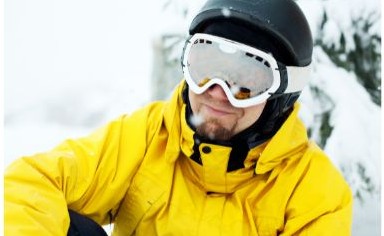
January is National Winter Sports TBI Awareness Month, and even if you’ve heard the basics before, it’s always a good time to refresh what you think you know about concussion and brain injury on the slopes, trails, and ice. Here are a few common myths—and the real facts behind them.
Common Myths About Concussions
- Myth 1: “If I didn’t hit my head, I can’t have a concussion.”
False—any force that causes the brain to move rapidly can result in a concussion.
- Myth 2: “I wasn’t knocked out, so I’m fine.”
Losing consciousness happens in fewer than 10% of concussions.
- Myth 3: “I can go back out once the symptoms fade.”
Symptoms can be delayed. It’s essential to rest and be evaluated before returning to activity.
- Myth 4: “Helmets prevent concussions.”
Helmets prevent skull fractures and severe head injuries, but they cannot prevent concussions entirely.
Quick Tips: Winter Sports Safety
- Always wear a properly fitted helmet.
- Keep your gear in good condition.
- Know your limits and stay in control.
- Warm up and take breaks to avoid fatigue.
- Avoid alcohol until you're done for the day.
Stay safe, stay active, and enjoy the winter season responsibly!
More Information Here: https://biausa.org/public-affairs/media/winter-sports-safety
| |
Thinking About a Support Group?
Here's Why It Might Be Right for You
| | |
After a brain injury, support from friends, family, and professionals is important—but there’s something uniquely powerful about connecting with others who truly get it. If you’ve thought about joining a BIAC Support Group but aren’t quite sure, here are some thoughts to consider:
-
Why Support Groups Matter - While every journey with brain injury is different, there is a shared foundation of lived experience. You don’t have to explain the basics—others “get it”.
-
Real-life strategies - Group members often share tips and experiences that professionals may not always think to mention.
-
A safe place to talk - Whether you want to vent, ask questions, or just listen, groups offer a supportive, judgment-free environment.
Learn about BIAC SUPPORT GROUPS
| | |
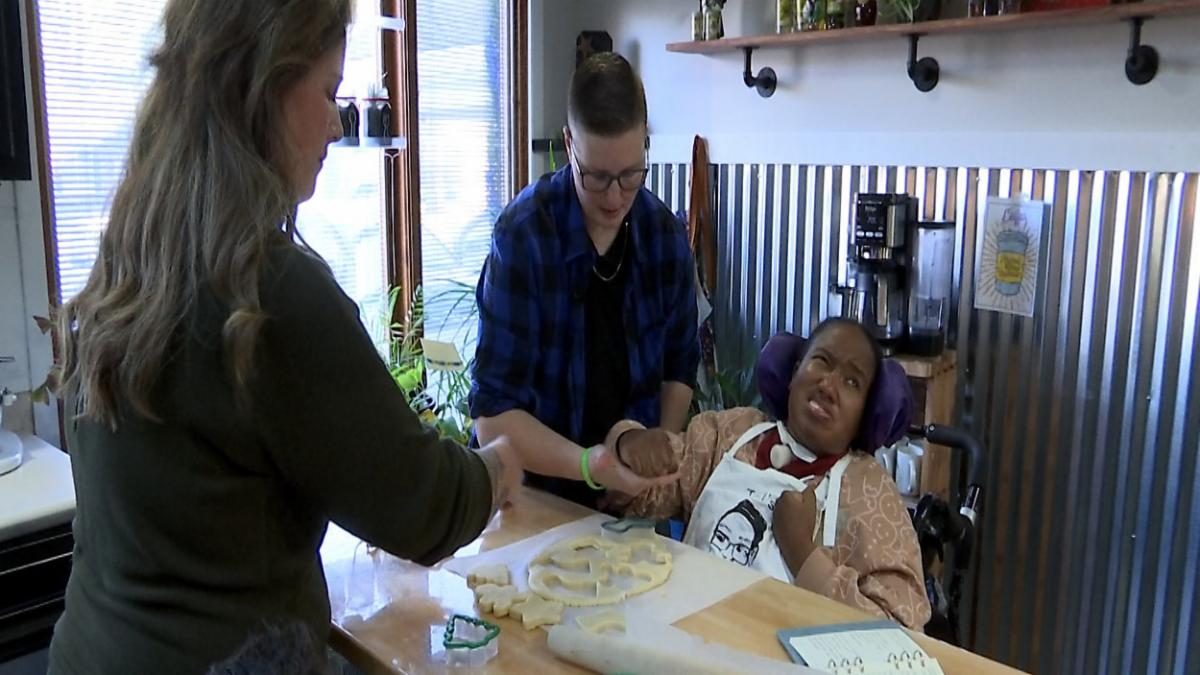
What Chauntell and her family have fought through - the fear, the unknown, the daily work of rebuilding life piece by piece - shows a kind of love and courage that most people never see. Their journey reminds us that even in the darkest moments, hope can still take root, and healing can grow in the smallest, quietest ways.
Love, loyalty and resilience after brain injury
| | |
After surviving three strokes, she found a new purpose: empowering others through her story. Her resilience shows the power of community, connection, and refusing to give up—no matter how hard the journey becomes.
Three-time stroke survivor inspires others
| | |
Did you miss any of these great articles? Be sure to check them out!
Follow us on Facebook and Instagram to stay current on the latest
newsworthy articles about brain injury.
| | Premium Providers Council | | |
Brain Injury Alliance of Connecticut
200 Day Hill Road, Suite 250, Windsor, CT 06095 | 860-219-0291 | www.biact.org
| | | | |