Feinberg.png

January 2026


Mesulam Institute News

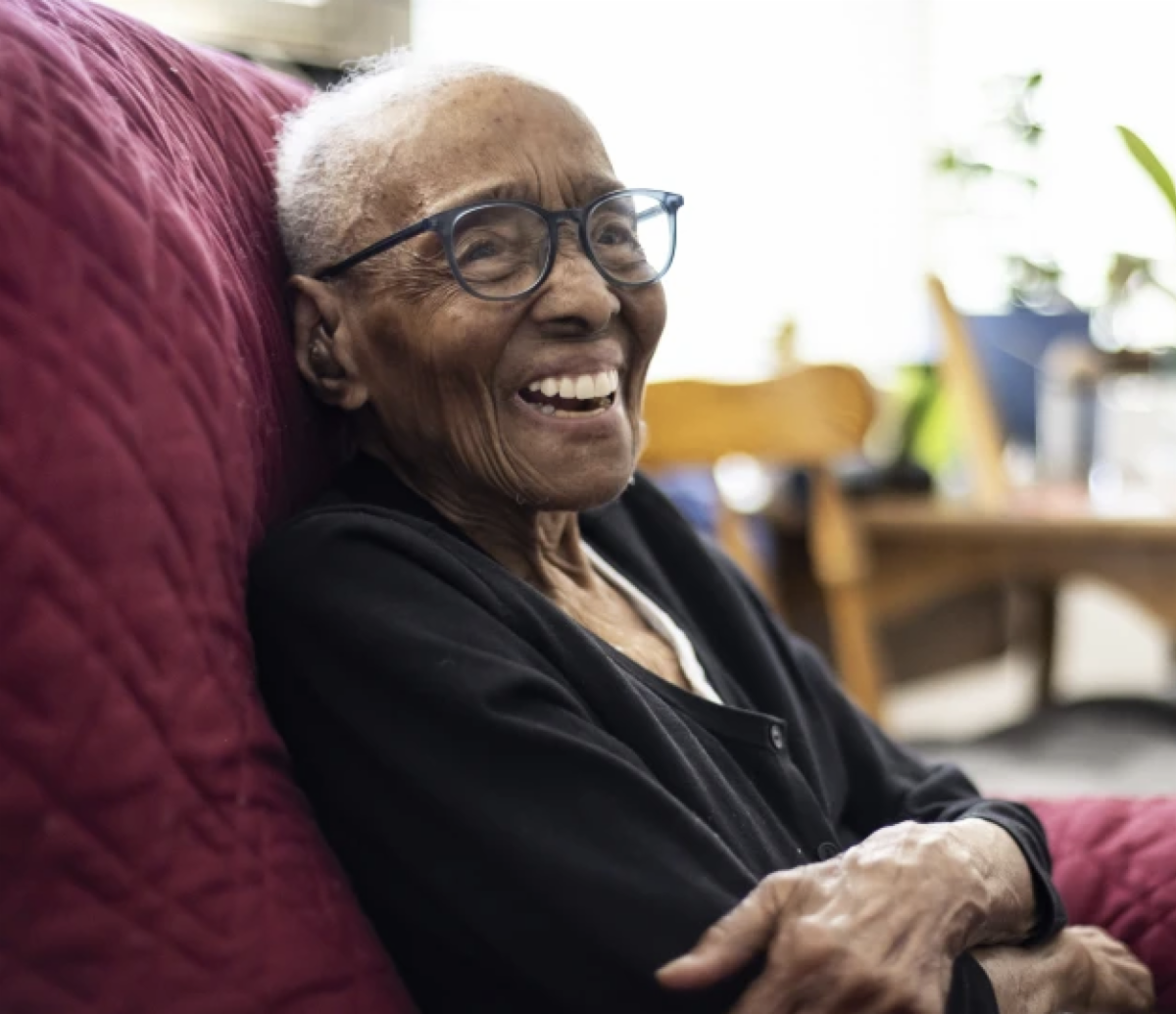
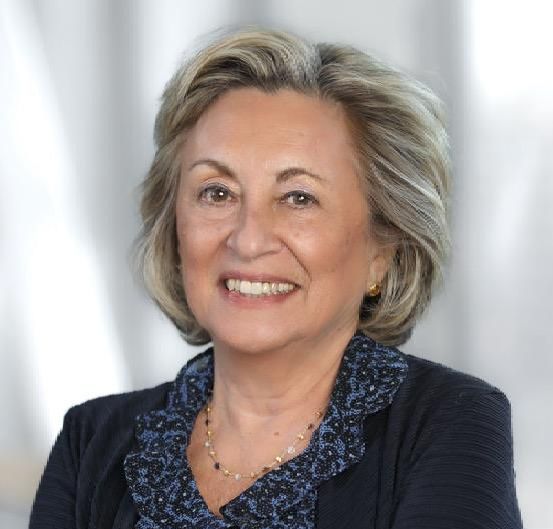
Edith Renfrow Smith, Northwestern University SuperAging Program participant, passed away on Jan. 2, 2026 at age 111.


Smith left behind a legacy as a pioneer in education, becoming the first Black woman to graduate from Grinnell College in Iowa. She was a role model to all those who surrounded her.


Smith joined the Northwestern Alzheimer's Disease Research Center Clinical Core in 2015 and NUSAP in 2016


At NUSAP, Smith was revered by all. Her contributions helped researchers better understand SuperAging as a cognitive phenomenon, and her wisdom crossed generational boundaries, connecting her to everyone she met.

The Institute is eternally grateful to Ms. Renfrow Smith and her endless contributions toward understanding the SuperAging trajectory and our community at large.


We are proud to cherish her legacy and share it with all those who come after.


Watch the video below to learn more about Smith's work with Sandra Weintraub, PhD, through NUSAP.

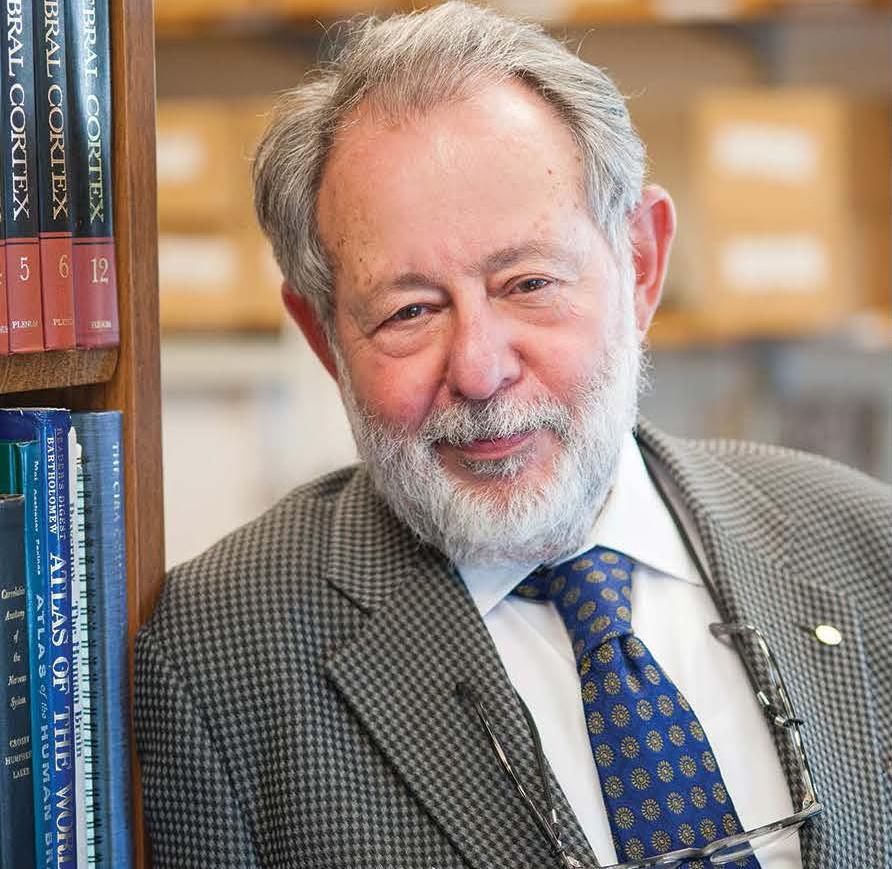
This December, Marsel Mesulam, founding director emeritus Mesulam Institute, addressed the 61st National Neurology Congress hosted in Antalya, Türkiye.


As a special lecturer, his talk focused on dementia and behavioral neurology.


On Jan. 8, Mesulam presented a talk at Yale University Wu Tsai Institute's Inspiring Speaker event — a series featuring interdisciplinary academics and researchers focused on understanding the brain.


Mesulam highlighted how research on targeted brain diseases is advancing researchers' understanding of language, cognition, and behavior.

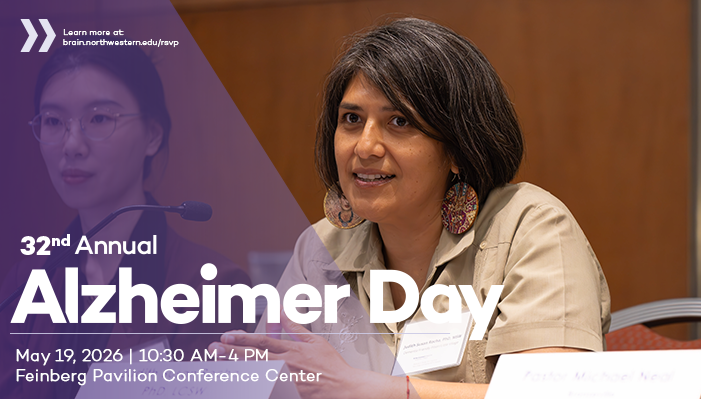
Join us on May 19, 2026 at the Feinberg Pavilion Conference Center for a day dedicated to aging and dementia research at Northwestern University.


We are proud to host Paul Aisen, MD, Director of the Epstein Family Alzheimer’s Therapeutic Research Institute at the University of Southern California, as this year’s Mendelson Keynote Speaker.


Registration opens on March 2, 2026.  Be sure to secure your spot.

Upcoming Community Engagement Events

Featured Event

Ellis Park Brain Health Discussion: What is Brain Health?


Join Northwestern University Professor Sandra Weintraub, PhD, for a community education session on building healthy habits for brain health.


This session will focus on how movement, nutrition, and

social connection play a role in healthy cognitive aging.


When: Monday, January 26, 2026

12:30 to 2:00 PM


Where: Ellis Park

3520 S. Cottage Grove Avenue

Chicago, IL 60653


For more information, please contact Dani Chitwood.

Listening Session

When Memory Changes: A Community Conversation at Apostolic Faith Church


Join the Mesulam Institute at Apostolic Faith Church for a community listening session focused on memory, aging, and caregiving.


When: Saturday, March 7, 2026

10:00 AM to 12:00 PM


Where: Apostolic Faith Church

3823 S. Indiana Avenue

Chicago, Illinois 60653


For more information, please contact Dani Chitwood.

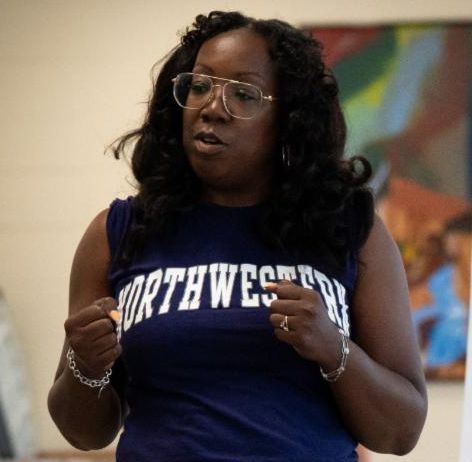
Memory Lane: Community Connections with Ingrid


Because the science of brain health starts with the stories we live.

Surrender: Leaning into Self And Community


Vol. 2 Ed. 1

As the new year begins, many of us feel pressure to reset, resolve, and reinvent. This year, my personal word is surrender — not as giving up but loosening my grip on what I was never meant to carry alone.


For caregivers, especially, surrender can feel uncomfortable.


Caregiving often requires strength, vigilance, and endurance, but surrender invites a different kind of wisdom. It asks us to rest, to release perfection, and to ask for help when we need it.


You might not finish all the laundry. Some days your house will not be spotless. Some days you will not feel as joyful as people have come to expect from you. And that is okay.


It is okay to feel your feelings. It is okay not to live in them, but to rather acknowledge them, name them, and allow them to move through you. Surrender does not mean giving up. It means making space for what is real.


Community plays a vital role in this kind of surrender.


Whether it is a neighbor checking in or a quiet moment of recognition from someone who understands, community reminds us that we do not have to do this alone. Shared spaces allow us to release the pressure of getting everything right and instead focus on staying connected.


Season after season, I see how community supports brain health beyond clinical settings. Connection helps regulate stress, ease isolation, and remind caregivers that their wellbeing matters too. Sometimes surrender looks like letting someone else hold the worry for a moment. Sometimes it is allowing yourself to receive care — not just give it.


As we step into this new year, my hope is that we give ourselves permission to soften, to rest when we can, to ask for help without apology, and to lean into the strength of community. Brain health is not only about resilience. It is about relationship, rest, and shared humanity.


May this year bring moments of surrender that restore us and connect us to our communities, reminding us we are never walking alone.

Want to connect? Email me at to learn more about our work or visit our website.

Recent Publications

Anterior temporal lobe, word comprehension, and physiology of atrophy in semantic primary progressive aphasia

Behn JQ, Barbieri E, Mesulam MM, Bonakdarpour B. 2025. Neurocase. 31(6):260–267. doi:https://doi.org/10.1080/13554794.2025.2587123.


The Carter G. Woodson Regional (Chicago) Public Library: Building Connections for a Dementia-Friendly Community

Morhardt, D., Thompson, M., & Johnson, R. (2025). Library Trends 74(2), 289-305. 


Interested in Participating in Research?


We are currently enrolling participants in various research studies here at the Mesualm Institute. Our research studies lead to better understanding of Alzheimer's and related dementias and help inform future treatments for these diseases.


Please follow the steps below to join our research registry and learn more about our active research studies. Our work is possible thanks to the generosity of our research participants — we appreciate you.

  1. Join Our Research Registry: Click here or click the button below to join our registry.
  2. Match to a Study: We will contact you when we identify a study that might be a good fit. Click here to view our active studies.
  3. Participate: Participate in studies you choose and qualify for. Click here to view FAQs.

Consider making a gift to support the Mesulam Institute.

Stay Connected

Web        LinkedIn        Facebook        X

If this email was forwarded to you, and you want to join our mailing list, please sign up here.