January 2026

Habitat Stewardship Project, Monterey Bay


Our mission is to bring nature closer to people, and people closer to nature through hands-on experiences in community based habitat restoration and environmental education.

Happy New Year!


Cheers to a new year and new momentum driving us into our busiest months. Lots of upcoming events to choose from! Please make sure to check our calendar on the website if you are looking to get involved in 2026.

Last Month's Highlights

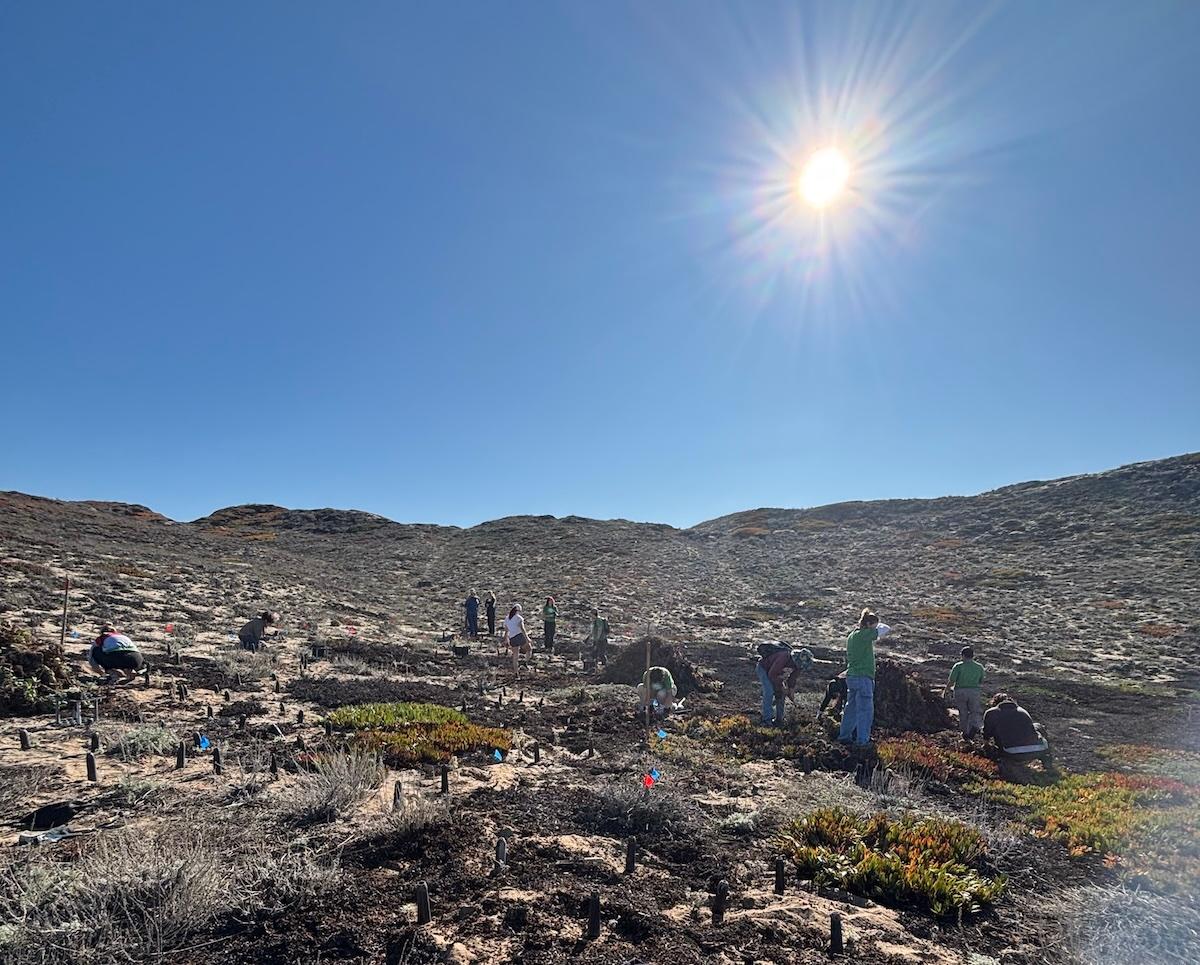
December brought another round of rain and storms our way bringing much appreciated moisture to our region and restoration sites. Our first planting of the season happened on December 6th at Marina Dunes Preserve, in partnership with Monterey Peninsula Park District. It was a beautiful day and we were able to plant 439 native dune plants. A successful beginning to our restoration season.

Upcoming Community Events

grabbers cc '25

Everyone is welcome to our family-friendly FREE community events.

We provide gloves, tools, and supplies.

Sun protection, reusable water bottle, and closed-toe shoes are recommended.


Keep checking our "Community Events Calendar" for updates or join us at DONS which runs year long!


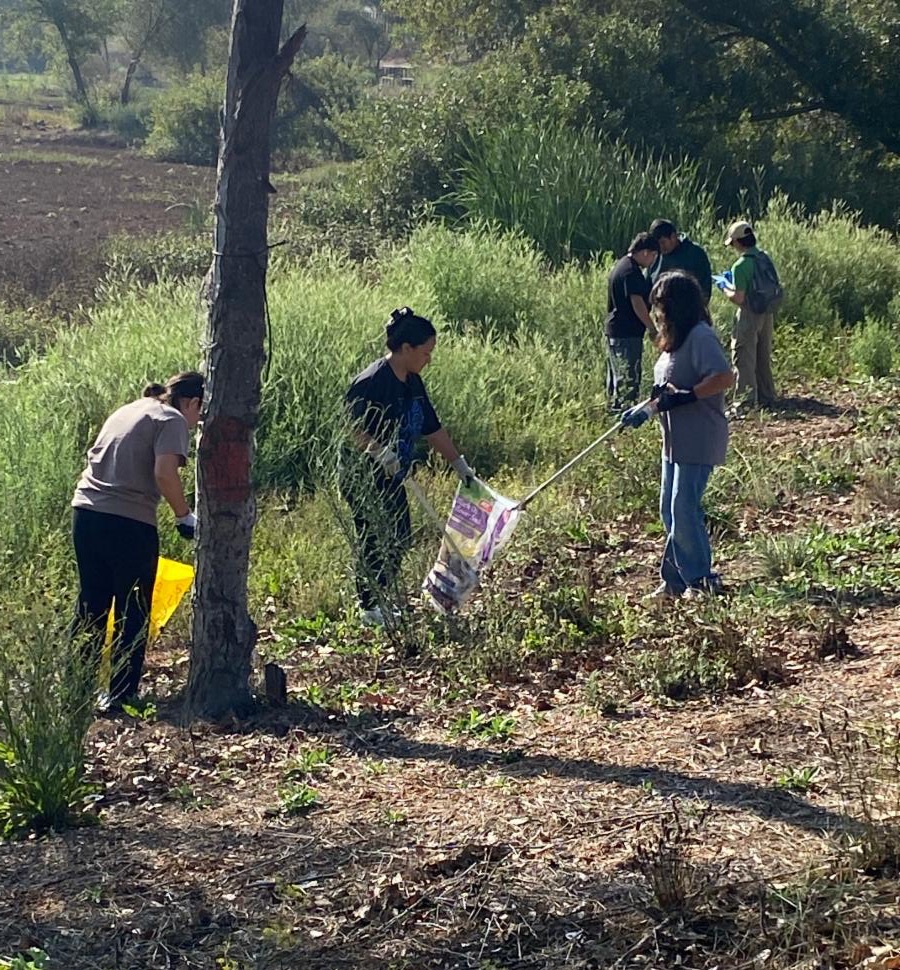
Saturday, January 10th - Upper Carr Lake Cleanup with special guest Amanda Preece leading a birding activity.

10:00AM-1:00PM

Location: Upper Carr Lake, Salinas

Join us as we clean up Upper Carr Lake and learn about local bird species. Visit our website to register for this event! 


Saturday, January 17th - Planting at Moss Landing State Beach

10:00AM-1:00PM

Location: Moss Landing State Beach, Moss Landing

Join us as we partner with Central Coast Wetlands Group to plant native dune plants in critical dune habitat. Tools and snacks provided. Visit our website to register for this event! 


Saturday, January 24th - Planting at Zmudowski State Beach

10:00AM-1:00PM

Location: Zmudowski State Beach, Moss Landing

Join us as we partner with Central Coast Wetlands Group to plant native dune plants in critical dune habitat. Tools and snacks provided. Visit our website to register for this event! 


EVERY TUESDAY

| Email Christina McKnew at cmcknew@csumb.edu

10:30AM-12:30 PM

DONS (Docents of Native Species), native plant volunteer group

Location: Greenhouses near the CSUMB Watershed Institute-

4100 B St, Seaside, CA 93955


Click the Community Events button to learn more and sign up for an event!

Thank You for your Holiday and Future Giving.

By Laura Lee Lienk, HSP Director

HSP would like to thank all who stepped forward with financial support in the final weeks of 2025! Your generous donations will enable us to keep restoring natural habitats through propagating and out planting native plants while bringing kids, youth and families out into nature. Thank You!


And a Heads-Up! You can also support the work of HSP by donating on-line on March 11. 2026, the CSUMB Day of Giving, and by attending the April 10, 2026 Banff Mt Film Festival.

What’s Your Prediction?

By Laura Lee Lienk, HSP Director


It is my goal to walk in nature at least twice a week and I wish that I was more methodical about cataloging my wildflower blooming observations completed with dates in a journal.  Alas, I am not so organized.  But, somehow my brain keeps its own database of when and which native plants should be in bloom hence come my predictions for January 2026 when the blooms should be starting.  The following are my predictors for early bloomers along my Garland Park (Carmel Valley) trail walks.  

Photo: Miguel Vieira, iNaturalist

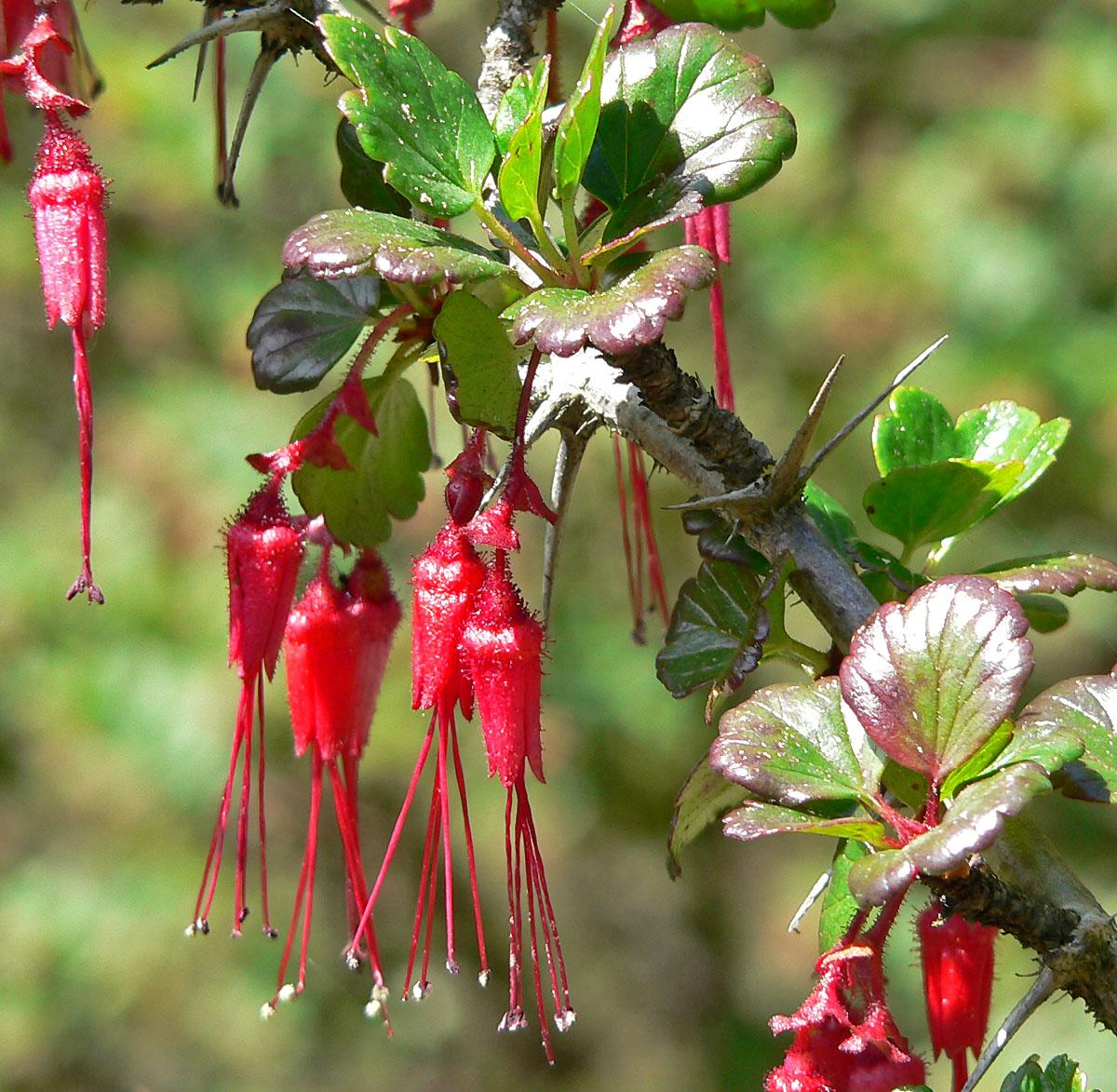
Fuschia Flowering Gooseberry by Stan Shebs

Photo: Stan Shebs

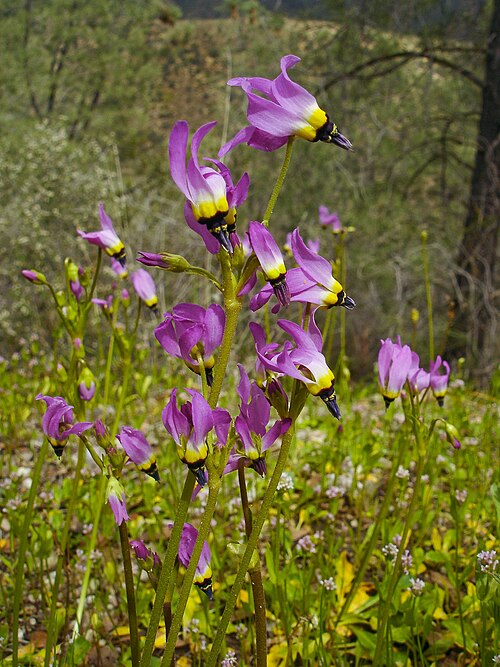
Shooting Stars

Dodecatheon clevelandia ssp sanctarum (padre’s shooting star)

I predict that one of the earlies wildflowers that I see will be Shooting Stars. Shooting stars are herbaceous perennials in the primula family (Primulaceae) with various species found across North America. Here in Coastal California they are frequently found in moist open meadows where they pollinated by bumblebees and other native bees foraging for pollen. Pollinated flowers produce tiny seeds which are wind dispersed.


Fuschia flowered Gooseberry  (Ribes speciosum) 

I predict that as I hike through shady woodlands, chaparral and coastal scrub this January I will see these beautiful fuchsia-red flowers set off by the plant’s glossy green leaves and hanging from thorny branches.  The flowers attract hummingbirds, moths and butterflies but I look from a safe distance from the thorns.

I challenge you to make your own predications for what will be your January wildflower sightings.  And, if you are more organized than am I, keep a journal of what species you see, where and when!


The Monarch Story, A Community Effort Rooted in Education and Action: Migration, Decline, and How We Can Help

By Samuel Anaya-Alvarez, Education Program Coordinator


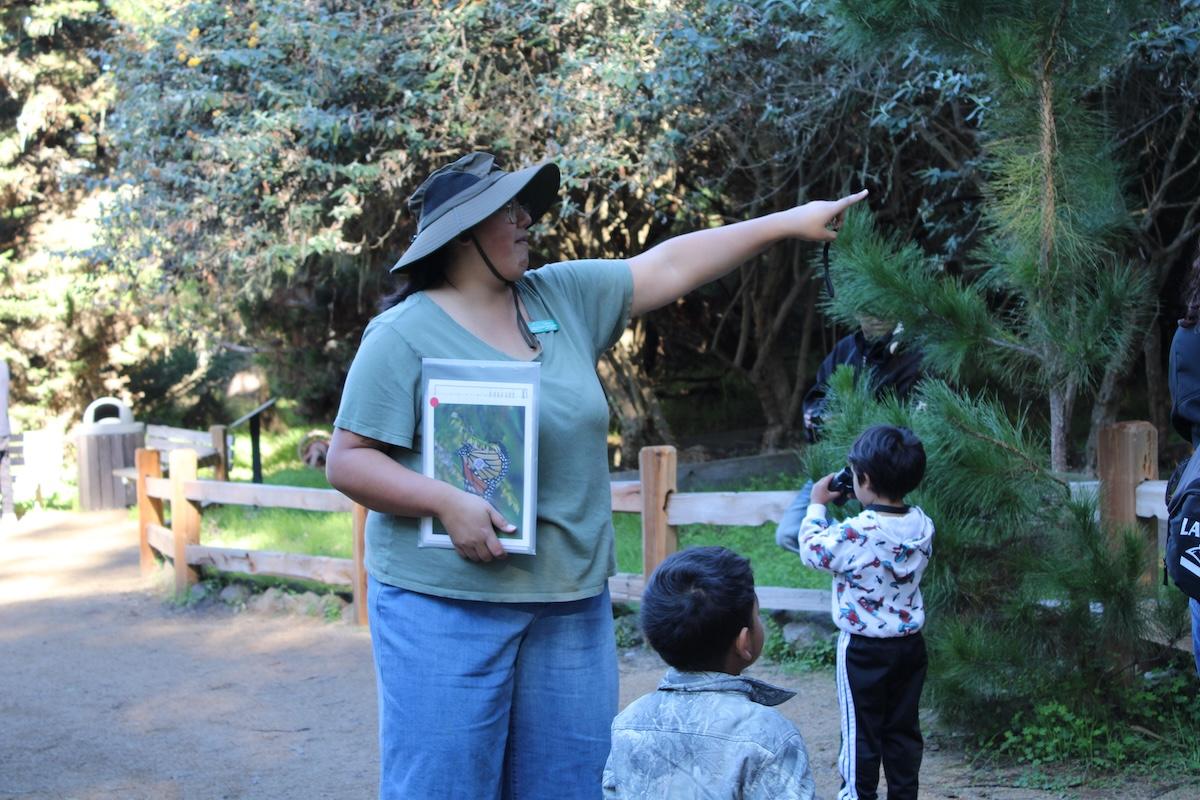
This winter, our team began deepening its commitment to Environmental Education and monarch conservation with a meaningful experience: a visit and guided walk through the Pacific Grove Monarch Sanctuary with our partner organization; the Pacific Grove Museum of Natural History. Seeing monarchs clustered high in the groves - and enjoying a bird-watching-led exploration at the Pacific Grove Marine Gardens, led by HSP - gave our hosts a powerful firsthand look at the species we strive to protect. Also this winter, at Habitat Stewardship Project, we are preparing for upcoming hands-on restoration work at Fort Ord National Monument and the Marina Dunes Preserve, addressing habitat loss and supporting restoration efforts for monarch butterflies and many other species.


The monarch butterfly (Danaus plexippus) is one of North America’s most recognized insects. Its life cycle moves through four distinct stages: egg, caterpillar, chrysalis, and adult. Monarch caterpillars rely exclusively on milkweed, the only plant they can eat, while adult butterflies feed on nectar from a wide range of blooming native flowers.

One of the most extraordinary aspects of monarch biology is their migration. Western monarchs travel from the interior valleys and foothills of California to the Pacific coast each fall, sometimes covering up to 100 miles in a single day and traveling a total distance of 200 - 500 miles to reach overwintering sites such as Pacific Grove. Eastern monarchs, by contrast, complete an epic journey of up to 3,000 miles to the mountains of central Mexico in Michoacan state. These multigenerational migrations remain one of nature’s most astonishing long-distance journeys.


Monarchs play a crucial ecological role as pollinators, supporting diverse plant communities and the wildlife that depends on them. Unfortunately, their populations have plummeted due to habitat loss, pesticide exposure, reduced availability of native milkweed and blooming nectar flowers, and the accelerating effects of climate change. Protecting them means protecting the ecosystems they and others rely on.

Our restoration efforts at Fort Ord and the Marina Sand Dunes aim to increase native plant diversity, expand nectar sources, and improve habitat resilience-actions that directly support monarch and other species’ survival. 


How You Can Support Monarchs and Become a Steward


Plant native milkweed and nectar-rich flowers.

Choose local, region-appropriate milkweed species and fall/summer-blooming nectar plants to support both caterpillars and adult butterflies.

Avoid pesticides and herbicides.

Even small amounts can harm monarchs, caterpillars, and other beneficial insects.

Create or restore habitat.

Join community restoration days, help remove invasive plants, or volunteer with organizations improving open spaces and wildlife corridors.

Participate in citizen science.

Contribute monarch sightings, counts, and photos to projects like the Western Monarch Count, Journey North, or iNaturalist. These data help scientists track population trends and migration timing.

Support protected areas.

Visit and advocate for sanctuaries like the Pacific Grove Monarch Sanctuary and participate in local restoration projects with HSP where monarchs rely on safe overwintering habitat.

Share knowledge.

Teach others - students, families, neighbors - why monarchs matter and how easy it is to make a positive impact.

Recommended Reading for January 2026

By Laura Lee Lienk, HSP Director

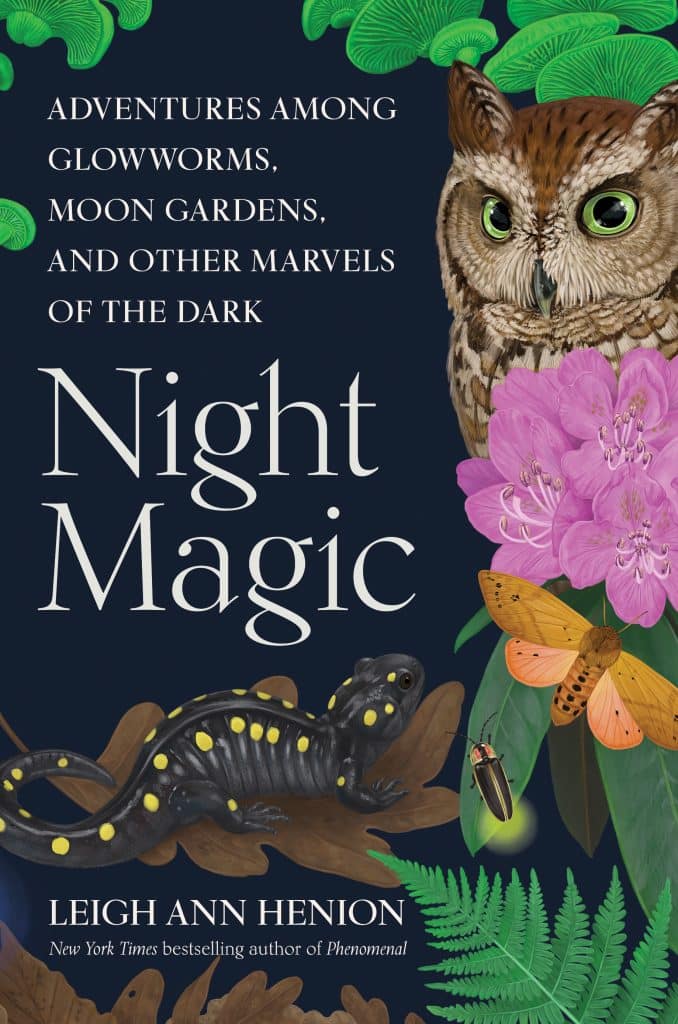
“Night Magic: Adventures Among Glowworms, Moon Gardens, and Other Marvels of the Dark” by Leigh Ann Henion 2024 Discover what nature reveals only in darkness. Nature writer Henion explores nighttime biodiversity such as salamander migrations, the glow of bioluminescent fungi and foraging bats.  


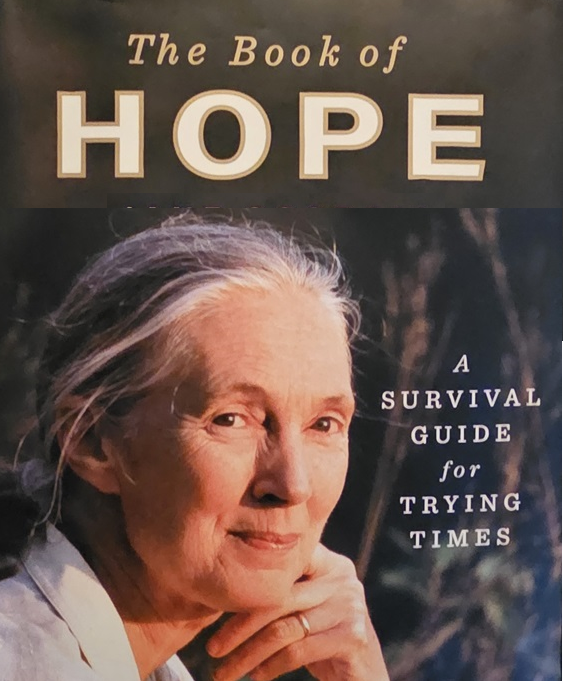
“The Book of Hope: A Survival Guide for Trying Times” by Jane Goodall and Doug Abrams 2021. Through personal stories from her career and research, Goodall explores “Four Reasons for Hope: The Amazing Human Intellect, The Resilience of Nature, The Power of Young People, and the Indomitable Human Spirit”. 


Banff FF 2026

Banff Mt. Film Festival

The Greatest Film Party on the Central Coast!

Friday, April 10, 2026

Golden State Theatre, Alvarado Street, Monterey

7PM (Doors Open at 6PM)

Buy your tickets directly from Golden State Theatre for the most reasonable price and to avoid scammers. Proceeds benefit Habitat Stewardship Project.

Buy tickets at Golden State Theatre

Learn about Restoration in Monterey County

Check out our social media sites!


Learn more on native plants and invasive species, future events, and see past event photos on our social media accounts: @hspmontereybay

Facebook  Instagram