|
Dear Closing the Health Gap Community:
Over the past 20 years The Center for Closing the Health Gap of Greater Cincinnati has made significant strides in dismantling barriers to prevention and impact around diseases that affect marginalized communities. As we evolve, our approach moves from hosting the annual Health Expo to a strategy that enables us to measure the impact and improve the outcomes of diseases that are disproportionate to the marginalized populations we serve across the Greater Cincinnati area.
This approach is rooted in our belief that our motto, 'We Must Save Us,' emphasizes the importance of community and generational involvement to see real outcomes. Our focus includes men, women, and family and children's health. We aim to increase life expectancy for marginalized communities by addressing these persistent health outcome gaps and breaking generational cycles.
Have a safe and blessed week ahead!
Renee Mahaffey Harris
President & CEO
| |
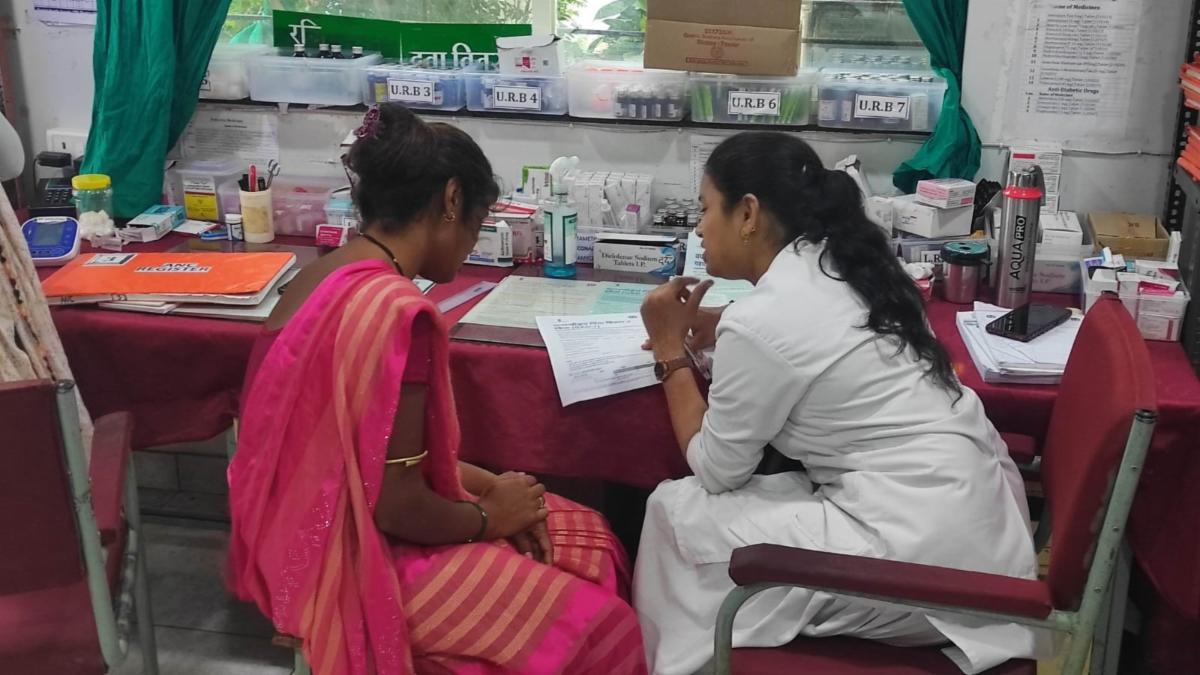
How primary health care can bridge the mental health gap
India faces a significant burden of mental health conditions, contributing nearly 15 percent of the global mental health disorder burden. Between 1990 and 2017, the country witnessed a doubling of the disease burden from mental health issues.
In 2017, prior to the pandemic, approximately 200 million people in India were estimated to need mental health care, with the treatment gap exceeding 80 percent. This underscores the pressing need to scale up mental health services across the country. The Mental Health Care Act of 2017 accorded mental health care as a right. However, the present status of mental health services in the country is inadequate to realize this right.
Click here for the full story.
| |
Closing the heart health gap by investing in women
For far too long, women’s health conditions – especially sex-specific conditions – have been under-studied, under-treated and under-funded. This is especially true of cardiovascular disease, which is the leading cause of death for women globally. Women are not simply small men. Their cardiovascular health is influenced by biological differences rooted in unique life stages such as pregnancy and menopause. Closing the women’s health gap could not only be the catalyst for improving the lives of women around the world, it could also boost the global economy.
In fact, investments to narrow the women’s health gap could help 3.9 billion women to live healthier lives and boost the global economy by $1 trillion annually by 2040, according to research by the World Economic Forum in collaboration with the McKinsey Health Institute.
Click here for the full story.
| |
USA Today: MLK knew health was part of equity. Communities of color still face disparities.
Dr. Martin Luther King Jr.’s vision for economic equity found expression in the 1968 Poor People’s Campaign, a movement to create a "Beloved Community" where justice and opportunity were accessible to all. King understood that poverty, inadequate health care and systemic inequalities were barriers to individual well-being and national progress.
Today, as new leadership, policies and technologies emerge, King’s vision is more relevant than ever. Advances in medicine and technology offer unprecedented opportunities to tackle health challenges and chronic diseases that impede livelihoods and economic growth. However, these same innovations could exacerbate inequities if left unchecked or health care becomes increasingly commercialized.
Click here for the full story.
| |
ABC News: The growing inequality in life expectancy among Americans
The life expectancy among Native Americans in the western United States has dropped below 64 years, close to life expectancies in the Democratic Republic of the Congo and Haiti. For many Asian Americans, it's around 84 -- on par with life expectancies in Japan and Switzerland. Americans' health has long been unequal, but a new study shows that the disparity between the life expectancies of different populations has nearly doubled since 2000. "This is like comparing very different countries," said Tom Bollyky, director of the global health program at the Council on Foreign Relations and an author of the study.
Click here for the full story.
| |
Vital Directions For Health And Health Care: Priorities For 2025
In 2016, ahead of the US presidential election, the National Academy of Medicine launched the strategic initiative Vital Directions for Health and Health Care—a series of papers on critical areas of US health care written by the nation’s experts and intended to provide nonpartisan guidance to the incoming administration. The National Academy of Medicine continued the initiative in 2021. The current series, titled Vital Directions for Health and Health Care: Priorities for 2025, contains six articles on priority areas in US health and medicine that demand urgent attention. Here we provide an overview of the articles, which spotlight key areas for action and transformative change: revitalizing the biomedical research enterprise, modernizing public health, charting new directions for women’s health, safely integrating artificial intelligence throughout the health care system, addressing the impact of climate change on health and equity, and transforming the US health care system to one that performs at par with the systems of other industrialized nations.
Click here for the full story.
| |
Webinar Event: The Rise in Adolescent Social and Health Inequalities Amidst the COVID-19 Pandemic
This event will explore the profound impact of the COVID-19 pandemic on adolescent social and health inequalities. As the world navigated lockdowns, school closures, and economic disruptions, young people, particularly from marginalized communities, faced significant challenges. Researchers will examine how the pandemic exacerbated issues such as mental health, access to education, food security, and healthcare, and how these disparities continue to affect adolescents in the post-pandemic era. Attendees will gain insight into the intersection of social determinants of health, systemic inequities, and consequences for youth development.
Click here to register for the event.
| |
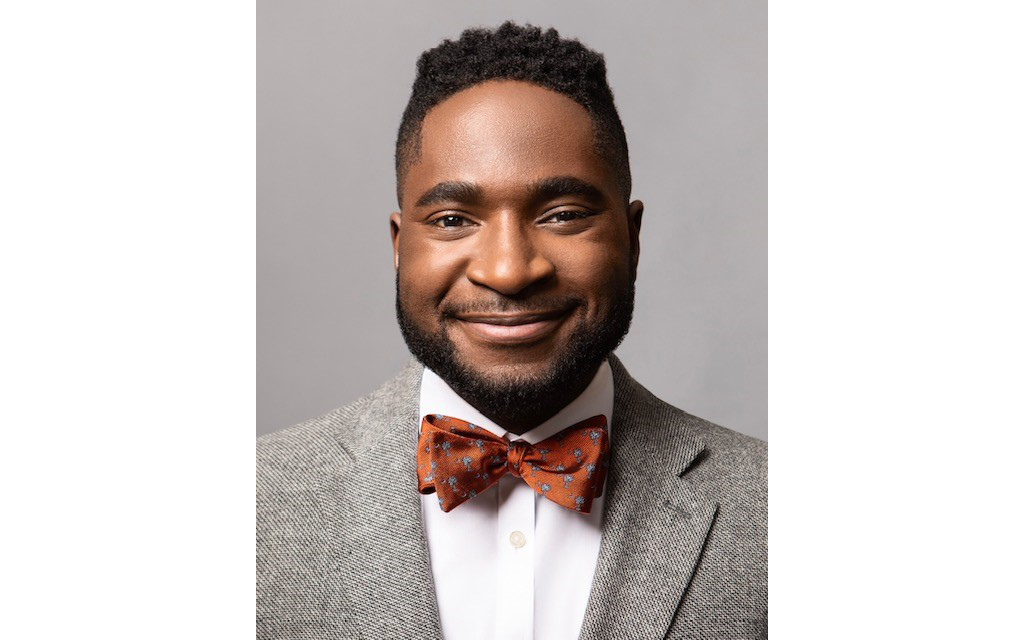
Q&A: Dr. Utibe Essien discusses goals of ‘health, equity and justice’ in research
Dr. Utibe Essien, an assistant professor of medicine at the David Geffen School of Medicine, sat down with science and health editor Shaun Thomas to discuss his journey into medicine, historical influences on health care and his involvement in leading disparity research.
Essien was named one of 10 Emerging Leaders in Health and Medicine by the National Academy of Medicine in September. Essien also spoke about some of his future goals with disparity research and the impact of his award from the NAM.
Click here for the full story.
| |
Reducing Disparities and Promoting Health Equity in Underserved Communities with Social Determinants of Health
The new year is a time for reflection and goal-making. As the year begins, so do our aspirations on how we can improve. In the world of healthcare, one of the biggest improvements we need is health equity. It doesn’t matter how much we improve our services and our technology if only a select few will be able to access it. The only way to truly deliver good healthcare services is through ensuring everyone gets the same level of care in spite of the barriers that may be in the way. So as 2025 begins, let’s all strive to reduce disparities and promote health equity in underserved communities this year!
In case you need some help starting this goal, we reached out to our incredible Healthcare IT Today Community to ask — how can healthcare organizations address social determinants of health (SDoH) to reduce disparities and promote health equity in underserved communities?
Click here for the full story.
| | | | |