|
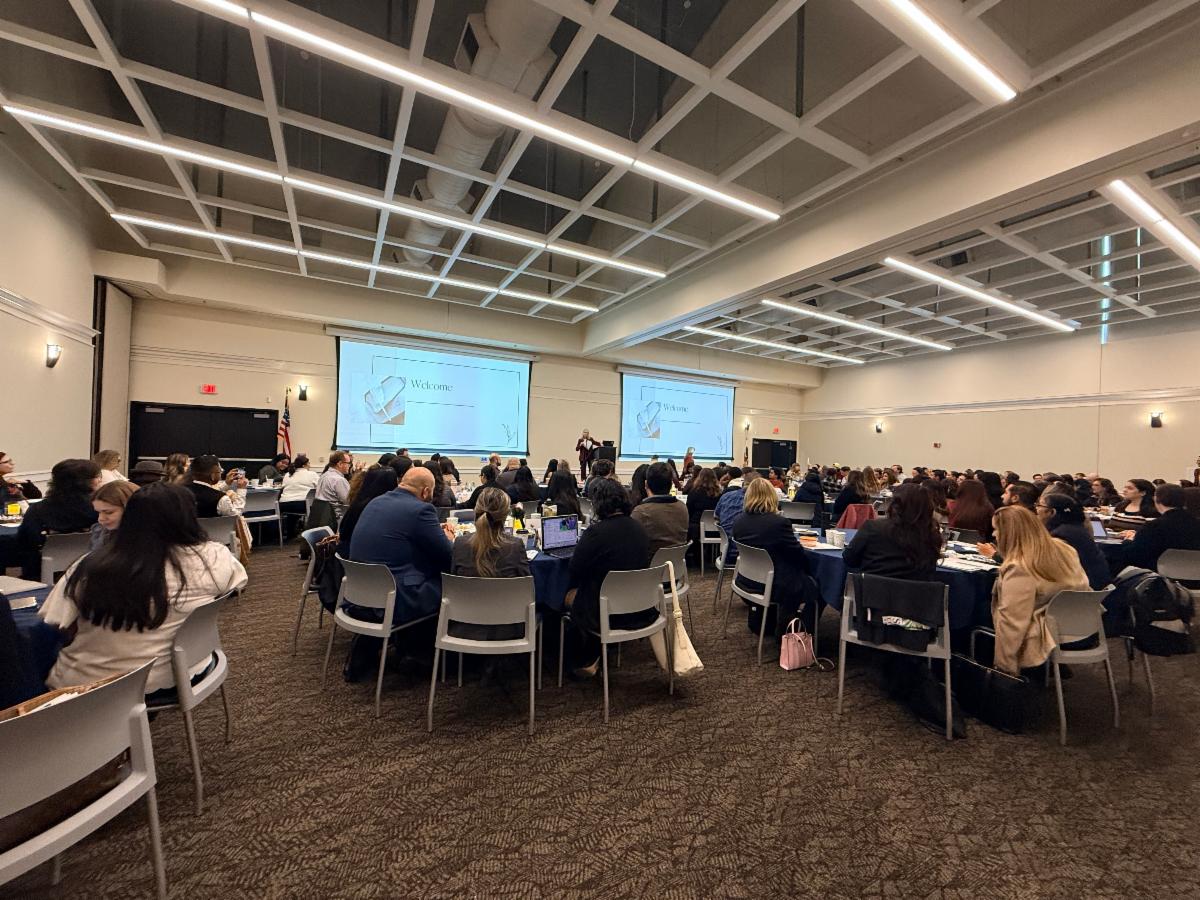
The Central Coast Regional Technical Assistance Center team, under the leadership of the Director of Program Integration and Support, Dr. Donna Smith, convened a countywide learning event designed to connect school districts and community partners engaged in Community Schools work. The convening brought together more than 250 participants united by a shared commitment to strengthening Community Schools across Monterey County.
The coalition commenced with opening remarks by Monterey County Office of Education Superintendent Dr. Deneen Guss. Dr. Guss provided clear guidance on the coalition’s objectives, helping to align participants around a shared vision and purpose. She framed Community Schools implementation as both a collective commitment and a powerful opportunity to strengthen outcomes for students, families, and communities across the county through collaboration, coordination, and shared responsibility.
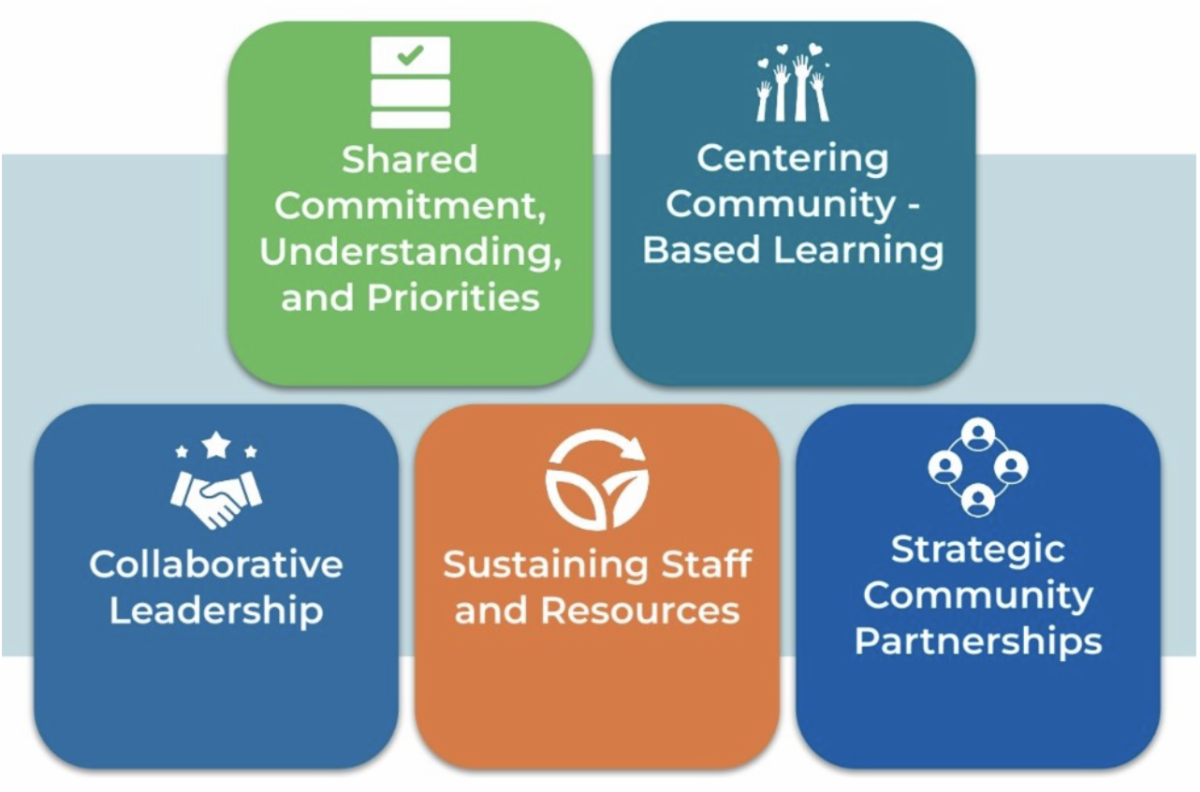
Monterey County Office of Education Assistant Superintendent of Student Services, Dr. Ernesto Vela, followed with an engaging presentation that provided an overview of the Community Schools grant and introduced the four foundational pillars that guide the Community Schools work. His presentation highlighted how these pillars work together to create integrated systems of support centered on student success, family engagement, and community collaboration.
School districts from across Monterey County shared reflections on the unique strengths and needs of their learning communities. These presentations elevated insights from community school coordinators and site administrators, while importantly centering student and parent voices. Each district articulated its vision for Community Schools implementation and identified concrete ways for community partners to align their services and expertise to address local priorities and support student success.
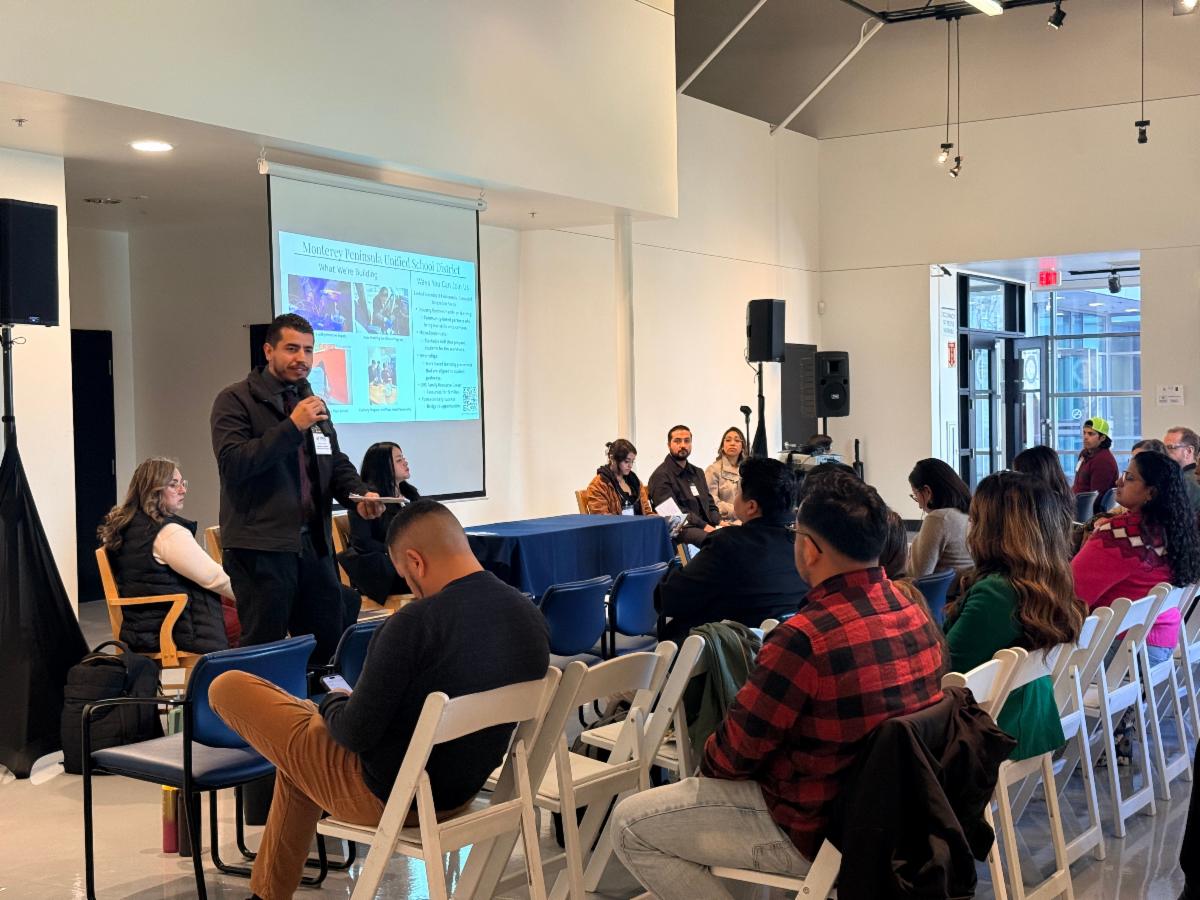
The coalition featured rotating breakout sessions focused on each of the Community School pillars. During these sessions, districts provided more detailed profiles of their Community Schools work, highlighting current strategies, areas for growth, and emerging needs. Panel-style discussions allowed time for district presentations as well as meaningful dialogue, giving partners the opportunity to ask clarifying questions and explore alignment.
The coalition concluded with an innovative approach to partner engagement designed to foster meaningful connection and collaboration. Rather than traditional tabling, district teams remained seated while community partners rotated through the space, creating opportunities for more personalized conversations, a deeper understanding of district contexts, and organic next steps for potential partnership.
The coalition created an intentional space for learning, dialogue, and partnership-building in support of the California Community Schools Partnership Program (CCSPP). The energy, curiosity, and collective problem-solving demonstrated throughout the day showcased collaborative leadership in action and a shared commitment to building strong, aligned partnerships that serve students, families, and learning communities across the region. This convening marks an important step forward, and we look forward to continuing this work together through ongoing learning opportunities, deeper partnership-building, and collective action in the months ahead.
The Monterey County Office of Education and the Central Coast CCSPP Regional Technical Assistance Center extend our sincere appreciation to all participants, as well as to the Bright Futures for Monterey County Foundation, for their leadership, engagement, and collaboration throughout the convening.
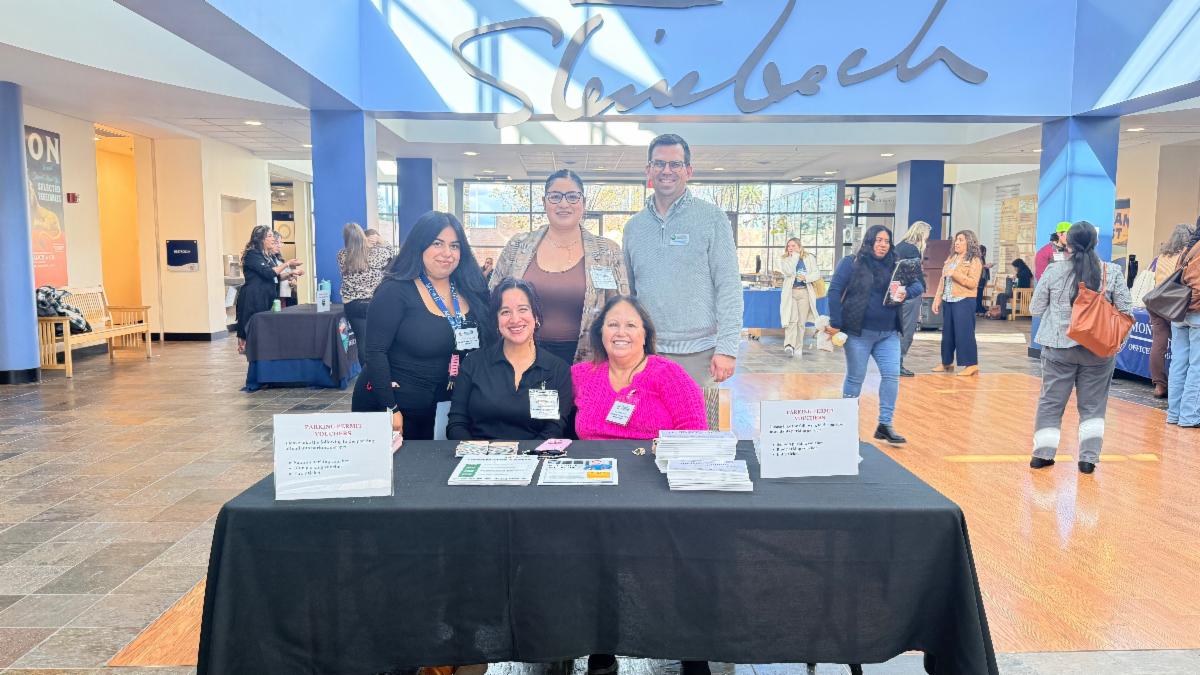
| | Caption: Monterey County Community partners and leaders gathered for the coalition. | | Caption: Monterey County Office of Education staff welcoming attendees. | | Caption: A district team presenting to community partners. | | CCSPP Framework (17 pgs) The California Community Schools Partnership Program (CCSPP) Framework is a guiding document created by the California Department of Education (CDE) and the State Board of Education (SBE). It was adopted in July 2022 to help schools, districts, and counties design, implement, and sustain high-quality Community Schools across California. | |  | CCSPP Capacity Building Strategies (25 pgs). This resource will support Community School Coordinator/Leads' understanding of the Capacity Building strategies to support APR conversations with Advisory Council members and other stakeholders/educational partners. | | |
Shared Commitment in Practice:
Santa Maria Bonita School District explores
Community Schools Fundamentals at the
National Center for Community Schools Conference
| | |
The Santa Maria-Bonita School District (SMBSD), Cohort 4 Implementation grantee, spent two years engaged in the California Community School Partnership Program (CCSPP) Planning Grant—time that allowed the district to deeply study the California Community Schools framework and thoughtfully design its long-term implementation strategy. The District’s efforts, led by District Community Schools Coordinator José Segura and the Director of Multilingual Services Tammy Castillo-Shiffer, resulted in all 21 schools being awarded CCSPP Implementation Grants for Cohort 4. Drawing on insights from its two-year planning process, the district adopted a phased approach designed to support sustainable learning, leadership development, and systems-building.
In collaboration with site administrators, the district core team identified eight “Early Adopter” schools—teams prepared to pilot key practices, model effective implementation, and help pave the way for a smooth rollout to the remaining 13 sites. This intentional sequencing reflects the community schools' emphasis on collaborative leadership, shared learning, and continuous improvement.
| | |
As part of this early implementation phase, teams from the eight Early Adopter school sites traveled to New York City to participate in the National Center for Community Schools Fundamentals Conference. Designed specifically for districts beginning their Community Schools journey, the conference aligned directly with the CCSPP framework’s call for shared commitment, ongoing professional learning, and building strong site-level leadership capacity. Sessions provided the SMBSD teams the opportunity to explore foundational elements of implementation, including the role of the Principal, the Community School Specialist, site-based steering committees, and conducting a thorough needs and assets assessment.
The conference emphasized that Community Schools are dynamic systems that thrive through continuous cycles of reflection, inclusive decision-making, and improvement grounded in meaningful data. This message was brought to life during school site visits, where SMBSD teams observed Community Schools in action—each using consistent systems aligned to the CCSPP framework, while adapting flexibly to the unique needs, strengths, and cultures of their communities. The balance of coherence and local responsiveness reinforced a central truth: each Community School reflects the identity of the community it serves.
| | |
Overall, the experience strengthened SMBSD’s collective commitment to high-quality Community Schools implementation and deepened their dedication to collaborative leadership across the district. Empowered by their learning, the Early Adopter teams returned to their schools energized and ready to build on the momentum from the conference, supporting districtwide growth as Community Schools expand across all 21 campuses. With renewed clarity, confidence, and purpose, SMBSD Early Adopter teams are well-positioned to drive meaningful, lasting change that ensures every student is supported, seen, and set up to thrive.
| |
Standing Together for Community Schools:
California Partnership for the Future of Learning’s
Call to Invest in California’s Future
| | |
The California Partnership for the Future of Learning (CPFL)—an alliance of community-organizing groups, advocates, and research partners—collaborated on a letter to California Governor Gavin Newsom, encouraging state leaders to continue investing in California’s successful community schools movement. The group highlighted the powerful outcomes already taking shape through the California Community Schools Partnership Program (CCSPP), including improvements in attendance, school climate, and academic growth for historically underserved students.
The letter amplifies the voices of thousands of students, families, and educators who shared their hopes during recent listening campaigns, calling for safe and welcoming schools, strong mental health support, culturally affirming learning, and ongoing investment in community-connected opportunities. The Partnership also emphasizes the importance of strengthening the educator pipeline through continued funding for the Golden State Teacher Grant Program so that high-need schools can attract and retain well-prepared, diverse teachers.
The alliance also uplifted themes that strongly align with the CCSPP’s pillars of Shared Commitment and Collaborative Leadership, underscoring that the success of community schools comes from shared governance and deep partnership with students, families, educators, and community organizations. The alliance encourages the state to build on this collaborative momentum by investing funding to sustain the relationships, trust, and collective decision-making structures that are transforming school communities. Their alliance’s message throughout is deeply rooted in a spirit of partnership.
The California Partnership for the Future of Learning alliance has also created a valuable Community Schools toolkit that centers equity, uplifts the voices of students and families, and works toward building long-term systemic change as part of a national movement to strengthen public education.
For more information on the alliance or the toolkit, please reach out to Alma Cervantes, Director of Education Equity and Justice, Building Healthy Communities Monterey County, infobhc@actioncouncil.org, 831-783-1244
| | |
The California Partnership for the Future of Learning is a statewide network of students, families, educators, and community organizations working together to build transformative, racially just community schools across California.
Together, we are proving that when we invest in community, relationships, and belonging, we transform outcomes for all of California's children. This is what we're building—and the data shows it's working.
The California Partnership is anchored by Californians for Justice, Catalyst California, PICO California Education 4 Liberation (ICUC, OCCCO, SacACT & True North), and Public Advocates, with the support of Building Healthy Communities – Kern, Building Healthy Communities – Monterey County, Community Coalition, InnerCity Struggle, and dozens of additional grassroots, research, and education allies.
| | |
Resources of the Month:
Student Voice and Student Agency
| | |
Every Opportunity (video 4 min) - The short video is a powerful reminder that every interaction is an opportunity to lift students up by helping them feel heard, valued, and understood—and that in a school community, we are all teachers, regardless of our role. When adults intentionally create a culture of connection, respect, and belonging, students gain the confidence and emotional safety they need to learn, grow, and thrive. This aligns deeply with the Community Schools strategy, which centers on whole-child support, strong relationships, and shared responsibility for creating environments where every student can succeed.
Student-Led Meetings: Empowering Student Voice. Students at this campus take ownership of their Education by leading meetings with their teachers, principals, and parents (video, 5 min.)
Improving teaching with expert feedback - from students (article). Teachers can improve their practice by giving students a voice in the classroom
A Student-led Culture Shift: Student Perspectives (video, 7 min) - Student leaders at El Cerrito High School work to positively impact school culture by infusing it with mindfulness. This powerful video showcases the "Culture Keepers," a group of students trained in Dynamic Mindfulness and restorative justice, who are working to create a more supportive and inclusive learning environment. If this area is a collective priority this school year, connect with your local Wellness, Restorative Justice, Counselor, or Social Worker team as a thought partner to help expand their efforts.
Random Acts of Kindness (RAK) Calendar (website) - the Random Acts of Kindness calendars offer a low-cost, high-impact way for schools to embed daily practices of empathy, care, and community — complementing CCSPP’s vision of whole-child, whole-family, whole-community support. Become a certified kindness school/classroom - aligned with CS Framework: 4 Key Conditions for Learning. Additional Free RAK resources. If this area is a collective priority this school year, connect with your local Wellness, Restorative Justice, Counselor, or Social Worker team as a thought partner to help expand their efforts.
| | |
Building Stronger Site Plans in Santa Barbara County:
Connecting the NAA, SMART Goals, and the
Continuous Improvement Cycle
| | During the second learning session of the Santa Barbara County Education Office (SBCEO) Community Schools Implementation Network, teams engaged in shared learning across several key areas of strong Community Schools implementation. These included needs and assets assessments, data analysis, insights from the field, sustainability planning, goal setting, evidence-based practices, and strategies for continuous improvement. The session focused on how these components collectively reinforce systems and elevate collaborative leadership | | | |
A highlight of the presentation was the team’s presentation on the impact of SMART goals—Specific, Measurable, Achievable, Relevant, and Time-bound—on successful implementation. SMART goals help build clarity, align partners, and create a shared direction among staff, families, students, and community organizations. Because Community Schools work involves broad concepts such as student well-being, family engagement, and supportive environments, SMART goals are key to transforming these broad ideas into concrete actions that can be implemented, tracked, and continuously improved.
Consider the following examples:
-
“Increase Family Engagement.” A more robust SMART goal could be: Increase attendance at the “Home to School Learning Series” from 20% to 40% by May 2026 by implementing a structured outreach strategy that includes two personalized reminder phone calls per family and hybrid session options offered in English, Spanish, and Mixteco. Provide on-site childcare and light refreshments to reduce participation barriers. Track progress through monthly sign-ins, virtual attendance logs, and brief family exit surveys to monitor accessibility and satisfaction and adjust strategies as needed.
- “Identify Community Partnerships.” A more robust SMART goal could be: By June 2026, secure and launch two new free or low-cost mental health enrichment partnerships that each provide weekly after-school services to students, collectively expanding support to at least 50 additional students. Finalize formal MOUs by January 2026 outlining service schedules, staffing commitments, referral pathways, and expected student outcomes. Monitor implementation through bi-monthly coordination meetings, service delivery logs, and student participation and feedback data to ensure high-quality, equitable access and to make timely adjustments as needed.
By defining clear and measurable outcomes, SMART goals enable teams to coordinate multiple initiatives, utilize data to inform decisions, and transform broad priorities into specific steps that can be tracked and celebrated. They also advance equity by grounding decisions in meaningful data, elevating student and family voice, and support teams in consistently monitoring their progress.
As the SBCEO Community Schools Implementation Network continues to grow, SBCEO’s commitment to shared learning and continuous improvement remains central to supporting schools across the county. Through thoughtful reflection, a deep commitment to equity, and an implementation approach rooted in data-informed goal setting and collaborative practices, school teams are receiving the guidance and structures they need to strengthen alignment, build shared understanding, and develop the collective capacity required to bring their Community Schools vision to life. This ongoing support helps ensure that each school’s efforts remain coherent, community-driven, and responsive to the evolving needs and strengths of students and families. Because of this work, CCSPP teams across Santa Barbara County are well-positioned to advance meaningful, sustainable progress that uplifts every student.
| | |
Central Coast High School
Student Power Summit: Stories That Inspire Change
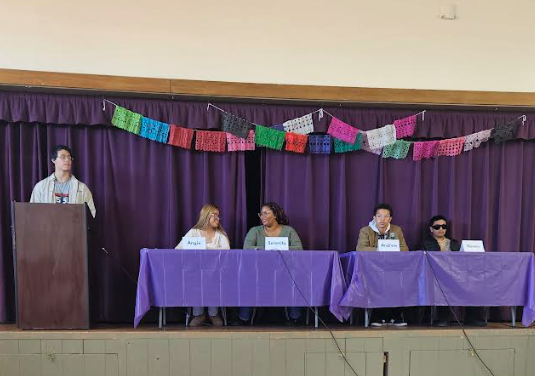
| | Caption: Student panelists from CCHS spoke candidly about their experiences and what sets CCHS apart. | | | |
On December 12, 2025, Central Coast High School (CCHS) hosted the Student Power Summit, an event held in collaboration with Palenke Arts, a multicultural arts center in Seaside, California. Known for creating youth-centered, culturally reflective arts spaces, Palenke Arts partnered with the school to elevate student creativity and voice. The Summit itself was entirely student-facilitated, student-led, and student-centered.
The student facilitator set the tone by inviting participants to be open and reflective, modeling this vulnerability through his own story. He shared how unexpected family circumstances had disrupted his education, leading him to struggle academically and eventually leave his comprehensive high school in 9th grade. When he enrolled at CCHS in 11th grade, he found the support he needed to re-engage with learning. The staff’s genuine care, strong sense of community, and consistent encouragement helped him reconnect with his goals. He is now on track to graduate and plans to enroll in a university in the fall.
One student on the panel described how, in previous school settings, long class periods, learning loss, and limited in-class support left him feeling frustrated, anxious, and discouraged. Over time, he began to expect less of himself and disengaged from learning. After transferring to CCHS in 10th grade, he found an environment that helped him rebuild his confidence. Teachers and staff demonstrated social-emotional awareness and provided scaffolded supports that allowed him to pause, recover, catch up, and make sense of his learning. He highlighted the school’s flexible learning options as a major factor that re-ignited his excitement for education.
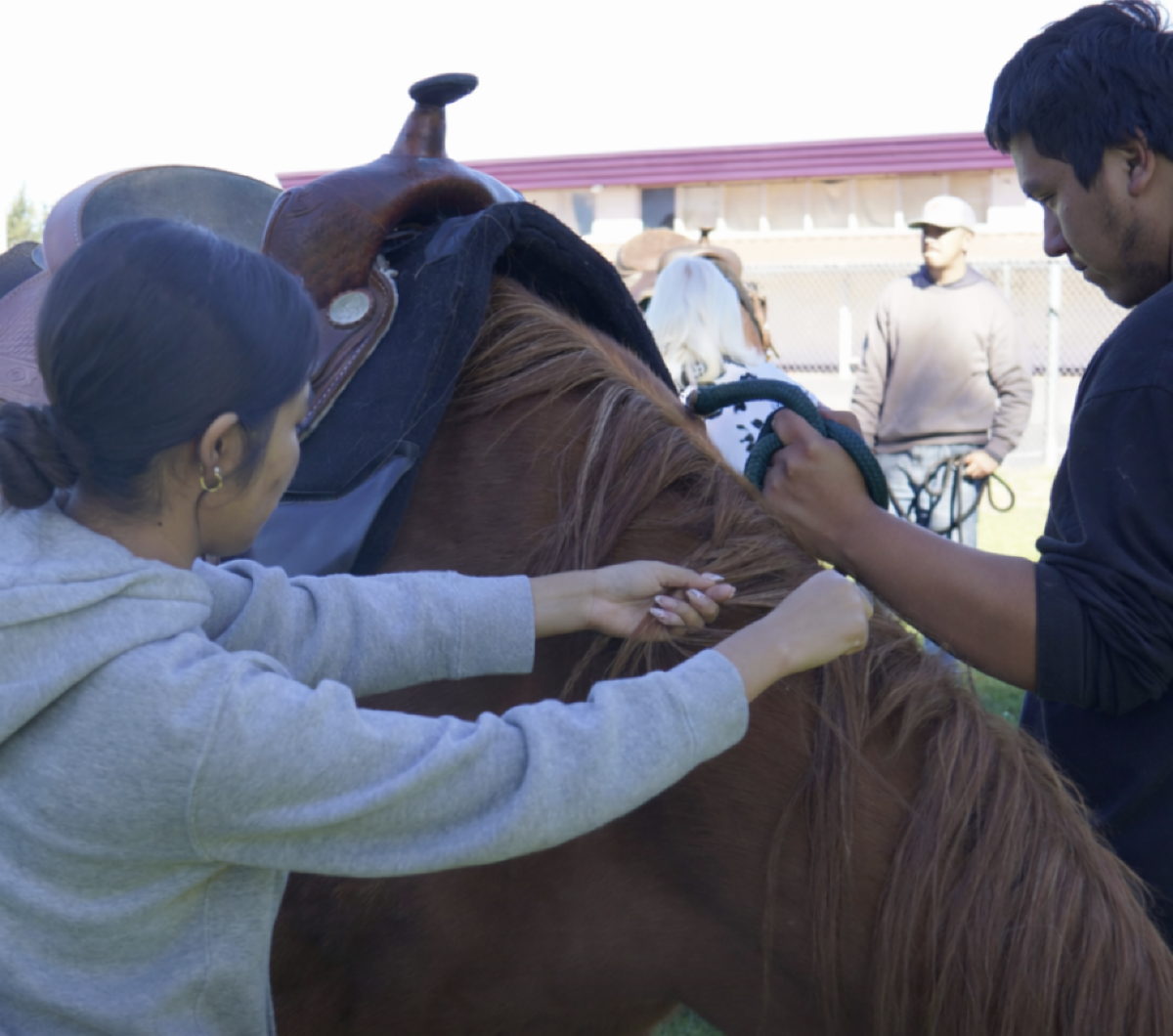
| | Across the panel, students consistently emphasized that their relationships with staff and teachers at CCHS felt authentic, inclusive, and reliable. They noted that adults looked beyond the immediate academic or behavioral concerns that might surface and worked to understand the root causes of challenges—whether social, emotional, environmental, or personal. This whole-child approach helped the students feel truly seen and supported, fostering trust and a genuine sense of belonging that they described as essential to their success. | | Caption: The CCHS partners with an Equine Therapy organization. One student on the panel mentioned how this program taught him to self-regulate, rather than engage in disputes with others. Photo is courtesy of the MPUSD Instagram page. | | | |
Participants were then invited to view a short student-produced film of digital stories that highlighted the conditions that enable young people to learn, thrive, and feel a sense of belonging at school.
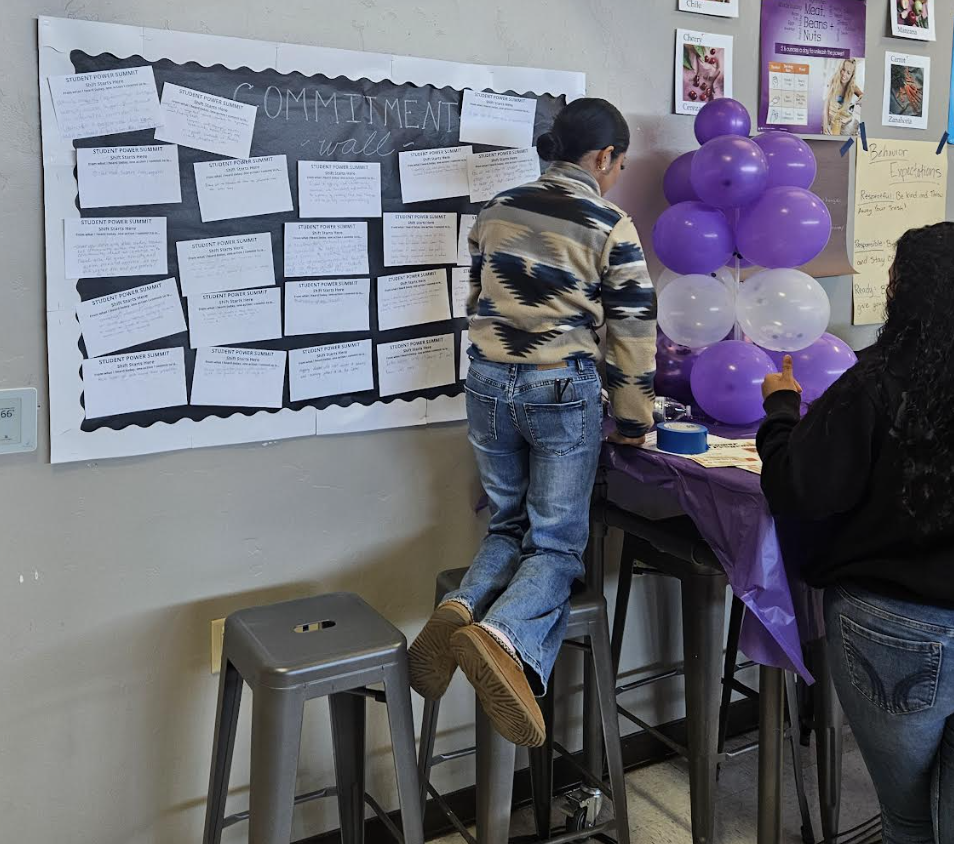
The Summit concluded with students inviting participants to make a personal commitment. Each participant completed a half-sheet of paper responding to the prompt, “From what I heard today, one action I commit to is….” Their commitments reflected a wide range of intentions, including mentoring students, prioritizing student well-being over productivity pressures, and advocating for youth at the local, state, and federal levels.
The CCHS Student Power Summit exemplified a core commitment of the Community Schools framework: elevating student voice to shape the school climate, practices, and drive continuous improvement. It stood as a vibrant demonstration of student leadership and partnership at the heart of the Community Schools movement. Most importantly, the event affirmed a foundational belief of Community Schools—that students are experts in their own learning experiences.
| | |
Caption: Students post the commitments made by participants, listing how they can support the growth and well-being of CCHS students.
| |
More inspiring Community Schools work happening in the
Central Coast region!
| | |
Santa Barbara County - Sueños to Success podcast featured Santa Maria- Bonita School District Superintendent Dr. Darren McDuffie.
In this episode, host Dr. Victor Rios sat down with Dr. Darren McDuffie to explore the profound impact of belonging and early educational experiences on a child’s sense of identity, purpose, and leadership. Dr. McDuffie reflected on how the smallest moments in school—especially those occurring in early childhood—can leave lasting imprints that shape how young people see themselves and navigate the world.
Dr. McDuffie shared a pivotal kindergarten experience in which he was targeted with racist language and mistreated, only to have the adults in the room fail to protect him. They instead placed the blame on him. As a young child, this moment planted a deep sense of self-doubt and diminished self-worth, leading him to internalize harmful messages about his own worth and sense of belonging.
Dr. Rios connected Dr. McDuffie’s story to the concept of “stacked” injustice—how repeated moments of harm and bias can accumulate over time, profoundly shaping how children understand their place in school and in society. Together, they emphasized that when students are denied a sense of belonging early on, the consequences can echo for years, reinforcing the critical role educators play in affirming identity, protecting dignity, and creating spaces where every child feels seen and valued.
The conversation then shifted to how healing often begins with a single educator who truly sees a child. Dr. McDuffie described a fifth-grade teacher, Mrs. Cotton, who changed his trajectory with one sentence: “You are capable of great things.” That moment sparked confidence, a love of reading, and eventually an interest in drama and storytelling—tools that helped him build empathy and understand perspectives beyond his own. Both speakers emphasized that representation matters: students need books, lessons, and leaders that reflect their communities so they can imagine themselves as capable, brilliant, and belonging in academic spaces.
As the episode came to a close, Dr. McDuffie reflected on leadership as a matter of person, not position—a practice grounded in character, commitment, competence, and care. He shared that witnessing leadership fall short early in his career ultimately motivated him to step into administration, not for authority, but to better serve students, families, and educators.
Dr. McDuffie emphasized that meaningful leadership is built through authentic relationships, grounded in presence, trust, and human connection. He shared that truly supporting school communities requires leaders to be visible and engaged—knowing students, families, and staff by name; listening deeply to their experiences; and honoring their voices in decision-making. For Dr. McDuffie, leadership is not about authority or position, but about showing up with empathy and accountability, especially in moments of challenge. By leading with care, consistency, and integrity, he models a form of leadership that fosters belonging, strengthens communities, and creates the conditions for both individuals and organizations to thrive.
| | |
Ventura County - Isbell Middle School Academy of College and Careers demonstrates thoughtful, student centered practices that reflect the heart of California Community Schools work. The school has opened a new parent center that provides families with a welcoming, dedicated space for connection, learning, and support. The center serves as a hub for sharing resources, hosting workshops, and strengthening relationships with families. In addition, Isbell has established a community boutique where students and families can access new and gently used items donated by school staff and community volunteers, helping meet basic needs and foster a sense of belonging.
Isbell has elevated its expanded learning opportunities by prioritizing targeted academic and social supports during the school day and beyond through an after school program and a lunch bunch twice a week, creating consistent opportunities for connection, mentorship, and academic support. Staff maintain regular two way communication with teachers to coordinate supports, and families are engaged as active partners in student success. Through individual student meetings, students are informed about available resources, supported through check in and follow up practices, and guided in understanding GPA systems. Teachers also support students working toward promotion and English Language Development reclassification. Together, these coordinated efforts demonstrate how integrated supports, strong relationships, and student voice create meaningful conditions for learning and well being on campus and set the foundation for student leadership and wellness initiatives.
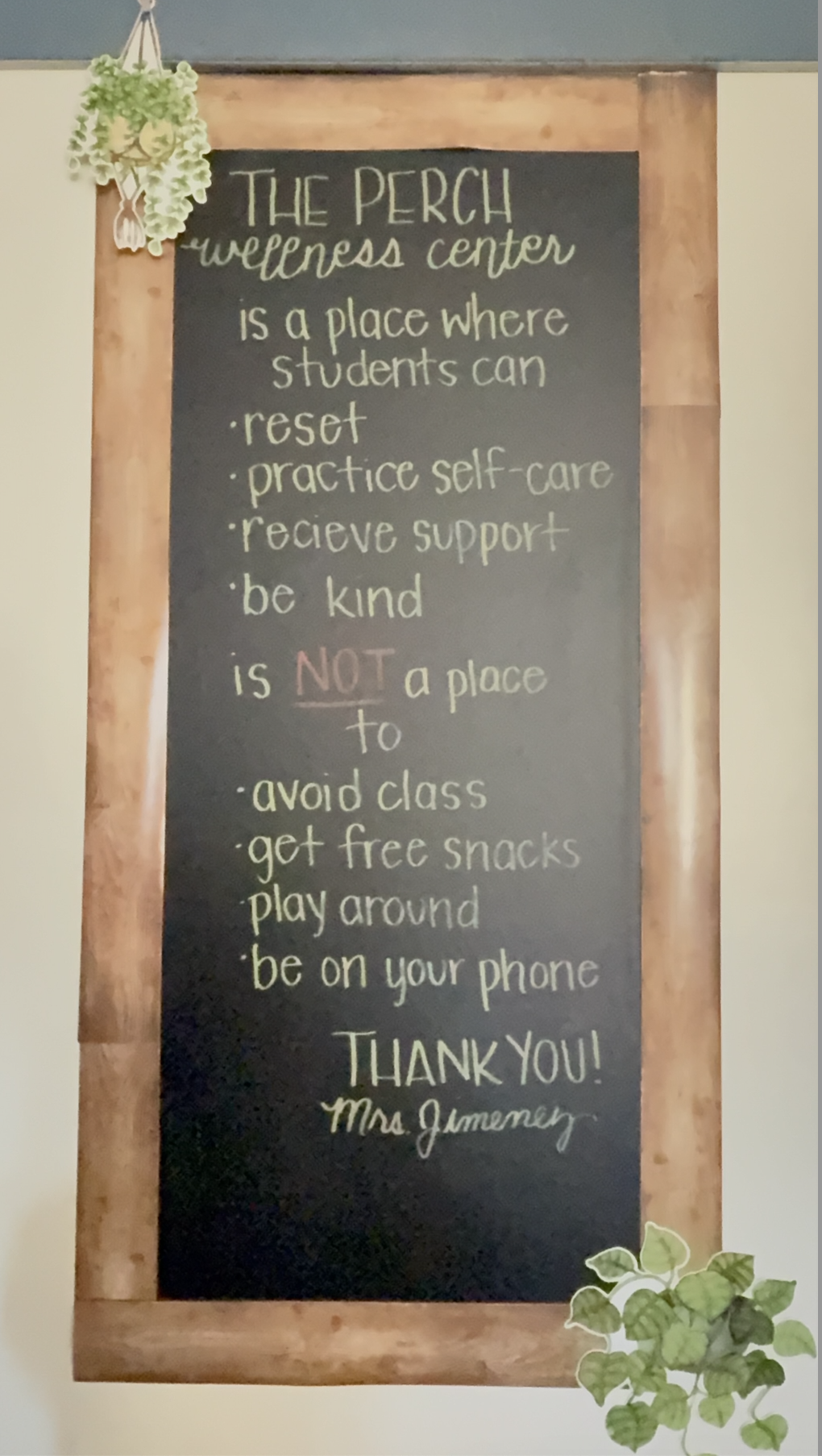
A notable highlight at Isbell is the student Wellness Center, which complements the school’s strong academic and family engagement supports. The Wellness Center strengthens preventative mental health and well being practices by equipping students with practical tools to support self regulation. The space promotes a growth mindset related to social and emotional learning and helps normalize help seeking behaviors. Through this work, students build awareness that asking for support and continuing to learn skills for managing emotions and stress are essential to overall well being. In addition, Isbell has established a student ambassador program that strengthens peer to peer connections and provides an added layer of support for positive interactions across campus.
| | |
Isbell Middle School: Wellness Ambassadors. Isbell Middle School students share tips on simple ways we can all make kindness a part of our everyday life. This student-centered opportunity aligns with the Community Schools' focus on student well-being and leadership. At Isbell Middle School, students serving as Wellness Ambassadors play an active role in promoting a positive school climate by sharing practical tips on simple, everyday ways we can all practice kindness. By centering student voice and peer-to-peer learning, this work reinforces social-emotional well-being, builds a culture of care, and reflects how Community Schools elevate students as leaders in supporting the wellness of their school community. Instagram Video courtesy of the Isbell Middle Instagram page.
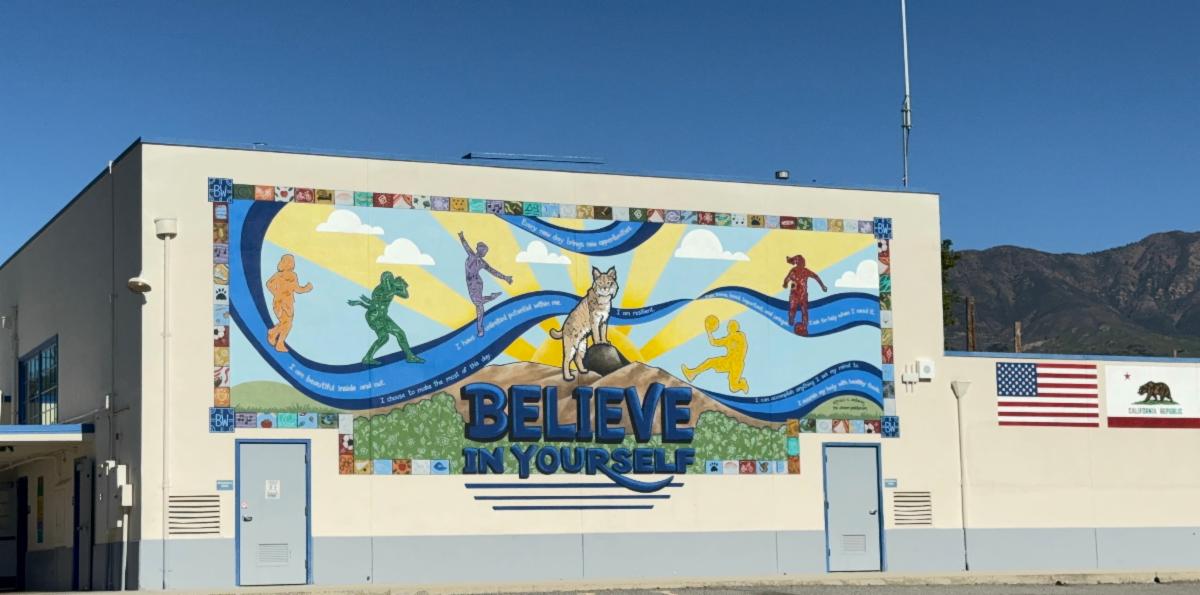
| | Caption: Barbara Webster School mural reads: Believe in yourself. | |
Your copy should address 3 key questions: Ventura County - Barbara Webster Elementary Academy of Sports and Health Science continues to demonstrate strong and intentional implementation of the California Community Schools Partnership Program. With the addition of a dedicated Community Schools Coordinator this year, the school has strengthened coordination across student supports, family engagement, and community partnerships, building on a solid foundation already in place.
A key highlight observed during the site visit was the school’s Wellness Center. Led by the school counselor, the center is supported by a team of student leaders known as Wellness Peers. These students serve as trusted connectors on campus, helping introduce peers who may benefit from counseling support, need a quiet space to reset, or may not be aware of available wellness resources to the center. Wellness Peers actively connect students to supports and contribute to a culture that normalizes care and help seeking.
Student voice and leadership are further elevated through participation on the Community School Site Council. Student involvement has strengthened family engagement, with several parents choosing to join the council as a direct result of their children’s leadership. Wellness Peers also proudly designed and wear identifying gear, increasing visibility and awareness of peer supports across campus.
The site visit also highlighted student driven wellness initiatives, including an anti vaping social club. Through this club, students learn about the physical effects of vaping and collaborate with the school counselor to create age appropriate presentations for their peers, reinforcing prevention and education through student leadership. Barbara Webster Elementary has taken a focused and strategic approach to expanded learning and instructional supports. Schoolwide reading interventions continue to support academic growth, while a robust year round sports program promotes physical wellness, structure, and positive behavior.
The athletics program is aligned with academic expectations and supported through a community partnership, further strengthening family and community engagement. Overall, Barbara Webster Elementary exemplifies the CCSPP pillars through integrated systems of support, strong student leadership, and meaningful family and community partnerships that promote student wellbeing and academic success.
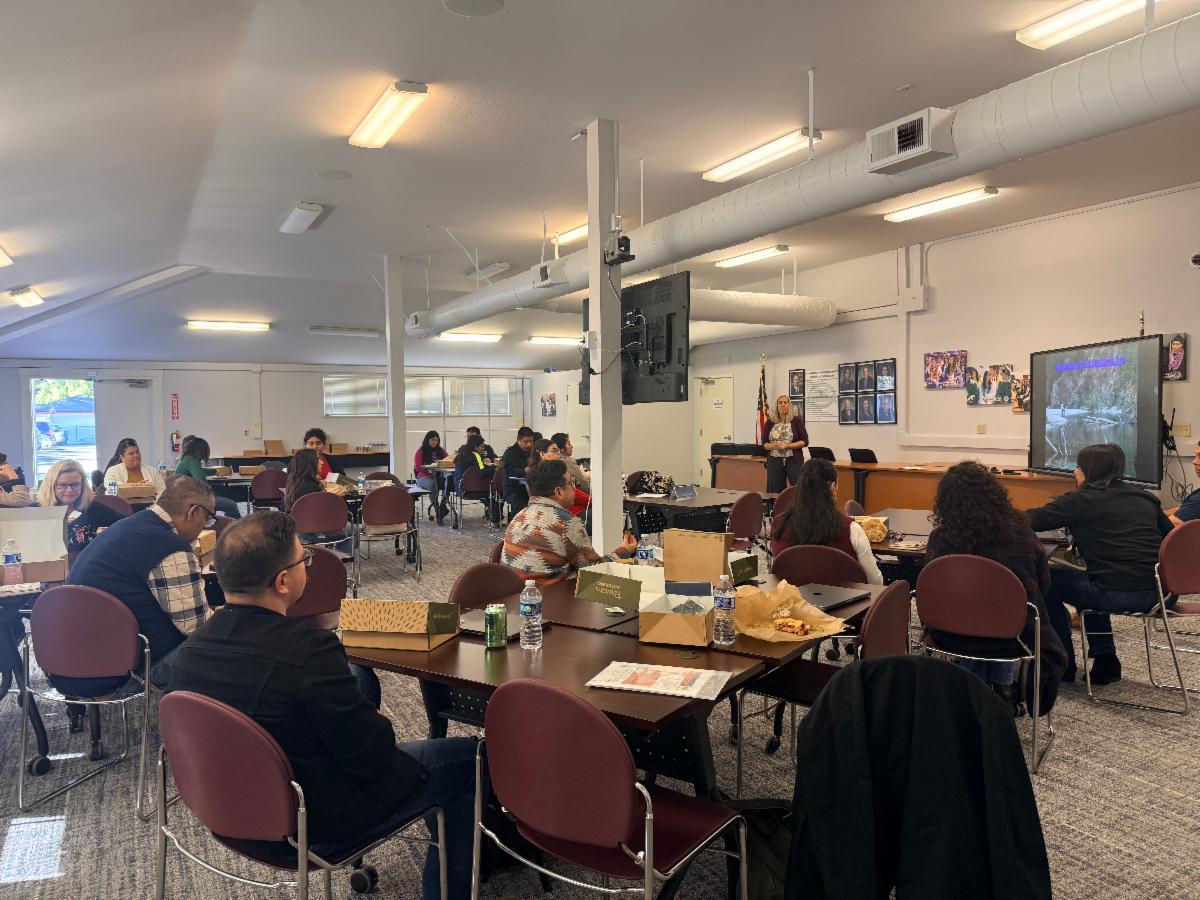
| | | Caption: Community partners and leaders gathered for the collaborative. | |
Your copy should address 3 key questions: Monterey County - Salinas Union High School District hosted its monthly Community Collaborative Convening on December 12, bringing together community partners and school based coordinators for connection, collaboration, and shared learning. These monthly meetings create a dedicated space for partners to rotate presentations, highlighting their organizations and the impactful work taking place across the community.
During this month's convening, a representative from the Ventana Wilderness program shared a range of learning opportunities available to learning communities throughout the Salinas Valley and Monterey County. Community partners also had the opportunity to introduce their teams, share updates, and exchange contact information with Community Schools coordinators. In turn, coordinators were invited to introduce their site teams and highlight the meaningful strategies and practices being implemented on their campuses.
This collaborative exchange allows partners to learn about site based needs and approaches while coordinators gain greater awareness of resources that can strengthen and enhance their community schools work. The gathering was welcomed by the Salinas Union High School District Community Schools Coordinator, Yvette Ramos along with district leadership including the Dr. Carissa Purnell, Director of Health and Wellness, and the Superintendent, Dr. Zandra Jo Galvan. Together, they welcomed educators and community partners united by a shared purpose: creating a space where collaboration, alignment, and access to resources remain at the center of the work in support of students, families, and school communities.
| | | |
Region-wide
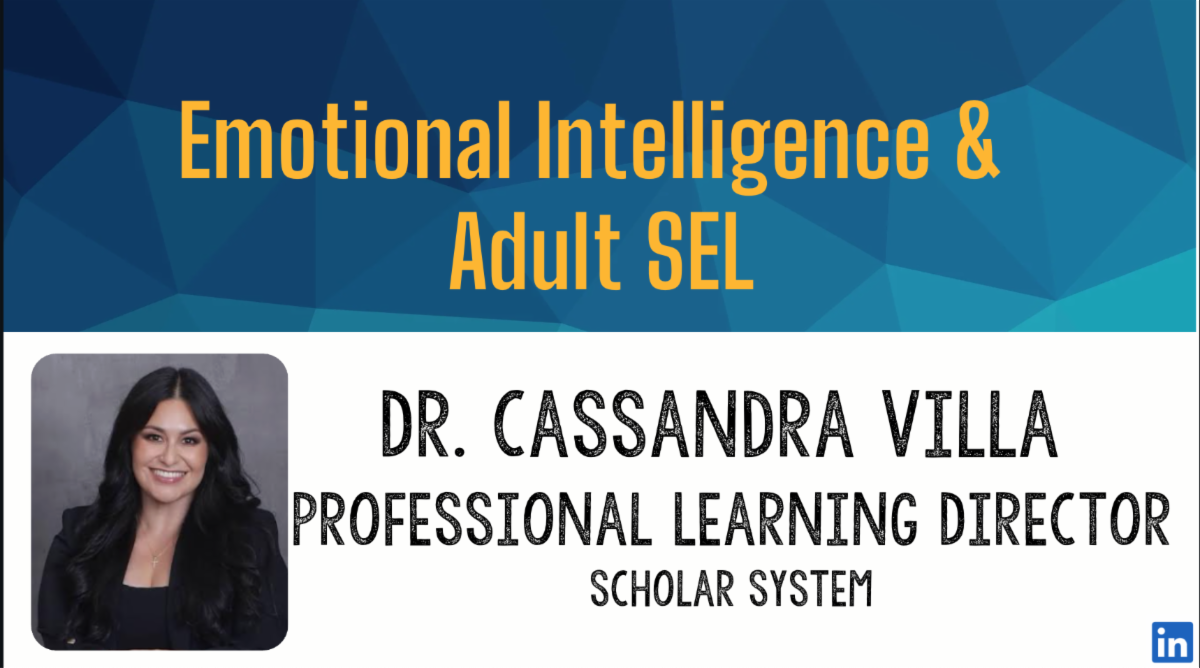
Educator leaders working in California community schools gathered for a focused learning experience centered on emotional intelligence and adult social emotional learning. Dr. Cassandra Villa, from Scholar Systems taught this module emphasizing the critical role that adults play in shaping emotionally supportive school and community environments.
The session opened with a brief community builder designed to ground participants and create space for reflection. Educators considered their own experiences with emotions in professional and school settings, recognizing how emotional awareness influences leadership, collaboration, and daily decision making.
Participants then explored the meaning of emotional intelligence and its core components, including self awareness, self regulation, empathy, and effective communication. The discussion highlighted why emotional intelligence is essential for educators and leaders who support youth, families, and community partners, especially within the community schools framework.
A key focus of the module was modeling social emotional learning in practice. Educators examined how adults serve as emotional role models and how daily behaviors, language, and responses demonstrate SEL in action. Consistent modeling was identified as a powerful way to build trust, belonging, and psychological safety across school communities.
The session also strengthened understanding of communication and empathy. Participants reflected on the connection between self awareness and empathetic communication, identifying habits that either support or hinder relationship building. These conversations reinforced the importance of intentional communication in collaborative leadership.
The module concluded with personal reflection and goal setting. Educator leaders identified individual strengths and growth areas related to emotional regulation, empathy, and connected communication. Participants shared key takeaways and commitments, acknowledging the collective responsibility to lead with social emotional learning in schools and communities.
This learning experience reinforced emotional intelligence as a foundational leadership skill that supports adult wellbeing, strong partnerships, and equitable outcomes for students and families.
Some reflection highlights from the session:
“I LOVED THE NARRATIVES! It helped to center the work side of the presentation as we went into scenarios, and helped to ground the important work that we do and to remember every child has a story that is being written and we have a big impact even by doing small things. Thank you for a powerful session today!”
“This was really insightful. I have really never thought of my leadership style before and how it may impact others. I’m going to really focus my shift on the small positive impacts during the day. The hellos in the hallways, etc.”
“This was my favorite session. I loved the scenarios and being able to learn SEL.”
| |
Central Coast RTAC Partners
| | | | |
Inflexion is committed to ensuring EVERY
student receives what they need to succeed, recognizing that the playing field remains inherently unequal. An equitable education system respects students as individuals, plays to students’ strengths, values students’ unique cultures and perspectives, and allows for the individual ownership of learning along a path driven by students’ interests and aspirations.
-
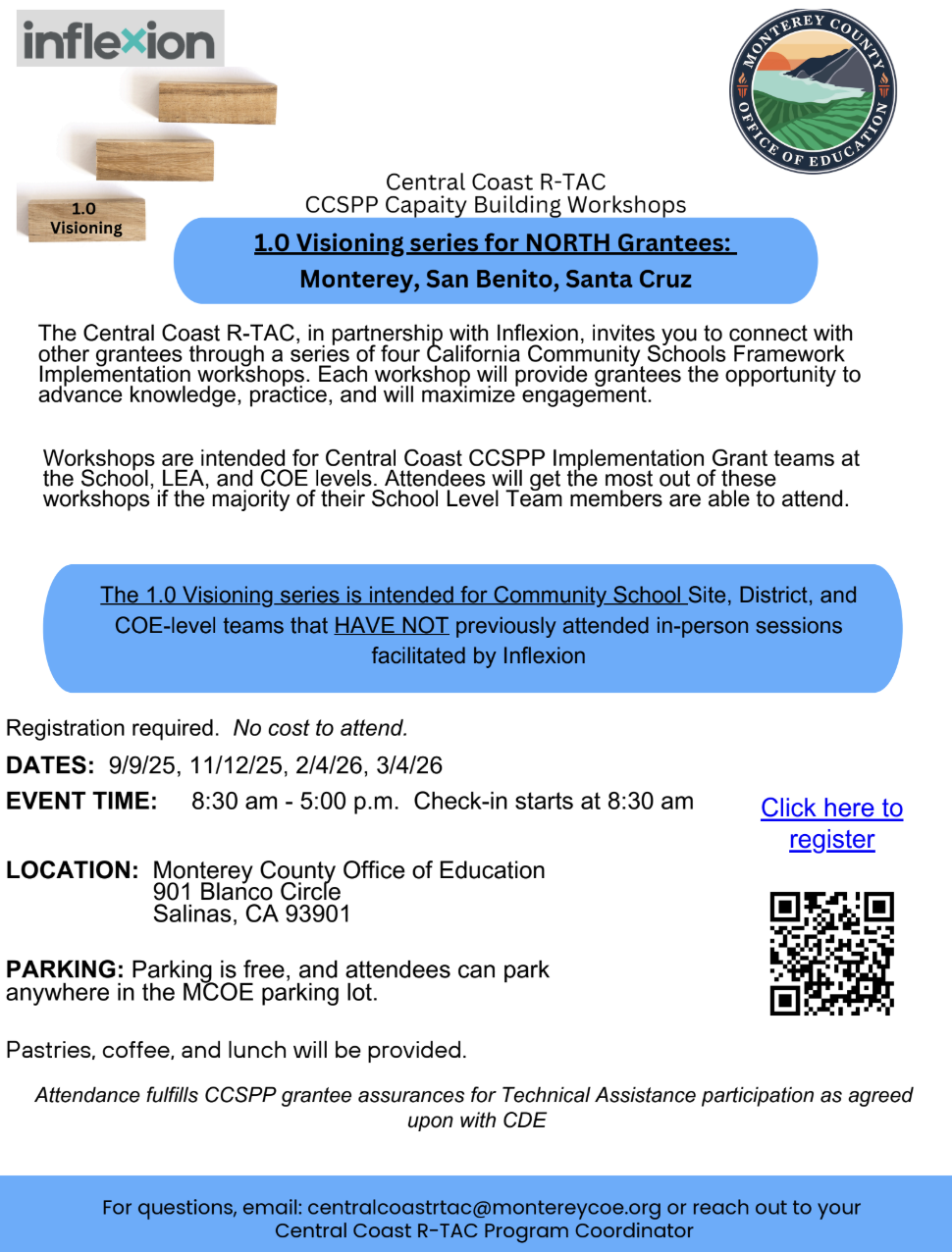
Inflexion Materials/Workshop resource room (1.0 sessions)
- Inflexion Materials/Workshop resource room (2.0 sessions) (forthcoming)
Lead Facilitator: Manuel Colón
Manuel Colon: teacher, mentor, coach, administrator. AUHSD - future talks featuring Manuel Colón (27 min.)
| | | | | |
At the foundation of the Scholar System program is an educational approach focused on fostering deep learning, critical thinking, and a love for knowledge.
Programs aim to cultivate scholars who are not just knowledgeable but also possess the skills and mindset to become lifelong learners, engaged citizens, and future leaders.
Lead Facilitator: Dr. Victor Rios
Dr. Victor Rios: professor, author, speaker, mentor, and founder of the Scholar System. A teacher that tapped into his soul (video, 2 min)
| | | | | |
A most up -to-date copy of the RTAC events calendar
can be found here (Sheet)
| | | |
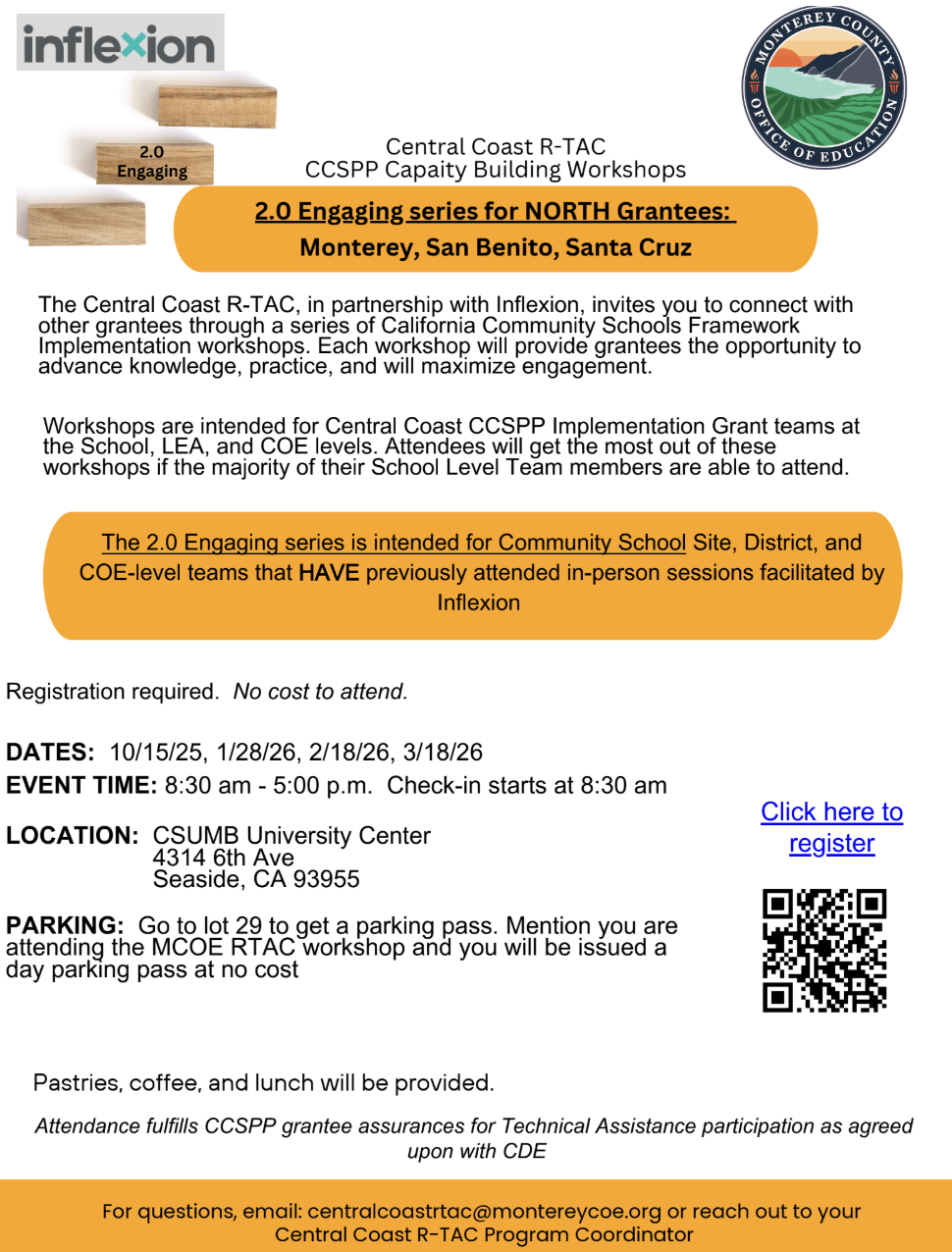
Inflexion 1.0 NORTH 25-26
(In-person) Attending EITHER the 1.0 OR 2.0 series of workshops fulfills CCSPP assurances for Technical Assistance participation as agreed upon with CDE.
| | |
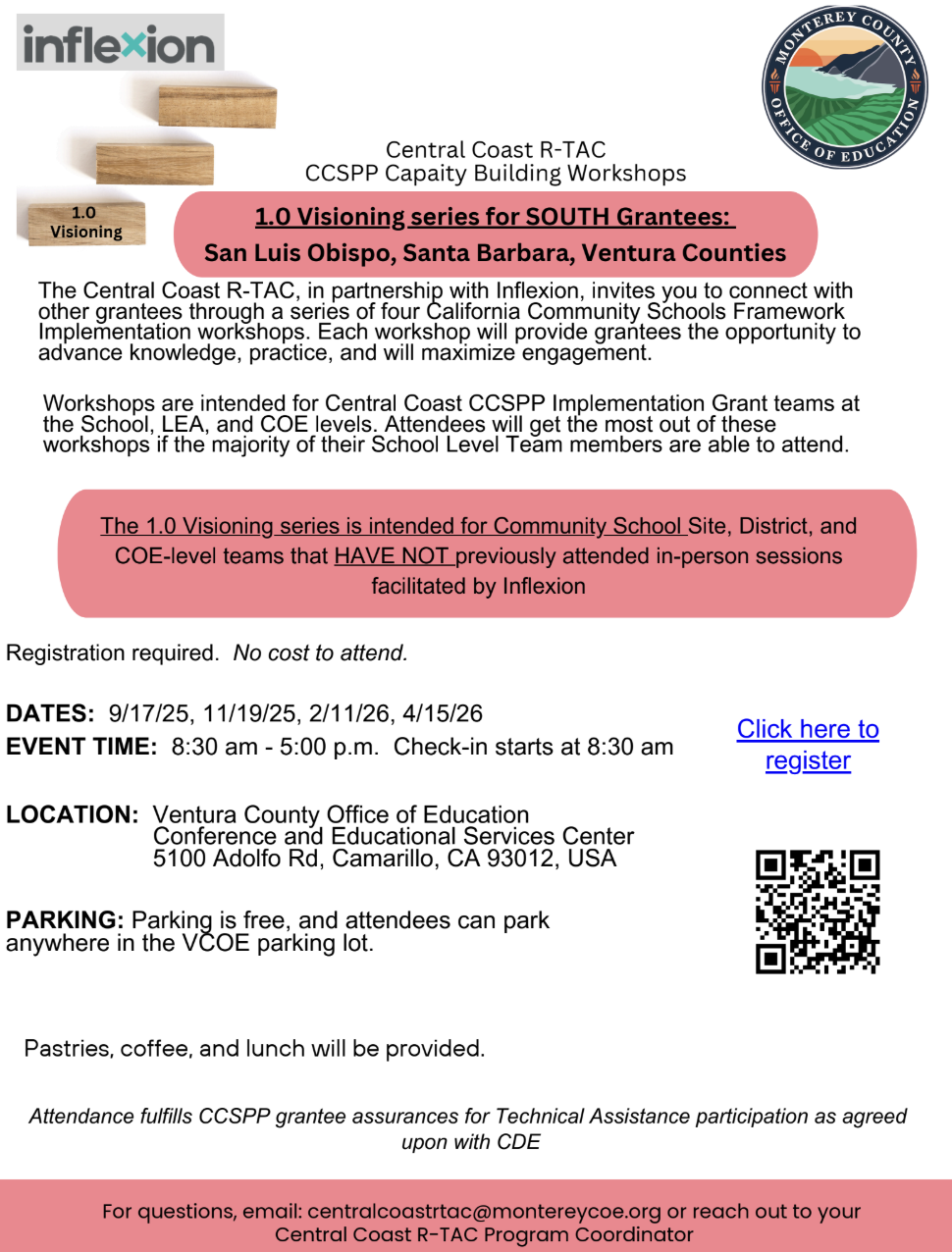
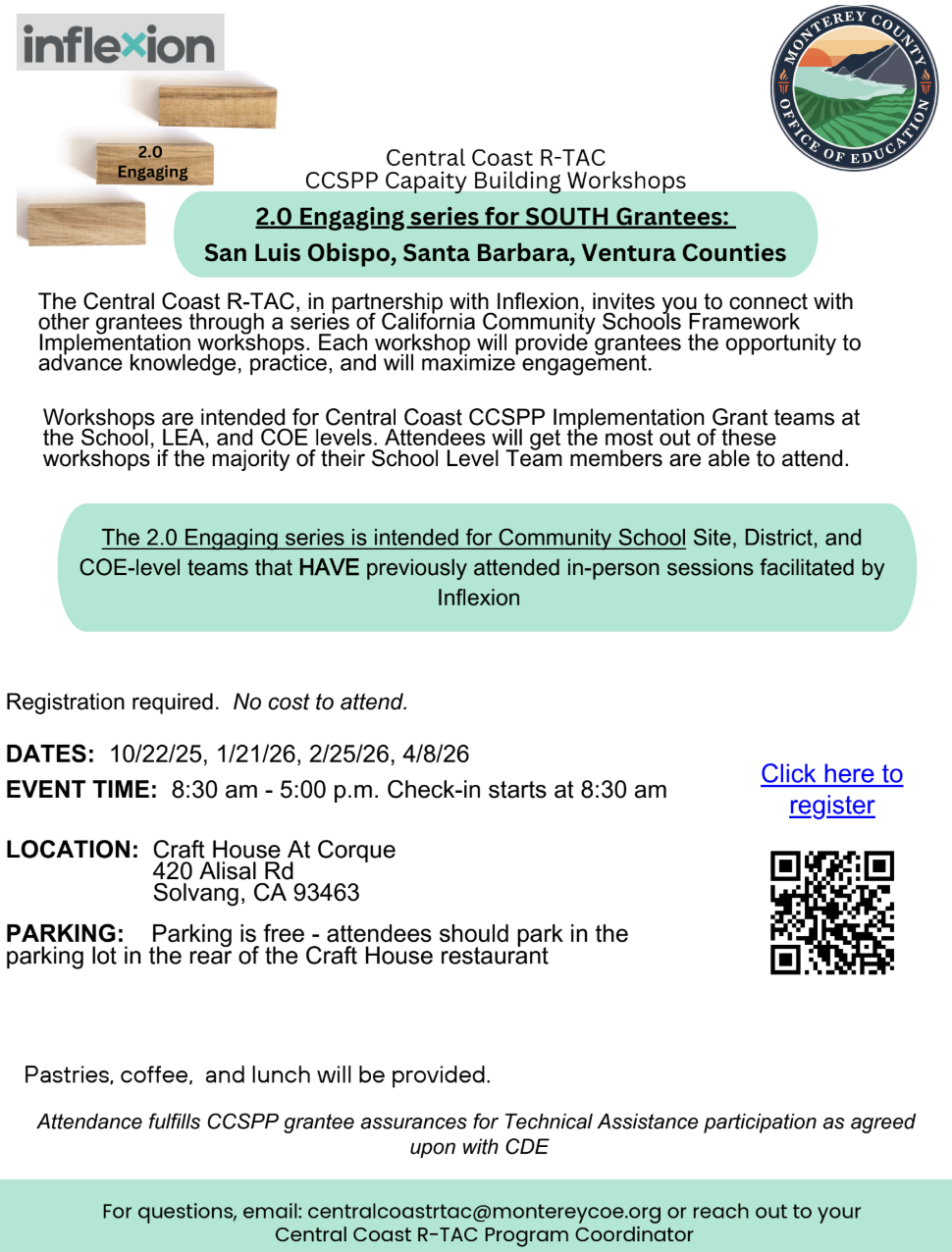
Inflexion 1.0 SOUTH 25-26
(In-person) Attending EITHER the 1.0 OR 2.0 series of workshops fulfills CCSPP assurances for Technical Assistance participation as agreed upon with CDE.
| | |
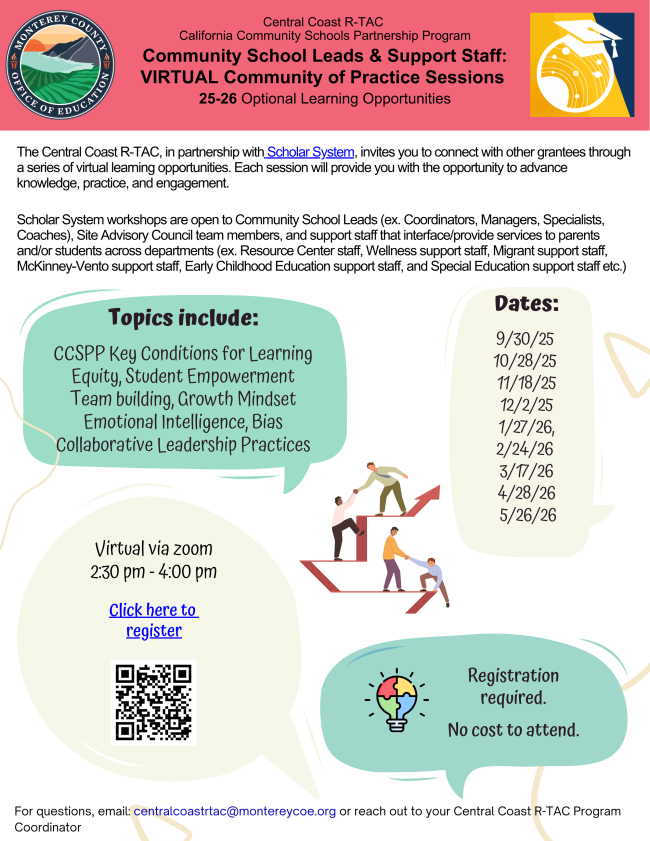
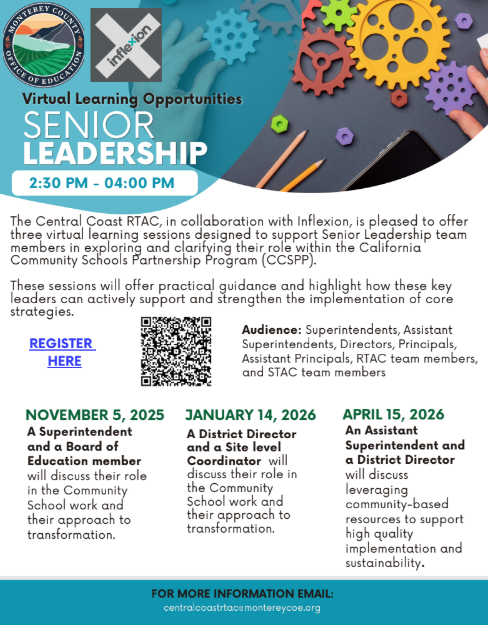
Scholar System 25-26
((Virtual/Optional-Highly recommended)
| | |
Inflexion 2.0 NORTH 25-26
(In-person) Attending EITHER the 1.0 OR 2.0 series of workshops fulfills CCSPP assurances for Technical Assistance participation as agreed upon with CDE.
| | |
Inflexion 2.0 SOUTH 25-26
(In-person) Attending EITHER the 1.0 OR 2.0 series of workshops fulfills CCSPP assurances for Technical Assistance participation as agreed upon with CDE.
| | | |
State Technical Assistance Center team (STAC)
Updates
| | |
CDE - California Department of Education (CDE) State Superintendent Tony Thurmond celebrated the release of a new study highlighting the positive impact of California’s Community School Initiative. The study demonstrates that schools implementing the initiative are seeing measurable improvements in student attendance, stronger school culture, and enhanced engagement among students, families, and staff. Superintendent Thurmond emphasized that these results reflect the power of community schools to provide holistic support, foster equity, and create safe, inclusive learning environments where every student can thrive. The findings underscore the importance of continued investment in and expansion of the Community School Initiative across the state. The brief released by the Learning Policy Institute (LPI) can be found here: “Community Schools Impact on Student Outcomes: Evidence From California.”
STAC - Save the Date (applies to the 26/27 School year) - September 10-11, 2026 in Ontario, CA. The Community Schools EMPOWER Summit, hosted by the STAC team, will take place over two days in September. This statewide gathering brings together a diverse ecosystem of stakeholders—CCSPP grantees, RTACs, educators, students, families, and community partners—united by a shared commitment to advancing the community schools movement. The Summit is designed to reimagine and strengthen community schools by showcasing how collective efforts can support the whole child through collaboration, aligned resources, shared leadership, and innovation. More than a showcase, the Summit serves as a space for sharing lessons learned, engaging in collaborative learning, and identifying strategies to scale and sustain effective practices across California. Additional details and registration information will be shared in early 2026.
| | |
Learning Opportunities
Student and Community Voice AI Summit. Explore AI through the lens of the 4 pillars. The guiding vision for the 2026 Student and Community Voice AI Summit is that humans are irreplaceable in schools and communities. AI has a place, but it must be used wisely and purposefully. Only then can it help amplify human talent and capacity and strengthen our communities. This Summit will focus on what’s really happening on the ground in schools and communities. We will also explore questions about how AI is impacting our society and workforce today, as well as how schools can develop students’ durable skills to succeed in the Age of AI.
Agenda at a glance
Anaheim, Ca. March 19 is the PreSummit. Summit is March 20-21, 2026
For more information and the cost to attend this event, click here
Interested in presenting at this Summit? Call for presenters - Due December 1st.
Click here for more details
Ontario Montclair School District (PK-8). Community School Tours. This San Bernardino County grantee is hosting site tours that highlight best practices in their work with the community school strategy. There is a registration fee to attend.
For more information:
Check out their flyer.
Informational video (3 min).
Anaheim Union High School District (7th-12th grade). This Orange County grantee is hosting site tours that highlight best practices in their work with the community schools strategy. AUHSD has built a new educational model incorporating “reverse-engineered” career pathways in partnership with higher education, private, and non-profit sectors, which have extended and transformed educational opportunities for all students.
There is a registration fee to attend.
For more information:
Click here
AUHSD Community Schools (video, 5 min)
Sacramento COE and CDE - The California Community Schools Partnership Program (CCSPP) California Department of Education (CDE) team and the State Transformational Assistance Center (S-TAC) will host a series of six virtual webinars during the 2025-26 academic year focused on coherence to support the long-term sustainability of the CCSPP. These webinars will be open to all, and the registration information is included in the flyer. We hope you can join us!
National Education Association (NEA) - The NEA organization is offering CCSPP grantee teams the opportunity to participate in their benchmark academy series. The goal of the academies is to build the capacity of LEA and School site teams new to implementation. Participation in these academies is entirely optional and may be particularly beneficial if you’ve identified gaps in implementation support that they could help address. There are three benchmark academies that focus on A.) Evidence-Based Practices, Mapping and Deep Engagement B.) Determining Priorities and Developing Transformational Systems C.) Problem-Solving Cycles for Transformation. NEA academies bring site-level CCSPP teams together that include educators (including classified staff), community school coordinators, administrators, family and community members, and others. Academy participation requires a school Principal's commitment. If a CCSPP school is interested in more information about the academy series, please have a district representative contact centralcoastrtac@montereycoe.org
| | |
State Technical Assistance Center team (STAC)
Members
| | |
CDE - The California Community Schools Partnership Program (CCSPP) California Department of Education (CDE) team supports the community school, “whole-child” school improvement strategy, where the district and school work closely with teachers, students, families, and partners.
To subscribe to the CCSPP-Info listserv, send a "blank" message to: join-CCSPP-Info@mlist.cde.ca.gov
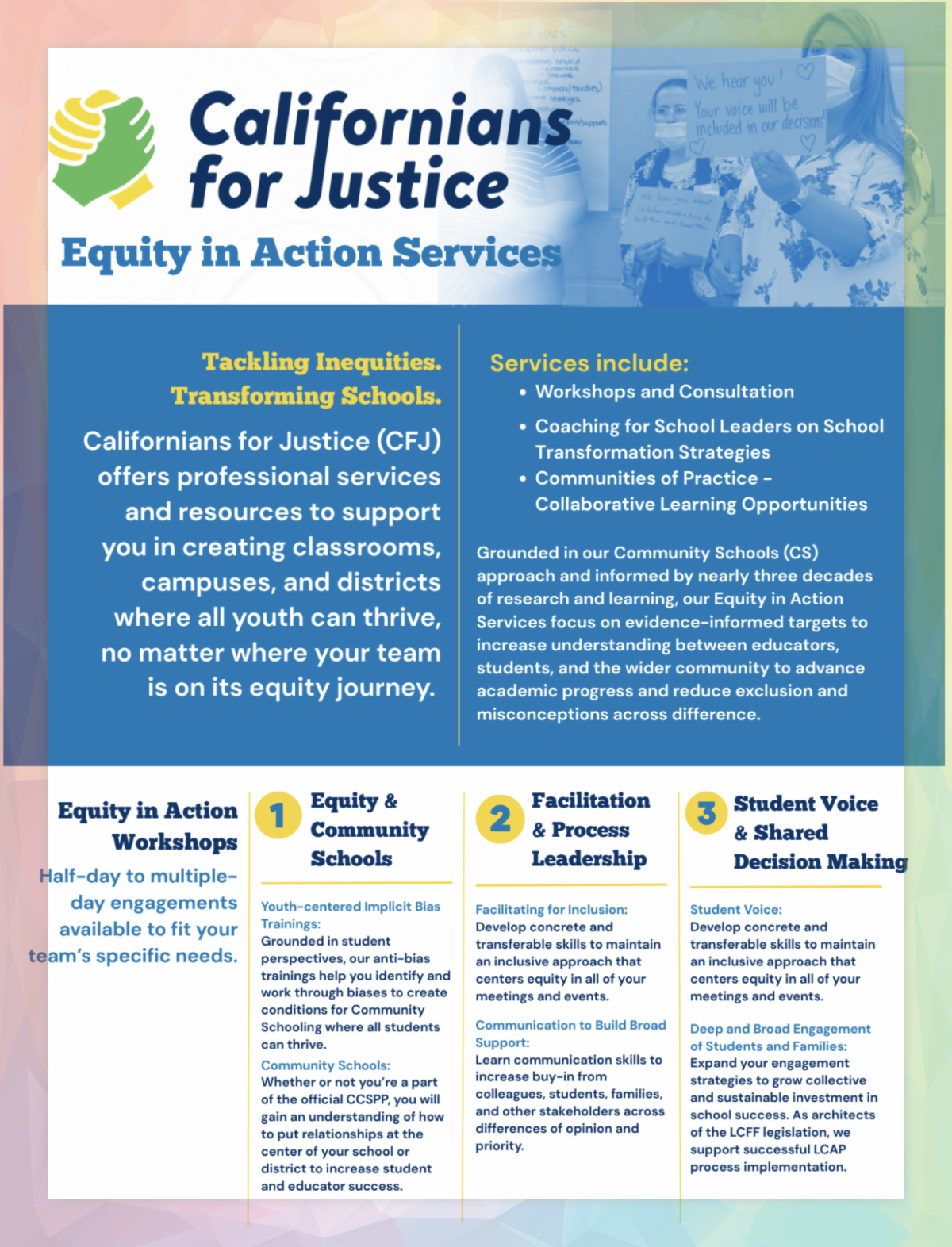
The Sacramento County Office of Education (SCOE) is the County representative on the State Transformational Assistance Center (STAC) team for the California Community Schools Partnership Program (CCSPP). This means SCOE, in partnership with Californians for Justice, the National Education Association, and the UCLA Center for Community Schooling, works closely with the California Department of Education to build content and an overarching methodology for CCSPP technical assistance.
Focus:
- Implementation rubric development
- Community of practice facilitation
- Coherence and sustainability
- Coach and advise regional technical assistance center teams (RTACs)
| | | | |
Californians for Justice.
The mailing list option is at the bottom of their website.
Focus:
- Student Engagement
- Relationship Centered Schools
- Equity
- PDF
| | |
National Education Association
The mailing list option is at the bottom of their website.
Focus:
- Professional Learning
- Leadership Development
- Just and Equitable Schools
- PDF
| | |
UCLA Center for Community Schooling.
The mailing list option is at the bottom of their website.
Focus:
- University Assisted Community Schools
- Research and Data
- Equity
- PDF
| | |
Monterey County Office of Education
901 Blanco Cir, Salinas, CA 93901
Central Coast RTAC | Website
Sign up for the RTAC newsletter, link here
email: centralcoastrtac@montereycoe.org
| | | | |