Office of Presiding Bishop


January Journeys


January, 2026


Dear Beloved,


May the grace and peace of our Holy Trinity be welcomed into your lives!


I know that some of you are dealing with snow and ice and others with freezing temperatures and ICE. 


It was so good seeing so many of you on the Zoom meeting Tuesday evening, January 27. We met to listen, learn and support Charis ECC as they shared their stories dealing with the presence of ICE in the metro area of Minneapolis. I am inspired by all those around the country in our ECC communities who are living out our gospel values by assisting those refugees and immigrants who are being vilified, harassed and abducted. 


Having just returned from the Romero House pilgrimage to Guatemala and El Salvador, I am reminded once again that so many from these two countries (and more) have left their homes, families and dear friends (perhaps never to be seen in person again) so as to escape persecution and grinding poverty. When I put myself in their shoes, I can easily imagine making the same painful and hopeful choices to travel to El Norte (the north).


All the while, the Spirit continues to move in our midst, even with the painful things we are hearing on the news and even experiencing directly in our lives and in our cities. We cannot let the sad and distressing news overshadow all the good that is happening in our communities around us.


Our Newsletter will be highlighting some of these experiences of the Spirit moving in our midst in the Ecumenical Catholic Communion.


May our hearts and minds continue to be guided and led by the Holy Spirit in the days that lie before us. Let us travel together and continue to encourage one another in our journey.


Paz y amor


Bishop Paul "Pablo" Burson, M.Div., L.P.C.

Presiding Bishop, ECC

BishopPaul@ecumenicalcatholics.net


Cameroon


We are excited to announce

the first ECC Clergy Ordination in Africa!


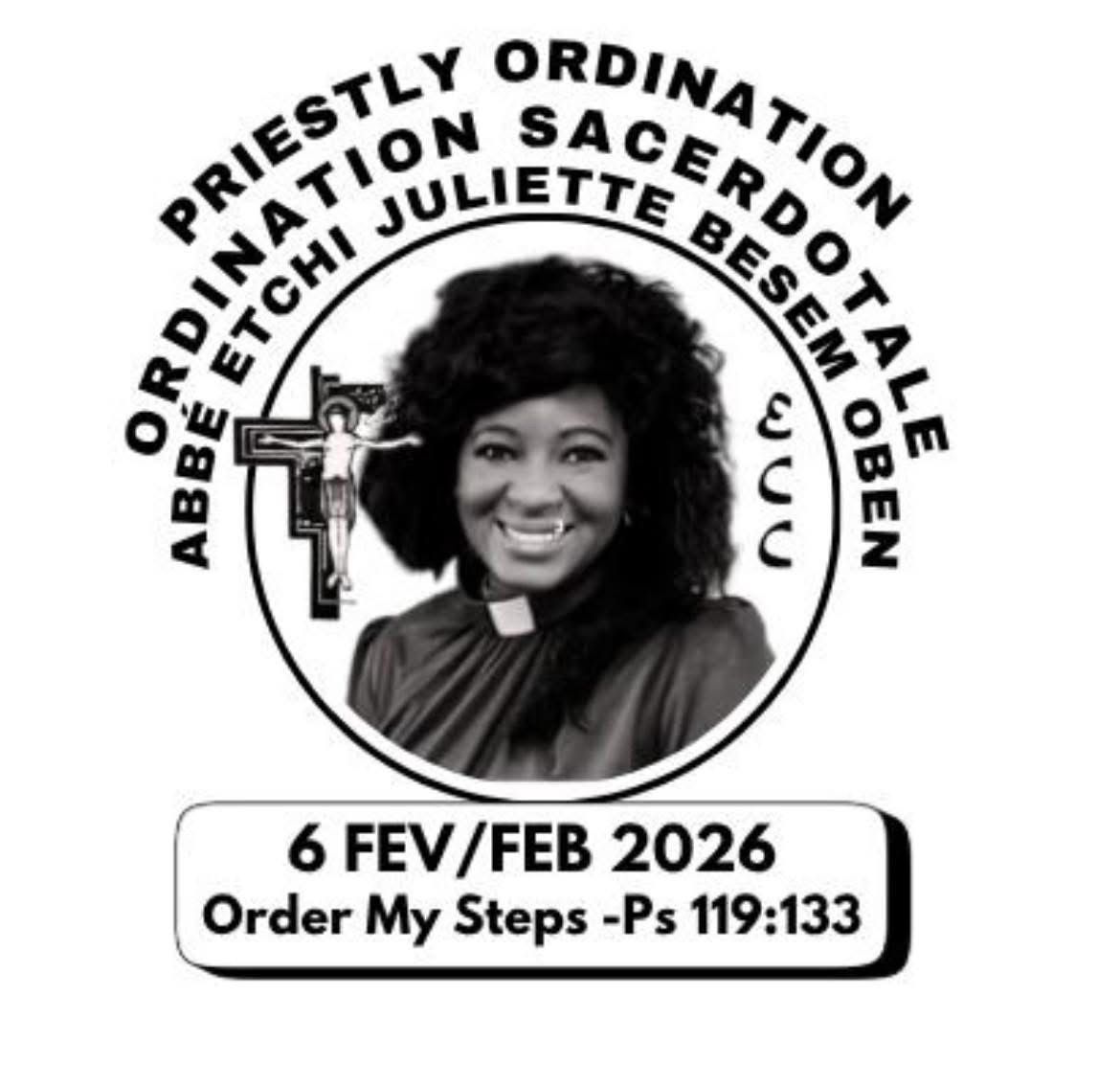
Bishop Pablo and Charis ECC members Tom Klein, Pete and Rev. Trish Vanni are traveling to Cameroon for the ordination of Deacon Etchi Juliette Besem Oben (Deacon Bes) to the priesthood.


She will be ordained at Our Lady Advocate of Africa Community in Cameroon, the mission parish of Charis ECC, Eden Prairie, Minnesota.


Please join us in heart and prayer for this joyous celebration on February 6, 2026.

If a Zoom connection is possible, the link will be sent out in an email.


Minnesota


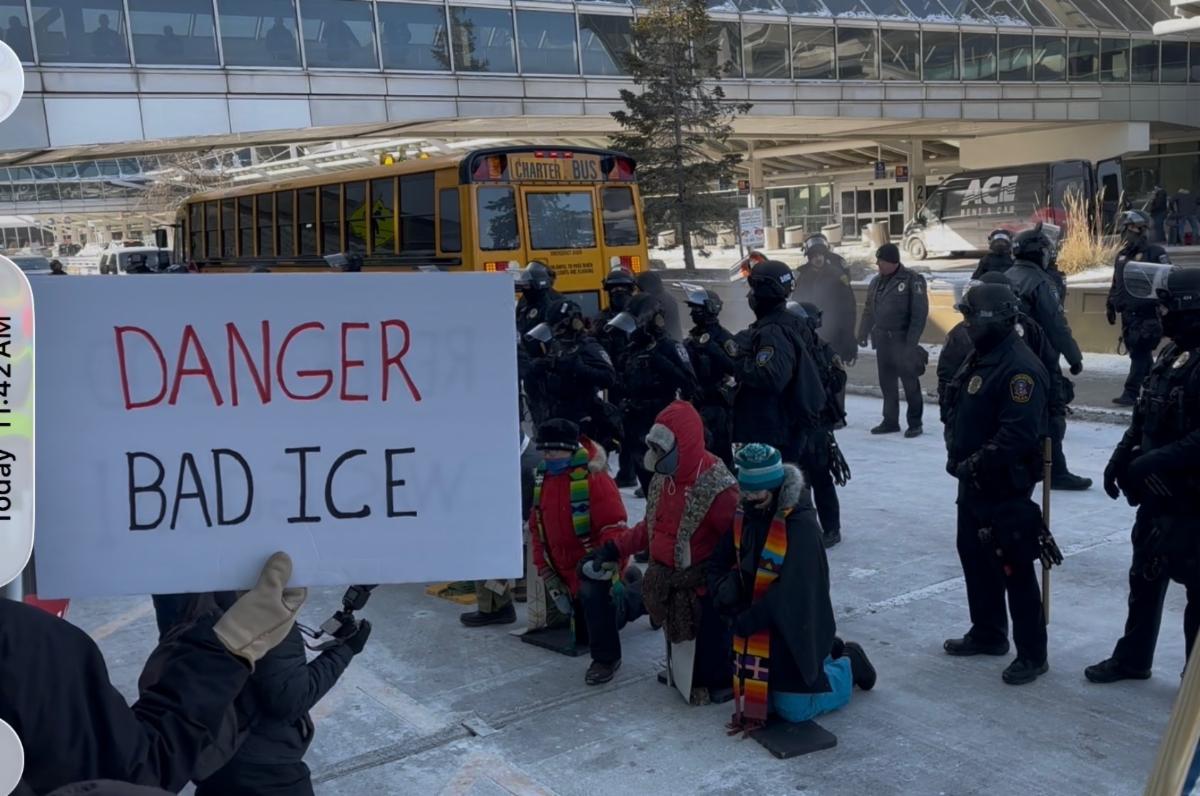
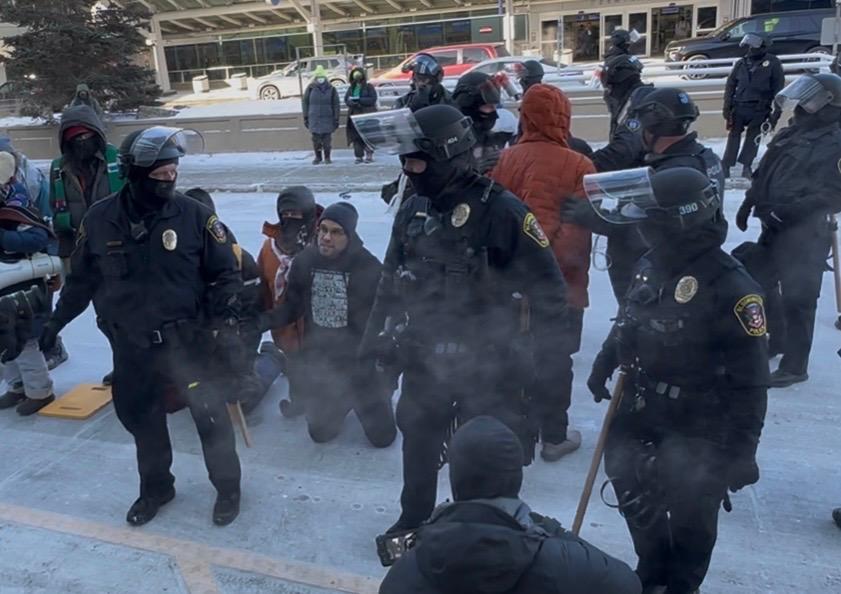
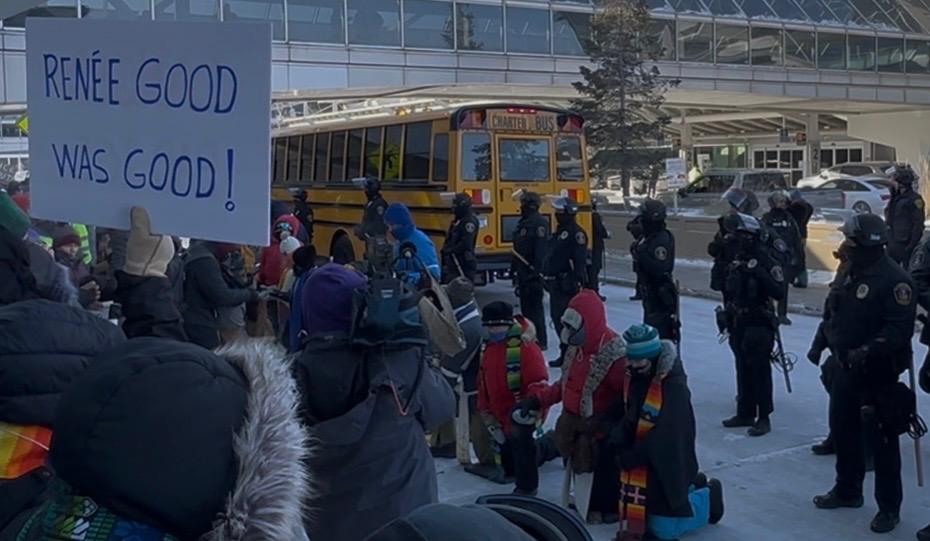
Faith Leaders from Minneapolis and around the nation gathered at the Minneapolis-St Paul Airport on Friday, January 23, 2026 urging the airline companies to consider ending their cooperation with the US Immigration and Customs Enforcement operations in order to help stop the surge of immigration enforcement in the area.


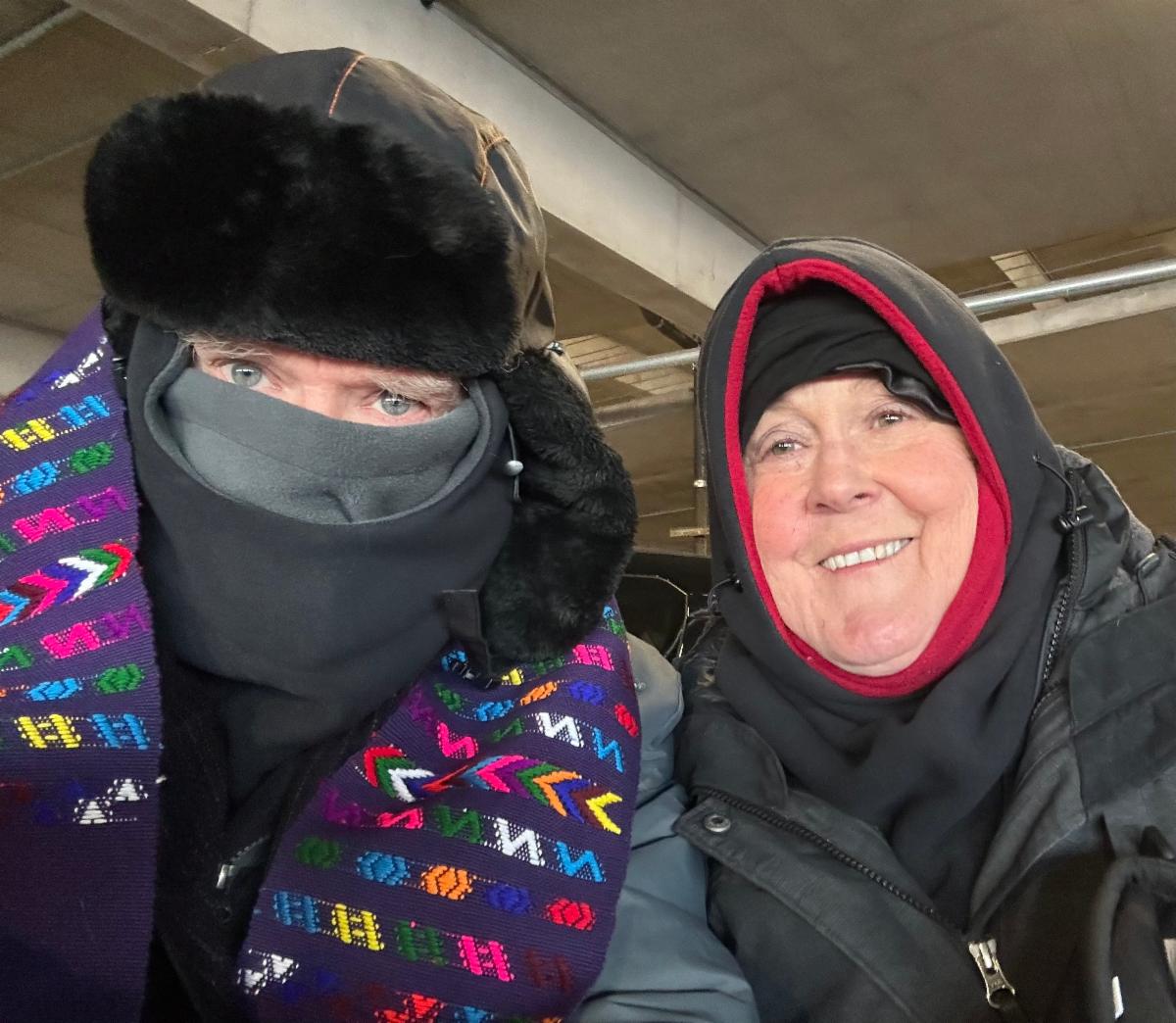
The temperature was near 20 degrees below zero but this did not discourage the clergy and supporters from gathering to pray and to speak out against the ICE operations in their city.


100 local Clergy volunteered to make a statement of resistance and were apprehended by the police in an action to draw attention to the seriousness of the malicious actions taking place in Minnesota.


Bishop Pablo and Rev. Trish Vanni were present at the Airport gathering, seeking to avoid frostbite in the midst of the demonstration.


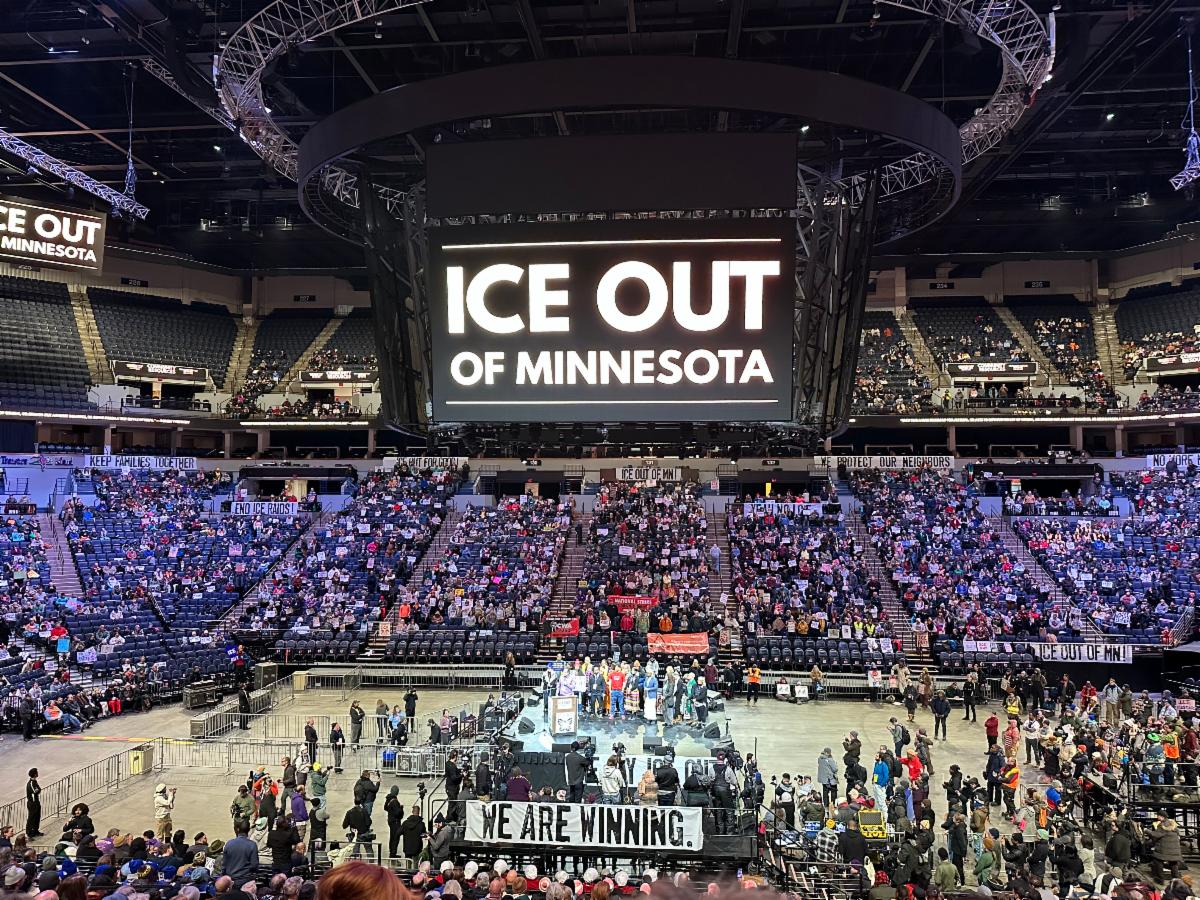
50,000 people were part of a march in the sub-zero temperatures on Friday, January 23, 2026 that ended at a rally in the Target Center Arena in Minneapolis.


The city has been reeling from violent actions directed toward immigrants and refugees and their supporters which brought about the killing of Renee Good and Alex Pretti. 


The moral outrage is felt deeply by the residents of Minneapolis-St. Paul/Twin Cities metropolitan area as well as people of goodwill throughout our country and the world.


Guatemala and El Salvador

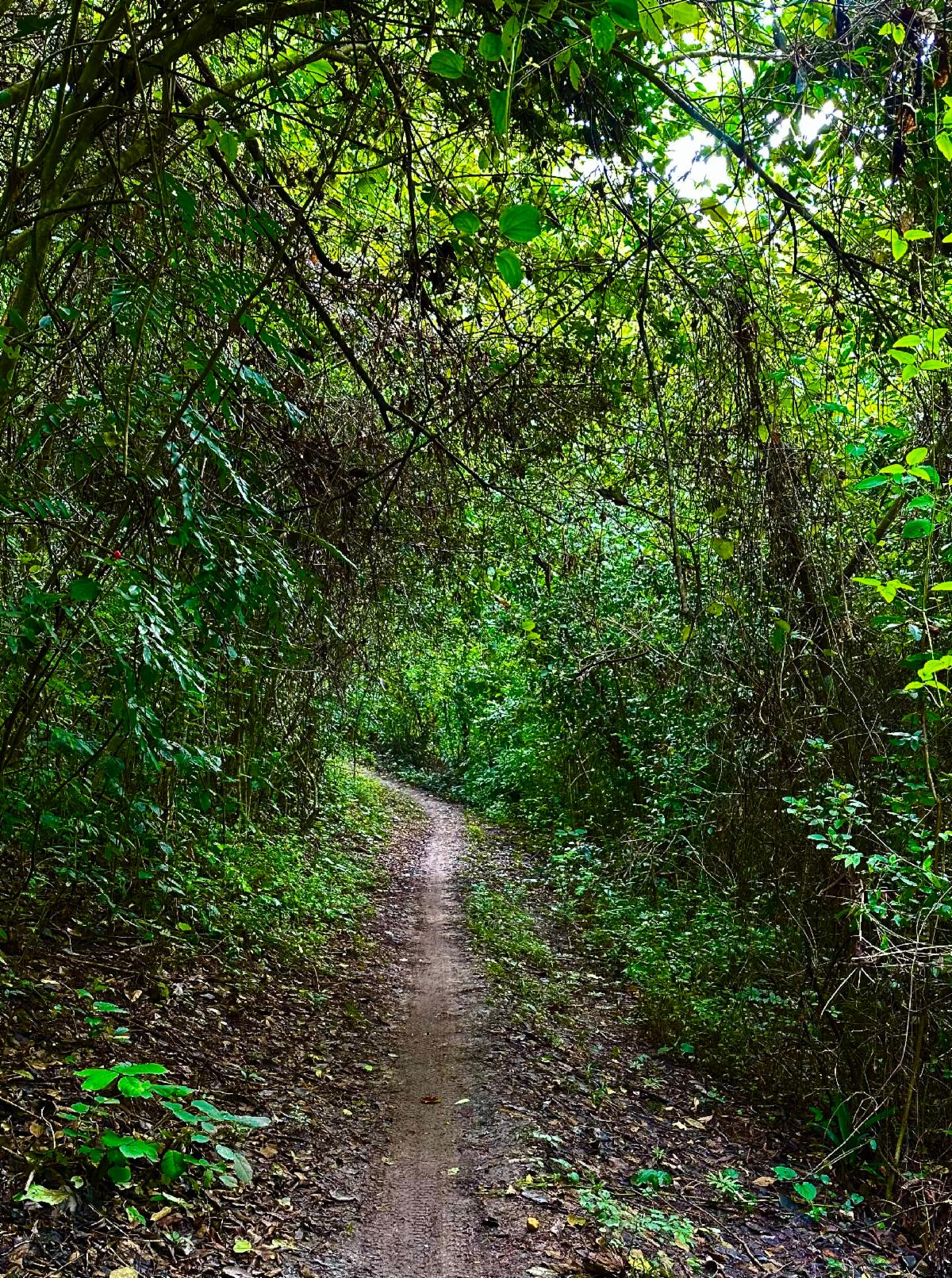
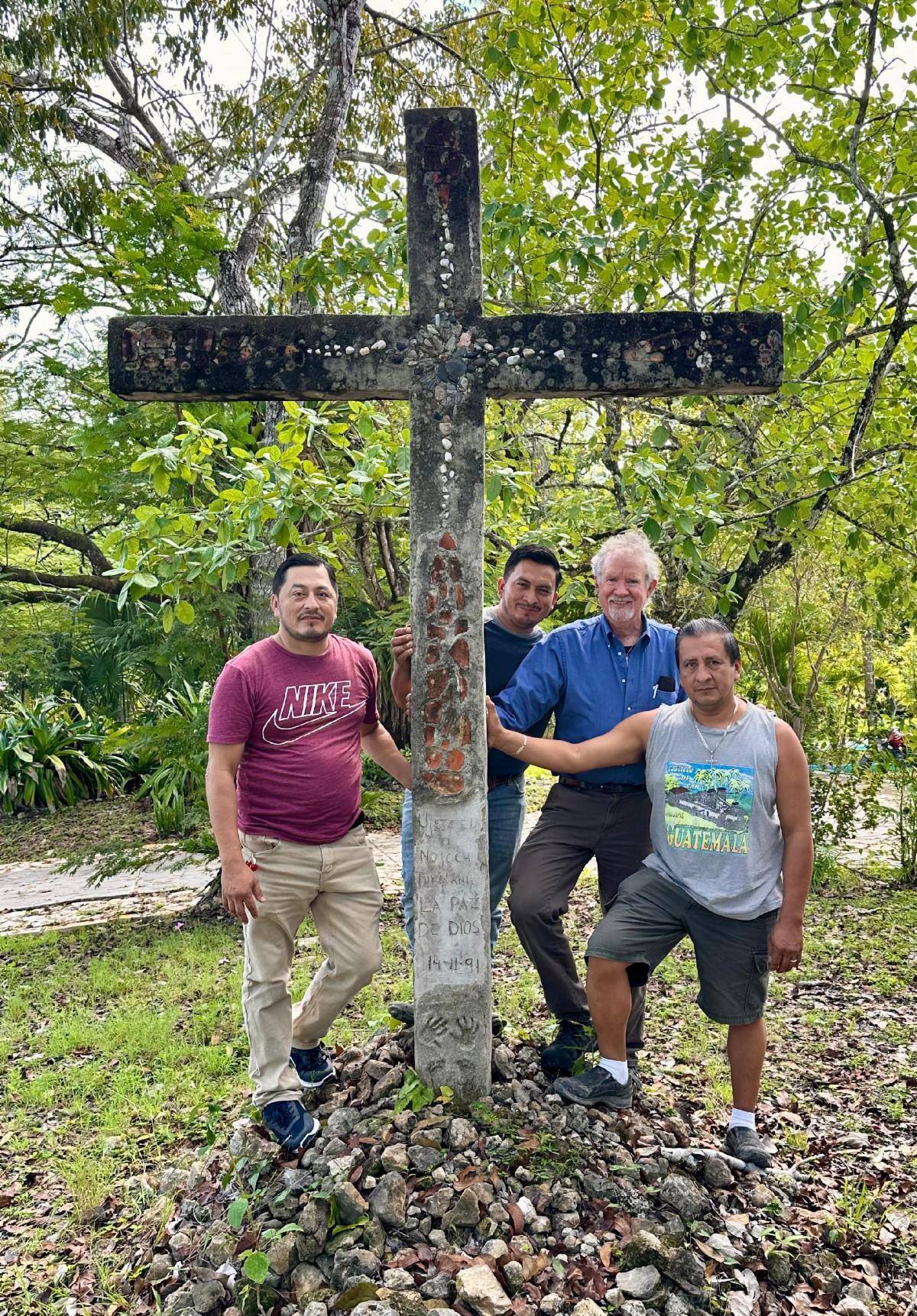
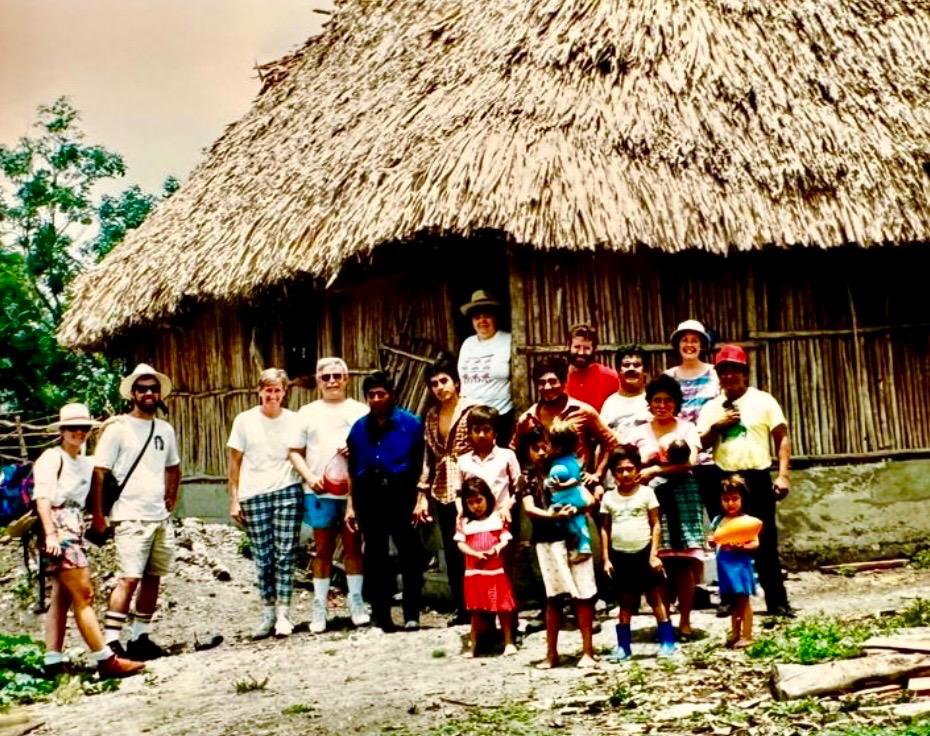
The first of this month, I was privileged to travel a long and winding journey through Guatemala and El Salvador with my Romero House Students from Regis University.


I was able to introduce my Romero House Pilgrims to many of my long-time friends.


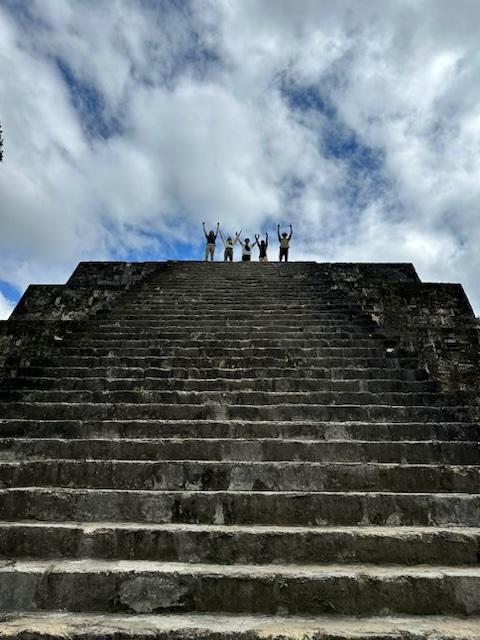
They had wonderful home stays in Petén and also traveled to the national Park of Tikal.

This Mayan city one of the largest cities and archaeological sites of the pre-Columbia Mayan civilization in Mesoamerica.  It is located in the Petén Basin region of northern Guatemala and dates from the 8th Century. 


Time was spent exploring and studying the ruins, and learning more about the pre-Columbia history, the resistance that native peoples have given in the face of Spanish Colonialism as well as Neo Colonialism and how this history formed the story of the people in this area today.


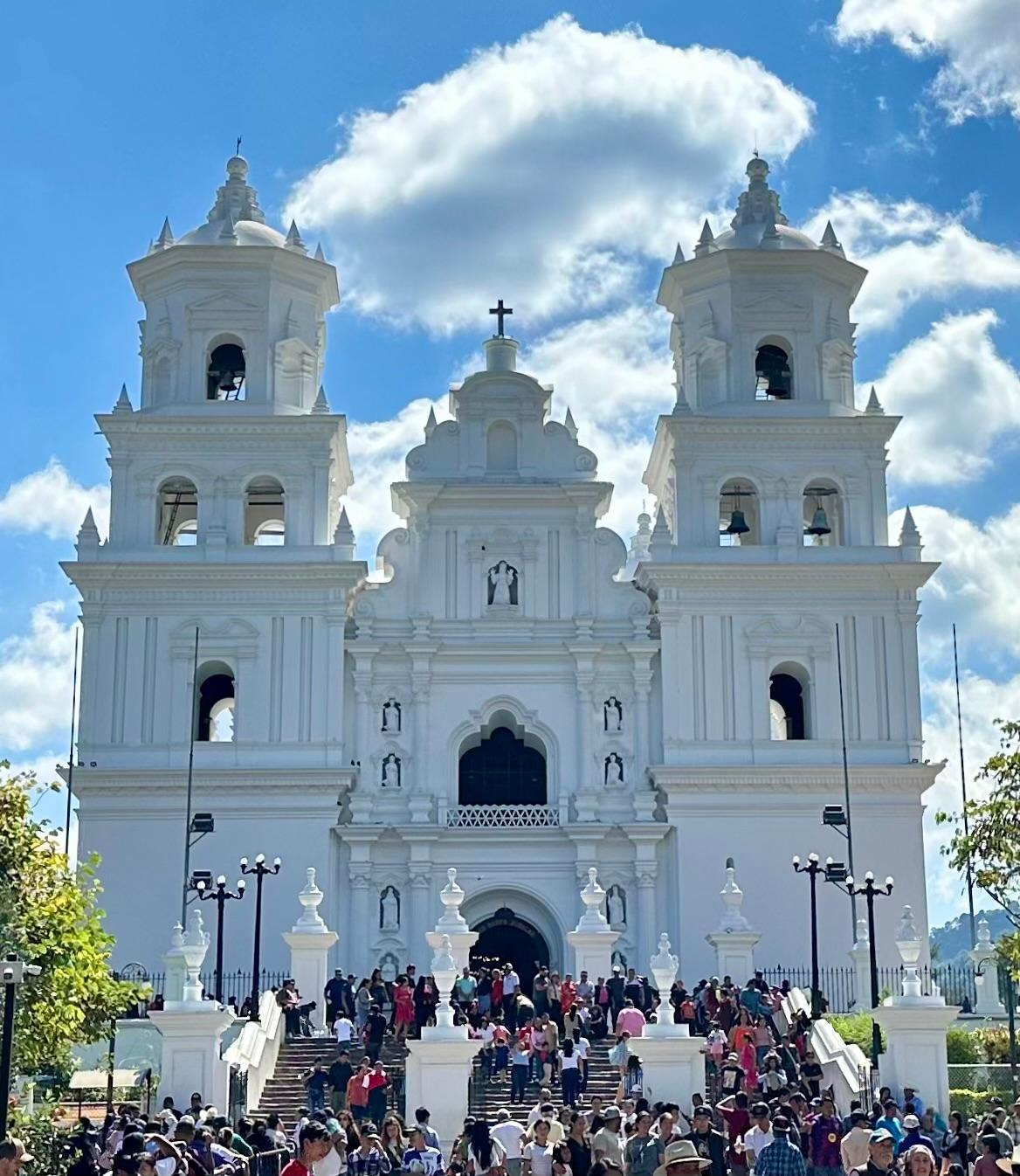
The Romero House Pilgrims also visited the Cathedral Basilica of Esquipulas which houses the Cristo Negro de Esquipulas - The Black Christ of Esquipulas


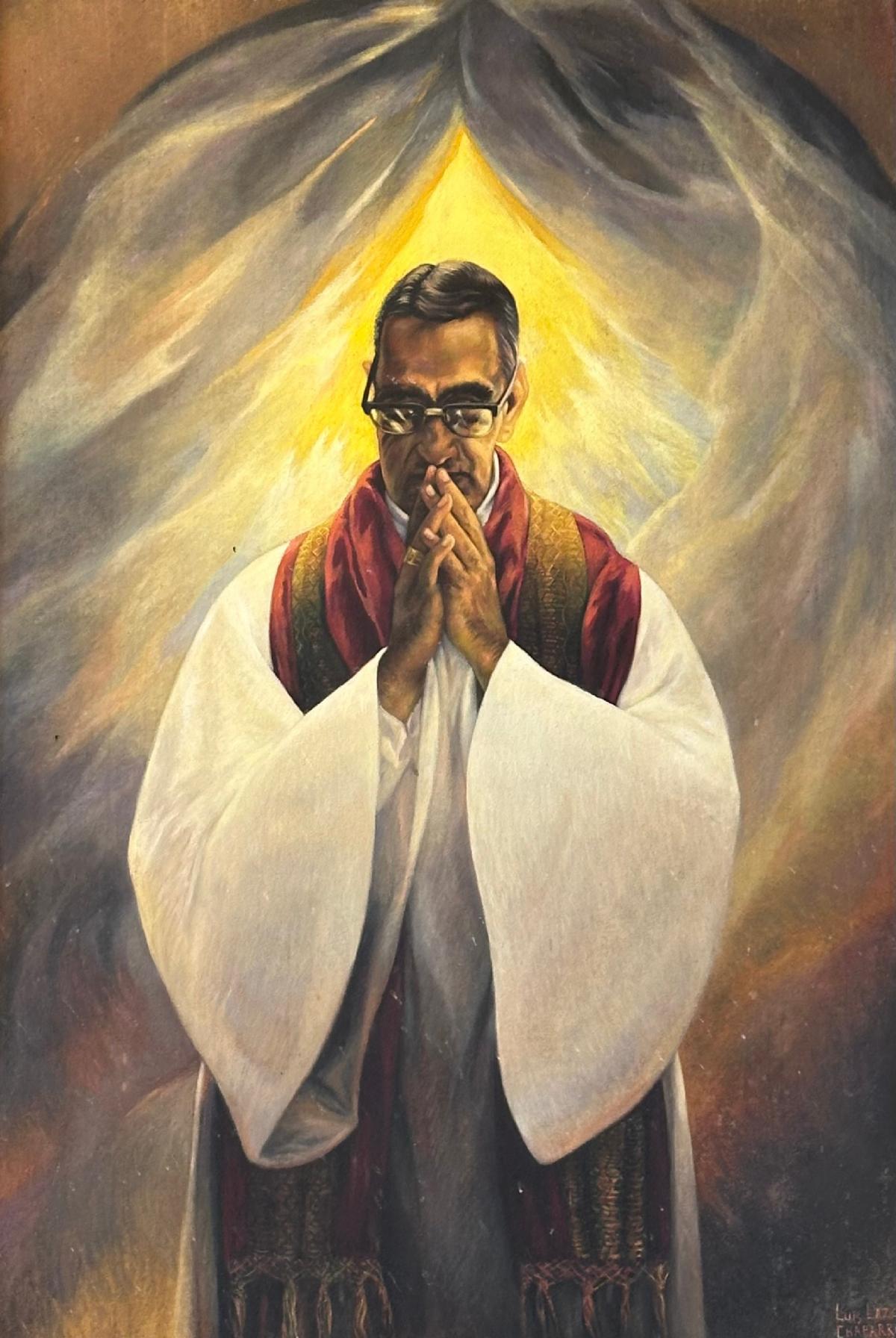
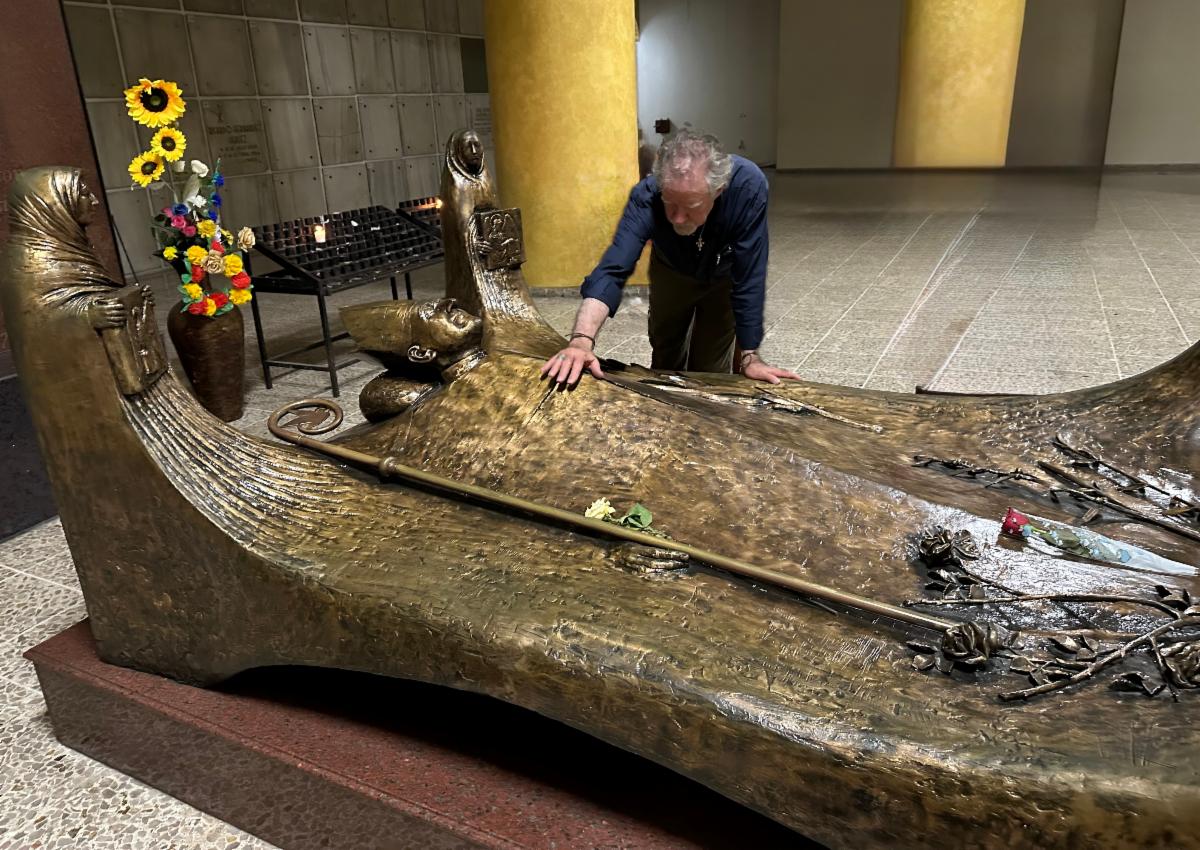
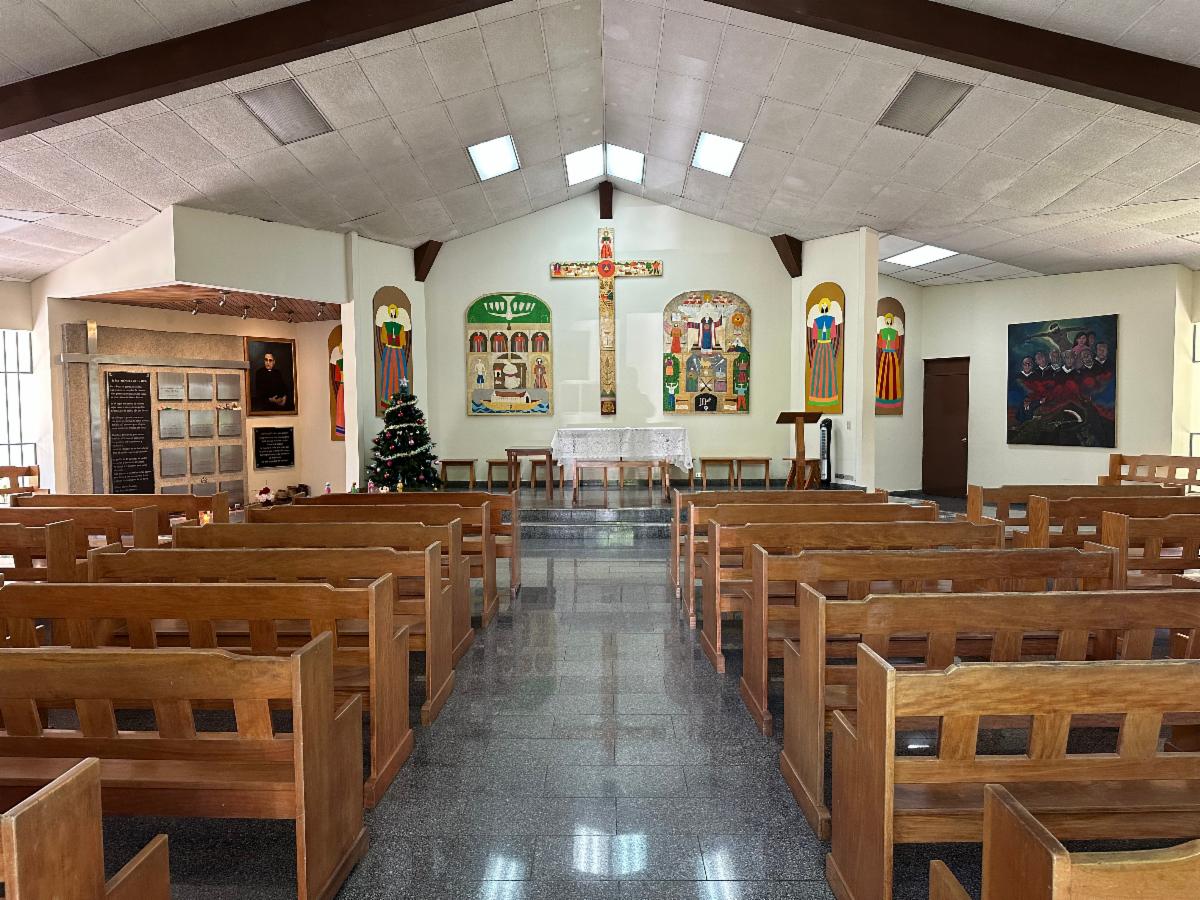
Time was spent at the Tomb of St. Óscar Romero in the Catedral Metropolitana de San SalvadorHis tomb is covered by a bronze sculpture, made by Italian artist Paolo Borghi. The sculpture depicts St. Romero as if he were sleeping while guarded by the four evangelists, with a red jewel representing his heart.

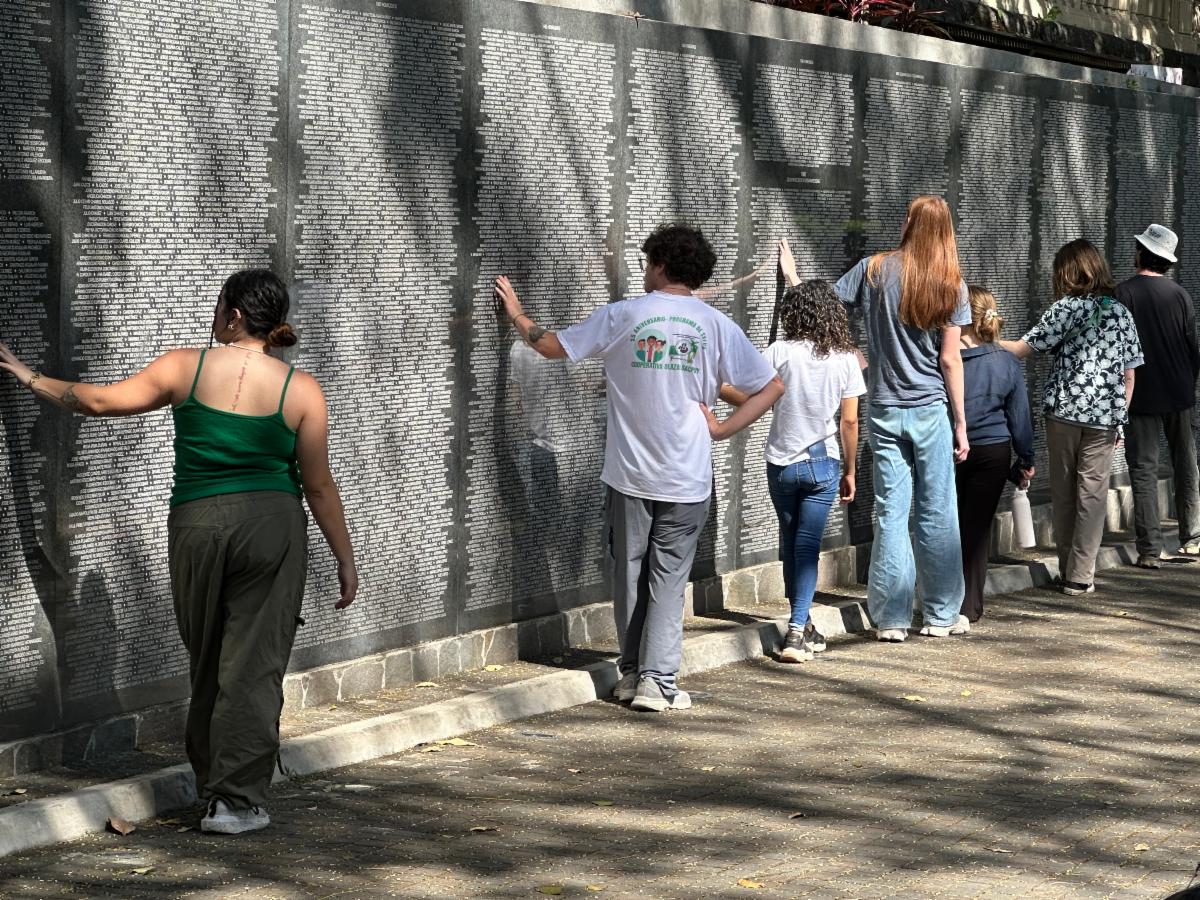
The Pilgrims spent time in prayer and reflection as they walked along the Monument to Memory and Truth in San Salvador, El Salvador.  This is a memorial wall that lists over 25,000 names of people who were murdered or disappeared during the El Salvador Civil War 1979-1992.  


The wall is located in Parque Cuscatlan, the central park of San Salvador.  It serves as a reminder of the unjust deaths of tens of thousands of people and helps preserve a history and prevent the repetition of past wrongs.


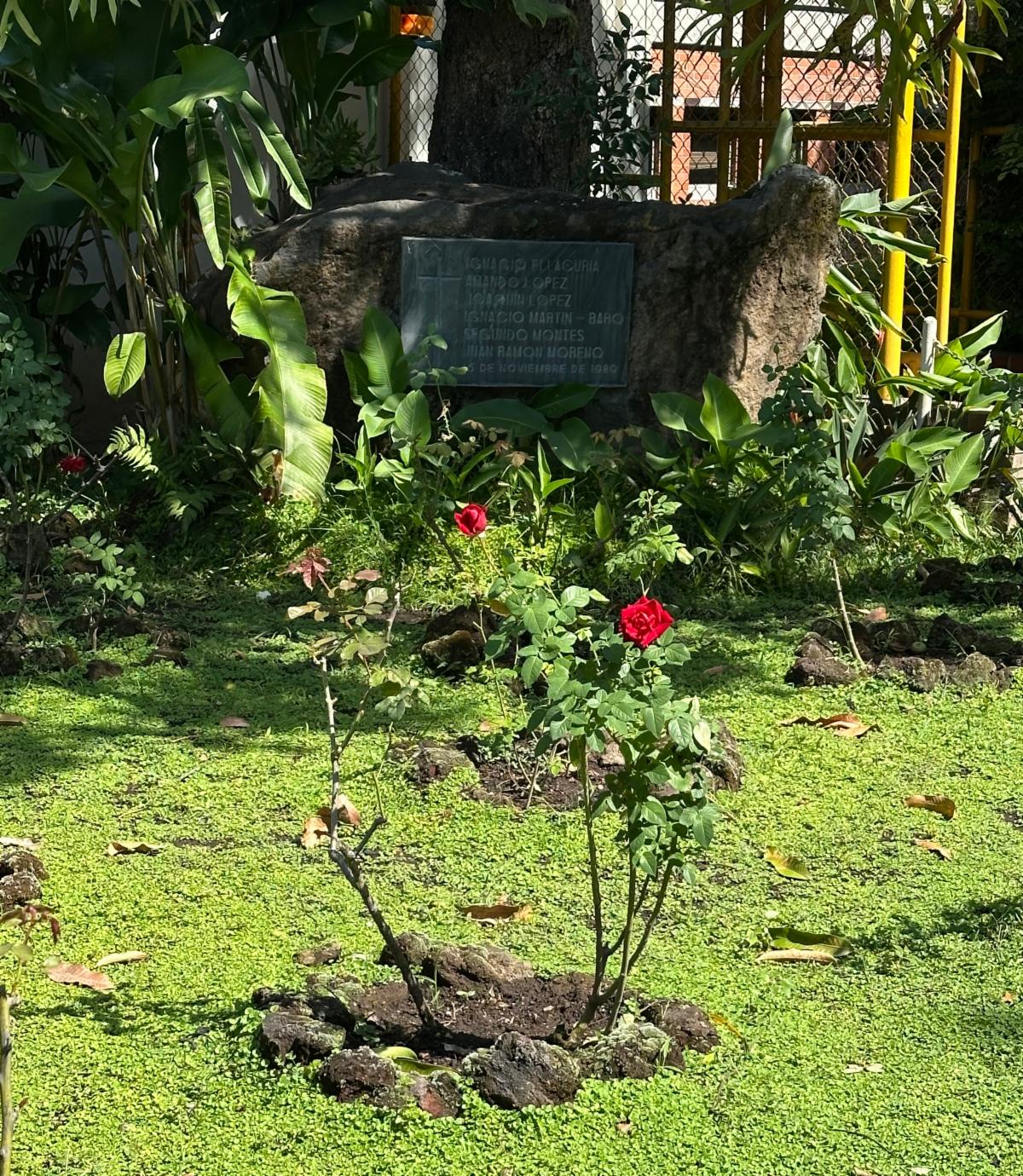
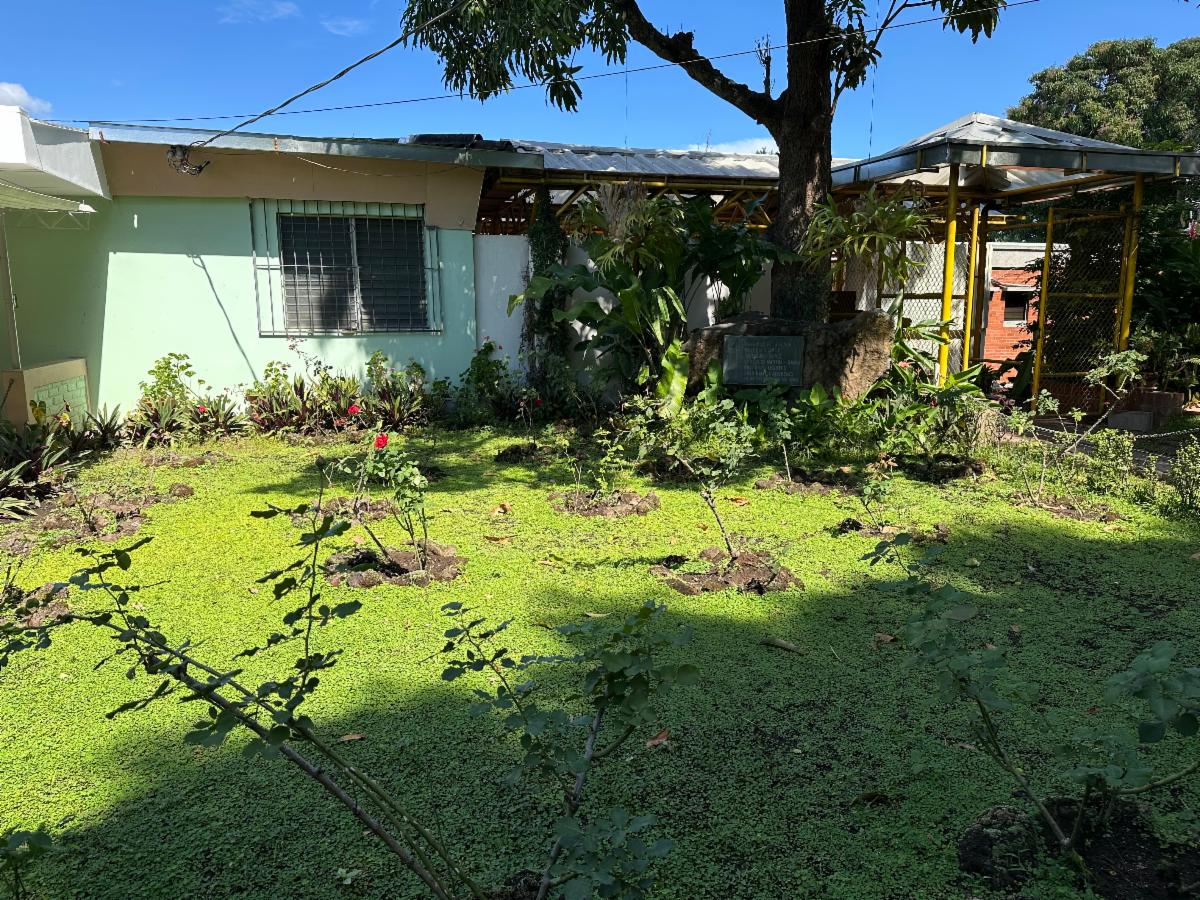
We also visited the sites connected to the murders of the Jesuit Martyrs of the Central American University and their housekeeper and daughter.


While we were on our pilgrimage, we heard the troubling story of the United States involvement in Venezuela. We were reminded of the long history of the United States' direct and indirect violent involvement with our southern neighbors.


US-Backed Right-Wing

MILITARY COUPS

in Latin America


Cuba, 1952

Guatemala, 1954

Paraguay, 1954

Haiti, 1959, 2004

Peru, 1962, 1975

Brazil, 1964

Dominican Republic, 1965

Chile, 1973

Uruguay, 1973

El Salvador, 1980

Nicaragua, 1980s

Bolivia, 1980s

Panama, 1989

Venezuela, 2002

Honduras, 2009


I hope the day will come when some of you can join us on this Holy and Blessed Pilgrimage!


It is so inspiring to hear the prophetic voices

in our own communion!


Below you will find beautiful, outstanding reflections given by two leaders of the

Mary Magdalene Church in Rochester, New York.


New York


Dear Friends,


I have struggled to find the right words to address you this month and I ask that you receive them in the spirit in which they are offered – with sorrow and humility, yes, but also with hope rooted in faith.


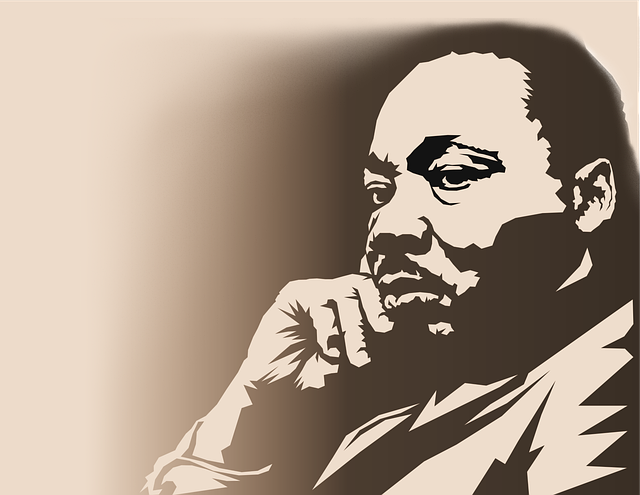
Each January, our nation pauses to honor the life and witness of Dr. Martin Luther King, Jr. His legacy is not meant to be safely remembered and then set aside; it demands vigilance. In recent months, we have witnessed the quiet erasure of stories, language, and symbols that honor Black history and name injustice. These moments invite us – indeed, compel us – to ask what kind of remembering, and what kind of forgetting, is shaping our hearts, our communities and our faith.


Why do I raise such matters in a church bulletin?


Because we, you and I, are disciples of Jesus Christ!


The Gospel does not allow us to separate faith from the realities of power, justice, and human dignity. To do so would be to empty the Gospel of its transformative power. Jesus was neither partisan nor violent, but he was unmistakably prophetic. He named oppression when he encountered it, and he proclaimed God’s vision of liberation and hope when others remained silent. At the outset of his ministry, Jesus declared, quoting the prophet Isaiah:


“The spirit of the Lord is upon me….

To bring good news to the poor….

To let the oppressed go free”

(Lk. 4:18-19).


We must also remember that Jesus’ death was profoundly political. Rome did not crucify people for private beliefs or theological debates. Crucifixion was reserved for those who threatened the established order, those who dared to imagine a different way of living together. Jesus’s execution reveals the sobering reminder of the cost of truth, justice and love in a world shaped by fear and domination.


It is precisely at this crossroads of faith and justice that Dr. King’s vision of the Beloved Community speaks to us with renewed urgency. For Dr. King, the Beloved Community was not a sentimental dream or distant ideal. It was a concrete, moral vision rooted in the Gospel – a society where racism, poverty, and violence are confronted, and where justice and reconciliation are inseparable. It is a vision that asks each one of us not simply what do we believe, but how do we live.


So, the question before us is not whether we admire Dr. King’s words but whether we are willing to let his words examine us.


What voices are we listening to –

and which ones are being silenced?


Where have we grown comfortable with injustice

because it does not disturb our own lives?


And how is God calling us

– right here and now –

to bear witness to a more just and compassionate world?


The Beloved Community does not emerge on its own. It is built through prayer, repentance, courageous conversation, and faithful action.


As followers of Jesus, we are called to resist forgetting, to tell the truth about our history and to stand in solidarity with those whose dignity is denied.


May this season move us beyond remembrance

into renewed commitment.


May our faith be not only professed but practiced,

for the sake of God’s justice,


God’s peace,


and God’s Beloved Community

– the community of God’s entire creation.


In peace and love,


Deacon Betty


Deacon Betty Jerabek

Mary Magdalene Church

Rochester, New York


This week I was inspired by a wealth of inspiration coming from Mary Magdalene Church. As a founding pastor, who has the exquisite privilege of witnessing the growth and ongoing life of MMC, I often say to people “I have the best seat in the house, as I can watch a dream take flight and fly beyond me,” and I dare say beyond anywhere I may have dreamed of!


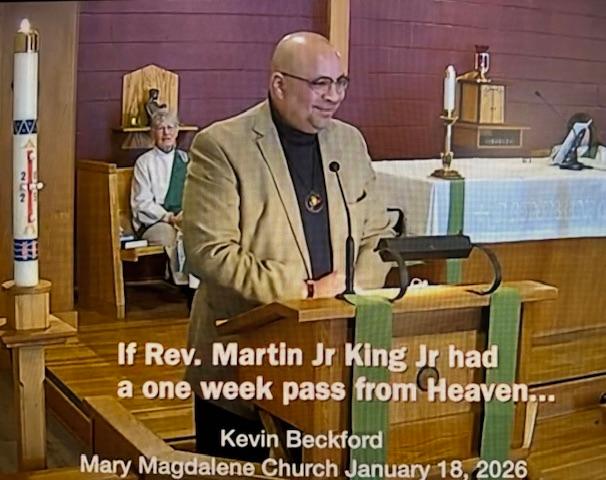
On Sunday, January 18, Kevin Beckford, who joined us 6 or 7 years ago, preached. I first experienced his eloquence, vision and inspiration in the wake of the George Floyd murder, when I asked him to preach for us.


Today I share his message, or should I say Dr Martin Luther King’s dream for our nation today. Kevin has granted his permission to share this message widely as he acknowledged he feels like it was a message that was channeled through him. I think you will agree!


https://www.youtube.com/watch?v=6Jhm31XnMtQ


Colorado

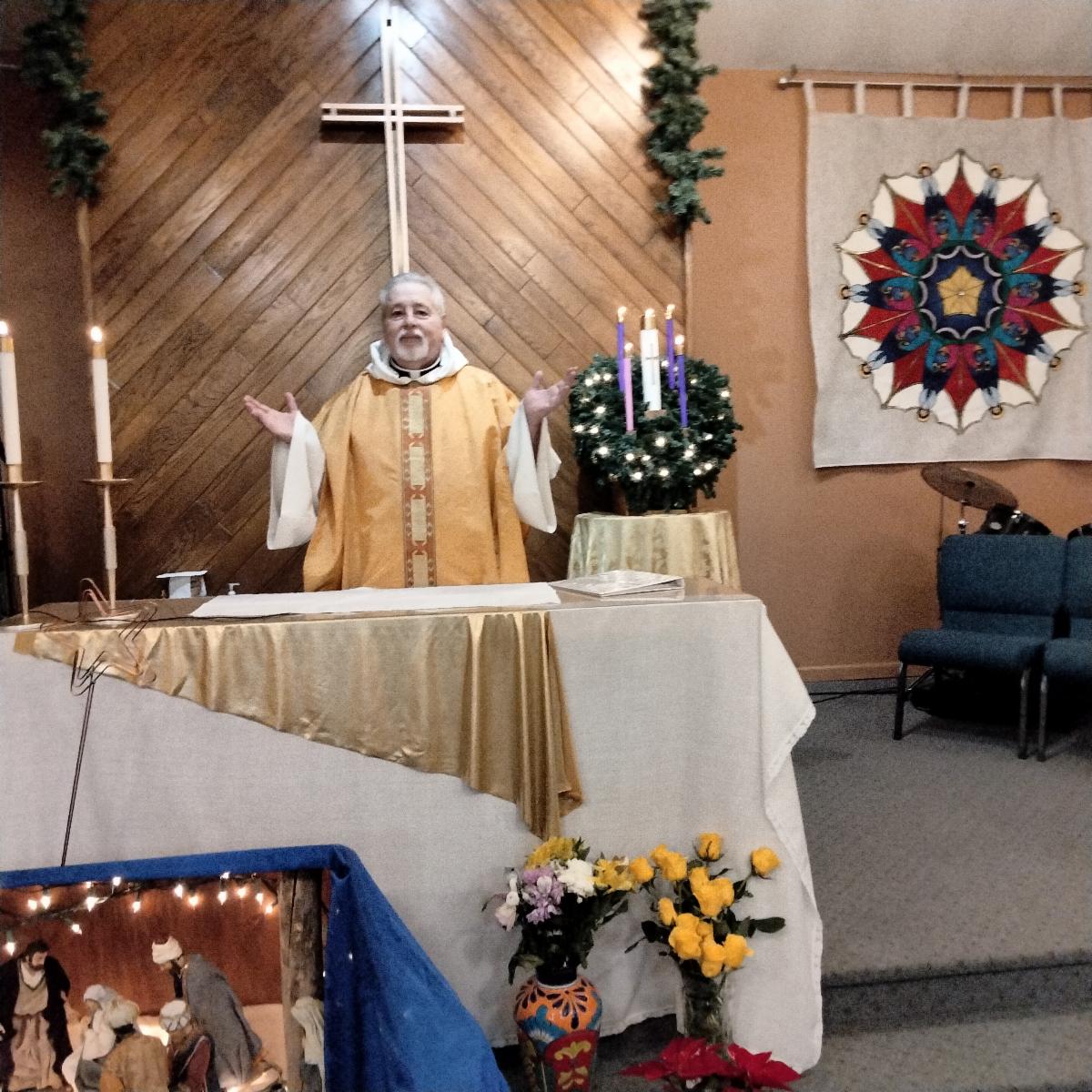
Father Francis (Frank) Quintana celebrated his Jubilee Mass on Saturday January 3rd, the Epiphany, at Church of the Beloved in Northglenn, Colorado.


Clergy from the region, members of the community and Frank's family gathered around him in support and gratitude for his 50 years of priestly ministry. More friends joined remotely via zoom.


What an inspiration to all!


Newly Ordained

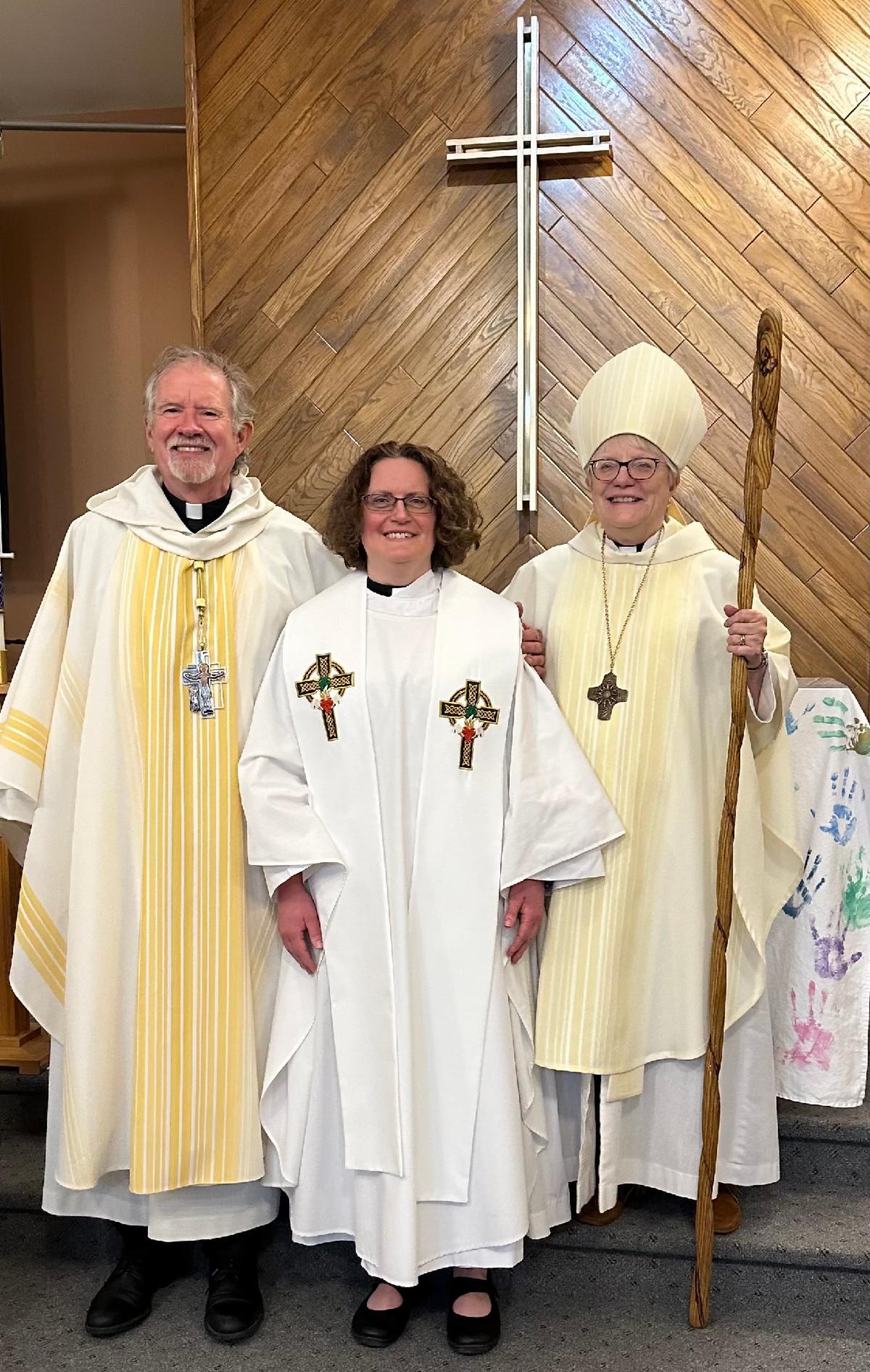
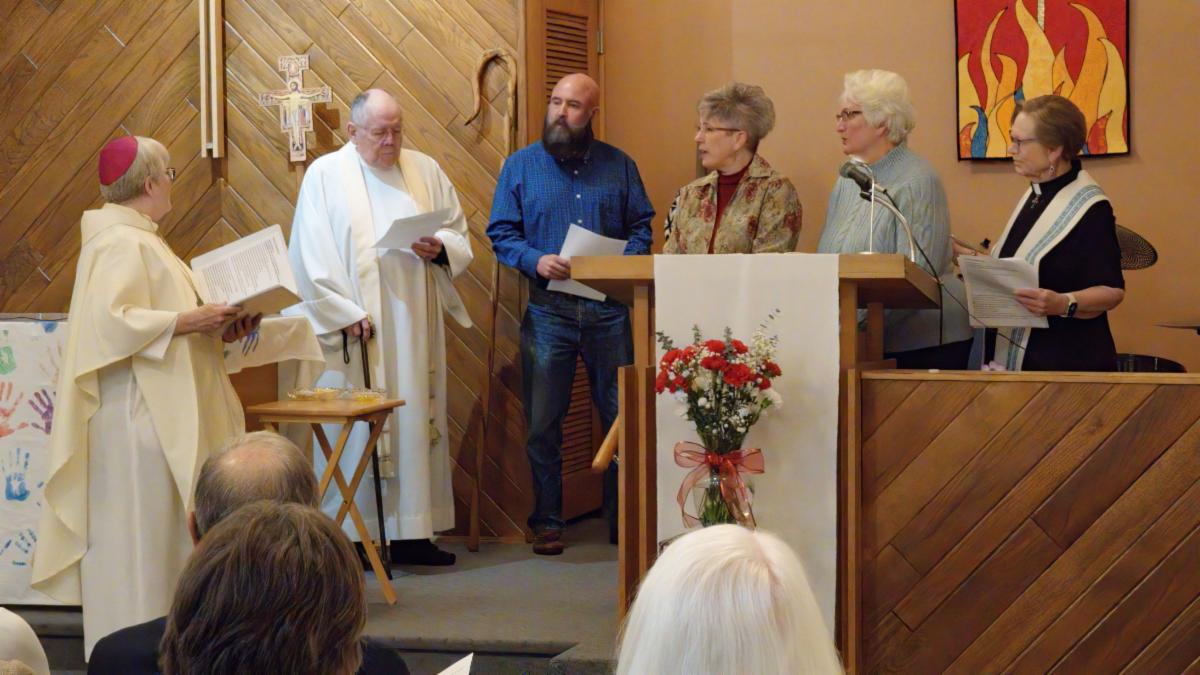
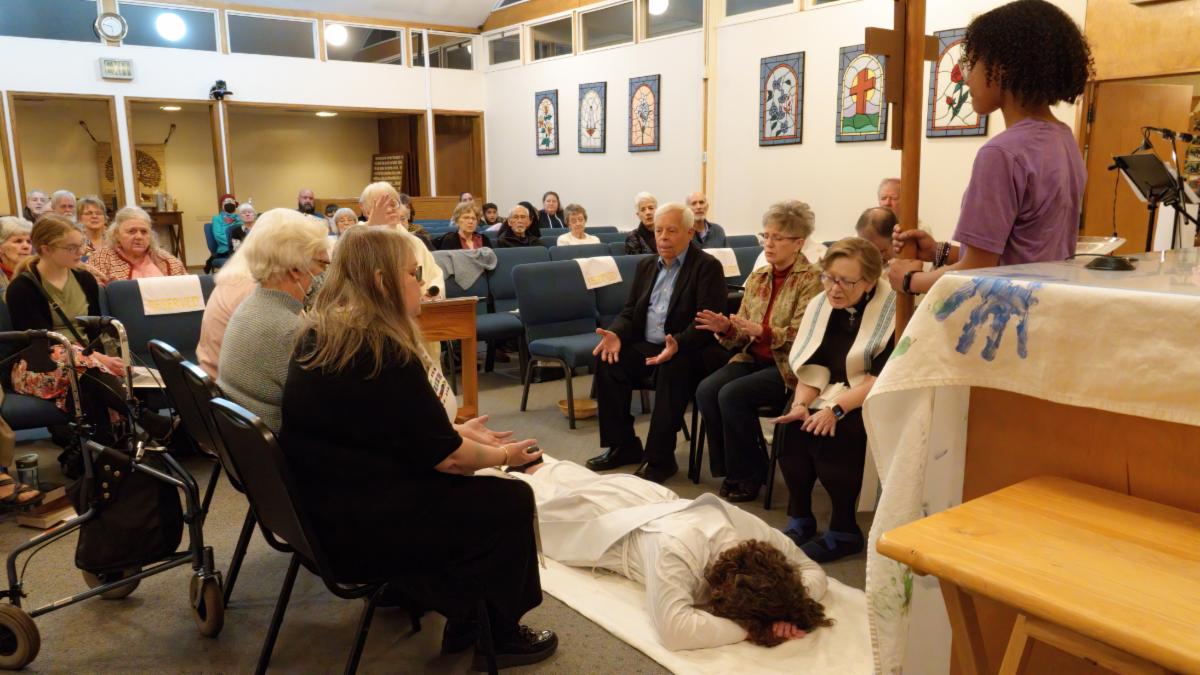
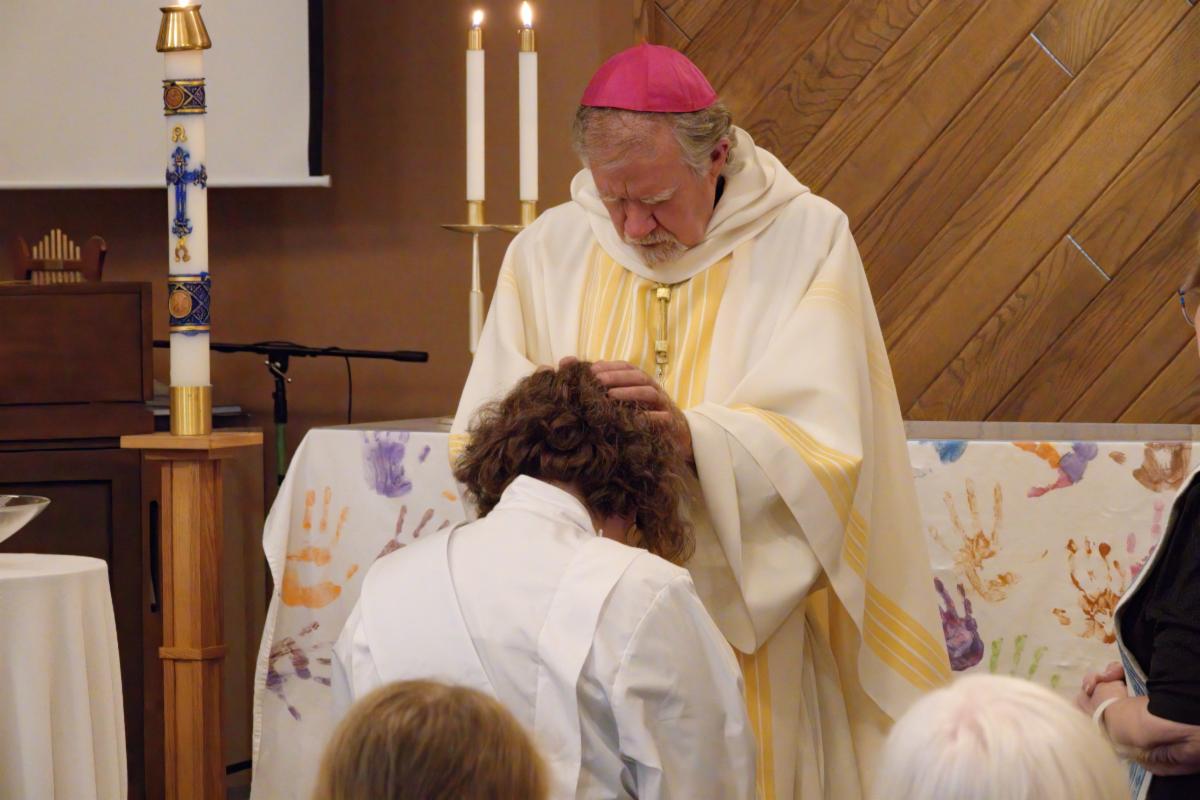
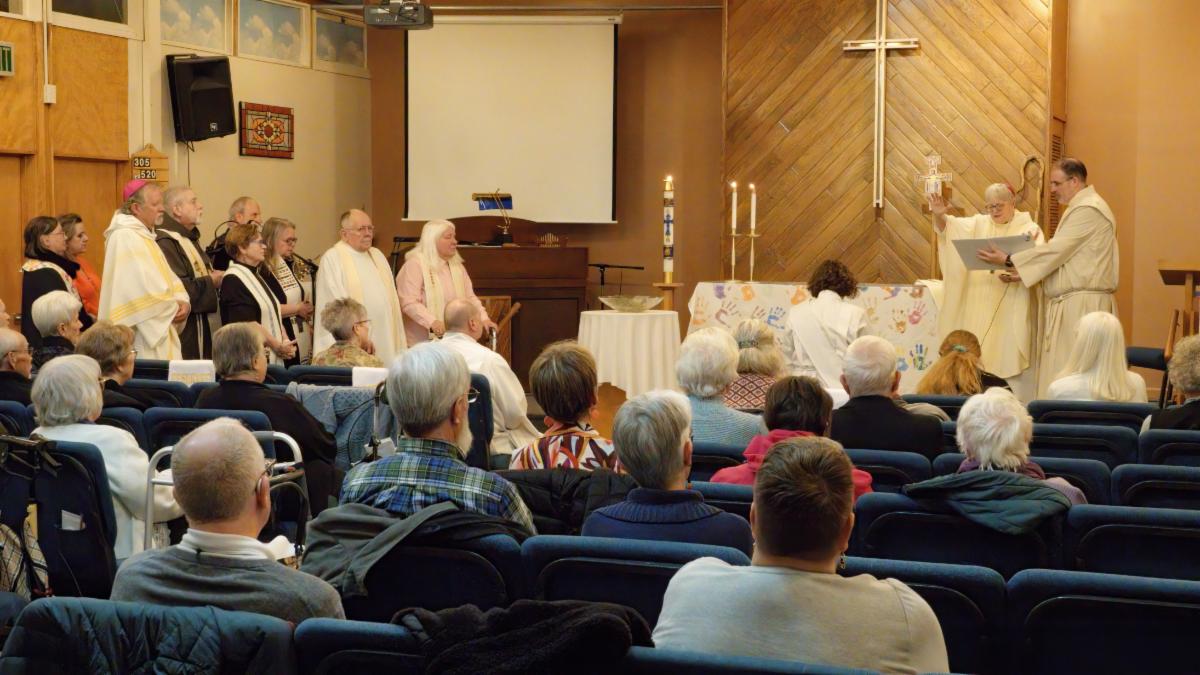
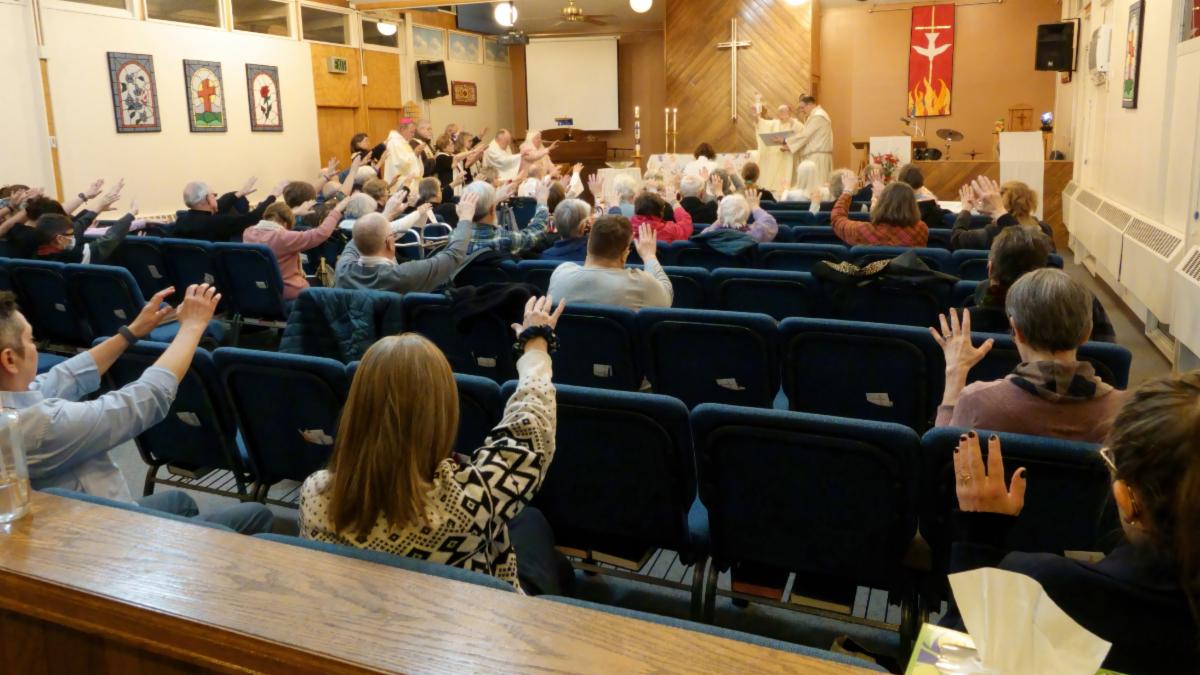
ECC friends and family in the Rocky Mountain Region gathered at Church of the Beloved in Colorado on Saturday, January 17, 2026, to celebrate with Deacon Christy Chady on her ordination to the priesthood.

Rocky Mountain Regional Bishop Kae Madden

asks community leaders and clergy representatives

to attest to Christy’s readiness to be an ECC priest.


Christy Chady lies prostrate while her discernment team

prays during the singing of the Litany of the Saints.

Presiding Bishop Pablo Burson joins Rocky Mountain clergy

in the Laying on of Hands and prayer for Christy.

Bishop Kae blesses Christy as the ECC clergy look on.

The community at Church of the Beloved in Northglenn, Colorado

joins in blessing Christy.

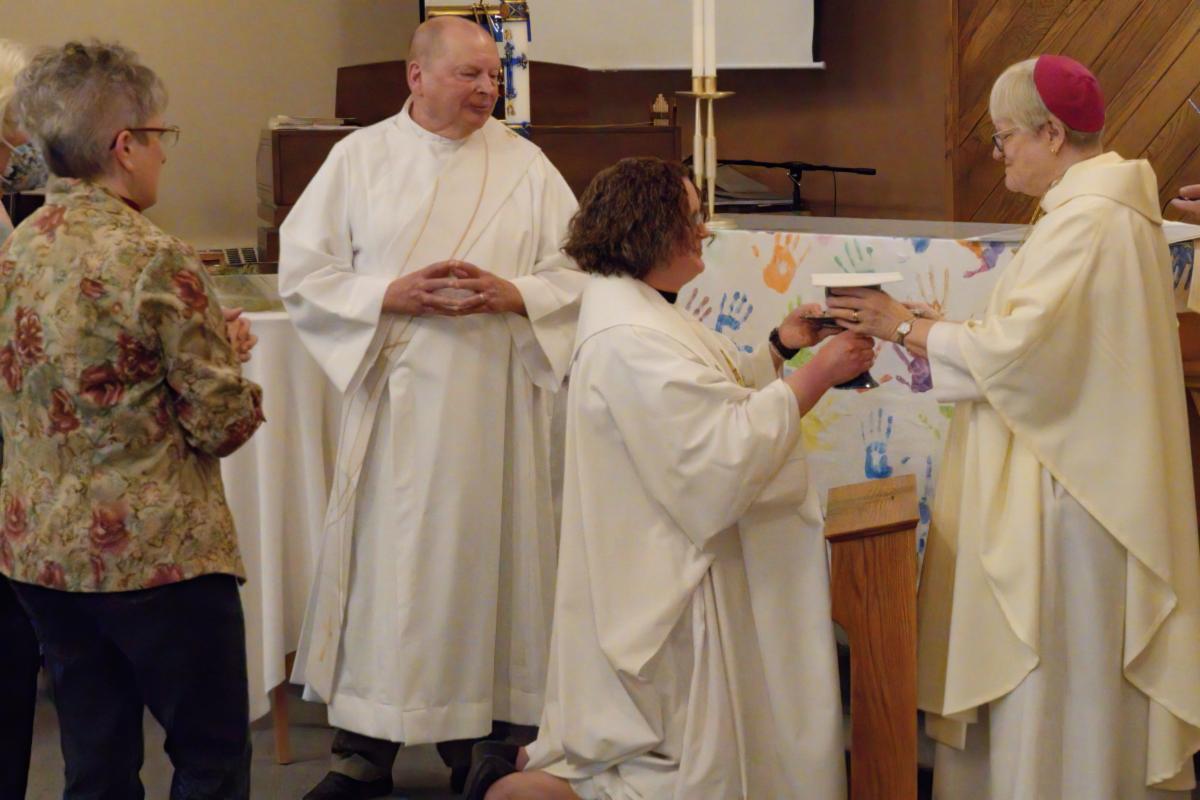
Bishop Kae gives Christy chalice and paten

signifying her sacramental ministry

especially in presiding at the Eucharist.

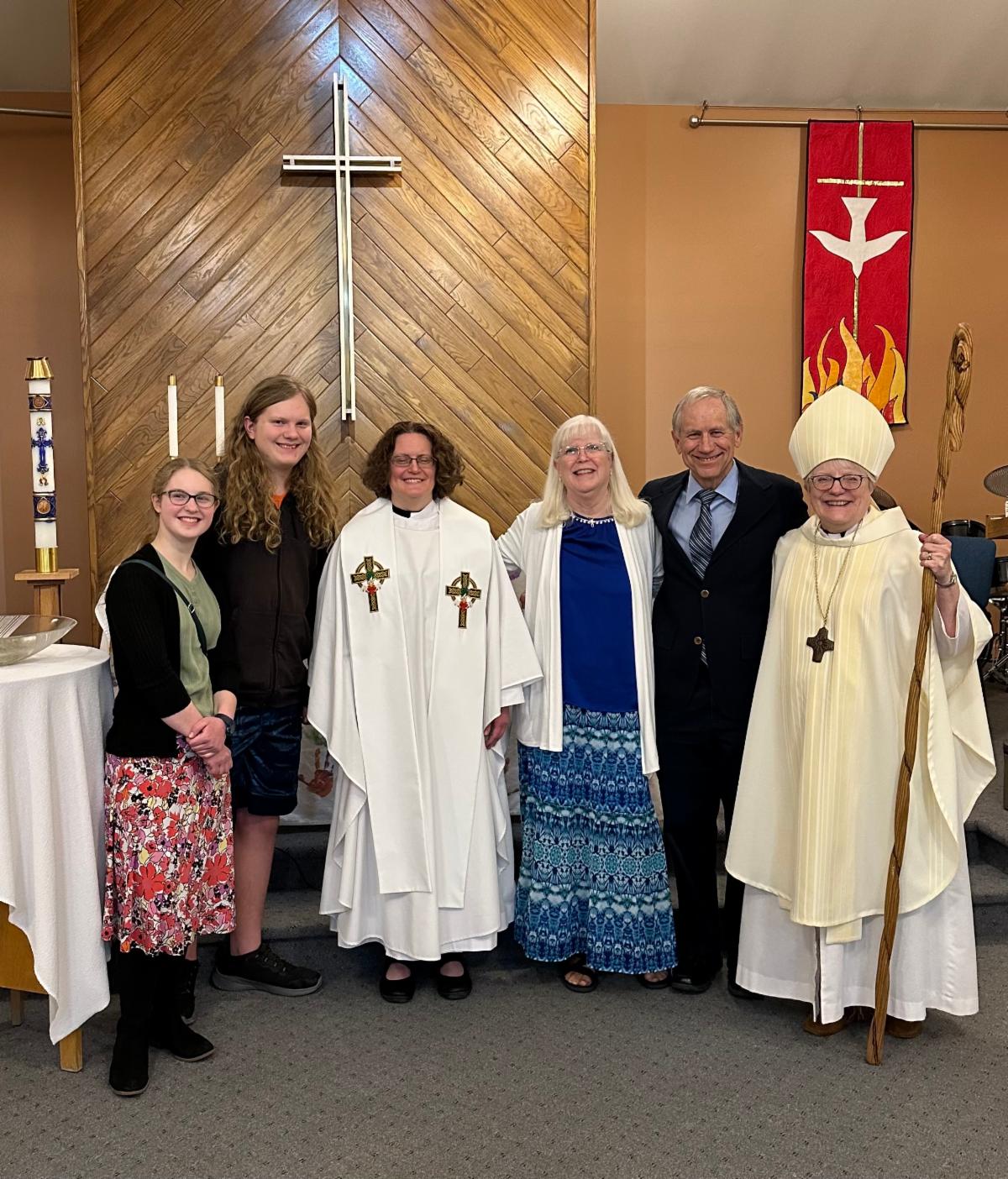
Christy, her children, and parents are joined by Bishop Kae

in a photo after the ordination.

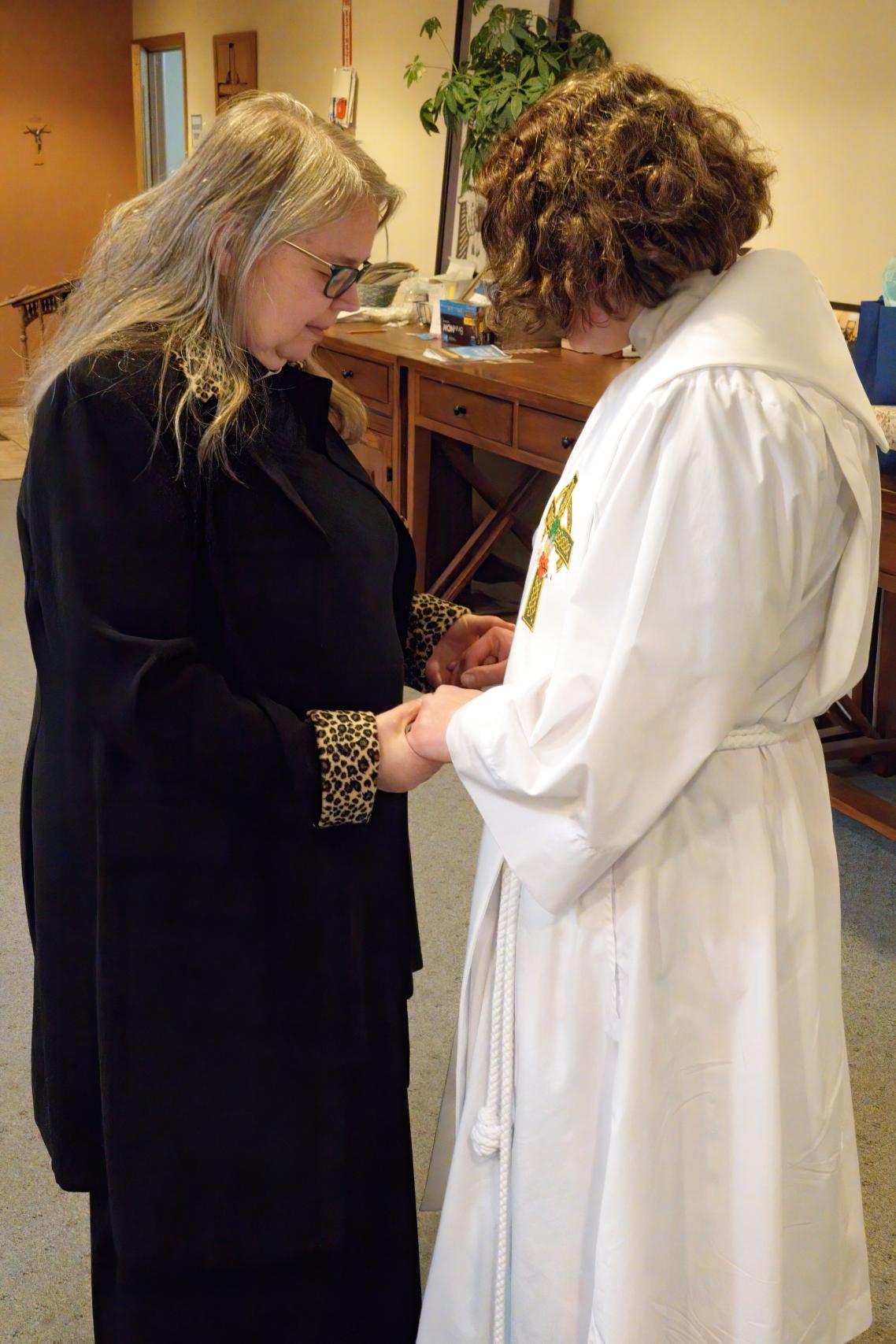
Newly ordained ECC priest Christy Chady confers a first blessing

on Father Teri Harroun.


California

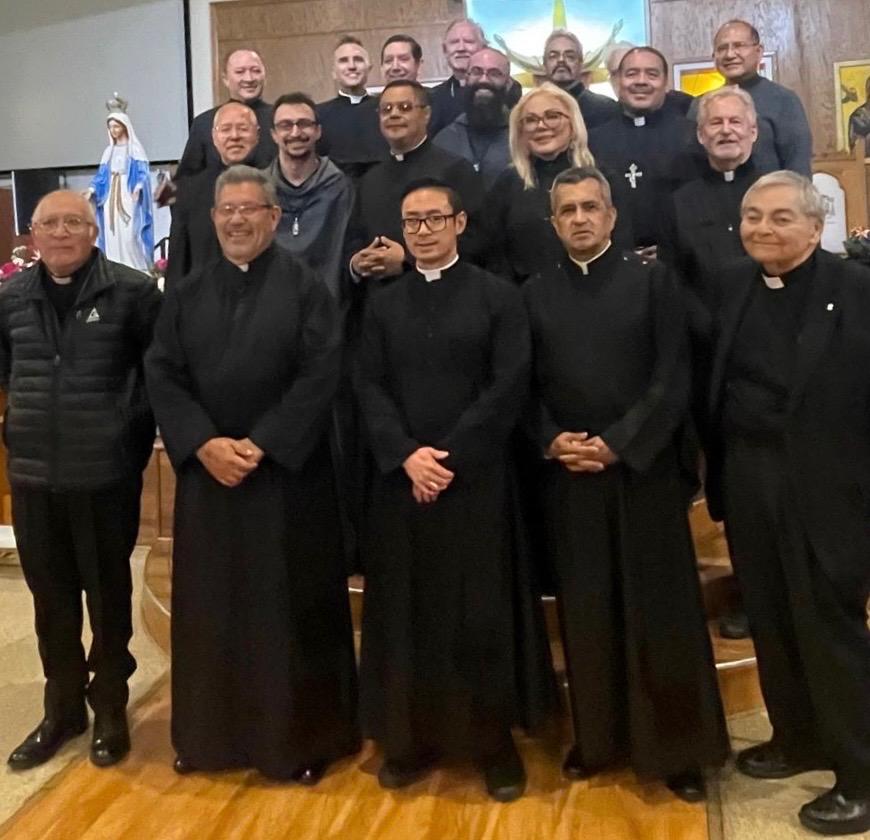
Father Jim Farris and I traveled to California in December to gather prayerfully with clergy and laity for a day of retreat and meetings.


It was a time of prayerful reflection, a time for listening and respecting each other in our uniqueness and differences as well as a time to be open to hearing and understanding how the Spirit works through all of us in the Ecumenical Catholic Communion.  


The time together was very helpful in understanding the perspectives and beliefs of all those gathered. 


It was clear to me by the end of our day of retreat and meetings that we have the need to work on growing our understanding of our diversity throughout our Beloved Communion, as well as finding practical bridges that unite our shared Holy Tradition with Sacred Innovation.


This spring, I will be calling on a diverse group of gifted individuals throughout the Communion who can gather to address these dynamics within our liturgical celebrations connected to our theological foundations.


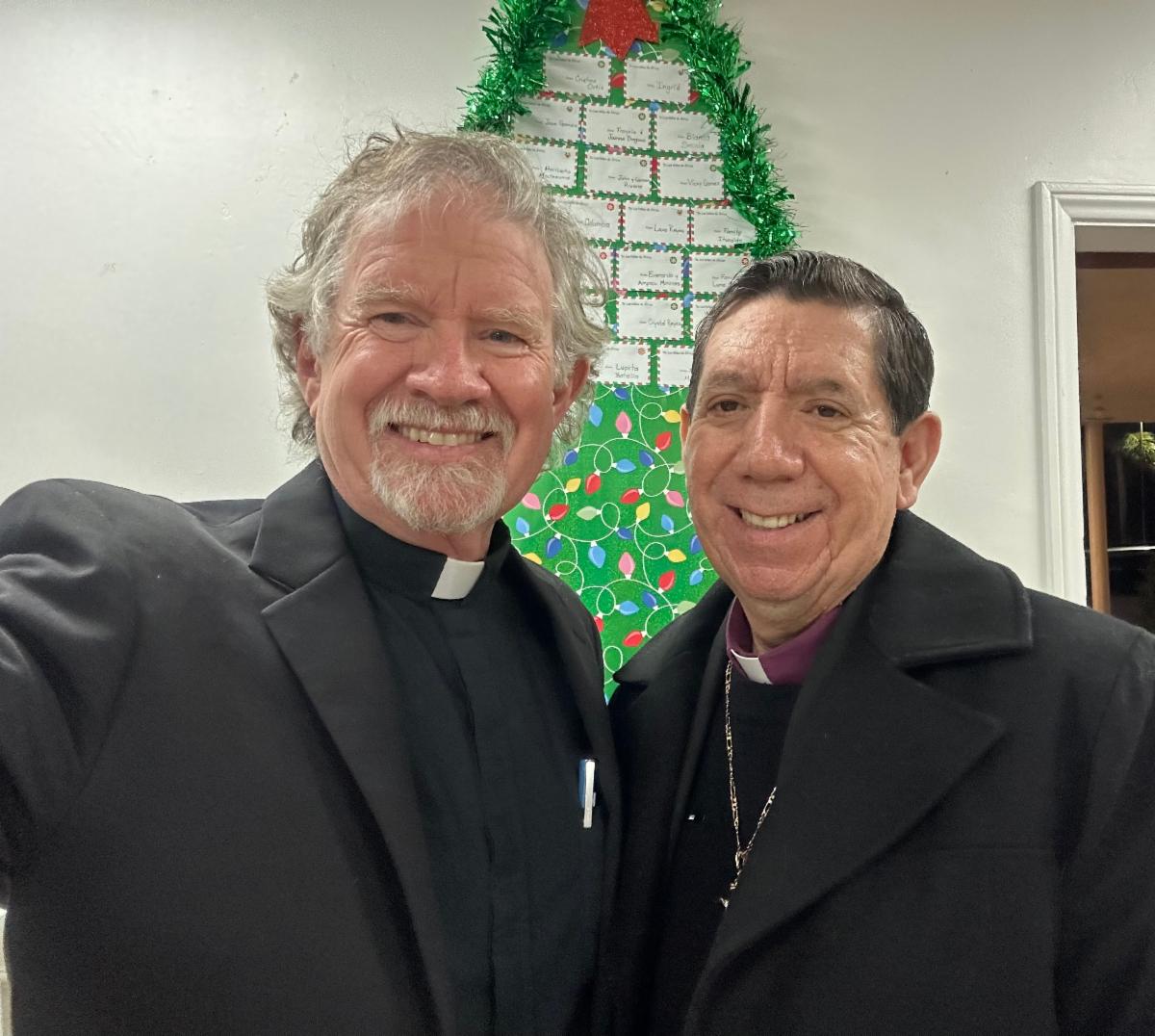
ECC Presiding Bishop Pablo and Diocese of California Bishop Armando


FAQ:

How Can You Be Catholic

If You Are Not Under Rome?


The Ecumenical Catholic Communion has long had a genuine interest in ecumenical relationships. Since 2021 we've had an ecumenical study group meeting regularly to understand what ecumenical dialogue and agreements are like.


Over time, this group developed into an Ecumenical Advisory Commission. Their study has included understanding who we are as the Ecumenical Catholic Communion, which is important in order to have ecumenical relations.


At the same time, the ECC bishops have often discussed what it means to call ourselves Catholics. At their last retreat in October of 2025 the bishops once again discussed being Catholic. This article is the result of that discussion and the work of the Ecumenical Advisory Commission.


FAQ:

How Can You Be Catholic

If You Are Not Under Rome?


While those of us who have been with the Ecumenical Catholic Communion for many years no longer think about this question, it still comes up in conversations. There is a simple answer to this question:


We are catholics because

we are rooted

in the original catholics of the early Church.


This is one of many topics the Council of Bishops discussed at our annual retreat October 20-24 in Colorado. This article is meant to summarize the elements that continue to make us Catholic, and more specifically that tie us with the Old Catholic Church in Utrecht.


It is important to remember that all of those who followed the teachings of the first apostles were catholics. All the distinct churches were unified under the same umbrella, even with their diversity of expression. In other words, to be catholic means we still hold to the teachings of the early Church before the various separations that would happen down through history.


We are faithful to the one,

holy,

catholic,

and

apostolic Church.


In the formation of the Ecumenical Catholic Church, our founders made the decision to choose a bishop within the Old Catholic tradition. We chose to be those who look back to the early Church for our understanding of what it means to be catholic.


The story of the Old Catholic Church is not one of rebellion, but of remembrance. It is the quiet thread that runs through the tapestry of Christian history, holding fast to the faith of the apostles, the wisdom of the early councils, and the spiritual depth of the mystics and martyrs.


It is not a new church—it is the Church that endures.


From the first century, the Christian community was marked by shared leadership, sacramental life, and a deep commitment to the teachings of Christ. The apostles did not build empires; they built communities. Their successors, the bishops of the early Church, governed not by decree but by discernment—gathering in councils, listening to one another, and seeking the Spirit’s guidance.


St. Ignatius of Antioch coined the term “Catholic” to describe the Church. This early bishop’s letters continue to be a treasure as they reveal the earliest understandings of the structure of the Church. He was born in the first century and died in the second century. When St. Ignatius calls the Church “Catholic” it means “according to the whole.” Or as St Vincent of Lerins in the fifth century would explain,


Catholicism is:


“That we hold that faith which has been believed everywhere, always, by all.”


As the Church grew, so did its entanglement with imperial power. But even then, voices of resistance rose.


The Desert Fathers and Mothers fled to the wilderness to preserve the purity of the Gospel.


Benedictines built communities of prayer and labor, rooted in humility and liturgical rhythm.


Gregory of Nyssa spoke of the soul’s infinite journey into God, resisting the static certainties of empire.


Francis of Assisi renounced wealth and status, embracing poverty and creation with open arms.


Hildegard of Bingen, Meister Eckhart, Julian of Norwich stood for Mysticism, critique of power, and divine love.


These were not fringe figures—they were the heartbeat of Catholic tradition. And the Old Catholic Church, especially in Utrecht, listened closely to that heartbeat.


For centuries, Utrecht remained within the Roman Catholic fold, quietly preserving local autonomy, conciliar governance, and theological integrity. Its bishops were elected by the clergy and people, not appointed by distant powers. Its theology was rooted in the early councils and the Church teachers, not in later innovations.


It was catholic in the deepest sense—

whole,

universal,

ancient, and

alive.


In 1870, the First Vatican Council introduced two major changes: the doctrine of papal infallibility and the pope’s universal authority.


For the catholic community in Utrecht and many others, these changes were seen as moving away from the Church’s tradition of shared leadership and decision-making. With a sense of regret but strong conviction, these catholics chose to separate—not from their faith, but from a Church structure they felt no longer reflected its original foundations.


They became known as “Old Catholics” because they did not accept the new teachings introduced by Rome. Others also adopted the principles outlined in the Declaration of Utrecht, which the Ecumenical Catholic Communion recognizes as a key founding document.


The ECC considers itself part of the

one,

holy,

catholic,

and

apostolic church,

remaining faithful to the Scriptures

and the ancient ecumenical councils

the undivided Church.


Since then, those who see themselves as part of this authentic catholic tradition have continued to live out the original catholic vision:

sacramental,

inclusive,

ecumenical,

and

rooted in tradition.


They have welcomed dialogue with Anglicans, Orthodox, and Protestants and embraced liturgical renewal, pastoral care, and theological reflection. They have remained faithful—not to an institution, but to the Gospel.


This Catholic Church is not a remnant—

it is a witness.


It reminds us that the Church

is not defined by power,

but by presence.


Not by control, but by communion.


Not by infallibility, but by faithfulness.


We are not a new denomination.


We are a continuation of early catholicism.


The catholicism of the early Church has always been with us and still is with us

and the Ecumenical Catholic Communion continues in this tradition.


Within the Ecumenical Catholic Communion we have a group of laity, clergy, and bishops known as the Ecumenical Advisory Commission who have been studying our catholic tradition to help the ECC and our faith communities navigate ecumenical relationships, seeking connections with other Christian faiths, to share and live the Gospel.


Bishop Katherine C. (Kedda) Keough

ECC Diocese of the Pacific Northwest

Chair of the Ecumenical Advisory Commission

November 2025


Mary Magdalene Society Advisory Committee


Dear Friends,


Are you looking for a way to volunteer a little time for a very worthwhile cause?


Would you like to see children and teens learn about the Catholic faith as we practice it in ECC?


Would you like to see our ECC Clergy team grow?


Our Mary Magdalene Society (MMS) may be what you are looking for! This is a group dedicated to fundraising for clergy development and youth activities. It was established by long-time members of the ECC to build a strong faith community. 


We are looking for a few of our precious ECC members

to help guide our Society through membership

on our Advisory Committee. 


Committee members meet by phone (Zoom) once each quarter, participate in MMS fundraising activities, and make decisions about distributing the funds raised for clergy development and youth activities.


If you have questions or are interested in serving,

please contact our Committee Chair,


Sheila Leander Kis

at sheilalean@gmail.com

or 636-448-8317 


Healthy Boundaries


Have you had the opportunity to participate in the Healthy Boundaries training program that your ECC Community offers?


Please contact them for more information!


https://conta.cc/43qTIAf


Ecumenical

Catholic

Communion


Bishop Pablo Burson

BishopPaul@ecumenicalcatholics.net

Carolyn Sue Cecil

admin@ecumenicalcatholics.net

Mary Vonderheide

finance@ecumenicalcatholics.net


This Newsletter was created by the Office of Presiding Bishop. Please send any questions and inquires to Carolyn Sue Cecil: admin@ecumenicalcatholics.net.


All photos in this newsletter were taken by Bishop Pablo Burson, Carolyn Sue Cecil and Tom Moos. The graphic of Dr. Martin Luther King Jr is used with permission from Pixaby.com.


Please feel free to share our Newsletter!