|
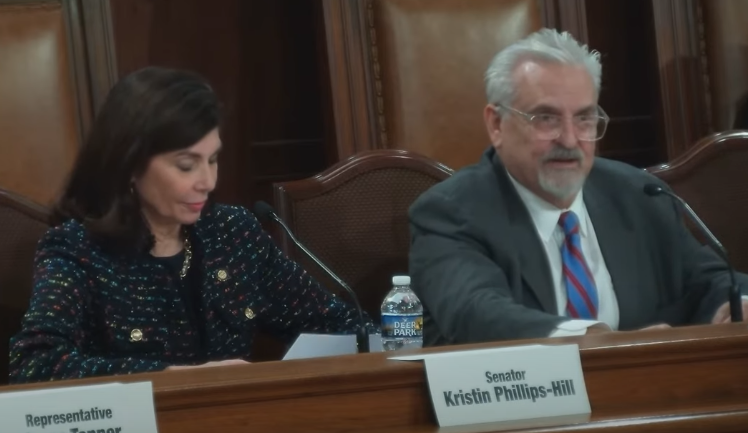
Above: The co-chairs of the Basic Education Funding Commission, Sen. Kristin Phillips-Hill and Rep. Mike Sturla, during the commission's final meeting on January 11.
It has been nearly a year since Commonwealth Court declared Pennsylvania's system of public school funding unconstitutional, responding to our clients' lawsuit. Now, there is a serious plan on the table to fund every public school in Pennsylvania based on what students need to succeed--not on local wealth.
For the last several months, we've closely followed the work of the Basic Education Funding Commission, as they heard from educators, experts and taxpayers across Pennsylvania. The bipartisan panel of legislators, joined by designees of Governor Josh Shapiro, were charged with devising a school funding system that meets the promise of our state constitution: one that gives every student, no matter what, the opportunity to receive an effective, comprehensive and contemporary public education.
On January 11, the Basic Education Funding Commission voted to adopt a plan that, if fully implemented, would make a life-changing difference for Pennsylvania students. The plan set a measured and meaningful target, based on what school districts that meet Pennsylvania's academic standards are currently spending, for the cost to provide students with the support they need to succeed academically, civically and socially. The report adopted by the commission found that Pennsylvania public schools are collectively underfunded by $5.4 billion--and set out a plan for the state to close 94% of this gap within seven years, targeting funds to students in low-wealth school districts that have been shortchanged for decades. The plan also proposes additional funding for districts that have made the highest local tax effort to fill in the gaps left by years of inadequate state funding.
The plan is not perfect. Seven years is too long to wait, and the proposal does not include investments in Pre-K education, which the court identified as an essential part of a constitutional public education system.
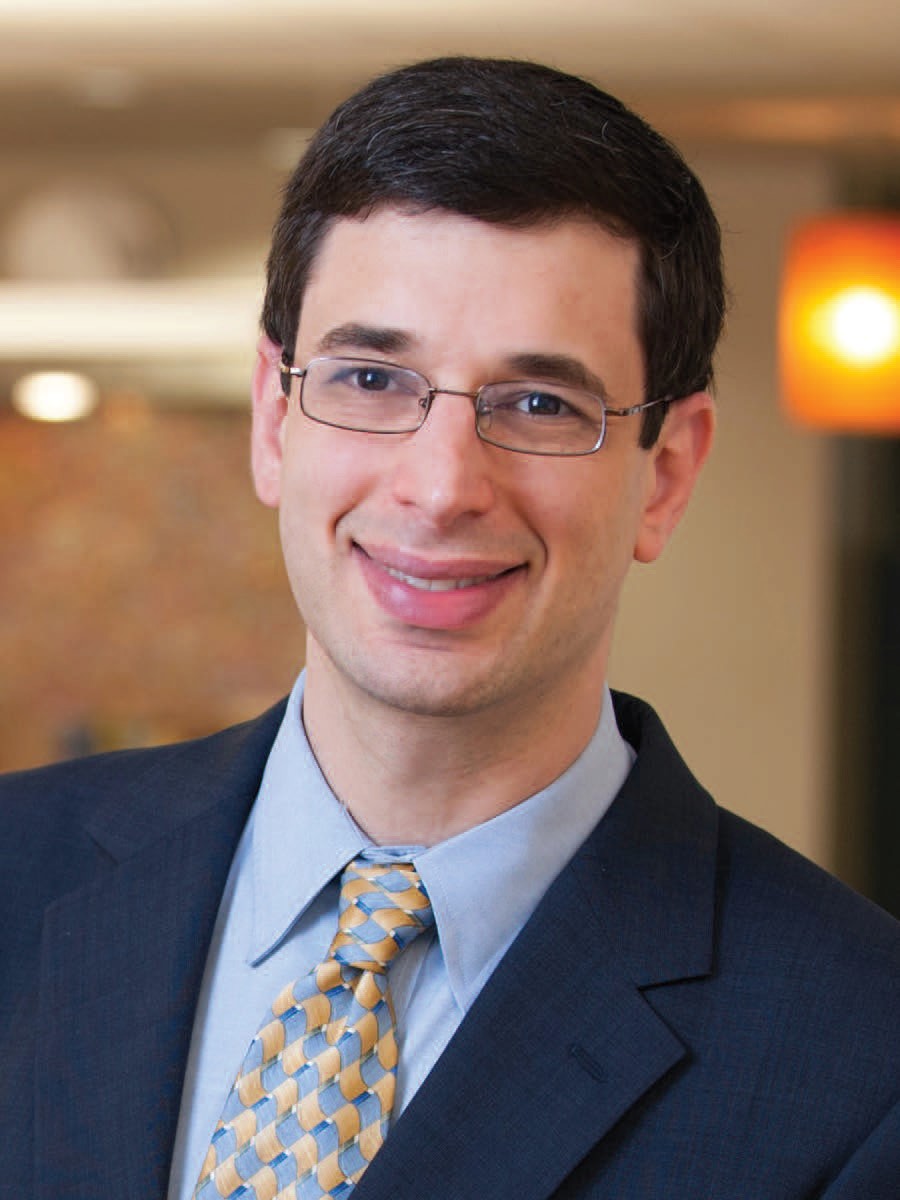
But it would be transformational. Our clients, and our partners at Education Law Center-PA and O'Melveny, challenged an upside-down school funding system, where the students who need the most support have the least, because their communities are not wealthy. This proposal would help these small towns, suburbs and big cities begin to fill their classrooms with the thousands of teachers, counselors, and librarians their students deserve. As our senior attorney Dan Urevick-Ackelsberg explained to the Associated Press, the proposal is "a commitment to do what the commonwealth never does: which is actually come up with a figure, a reasonable, evidence-based figure for what every school district needs to educate their children."
We shared what this plan could mean for students and communities across Pennsylvania in an op-ed in the Lancaster LNP by Urevick-Ackelsberg and Maura McInerney of Education Law Center-PA. "As the commission acknowledged, these are large numbers — 'large because it is a comprehensive solution to a large problem,'" we wrote. "The payoff — a changed life trajectory for hundreds of thousands of children — is even greater."
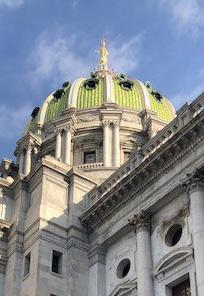
Now, the General Assembly and Governor Josh Shapiro must make this proposal a reality, starting with the Governor's budget address on February 6. “The time for action is now,” Superintendent Brian Waite of our client Shenandoah Valley School District said, “and we hope legislators recognize their constitutional duty to ensure public school students receive a thorough and efficient education.”
|