| |  | Support NICOA with a gift to help us continue our mission! | |
|
A Message from
Billie Tohee, Executive Director
January 2026
| |
Aha, hawe pi hintaros woris mitawe heda! Good day, my friends and relatives!
I hope the NICOA Board of Directors, Staff, Members, Friends, and Supporters are having a blessed year and that 2026 will bring you happiness, good health, and prosperity.
NICOA is well-positioned for a new era of opportunity, growth, and prosperity, thanks in part to actions taken in 2025 and to actions we will continue focusing on in 2026. We will continue advocating to improve American Indian and Alaska Native Elders’ quality of life, which means healthier lifestyles, stronger resiliency, and being better informed of opportunities involving the vast array of elder issues across Indian Country.
As we look ahead, I am confident that our collective passion, partnerships, and collaborations will continue to inspire innovation, strengthen our impact, and open new opportunities.
The year ahead is a fresh chapter - one filled with possibilities for NICOA to continue to innovate and make an even greater impact. Let’s continue to support one another, embrace new ideas, and strive for excellence in everything we do.
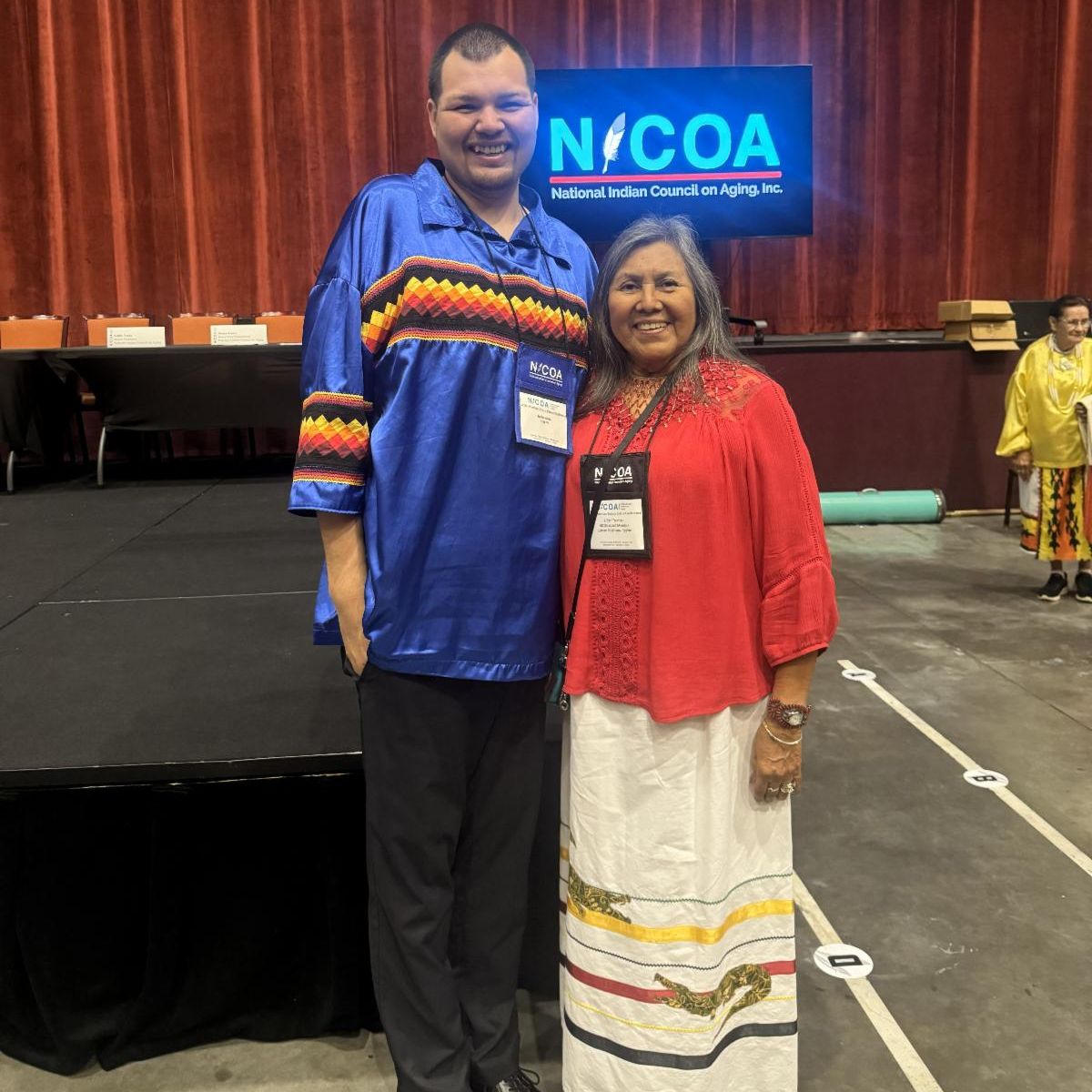
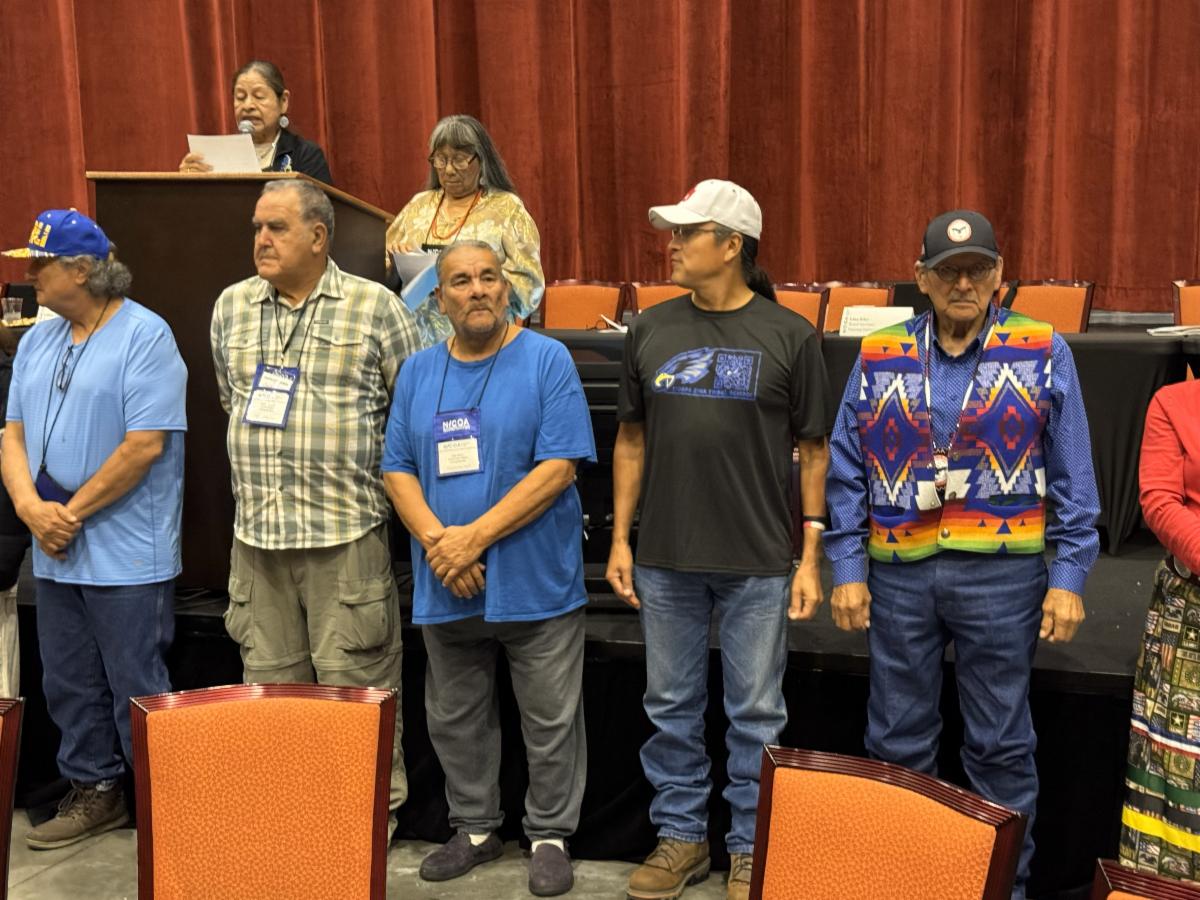
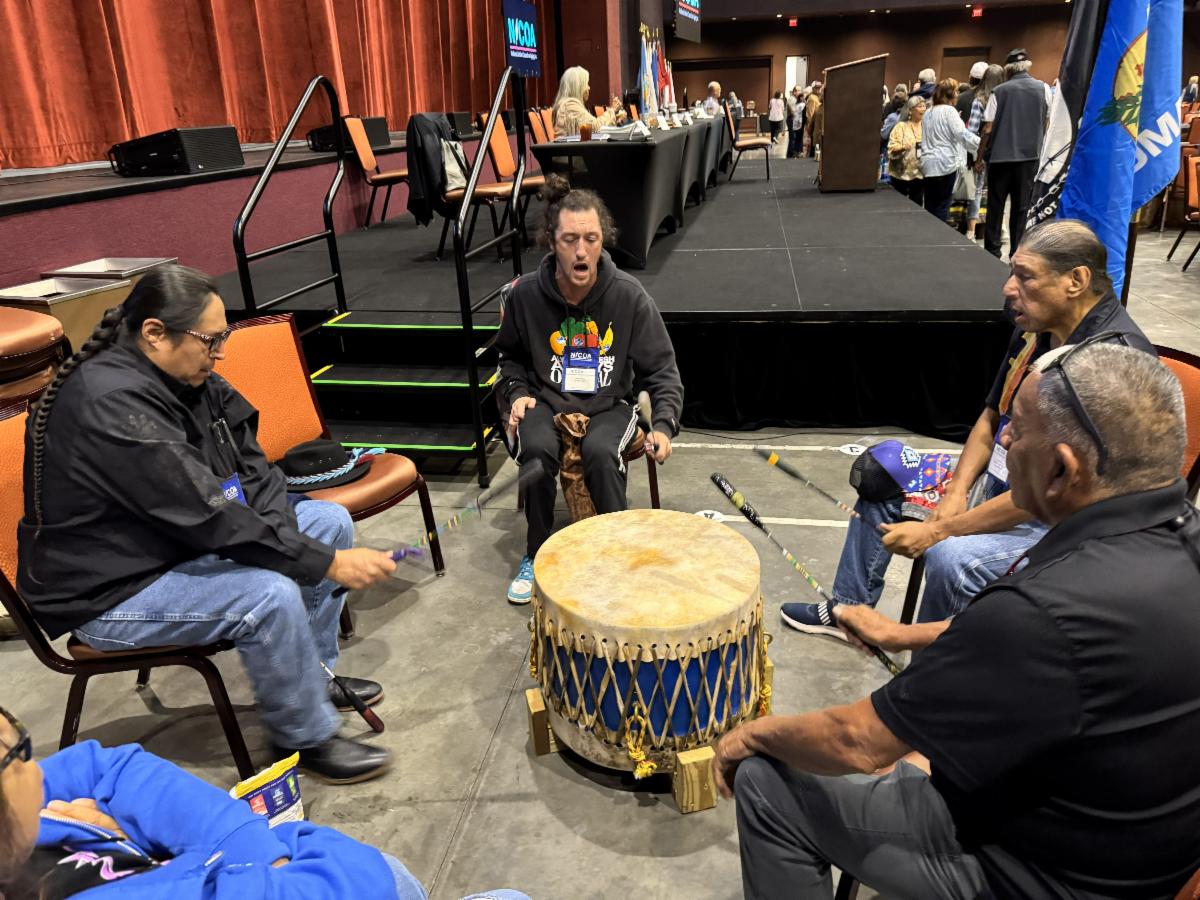
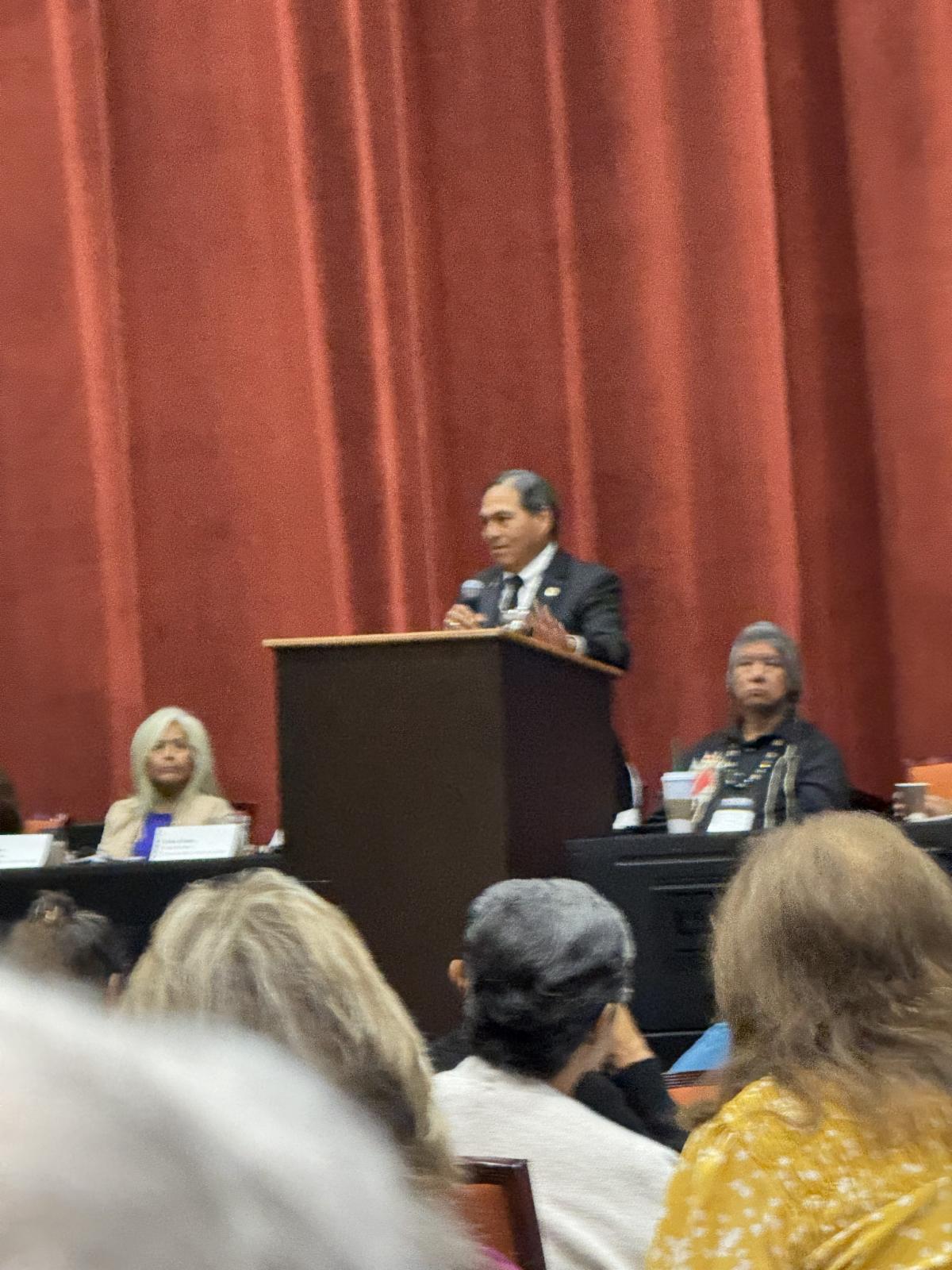
NICOA’s 2025 American Indian Elders conference in Durant, Oklahoma, was a success. Thank you to all who helped plan, participated, and volunteered. There were 800+ attendees at our conference held in the heart of the Choctaw Nation, who graciously welcomed all to their homelands. Thank you to tribal leaders, tribal nations represented from the four directions, educators, and service professionals. Thank you to our sponsors. You all made NICOA’s 2025 conference a success.
Wishing you a prosperous and successful New Year! May the coming year bring exciting opportunities, achievements, and continued growth in both your professional and personal life.
Aha, warigroxi ki. Thank you.
Billie Tohee
Otoe-Missouria Tribe of Oklahoma
| | | |
New Year, New Paths: Empowering Older Adults Through SCSEP | |
Albuquerque, New Mexico - Happy New Year from the National Indian Council on Aging!
As we begin a new year, we are proud to continue supporting older adults through the Senior Community Service Employment Program (SCSEP) by providing paid, part-time training opportunities at nonprofit and public agency host sites. Job seekers receive hands-on work experience and individualized employment planning to help build skills and confidence. SCSEP also offers supportive services and job search assistance to help job seekers overcome barriers and successfully transition into unsubsidized employment.
This work wouldn’t be possible without our host agency partners. Our host agencies play a vital role in SCSEP's mission. A SCSEP host agency partners with the program to provide a safe, supportive training site where job seekers gain hands-on work experience and develop job skills. NICOA SCSEP currently operates in seven states: Arizona, Minnesota, New Mexico, North Dakota, Oklahoma, South Dakota, and Wisconsin, and we welcome partnerships with any nonprofit or public agency organization interested in making a difference. Join our community-building program today and help create opportunities, dignity, and economic security for older adults.
If you or anyone you know can benefit from SCSEP as a job seeker or host agency, please contact us at 505-292-2001 or www.nicoa.org.
| | | |
Elders Convene: Top Takeaways from the 2025 National Elder Conference | |
Durant, Oklahoma - The National Indian Council On Aging (NICOA) is excited to host its biennial American Indian Elders Conference from September 29 to October 3, 2025, at the Choctaw Casino & Resort in Durant, Oklahoma. This essential event brings together AI/AN elders, tribal leaders, policymakers, and aging service providers from across the country to discuss and set the national policy agenda for Native aging services. Attendees will participate in regional caucus sessions, elect board members, vote on resolutions, and attend workshops focused on crucial topics like health, elder abuse prevention, financial security, caregiving, and the future of the Older Americans Act.
NICOA would like to thank all sponsors and donors who contributed to a successful Biennial Native Elders' Conference.
| | | |
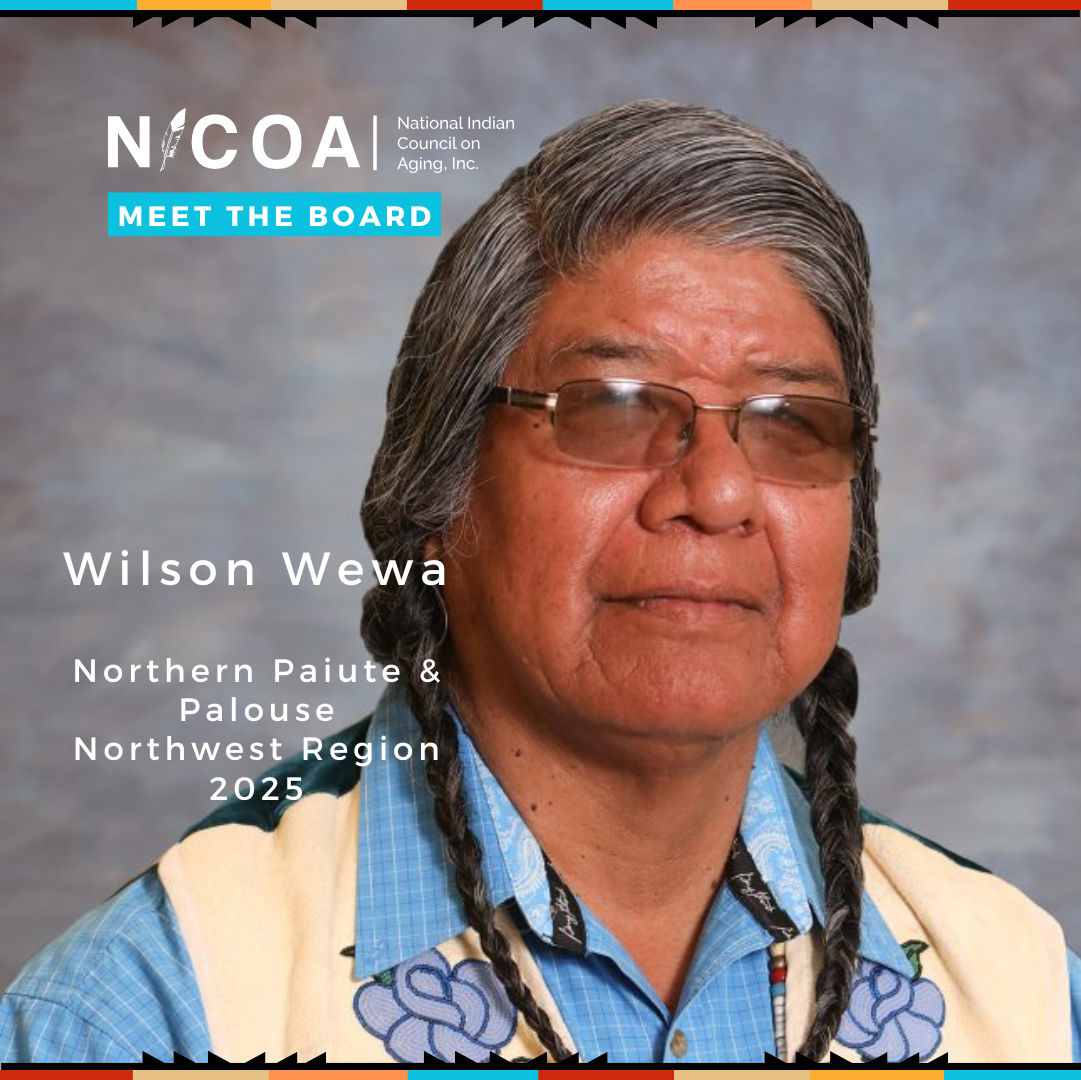
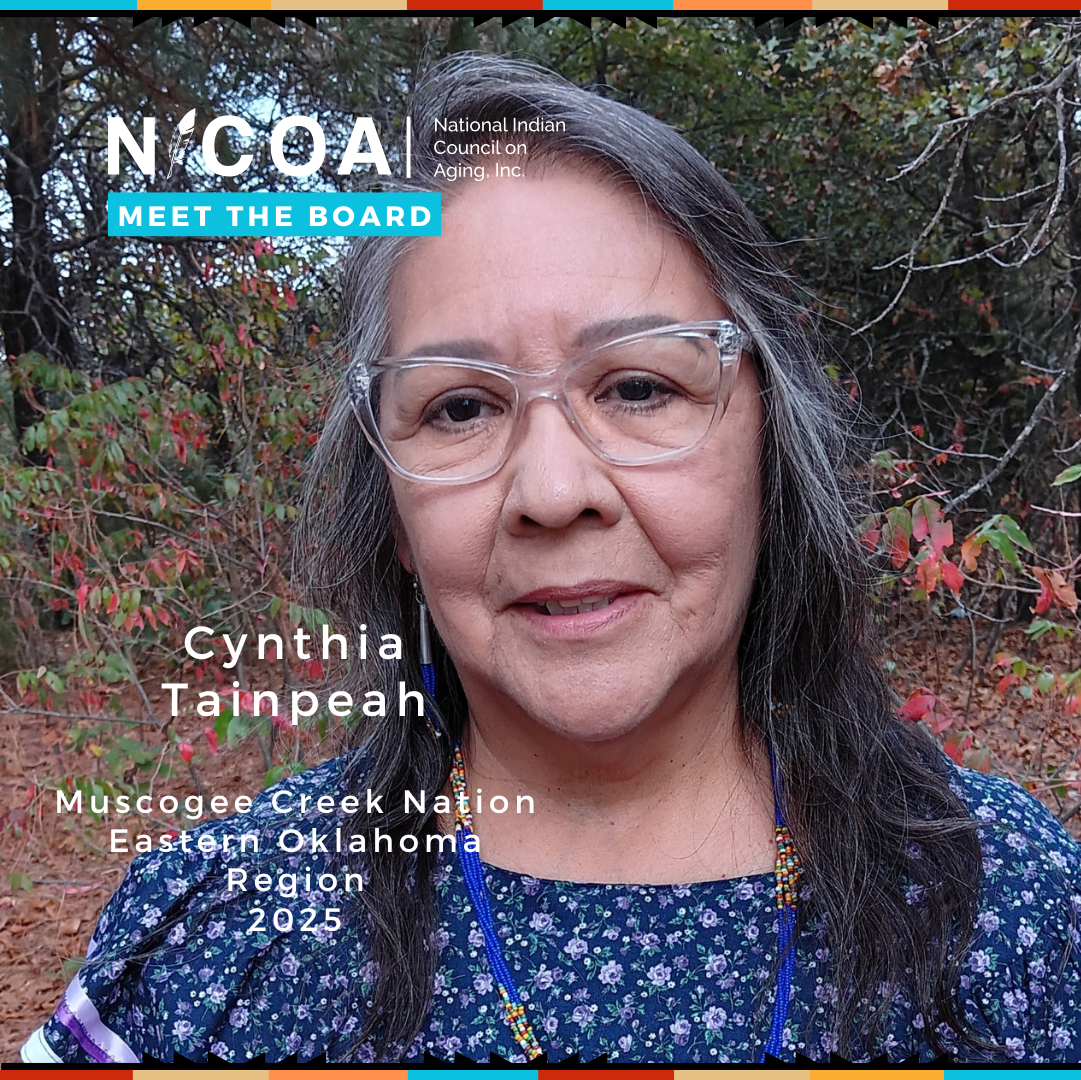
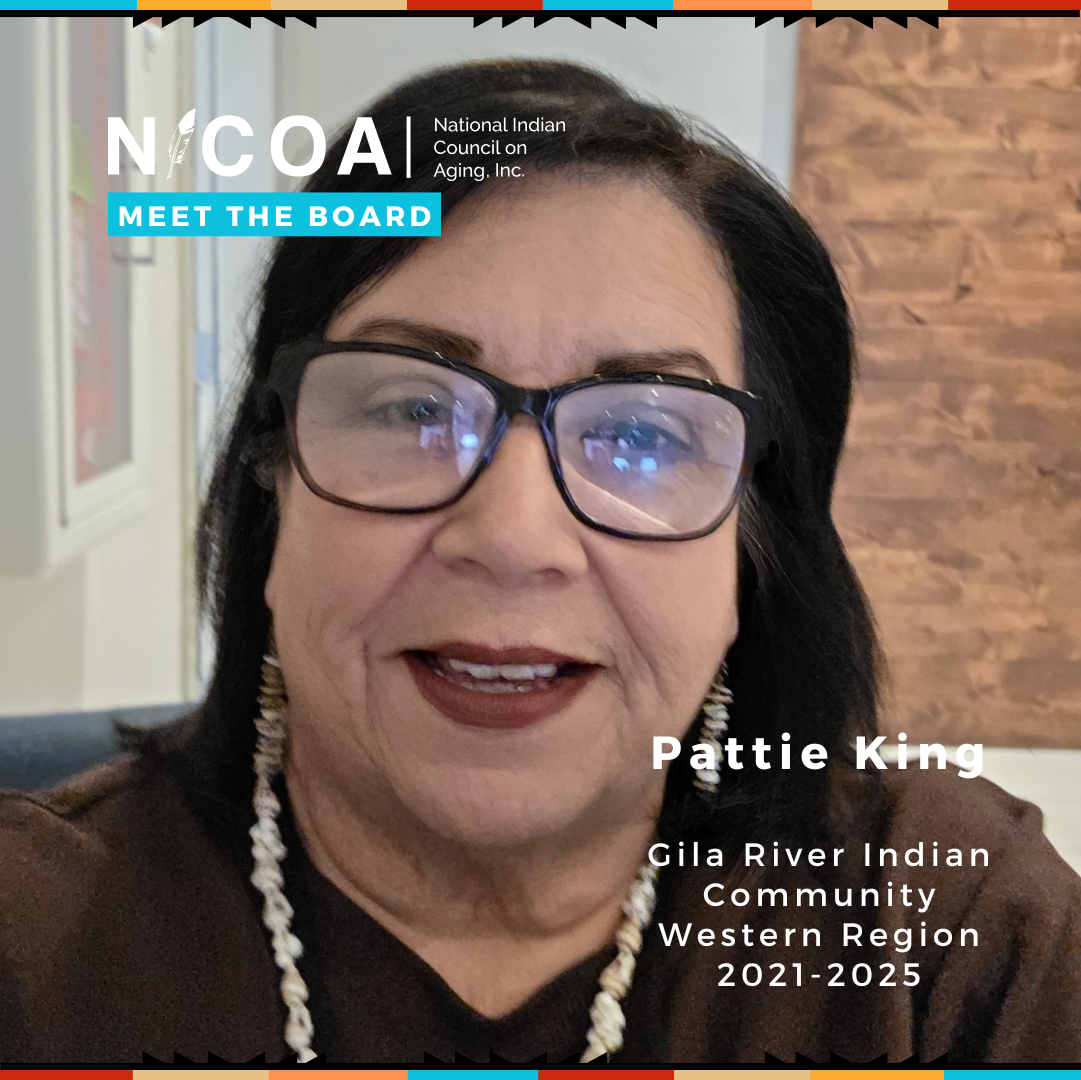
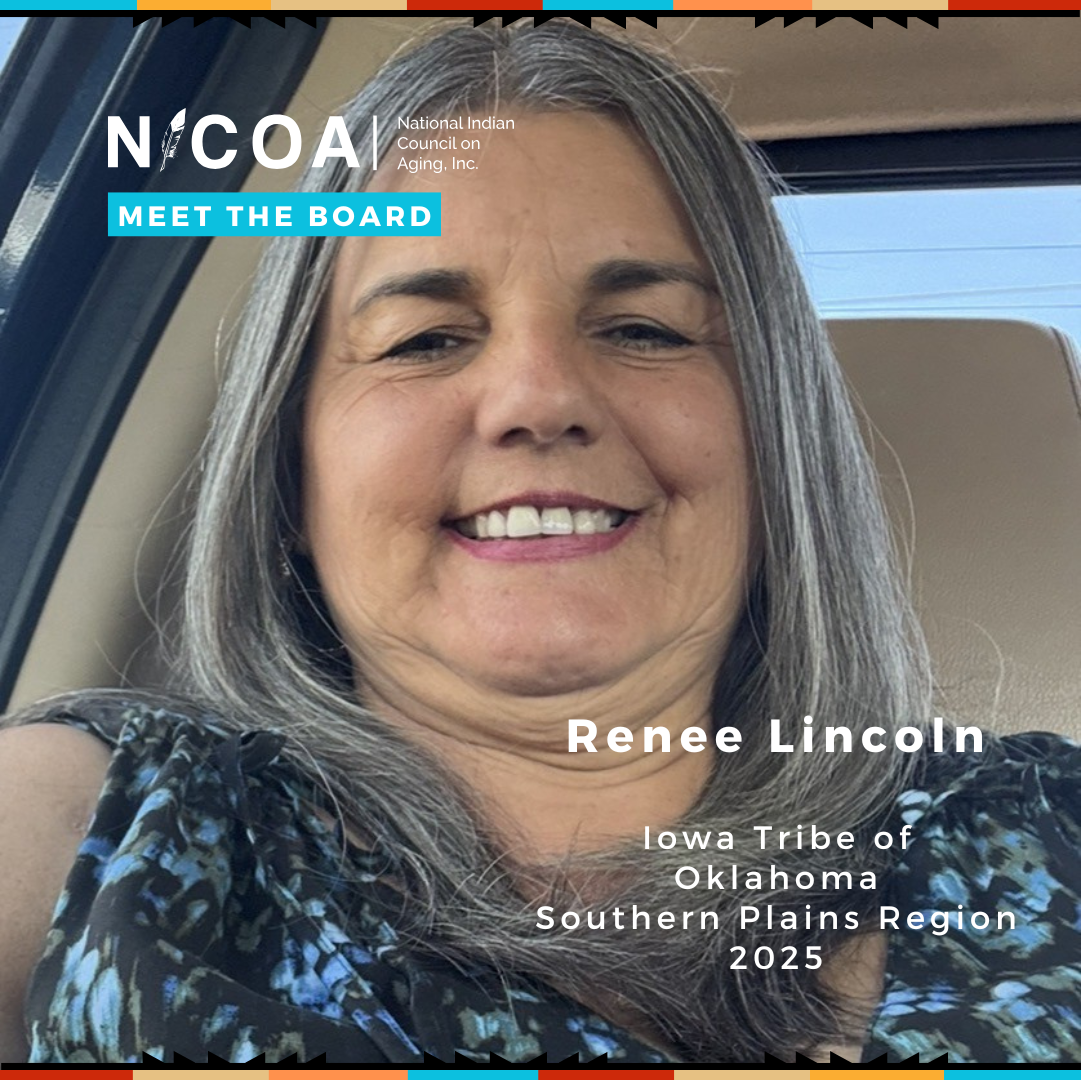
Meet Our Advocates: New Members Join the NICOA Board with a Focus on Reinforcing the Organization's Mission | Albuquerque, New Mexico – The National Indian Council on Aging, Inc. (NICOA) is proud to announce the newest members of its Board of Directors, each bringing invaluable experience and dedication from their home regions. The newly nominated members are Wilson Wewa (representing the Northwest region), Pattie King (Western region), Cynthia Tainpeah (Eastern Oklahoma region), and Renee Lincoln (Southern Plains region). Their addition strengthens NICOA's commitment to ensuring all American Indian and Alaska Native elders across the country have strong, localized representation in our advocacy efforts. | | | |
|
Meet Our New Staff:
Moving the Needle Forward
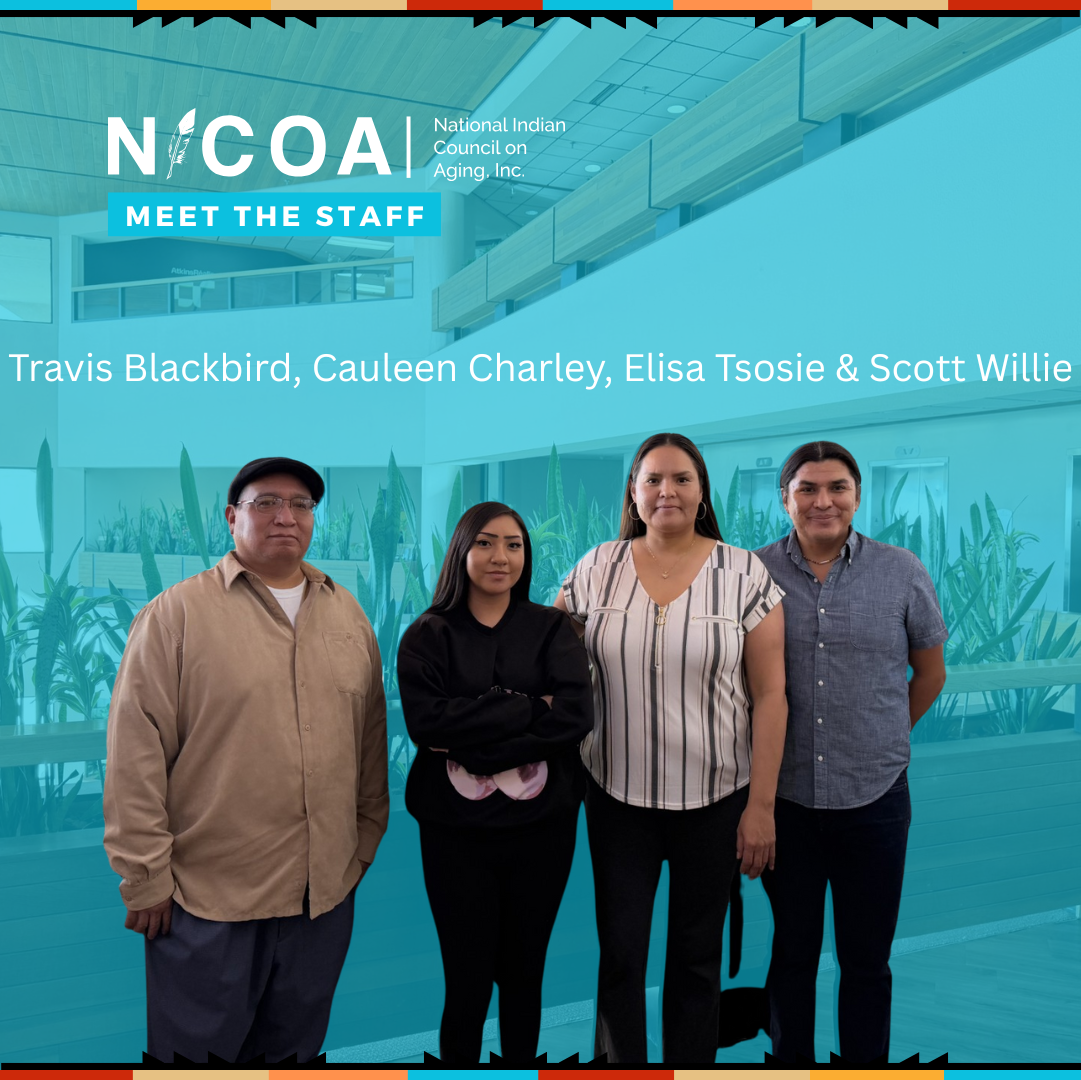
| Albuquerque, New Mexico – We are delighted to welcome three new staff members who have joined the NICOA team to enhance our operations and programs. Scott Willie steps into the role of TARC Project Coordinator, where he will be instrumental in advancing the goals of our technical assistance resource center. We are also pleased to welcome Elisa Tsosie as our new Accounting Assistant, bringing her expertise to help manage the organization's financial health. Cauleen Charley joins the executive team as the Executive Assistant, providing essential support to NICOA leadership. Lastly, we welcome Travis Blackbird, who joins NICOA as our Receptionist. We all look forward to the valuable contributions these individuals will make in serving American Indian and Alaska Native elders. | | | |
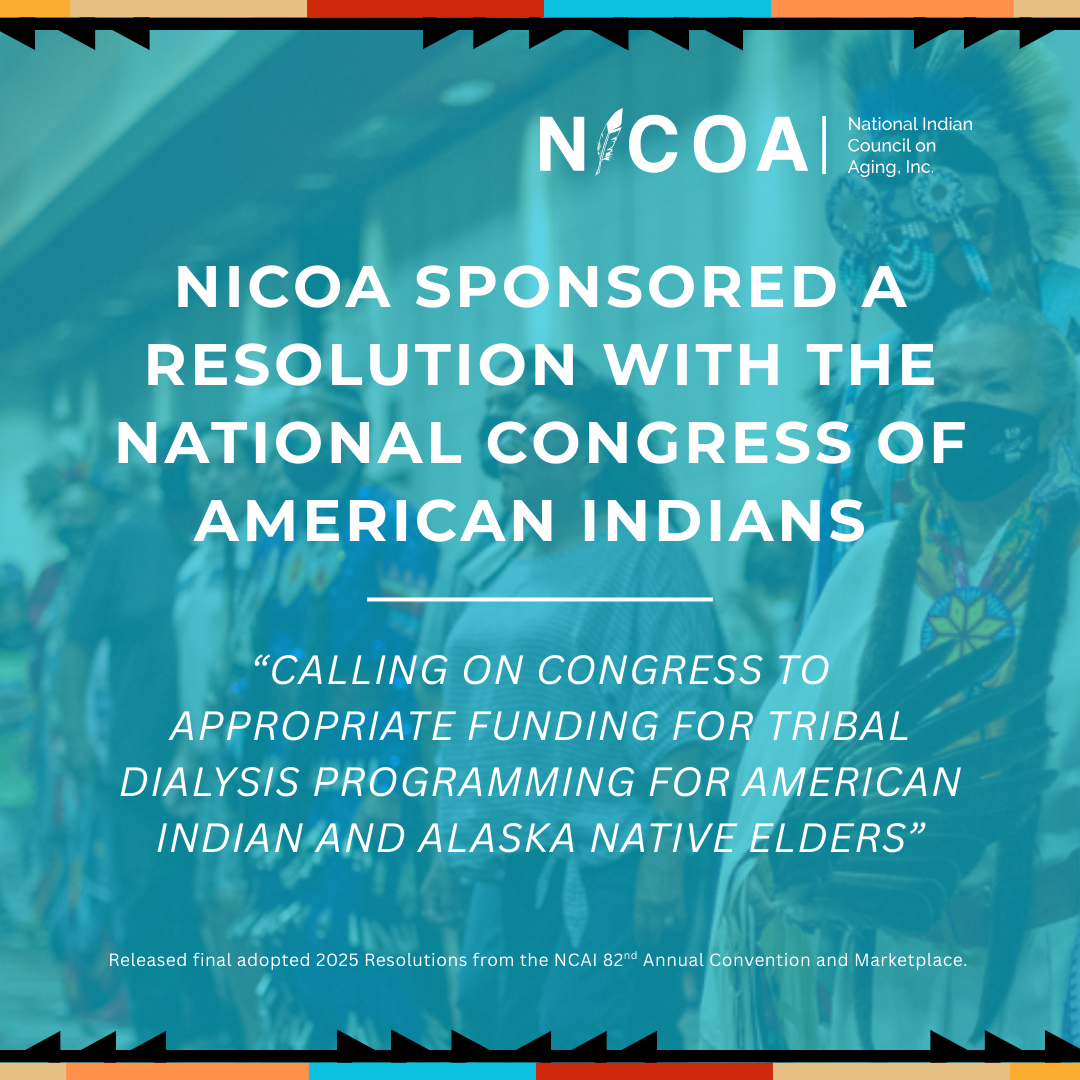
National Congress of American Indians Adopts NICOA Resolution: Calling on Congress to Appropriate Funding for Tribal Dialysis Programming for American Indian and Alaska Native Elders | |
Seattle, Washington - Board Members introduce NICOA Resolution to the National Congress of American Indians during the NCAI 82nd Annual Conference and Marketplace in October 2025. Due to the high prevalence of diabetes, cardiovascular disease, and end-stage renal disease along with underfunding of federal infrastructure like the Indian Health Services, this adopted resolution supports the continuity of advocacy for Native elders as NCAI brings this to the United States Congress to permanently reauthorize the Special Diabetes Program for Indians (SDPI) and appropriate a minimum of $500 million for SDPI to expand serving AI/AN across the United States.
| | | | |
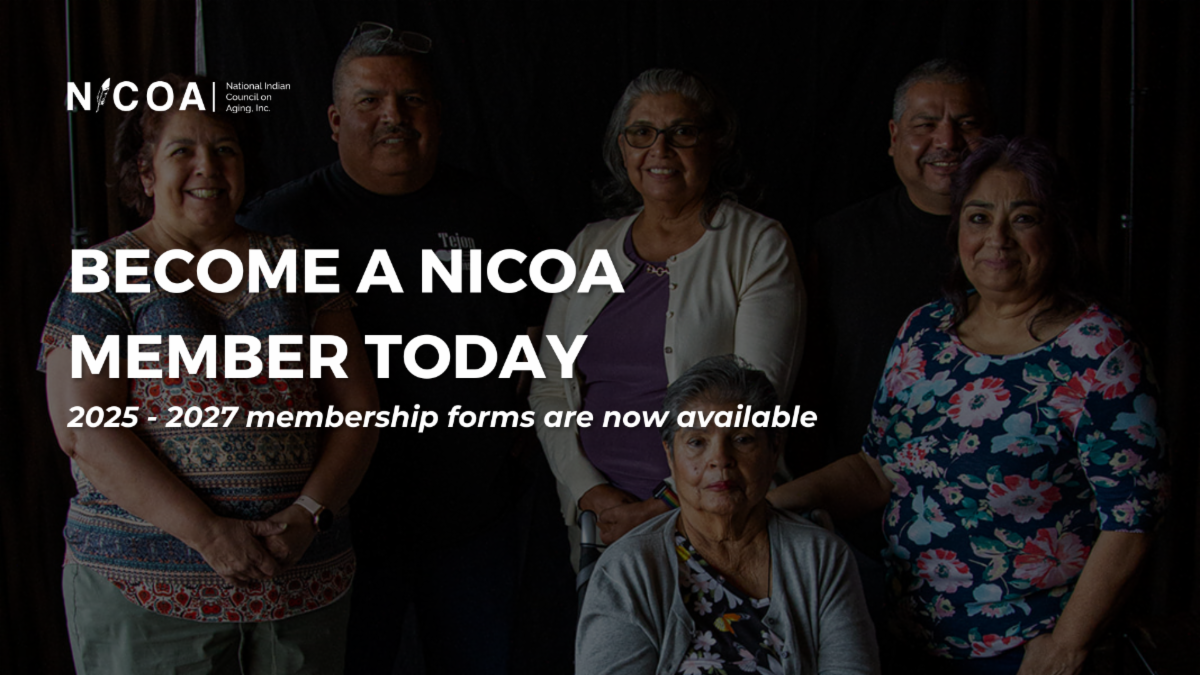
Become a NICOA Member:
2025-2027 Membership Available
| | |
Do you want to improve aging services for American Indian and Alaska Native elders?
If so, become an advocate and learn more about supporting Native elders! NICOA is the premier organization on Native aging, and we invite you to become a member. Anyone can become a member, regardless of their age.
All elders are encouraged to join and have their voices heard. Be an important part of a national membership network and become a NICOA member by applying today.
Memberships are up for renewal on December 2, 2027.
| |
Recent Tribal Newsletters | | | |
Bridging the Gap: Culturally Grounded Dementia Care for Indigenous Families |
 | |
As we look toward 2026, the intersection of cultural preservation and health awareness has never been more vital. Below is a summary of the storybook Pōmai and Her Papa, followed by a snapshot of the current landscape of dementia within American Indian, Alaska Native (AI/AN), and Native Hawaiian communities. Pōmai and Her Papa: A Story of Care and Connection Published by Hā Kūpuna (The National Resource Center for Native Hawaiian Elders), Pōmai and Her Papa is a heartwarming storybook designed to help children (ages 8 and up) and their families navigate the changes brought on by dementia. The story follows a young girl named Pōmai, who begins to notice her beloved grandfather, Papa, struggling with memory loss. Rather than focusing solely on the clinical aspects of the disease, the book emphasizes how families and the broader community can come together to provide support. In 2025, the project reached a new milestone with its translation into ʻōlelo Hawaiʻi and the release of an animated adaptation, ensuring that this gentle, culturally grounded resource is accessible across generations and languages.
| | | |
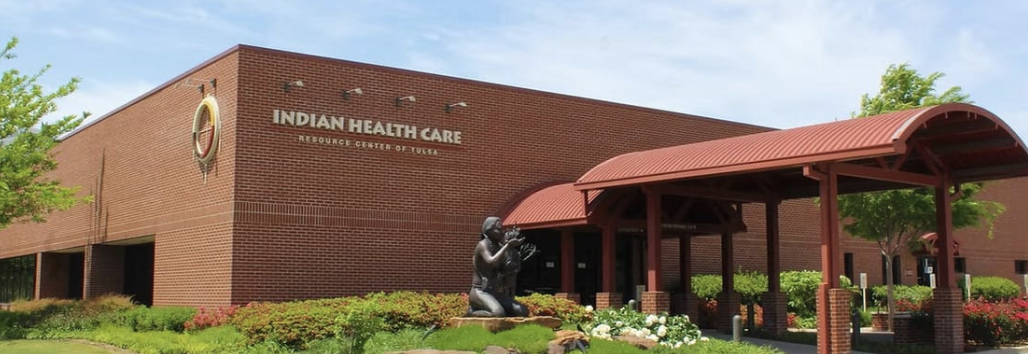
IHCRC Celebrates Major Expansion with Ribbon Cutting for New 62,000-Square-Foot Facility | |
The Indian Health Care Resource Center of Tulsa (IHCRC) will hold a ribbon cutting on July 2, 2025, to celebrate the completion of its 62,000-square-foot facility expansion. The ceremony will feature a Cedar Blessing and marks the culmination of over a decade of planning to enhance healthcare services for the Tulsa-area American Indian community. The expanded facility will offer new services including occupational, physical, and speech therapy, along with upgrades in dental, optometry, wellness, and pharmacy departments. This project more than doubles the size of IHCRC’s existing clinic, which has served the community since 1999. IHCRC also continues its tradition of excellence with recent recognition from the Oklahoma Center for Nonprofits and ongoing efforts to maintain national healthcare accreditation.
| | | |
National Glaucoma Awareness Month: The Importance of Early Detection |
January is Glaucoma Awareness Month, a vital time to learn about the "silent thief of sight." Glaucoma is a group of eye diseases that damage the optic nerve, leading to irreversible vision loss often without early symptoms or pain. While anyone can develop the condition, the risk is significantly higher for those over age 60, those with a family history of the disease, and individuals of African, Hispanic, Asian, or Native American descent. For American Indian and Alaska Native (AI/AN) communities, the risk is particularly high: research shows that approximately 6% of Native Americans have glaucoma, with half of those individuals unaware they have the condition. Furthermore, AI/AN Elders are more likely to develop aggressive or specific forms of the disease, such as pseudoexfoliation and normal-tension glaucoma. Because there is currently no cure, regular, comprehensive eye exams are the only way to detect glaucoma early and begin treatment to prevent significant vision loss.
| | | |
Historic Victory: Lumbee Tribe Secures Federal Recognition
After a century-long struggle for justice, the Lumbee Tribe of North Carolina has achieved full federal recognition following the U.S. Senate's passage of the National Defense Authorization Act (NDAA). This landmark decision 77 to 20 vote establishes a formal government-to-government relationship with the United States, designating the Lumbee as the nation's 575th federally recognized tribe. This designation corrects a 1956 law that recognized the tribe but denied them federal benefits, finally granting tribal citizens access to critical resources for health, education, and economic development. Tribal Chairman Lowery called the moment "overdue justice," honoring the generations of ancestors who fought to see the Lumbee people’s identity fully acknowledged by the federal government.
| | | |
NARF and Tribal Coalition Fight to Protect Federal Funding | |
On December 24, 2025, the Native American Rights Fund (NARF) filed an amicus brief in the U.S. Court of Appeals for the D.C. Circuit, urging the court to uphold an injunction against a broad federal funding freeze. The brief was filed on behalf of a powerful coalition including the National Congress of American Indians (NCAI), the National Indian Child Welfare Association (NICWA), and several regional tribal associations. The legal battle centers on a January 2025 directive from the Office of Management and Budget (OMB) that paused federal financial assistance, a move that a district court judge previously called "economically catastrophic" and potentially fatal.
| | | |
Ute Indian Tribe Expands Lawsuit Over Tabby Mountain Land Dispute
The Ute Indian Tribe of the Uintah and Ouray Reservation has intensified its legal battle against the State of Utah, filing an amended federal lawsuit that names several high-ranking state officials as defendants. The lawsuit, originally filed in 2023, alleges a wide-ranging conspiracy to prevent the Tribe from purchasing 28,000 acres of ancestral land on Tabby Mountain. The Ute Indian Tribe is seeking a court order to compel the sale of Tabby Mountain to them, a declaration that the state's actions were discriminatory, and an injunction against the new legislation. State officials have denied the allegations, maintaining that the narrative is inaccurate and that the state intends to preserve public access to the mountain.
| | | | | | |
|
We are committed to providing services for Native elders, but the power to provide starts with you.
Your support brings attention, education, and improved services to elders and people with disabilities across Indian Country. Every elder deserves access to the services and resources necessary to age independently, with dignity, and in their chosen community.
Consider donating to us directly to help us with our mission to improve the lives of American Indian and Alaska Native elders. Your financial support will go directly to supporting our mission to improve health, social services and economic well-being for all Native elders.
| |
| How did you like this email? | | | | The National Indian Council on Aging | 8500 Menaul Blvd. NE, Suite B-470, Albuquerque, NM 87112 | 505-292-2001 | www.nicoa.org | | | | |