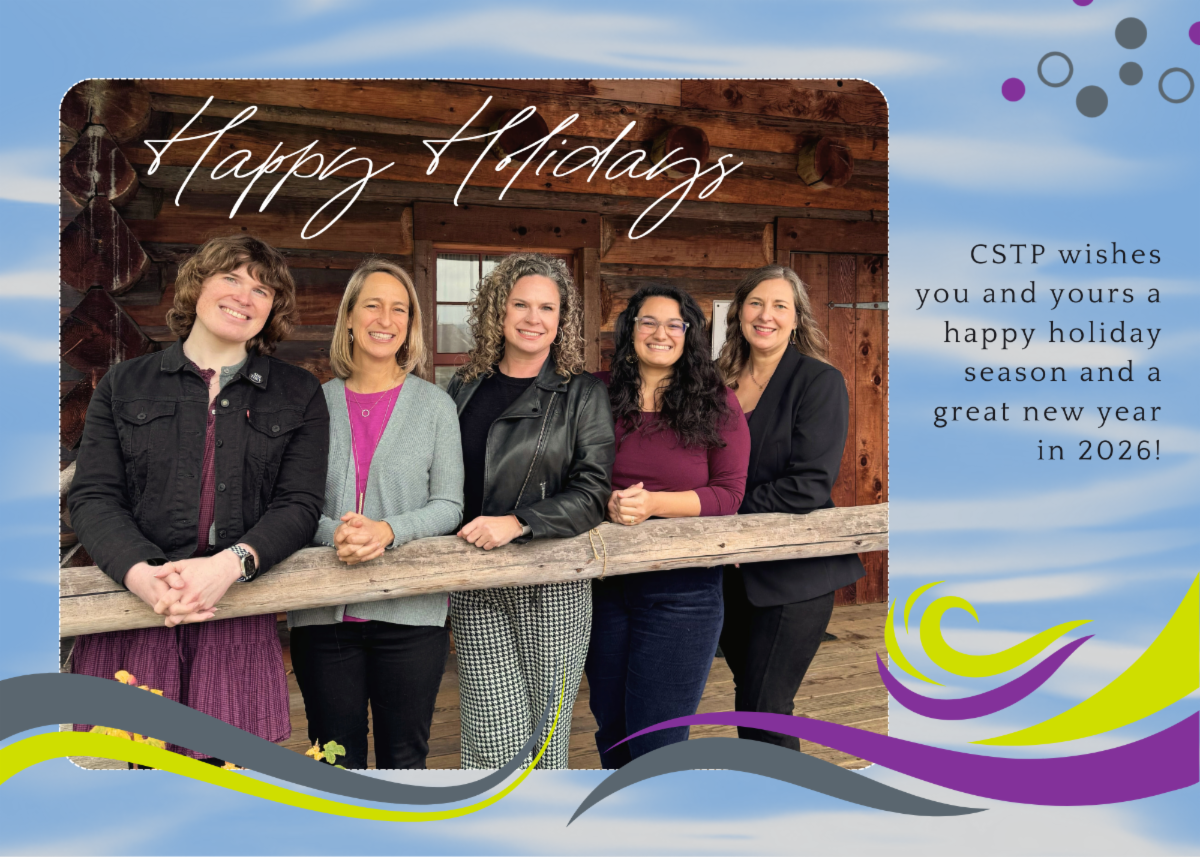
Happy New Year from all of us at CSTP! Hoping your personal 2026 in the classroom and beyond is starting well! | | Student Growth Goal Colloquiums: Registration is Open! | | |
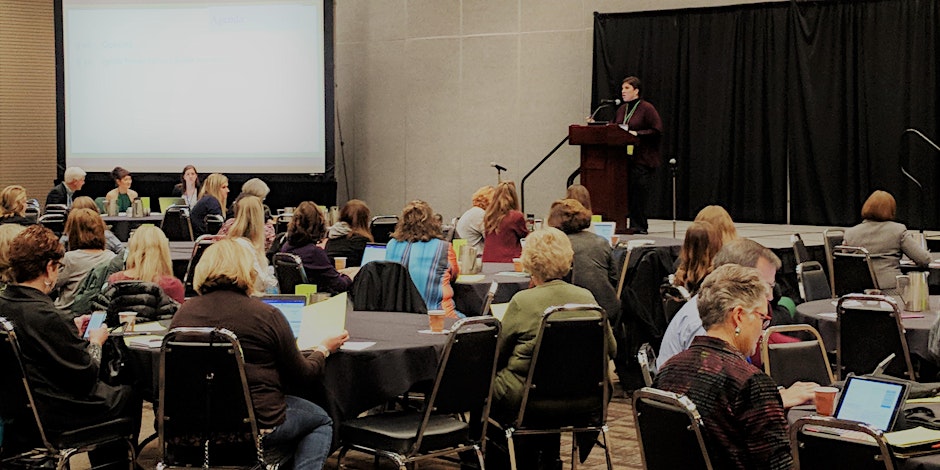
CSTP is hosting two Student Growth Goal Implementation Colloquiums in February, one for each side of the state. On February 11, we will be in Pasco. On February 26, we will be in the Seattle area.
Register for SGG Colloquium EAST.
Register for SGG Colloquium WEST.
Cost to Attend: $25
Who Should Attend: District Administrators, Principals, Instructional Coaches, PLC Leads, Teachers and Educational Leaders
Draft Agenda:
8:30 - Check in & Networking
9:00 - Welcome & Framing the Day
9:15 - Student Growth Stories
11:15 - Q & A
11:30 - Lunch & Networking
12:30 - Small group discussion - Job Alike
1:45 - Alignment of goals to FW
2:30 - Team time
3:00 - Closing Reflections & Call to Action
| | Washington's 2026 Legislative Session Has Begun | |
As of Monday, our 2025 Legislative Session has begun! CSTP will once more be providing information on all bills that educators should keep an eye on. Every Friday, our Legislative Update Coordinator, Samantha Miller, will recap the week's events and what bills are still in play.
You can stay updated and catch up on past weeks (and even updates from past years) here on our Stories From Schools blog! We will also be sending out updates via email.
Read the legislative preview from last Friday here.
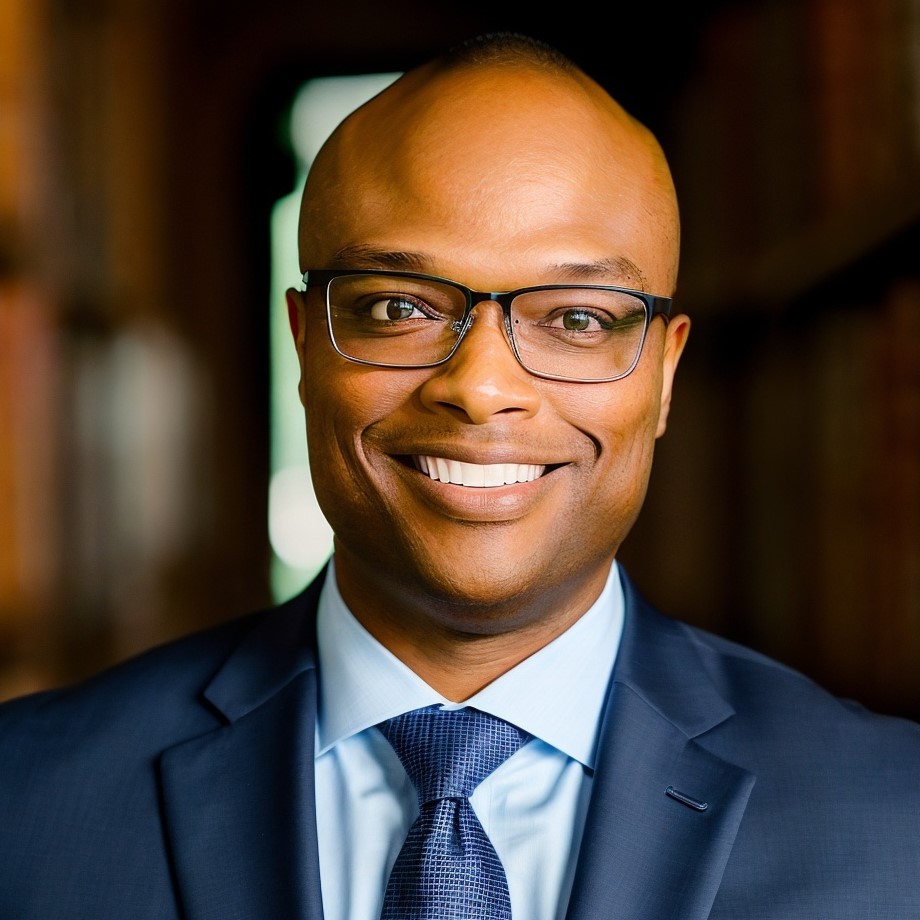
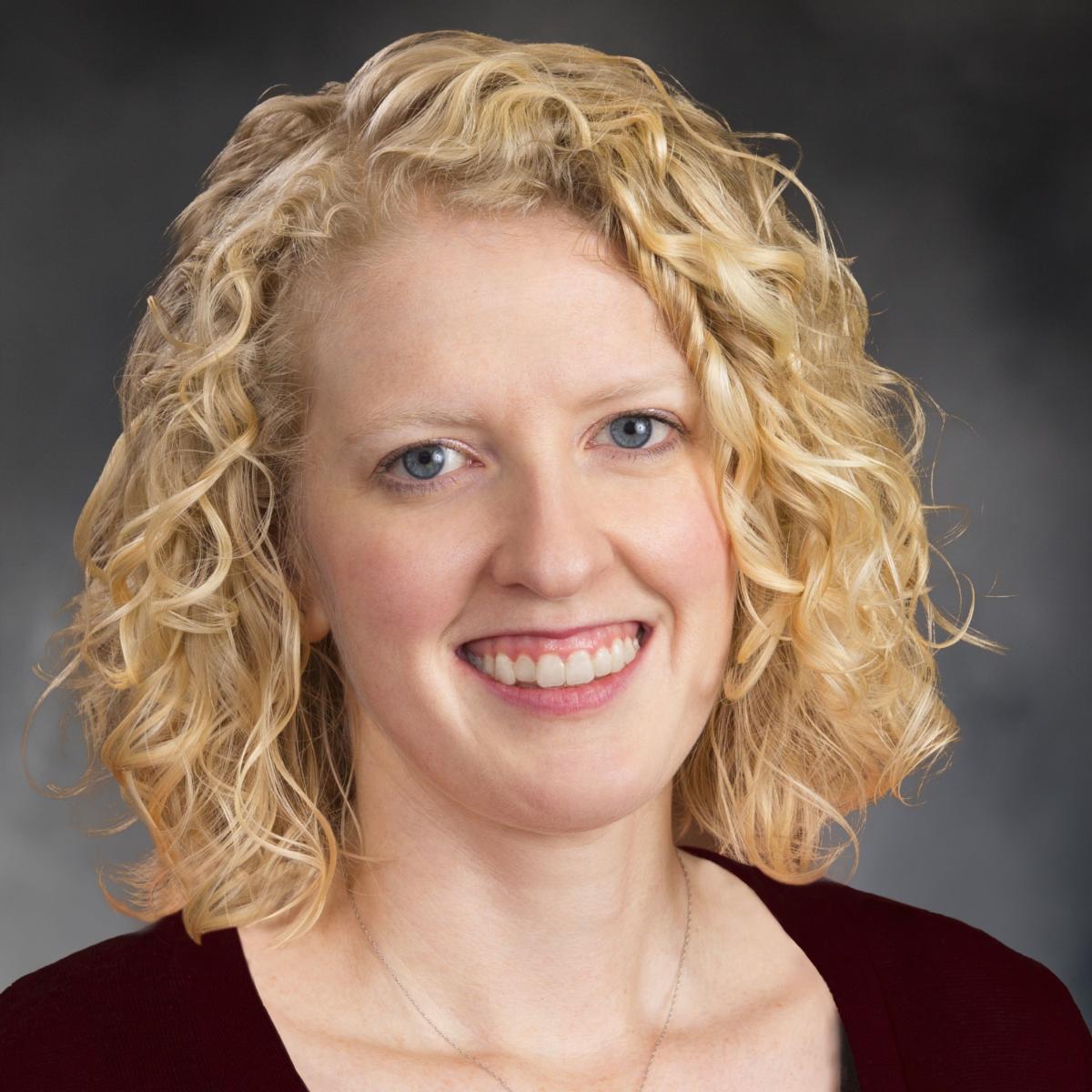
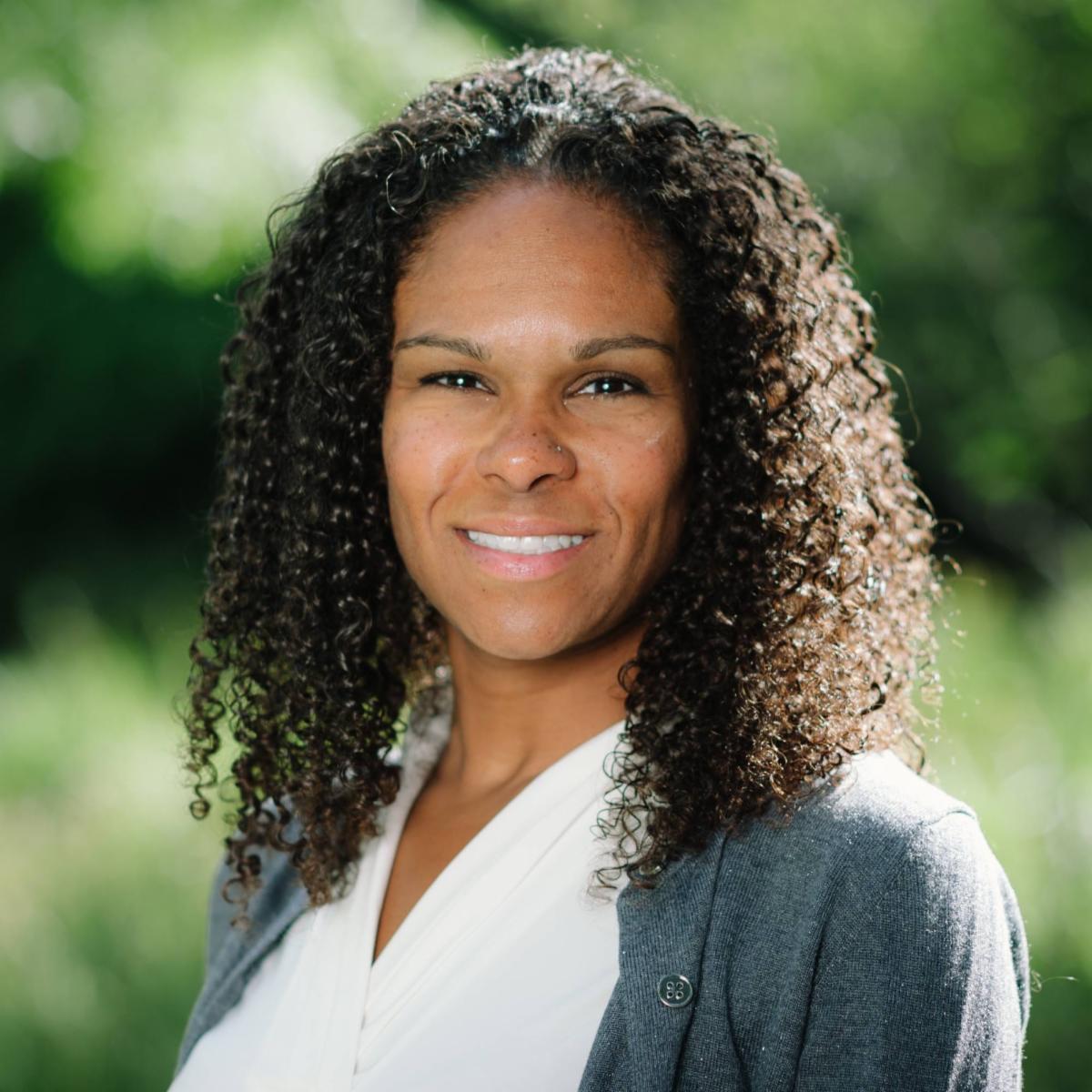
| Welcome Our New CSTP Board Members | | We are happy to welcome three new board members in 2026: Kirsten Copeland, Sara Ketelsen, and Lara Nybo. We also bid a fond farewell to Constantino Montes as he continues to focus on other areas of the Washington Education Space. | | |
Kirsten Copeland
Kirsten is an educational leader committed to strengthening teaching through purposeful professional learning, instructional coaching, and systems that support both educators and students. His work has focused on adult learning, inclusive instructional practices, and the development of trust-centered leadership structures.
| | |
Sara Ketelsen
Sara is passionate about developing excellent teachers and teacher advocates. She has been a math teacher (6-12), Adjunct for Pre-Service teachers (PLU), as well as an Instructional Coach for 4 years. She has previously served on the WEA board and currently on the State Investment board as the TERS representative.
| | |
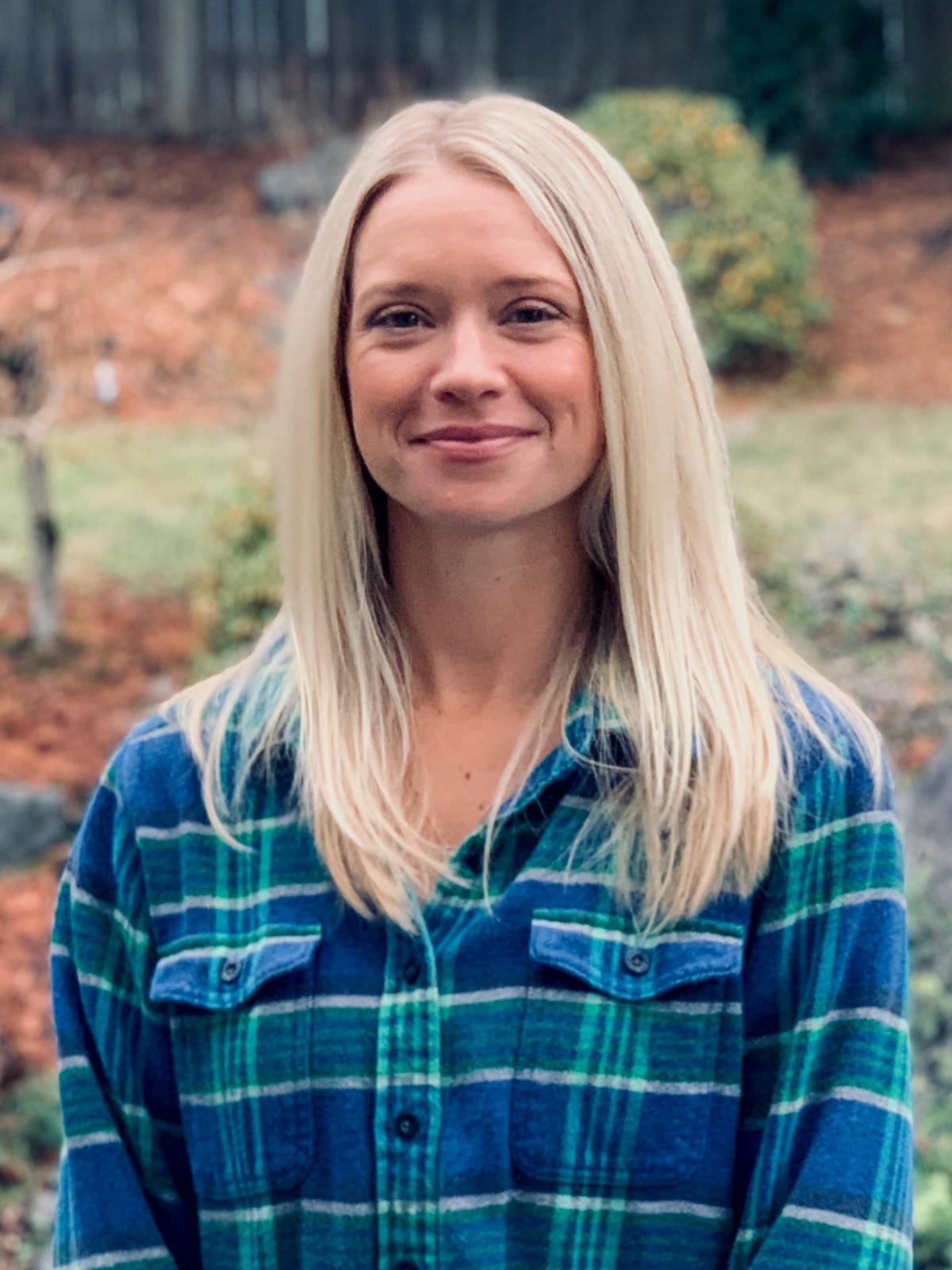
Lara Nybo
Lara Nelson Nybo is an elementary school principal in Spokane, Washington, with a strong history in the education space spanning over 20 years as a classroom teacher and school leader. She spent 16 years teaching in both Title I and non-Title elementary classrooms and is currently in her fourth year as an elementary principal.
| | Bring CSTP Expertise to Your School or District's Professional Learning | | |
As the school year continues on and you are considering what professional learning you need for the year, CSTP is ready to collaborate with you! We provide consultation, facilitation, and coaching to support teacher leadership, teamwork, and customized professional learning in your school or district.
We bring expertise in:
-
Teacher Leadership Development, helping educators step into influential roles and contribute meaningfully at the school and district level.
-
Supporting Teacher Teams, offering structures and strategies that enhance team communication and empower collaborative, equity-focused reflective practice
-
Culturally Responsive Pedagogy, equipping educators with tools and mindsets that support all students to access rigorous, engaging work while honoring all students’ identities
Let CSTP help you design meaningful learning experiences, launch leadership frameworks, or amplify teacher-led initiatives—whether virtual or in-person. Interested in exploring how CSTP can support your school or district? Reach out to Linsdey@cstp-wa.org. We’re ready to collaborate with you!
| | Partner with CSTP to Offer Clock Hours at Your Next Training | | |
Are you running a course, professional development or book study and want to offer Washington State clock hours? CSTP is an approved Washington State clock hour provider and can approve your courses for clock hours. It is free for the instructor to apply for the course with participants paying a nominal fee.
Learn More and Apply for Clock Hours
| | Some Data on our New and Recertified NBCTs! | |
On behalf of the Washington National Board partnership (CSTP, WEA, OSPI), we’d like to welcome 339 new National Board Certified Teachers to the state network! This is a rigorous and difficult process, so we want to commend the entirety of you on a 68% pass rate for eligible candidates.
Our top five districts for new NBCTs are: Seattle; Highline; Lake Washington; Spokane; Northshore.
We would also like to extend our congratulations to our 375 recertified educators. Our top five districts for recerts are: Seattle; Tacoma; Bellevue; Spokane; Evergreen.
| WEA National Board Information and Support | |
All WEA sessions are available for WEA members only. Visit the WEA National Board Certification webpage for more information and more course availability.
National Board Information Session Series
Session 1: Overview
- Thursday, January 29, 2026 - 4:30 to 6:30 pm
- Wednesday, April 29, 2026 - 4:30 to 6:30 pm
Session 2: Standards & Process
- Thursday, February 5, 2026 - 4:30 to 6:30 pm
- Wednesday, May 6, 2026 - 4:30 to 6:30 pm
Session 3: Support & Next Steps: Session 3
- Thursday, February 12, 2026 - 4:30 to 6:30 pm
- Wednesday, May 13, 2026 - 4:30 to 6:30 pm
Certification Winter Support Series
- Saturday, January 24, 2026 - 9 am to 12 pm: Component 4 - Analyzing Student Information
- Saturday, February 21, 2026 - 9 am to 12 pm: Component 1 - Assessment Center
| National Board Writing Webinars | | |
Register today for OSPI's National Board Writing Webinars!
Who: Any National Board candidate working toward National Board Certification in 2025-2026
What: These one-hour webinars are designed to support writing for the National Board portfolio. Candidates should expect to examine their own writing and work with peers on the selected topic. These sessions DO NOT replace cohorts nor conditional loan requirements.
When: Winter-Spring, always Tuesdays, 4:30 PM-5:30 PM
Series B (Winter-Spring) REGISTER HERE!
- Jan 20: Writing about Instructional Context
- Feb 3: Forms & Written Commentary
- Feb 24: Identifying and Writing about Goals
- March 10: Using Evidence in Written Commentary
- March 17: Integrating National Board Standards
- April 7: Writing Tips: Convincing, Clear, Consistent
Where: Zoom – Register above and select the sessions you’d like to attend. You will need an account with https://zoom.us/ and an electronic device to join. A Zoom link will follow in an email after completing the registration survey. Each session per series uses the same Zoom.
RSVP is required – registration will close day-of event. Contact OSPI National Board Program Specialist, Steven Mueller, at Steven.Mueller@k12.wa.us for any questions
| | LEV Podcast with 2026 Teacher of the Year Gabriela Whitemarsh! | | |
League of Education Voters CEO Arik Korman interviews Gabriela Whitemarsh, the 2026 Washington state Teacher of the Year, who teaches Bilingual Math at Pasco High School in the Pasco School District. Gabriela discusses how her bilingual math program came to be, what outcomes and barriers she has seen for her program, what worked and what didn’t work in her personal education journey, and how she would change Washington’s education system if she were in charge and there were no budgetary constraints.
Listen here.
| | OSPI Updates on Math Learning Standards | | |
The Washington State K–12 Learning Standards for Mathematics were released for Initial Adoption in the December 4, 2025 Bulletin.
These standards are a result of over two years of development and collaboration with educators and partners in education, communities and workforce.
The initial adoption of learning standards allows educators to review and begin to use the standards in instruction. A survey is available until February 13, 2026 to collect feedback on the learning standards that will be considered in the Final Adoption of the learning standards which is planned for summer of 2026.
The learning standards for mathematics are available in different formats:
- An excel spreadsheet format with tabs for:
- Standards listed by grade and high school course sequences
- Crosswalk to the Common Core State Standards for Mathematics
- Glossary
- Room for future updates with standards connections
- Word and PDF document with standards listed by grade and high school course sequences
- Summary of changes handout
- Key Shifts document to help understand the differences in the newly revised standards.
Future Standards Revisions
- Financial education: Released for Public Comment are the Draft Washington State K–12 Learning Standards for Financial Education. The draft standards can be reviewed and feedback can be submitted by February 13, 2026 via the survey posted to the website.
-
Social Studies: The Washington State K–12 Learning Standards for Social Studies will begin the review and revision process in 2026. We are seeking feedback from educators that use the standards to be used in our review and revision process. The survey is also available on the website until February 13, 2026.
| | Upcoming Holiday: Martin Luthor King, Jr. Day | | |
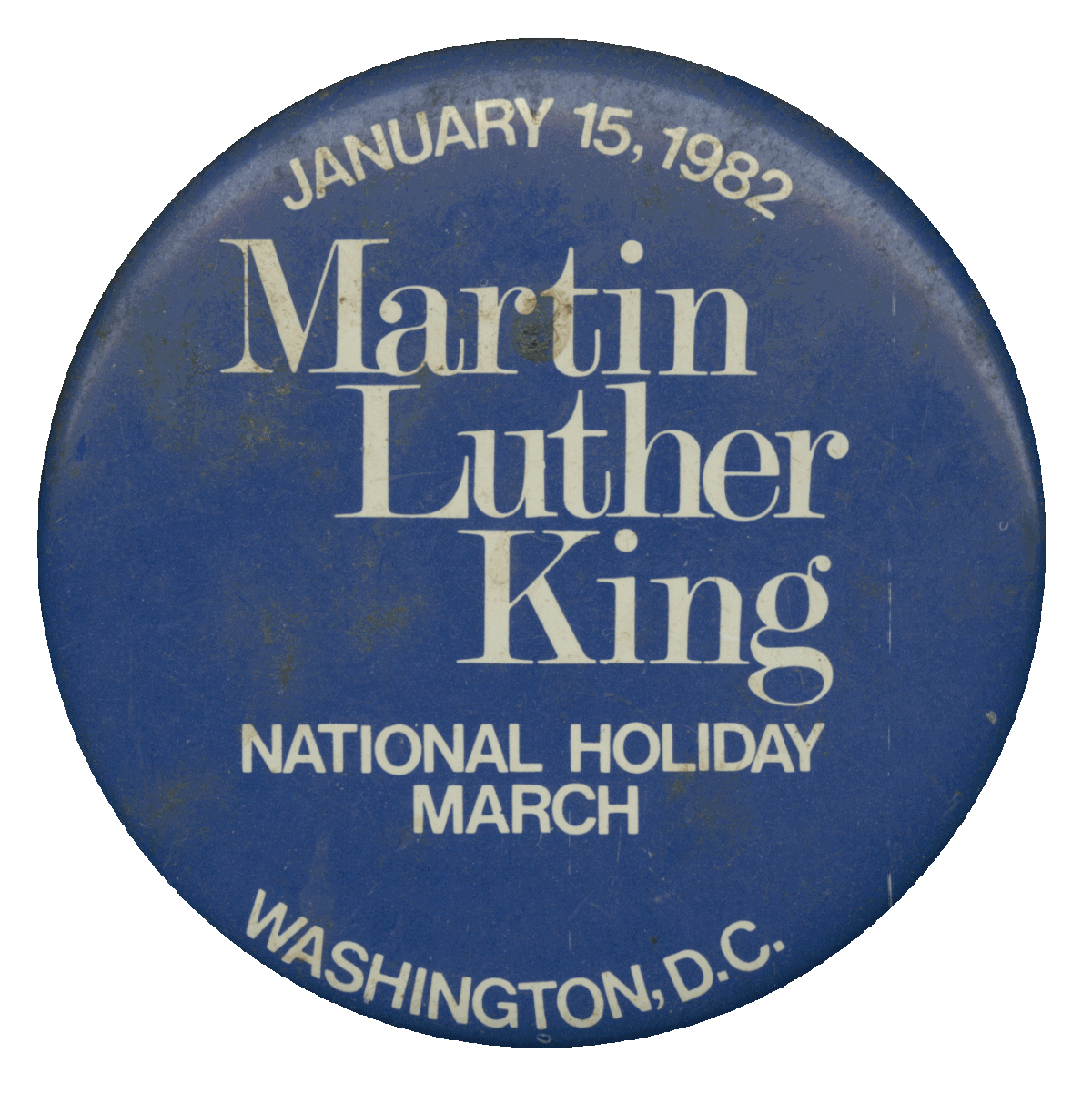
On January 19, 2026, we celebrate and honor Dr. Martin Luthor King, Jr.
From the National Museum of African American History and Culture:
"On November 2, 1983, President Ronald Reagan signed the King Holiday Bill into law, designating the third Monday in January a federal holiday in observance of civil rights leader Dr. Martin Luther King, Jr. The legislation to recognize Martin Luther King Jr. Day was first introduced just four days after his assassination on April 4, 1968. Still, it would take 15 years of persistence by civil rights activists for the holiday to be approved by the federal government and an additional 17 years for it to be recognized in all 50 states. Today, it is the only federal holiday designated as a national day of service to encourage all Americans to volunteer and improve their communities."
Read more here.
| | |
Join us for fun facts, obscure knowledge, and exploration of physics, genetics, etymology, art, and more!
| | |
What is the difference between hair and fur? Chemically, nothing! Thanks for reading, and I’ll see you next time!
All right, fine. There is a little more to it than that. At the base level, hair and fur are composed of the same thing: Thin strands of keratin that grow from follicles in a mammal’s skin. Keratin is a protein which, in different filament arrangements, also makes up nails, hooves, horns, and claws. Hair filaments are finer, made up of small, flexible pieces instead of multiple hard layers.
The hair we commonly call fur is an arrangement of multiple lengths and textures of hair. Furry mammals have an insulating underlayer of short hairs with an upper layer of guard hairs that grow longer and denser. In aquatic mammals like seals, for example, these guard hairs grow so densely that they form a watertight coat.
The lifespan of any hair can be split into phases. The first is the anagen, or growing, phase. Subsequent phases stop the growth, rest the hair, then cause the hair to be shed as a new one grows in its place. For the hair on our heads, this anagen phase lasts multiple years, but in other mammals, this phase could last only weeks or days. While it may seem like hair keeps growing while fur stops at a certain point, all hair stops growing and is subsequently shed, just on different time scales.
Plenty of common animals have a mix of long-anagen and short-anagen hairs. Horses are fuzzy on their bodies but have long, braidable hair on their tails and manes. Long-haired cats have guard hairs with a longer anagen phase than short-hair cats but still less growing time than human hair. Dogs vary enormously between breeds, with some having guard hairs with quite a long anagen phase. This is why breeds like poodles or Yorkshire terriers need regular haircuts.
In terms of language, we often get more specific. Wool is a hair with a very distinct curl pattern and density. A cat’s whiskers have a longer anagen phase and come from follicles tied directly to sensitive nerves. A porcupine’s quills are a type of hair so unlike human hair or fuzzy fur that we barely recognize it as such. Many of our distinctions between types of hair are about functionality and language rather than scientific specificity.
There is room in mammals for all manner of hair, whether we call it fur or not. Even primates like us have hairs of varying anagen phases and specialties. I like the option of growing out the hair on my head, but I shudder to think of what our eyelashes would do with a growing phase measured in years. I prefer them short and protecting my eyes, thank you very much.
| | Your gift ensures that CSTP continues to support student achievement through a focus on teaching excellence. With you as a partner in CSTP’s mission, you directly make a difference in the lives of youth across Washington State schools. Donations are tax deductible and essential as CSTP works to support educators navigate unique models of student engagement and teacher leadership. | | Liking and sharing our posts on social media is another way you can support CSTP during these times. Thank you for sharing our message. | | | | |