|
According to recent studies, the sharp decline in active outdoor play throughout the country carries risky consequences.
Allowing children to explore the world and navigate the risks of the outdoors helps them gain a crucial sense of autonomy and resilience later on in life.
In a CBC article on the subject, Dr. Suzanne Beno from the Canadian Paediatric Society shares,
"To counter rising obesity, anxiety, and behavioural issues, we need to get outside and do things that might leave a bruise."
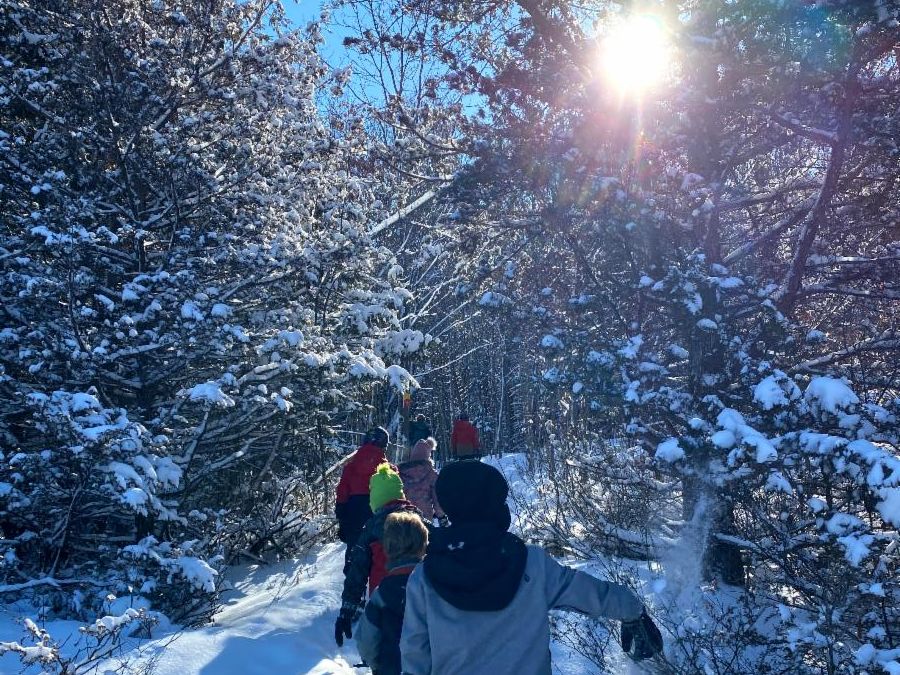
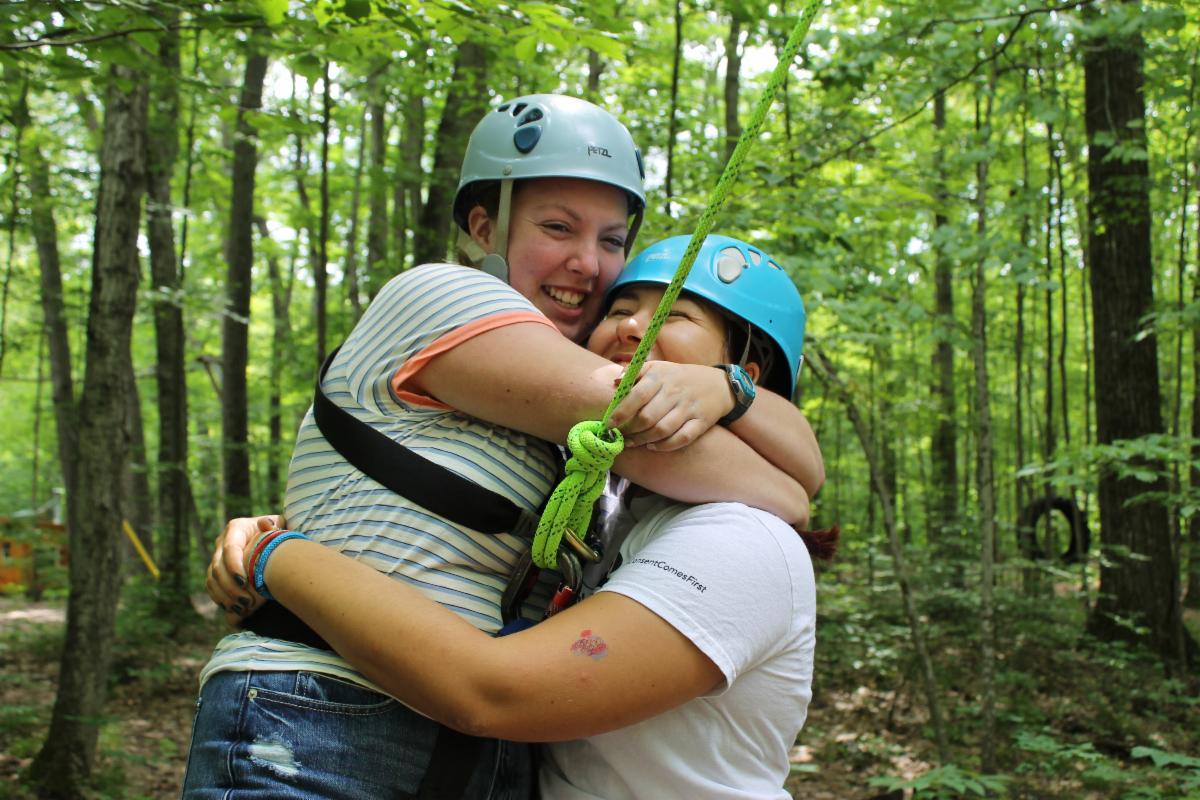
Actions like climbing trees, running through fields, or playing games in outdoor spaces are great examples of risky play: activities that have a slight chance of leaving a scratch or scrape, but a great chance of teaching kids how to develop social, physical, and psychological skills.
And yet, with standard winter activities like tobogganing being banned in Ontario, children are losing the capacity to gain the essential, lifelong tools that come with outdoor play.
Encouraging risky play does not mean ignoring bike helmets or lifejackets. We should always take the necessary measures to avoid major hazards.
However, it does mean that parents and adult supervisors can help children further develop their skills and mental health by allowing some breathing room for young people to play outside.
We grow and learn from taking physical risks outdoors. So, let's keep the growth and learning going!
|