|
ECHO Initiative Events
* * * * * * * * * *
New Live Webinars:
Introductory Webinar:
Planning Evidence-Based Hearing Screening Practices for Children
0-3 Years of Age
Tuesday, Jan. 16th, 2018
1:00-2:00 p.m. Eastern
* * * * * * * * * *
New 2018
OAE Training
Web Class:
Four Sessions
:
February 5th, 8th,
12th, and 15th, 2018
1 p.m. EDT
Link to Previous Recorded Webinars:
If you've missed any of
our previous webinars,
click here to access our library of previously recorded webinars.
|
|
|
|
I
f your program is new to OAE screening, or if you have added new staff who need instruction on OAE
screening practices,
visit our
where staff can view instructional video modules and access the corresponding
resources.
|
|
Quick Links
|
|  Find more helpful hints from previous issues of Probes and Tips and many other
resources at: www.kidshearing.org |
|
|
 |
|
The Positive Impact of a
"Refer" Result
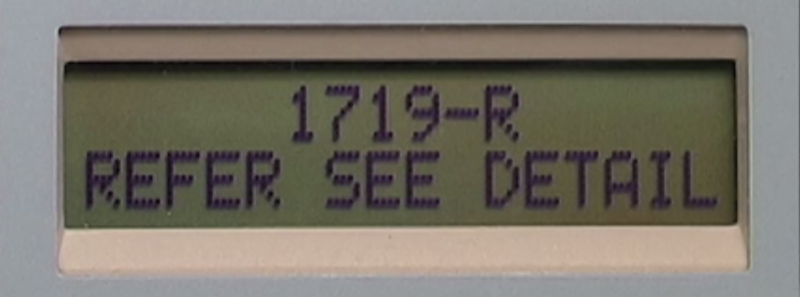
Although it may seem like a negative outcome when a child does not pass a hearing screening, the "refer" result is actually an opportunity to engage in a process that can have a positive impact on a
 child's life. The quality of a screening program cannot be measured simply b
y the number of children who pass; it is more accurately reflected in
the number of children whose previously unrecogniz
ed hearing health needs a
re identified and met.
The critical key is the follow-up that happens AFTER the screening procedure.
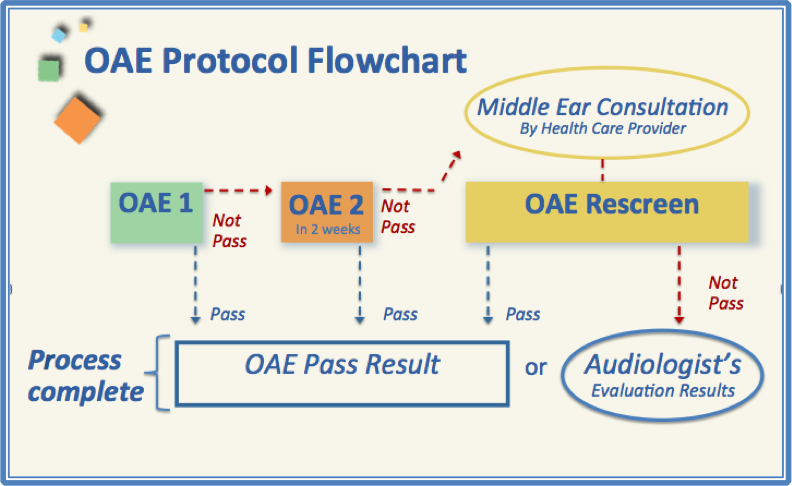
By adhering to a well-designed OAE or Pure Tone screening protocol, the actions you take can have a significant positive impact on a child's life by helping to identify:
- Fluctuating (temporary) outer or middle ear conditions. Although the primary purpose of screening is to identify permanent hearing loss, the process can also alert providers to chronic conditions that need attention. By making a prompt referral to a health care provider when children refer from screening, many of these conditions can be diagnosed and resolved. Even temporary conditions can affect a child's ability to hear and cooperate with instructions, especially in noisy environments. If left unresolved over time, they can also negatively affect language learning.
- Permanent hearing loss, usually associated with the cochlea (inner ear). By rescreening children AFTER a health care provider has resolved any temporary conditions, and by making a referral to a pediatric audiologist when children still do not pass, a permanent loss can be diagnosed and intervention begun. Approximately 3 children per thousand are born with a permanent hearing loss and an additional 2 - 3 per thousand will lose their hearing during early childhood. Early diagnosis and intervention will make a world of difference in their lives.
- Mixed hearing loss. It is also possible for children to have a a temporary loss affecting the outer or middle ear AND a permanent loss affecting the cochlea. That is why children who are treated for outer or middle ear problems have to be rescreened once the fluctuating conditions have been resolved.
Although we suggest that programs monitor their pass/refer rates as a way to minimize referrals based on screener error, an accurate "refer" result can be the first step in helping a child whose hearing problems have not yet been recognized. The overarching goal of screening is to correctly identify those children who need further follow-up and to make sure they receive it.
|
 |
Do you have questions about what steps to take if a child refers from screening?
Let us know at:
And, as always, share
www.KidsHearing.org
with anyone you think would benefit from our resources.
|
|

2615 Old Main Hill
Logan, UT 84322
|
|
|