|
What do farmers do in the winter?
In the North Country, whether a farm spans one acre, 100 acres, or more, the harsh winter conditions are no excuse to slow down. For farmers in this rugged region, frigid temperatures, frost, and biting winds aren't invitations to hibernate. Instead, winter is a time to focus on the tasks that will set the stage for success in the coming seasons—whether those goals are social, environmental, or economic. It’s a season of preparation and determination, as farmers continue their work to feed communities and care for the land.
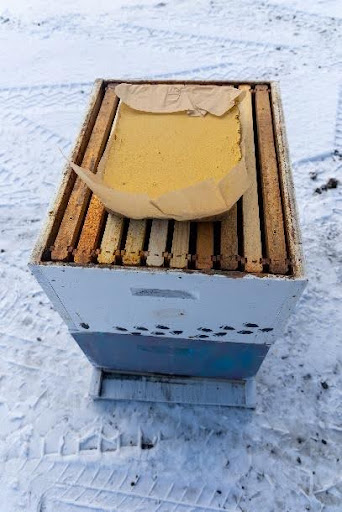
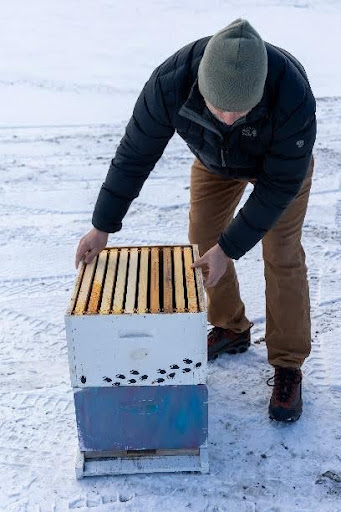
As winter settles in across the North Country, beekeepers are facing the challenges of the season with careful preparation and concern. The cold months bring unique obstacles for their hives, with the survival of their bees hanging in the balance. The essay linked below, written by Alden Timm, St. Lawrence University, GardenShare intern, takes a closer look at the winter realities for beekeepers and the factors that impact the
survival of their colonies.
"For beekeepers in the north, the winter is an especially anxious time. The last time they see their beloved bees before the freeze is in early November when they winterize their hives. They come out in early March. Going into the winter... " CLICK HERE TO READ MORE
|