|
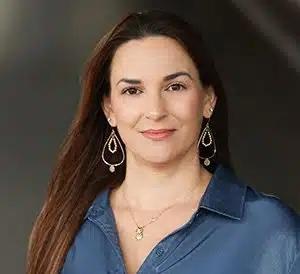
My name is Sarah Lucas, and standing here tonight is something that, at one point, I never thought would be possible.
In September 2021, when I was living in my hometown in Arkansas, I was involved in a devastating house fire. Eighty percent of my body was burned in the third degree, and doctors gave me just a one percent chance of survival.
But somehow, I survived.
I spent more than a year in the hospital fighting for my life. When I was finally discharged, I was grateful to be alive, but emotionally I was completely lost. I didn't recognize myself. I had lost everything that once felt familiar, and it felt like my life had stopped while the rest of the world kept moving without me.
I didn't know how to cope with the trauma, the grief, or the pain.
Eventually, my husband and I began using drugs together. At the time, it felt like an escape. Drugs helped me forget everything that had happened.
What I didn't understand then was that I wasn't healing from my trauma. I was running from it.
And no matter how far you run, you can never run away from yourself.
What followed were some of the darkest years of my life.
My husband and I traveled across the country, homeless and addicted. We slept in tents, walked miles every day searching for our next fix, and lived with constant uncertainty and danger. Eventually, we made our way to California, where the cycle of addiction, homelessness, and abuse continued.
One morning in Monterey, an argument with my husband turned violent. A stranger saw what was happening and called the police.
That intervention likely saved my life.
Not long afterward, I discovered I was pregnant.
I should have felt joy, but instead I felt fear. I was homeless, addicted, and carrying a child.
For the first time, I told someone the truth.
I admitted that I needed help.
That honesty led me to a domestic violence shelter and eventually to services that connected me to treatment. But recovery is rarely a straight line. I relapsed. I returned to unhealthy relationships. I continued struggling despite desperately wanting a different life for myself and my baby.
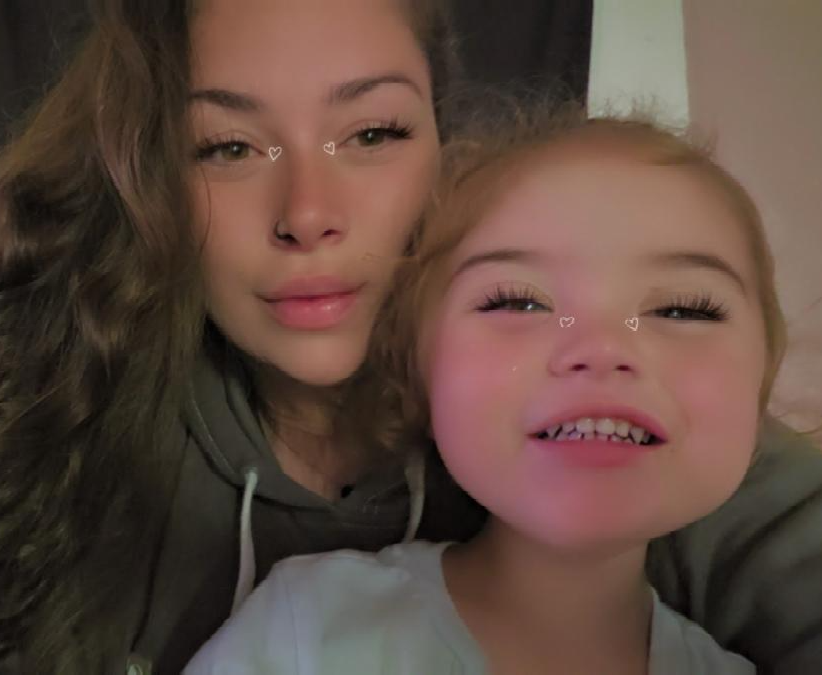
When my daughter, Biloxi, was born, she was exposed to drugs, and Child Protective Services became involved.
I was given a choice: enter treatment with my newborn daughter or lose custody of her.
That choice led me to Janus.
And Janus changed my life.
For the first time, I found people who understood addiction and treated me with compassion instead of judgment. I found a community that believed in me when I could not believe in myself.
I completed treatment, but recovery still wasn't easy. I relapsed again and eventually lost custody of my daughter.
It was one of the most painful experiences of my life.
But this time, something was different.
Because of Janus, I knew where to turn.
One morning, I packed everything I owned and walked back into treatment. I was terrified. I was ashamed. I thought people would be disappointed in me.
Instead, they welcomed me back with open arms.
That moment taught me something I will never forget:
Recovery isn't about being perfect.
It's about not giving up.
The staff at Janus helped me rebuild every part of my life. They helped me reconnect with my daughter, find housing, access resources, and, most importantly, believe that I was worthy of a future.
Today, I have been sober for more than two years.
I have my daughter back, and my CPS case is closed.
I am divorced and free from the cycle of abuse that once controlled my life.
My 17-year-old son lives with me, and we have rebuilt a relationship I once feared was lost forever.
I have a home.
I am in college.
I am building a career.
And most importantly, I have hope.
When I was living in a tent on the beach, I could only dream of the life I have today.
Janus gave me the support, guidance, and second chances that made that dream possible.
They helped me find strength when I felt hopeless.
They stood beside me when I stumbled.
They reminded me that my story wasn't over.
Tonight, when you support Janus, you're not just funding programs.
You're giving someone a second chance.
You're helping a mother reunite with her child.
You're helping a family heal.
You're helping someone discover that recovery is possible, even when they have lost hope.
I know that because I am standing here as proof.
|