Jerusalem: 1949
Foreword by Rabbi Daniel Bouskila
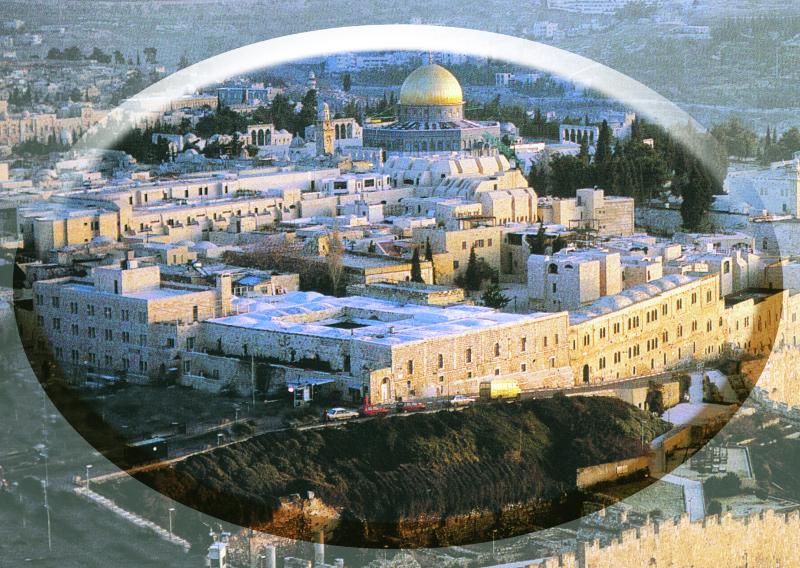
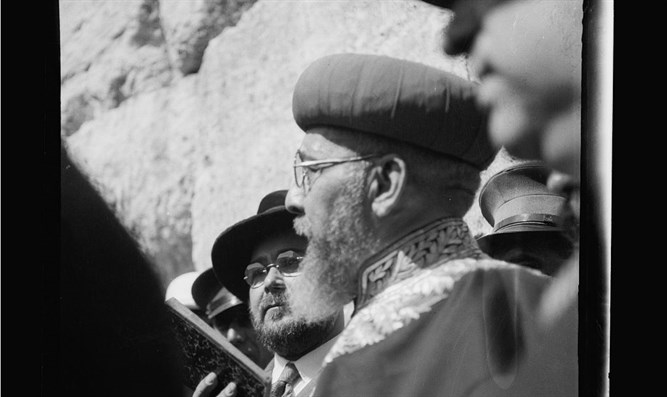
As the world reacts to the declaration on Jerusalem by President Trump, rather than offering my own words, I prefer to present those of Rav Uziel, Israel's Sephardic Chief Rabbi from 1939-1953. In April 1949, during the first Passover celebration in the newly born modern-day State of Israel, Rav Uziel offered these beautiful words about...Jerusalem. At the time, Jerusalem was a physically divided city, and Jews were prohibited from visiting or praying at the holy sites such as the Kotel. The Sephardic community had deep roots in the Old City of Jerusalem, dating back to the years after the expulsion from Spain in 1492, when many Spanish Jews ultimately came to Jerusalem. This included the Uziel family. Rav Uziel was educated from childhood in the Sephardic Talmud Torah and then Yeshivat Tifereth Yerushalayim, both long standing Sephardic institutions of learning that were located in the the Old City, in the Spanish Courtyard building that today is the Sephardic Educational Center (SEC). His family, like countless other Jews around the world, felt a deep bond to Jerusalem. So instead of a modern-day response to yesterday's speech, look back in time and read how Rav Uziel felt celebrating Passover in Jerusalem in 1949, on the holiday which we conclude by saying "Next Year in Jerusalem."
|
|
The Jerusalem Passover, 1949:
The First Ever Passover in the Modern State of Israel
By Rabbi Ben-Zion Meir Hai Uziel,
The First Sephardic Chief Rabbi of Israel
(translated from Hebrew by Rabbi Daniel Bouskila)
|
|
In every generation, the enemies of Israel cast their eyes on Jerusalem, seeking to destroy her walls and exile her people. They knew that emptying Jerusalem of her children would destroy the spirit of Israel, and would lead to the conquest of the entire Land of Israel. This was the case during the destruction of both the First and Second Temple, and during the Bar-Kochba revolt. This was also the case in our generation, as the enemies of Israel cast their eyes on Jerusalem and her Jewish inhabitants, seeking to demoralize both the city and her people, attempting to bring them to their knees in humiliating surrender. But Jerusalem stood firm like a solid rock, even during the most awful days that threatened her existence.
Just a year ago on Passover, under extreme conditions, we prepared and celebrated the Seder. By the same merit that our ancestors were redeemed in Egypt, we, the people of Jerusalem, were also redeemed, and our redemption spread out all across the land. So here we are today, one year later, celebrating Passover in Jerusalem, this time with joy and happiness.
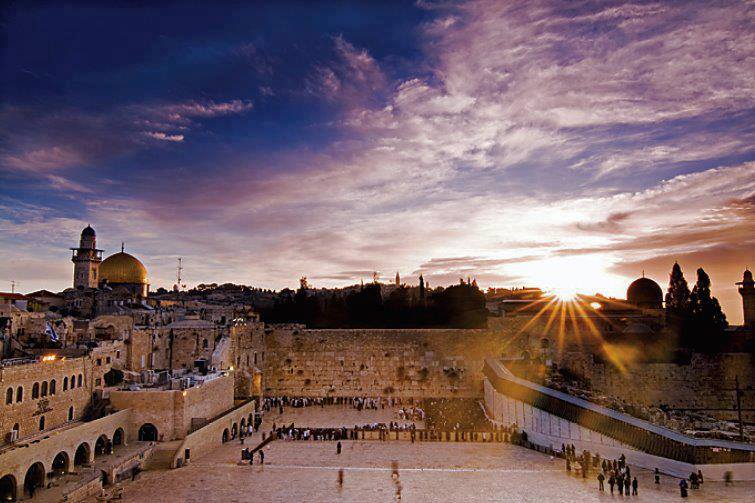
Our joy is tempered by the fact that Jerusalem “within the walls” (The Old City) lies in ruins, emptied of her Jewish people, with the Kotel standing alone. This breaks our hearts,
and we will never feel comforted until the day comes when we merit to return to the sacred Old City, which is the eternal capital of the State of Israel.
Despite this, we nevertheless rejoice on the establishment of the “New Jerusalem” that we currently live in by the good grace of God, secure from the threat of the enemy.
|
|
Let us now rejoice on this Passover, the holiday of freedom, and let us celebrate it with aspirations that peace and justice reign throughout our land. Let us together lift our voices to God and pray:
Lord our God, give strength to our army, spread over them the tabernacle of peace and save them from all enemies. Endow our state and leaders with wisdom, understanding and strength, bring peace in our land and in the world, and establish the Kingdom of David in your holy city of Jerusalem. Bring freedom and redemption to our Jewish brethren in Arab lands, save them from the hands of their oppressors, and bring them home to their land together with all Jews dispersed in the diaspora.
As we celebrate Passover this year in our newly liberated City of Jerusalem, next year, and for many years to come, may we merit celebrating Passover in the Holy Temple in Jerusalem, with great joy, happiness and songs of praise to God, Amen.
|
|
|
|
|
|
|