|
Jobs Data Shift the Outlook
Greetings!
The good news: after several disappointing employment reports, the U.S. labor market finally delivered a surprise in the right direction. Employers added more than twice as many jobs as economists expected in August, according to the Bureau of Labor Statistics (BLS). The less welcome news for borrowers is that a stronger job market could make the Federal Reserve more cautious about lowering rates—and more willing to consider an increase if inflation stays stubborn.
The U.S. economy added 162,000 nonfarm jobs in August, the strongest gain since March. July was revised upward from a 23,000- ob loss to a 21,000 gain, while June was revised from 20,000 to 31,000. These revisions suggest the job market was stronger than it first appeared.
Monthly revisions are common because the BLS receives additional employer responses after its initial estimates are published. For example, August’s numbers show that leisure and hospitality rebounded last month following big declines in June and July.
Nonetheless, the report is not all picture-perfect: average hourly earnings have not kept pace with inflation for four consecutive months, increasing by only 0.3% from July and 3.1% from last year, the slowest growth rate since 2021. At the same time, Americans worked slightly longer hours, while labor force participation increased for the first time in nearly a year, primarily among younger and older workers.
Possible Impact on the Fed
With a stronger-than-expected jobs report and unemployment holding steady near 4.1%, the Fed has more room to focus on taming inflation, which has stubbornly stayed above their 2% target for more than five years. As opinions are increasingly divided, policymakers are closely watching upcoming inflation data, particularly the Consumer Price Index report, which will be released a few days before the next FOMC meeting on September 15-16.
“An upside surprise in payrolls will likely ramp up concerns about a rate hike, but that outcome is in the hands of next week’s inflation numbers,” said Ellen Zentner, chief economic strategist at Morgan Stanley Wealth Management. “If those come in cooler than expected, the Fed will likely feel comfortable discounting potentially inflationary signals coming out of the labor market.”
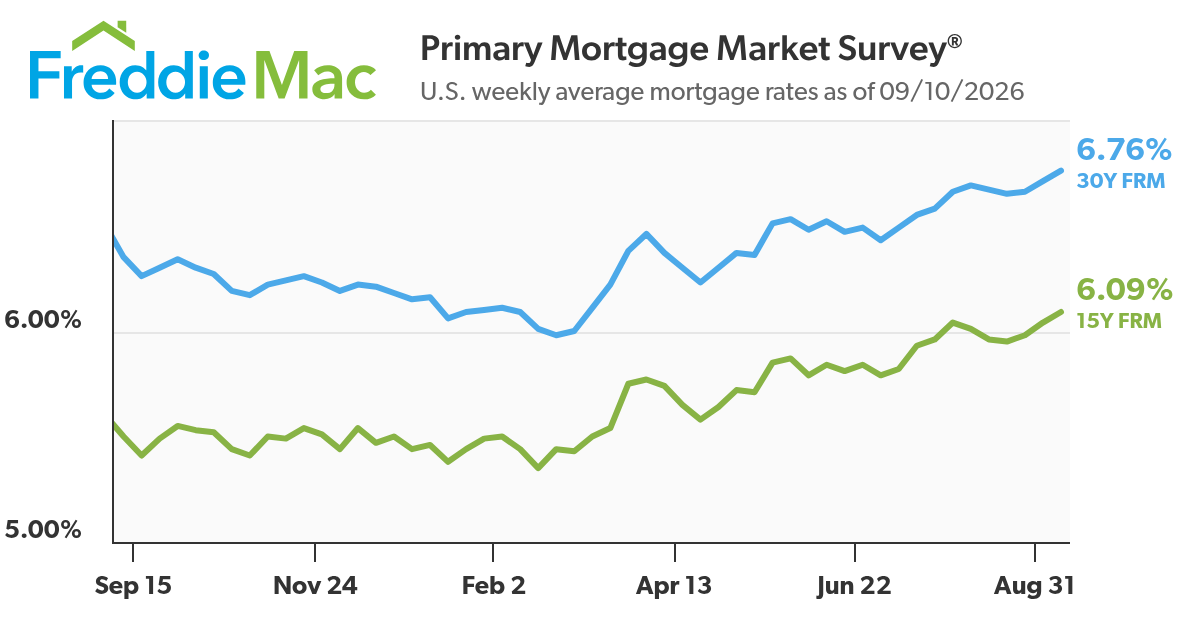
For homebuyers and homeowners, the message is mixed: a healthier labor market is good for the economy, but it could also keep pressure on interest rates and mortgage costs. We’re here to help you make sense of what the latest data could mean for your plans to buy, sell, or refinance.
|