|
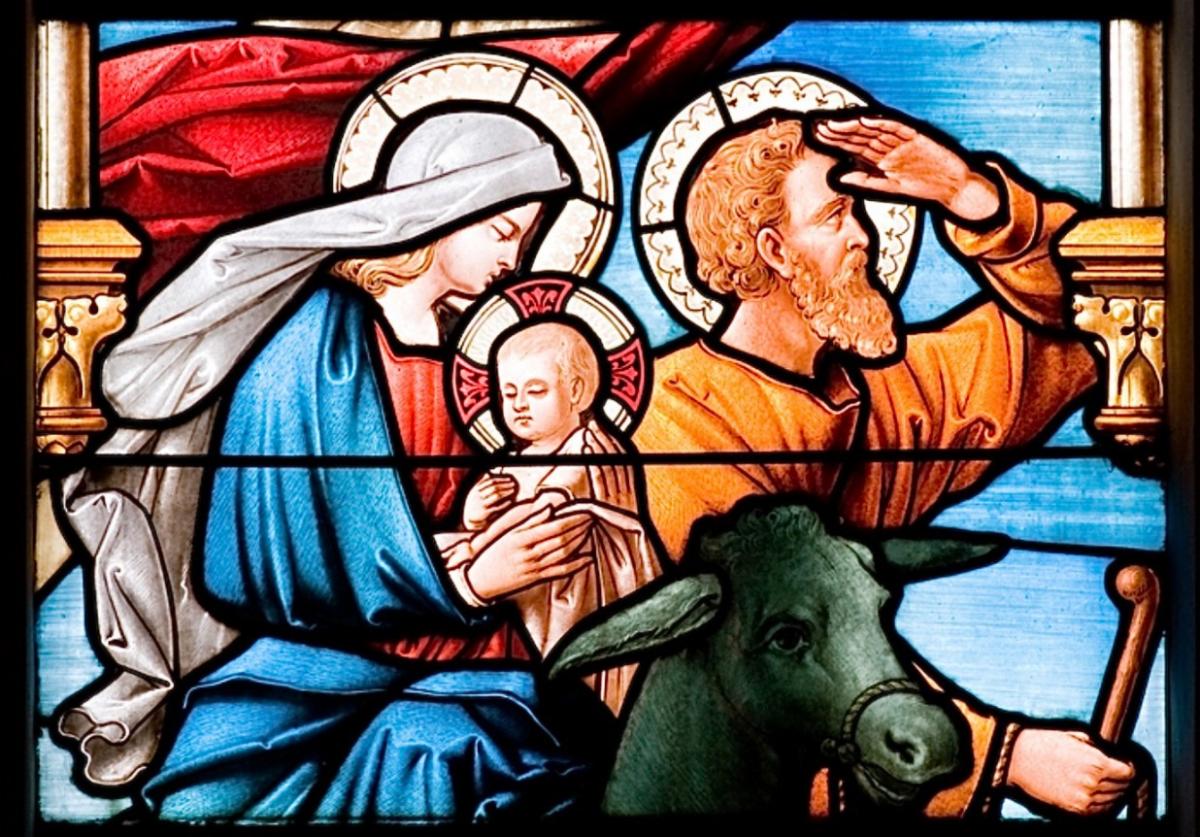
Always held on March 19th, the feast honors Joseph, husband to the Virgin Mary and earthly father to Jesus. It is also the day in which Italy celebrates Father’s Day. And if your name is Joseph or Josephine, you will also be celebrating your “onomastico.”
While St. Joseph and Father’s Day are celebrated all over Italy, the feast of St. Joseph is more prominent in Southern Italy, particularly Sicily, where he is the Patron Saint, St. Joseph is credited to have saved Sicily’s residents during one of their many devastating droughts. Tradition has it that residents prayed to St. Joseph for rain. The rain came, and as such, their spring crops were spared from being destroyed, preventing a widespread famine for Sicily. It is widely believed that this is the reason the celebration is held in March.
A traditional “altar” or “St. Joseph’s Table” is also popular in Italy. Placed in private homes, churches, social clubs and even cafes, creating a table for St. Joseph is commonplace. Many Italians immigrants brought that tradition with them to the United States and, while it is less common these days, it is something older Sicilians still take great pride in. The table is filled with gifts offered to the saint in thanksgiving for prayers answered.
Generally, a statue of St. Joseph is placed at the head of the table and is surrounded by gifts of various foods, citrus fruits, and of course, breads. On the feast day, an open house is held, inviting friends and family to join in the celebration of eating the gifts left on the table. Fava beans, one of the spared crops, represent good luck and abundance.
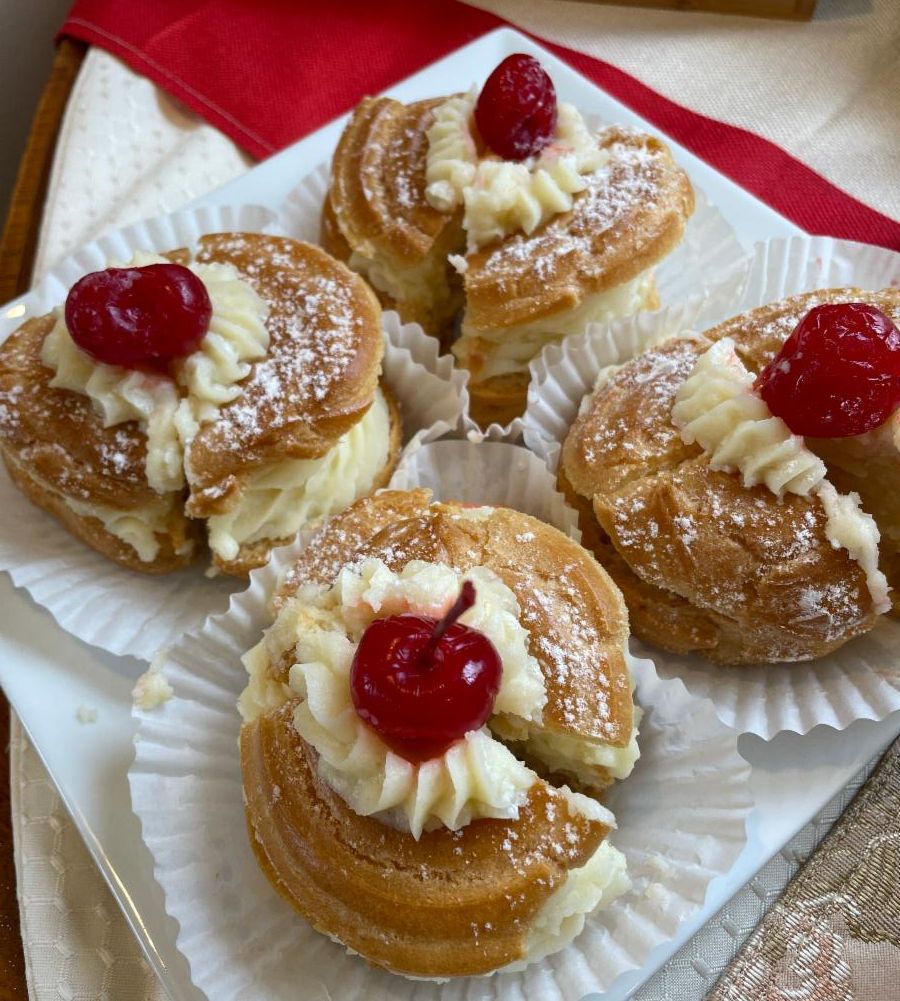
As with anything in Italy, the menu for a St. Joseph celebration is rooted in tradition. Because the holiday falls during Lent, meat is generally not eaten on the feast day. Foods containing breadcrumbs, or the “poor man’s parmigiano” are enjoyed. Joseph, as you might know, was a carpenter, so breadcrumbs are eaten to resemble the sawdust left behind after a day’s work in the carpenter’s shop. Lemons, like fava beans, are said to bring good luck, particularly to the single ladies looking for a husband.
While relatively unknown to the non-Italian U.S. population, one city that widely celebrates this feast day is New Orleans. Louisiana used to be a popular arrival port for Sicilians and at one point, the French Quarter was known as “Little Palermo.” Celebrations occur, even to this day, with traditional foods and festivities.
|