September 27 -- Cultural Content | |
|
Dear Friends,
Happy fall! Please join us throughout this dynamic season for our new series, Washed, as we consider the sea as a dynamic space of ungovernability, constant motion, unfixability, and indeterminacy. Washed features artists, scholars, and community practitioners examining water for its potential as a space of literal and metaphorical transformation, transit, transition, migration, dissolution, cleansing, washing away, anointing, forgetting, disappearance, and renewal.
| |
 | 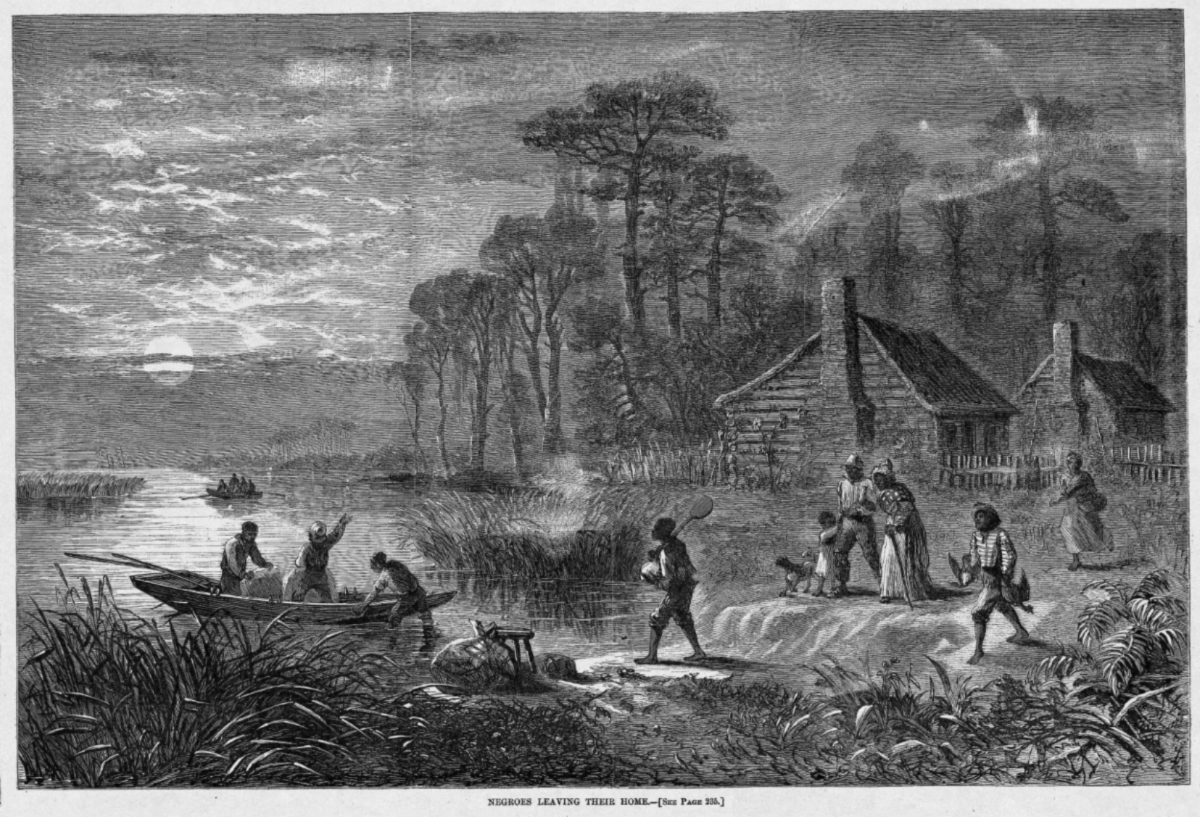 | On Monday, September 30 historian Timothy D. Walker will upend our traditional conception of the Underground Railroad as a land-based network of routes and safe houses used by enslaved African Americans to escape to freedom, and suggest that we look instead to the sea. In “Sailing to Freedom: Recovering and Re-centering the Maritime Dimension of the Underground Railroad,” an illustrated talk highlighting little-known stories of freedom-seeking by sea, Walker will describe the less-understood maritime side of the Underground Railroad, contextualizing the importance of enslaved African Americans’ maritime and waterfront labor in southern ports, and explaining how escapes were managed along the East Coast, moving from the Carolinas, Virginia, and Maryland to safe harbor in northern cities such as Philadelphia, New York, New Bedford, and Boston. Professor Walker, who teaches history at the University of Massachusetts Dartmouth and is one of the pioneering scholars in this new field of inquiry, recently co-curated an exhibition on the topic at the New Bedford Whaling Museum and edited a volume of new research on the maritime Underground Railroad from scholars around the country. Register here to join us and learn how and why the sea offered a more promising avenue of escape, freedom, and reinvention to people enslaved in Southern states.
* * * * * * * *
| |
|
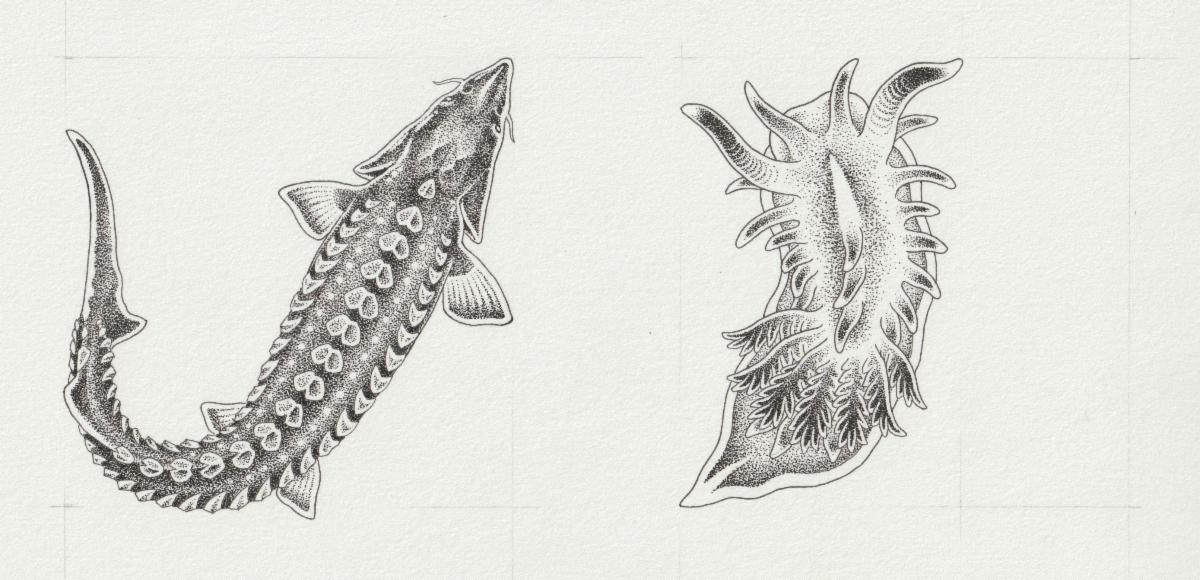
Then on Monday, October 7, science and conservation journalist Sabrina Imbler invites us to closely consider the lives of undersea creatures as models for reimagining our ideas of family, community, identity, and care for one another. Delving into themes of adaptation, survival, sexuality, and care, and weaving the wonders of marine biology with stories of their own family, relationships, and coming of age, Imbler explores their queer identity through the underwater dance parties of the yeti crab, grapples with living as a mixed-race person through hybridized fish, and finds other unexpected connections in essays that are poetic and intimate. Imbler’s highly acclaimed book, How Far the Light Reaches: A Life in Ten Sea Creatures, attunes readers to new ways of thinking about the "natural" world and the "social" world, questioning the distinctions in ways that paradoxically allow us to see each with more dimensionality and depth. Read more and register to join us here!
We are enormously grateful to Rhode Island Humanities for their generous support of the series, and to the University of Rhode Island, especially Professor of English Martha Rojas, Director of Graduate Studies and Director, Rumowicz Literature of the Sea Lecture/Seminar Series, for her invaluable assistance and her department’s generous support of the series.
Stay tuned for news of additional programs in the series, coming up throughout the fall.
Above illustration: Simon Ban
* * * * * * * *
| |
|
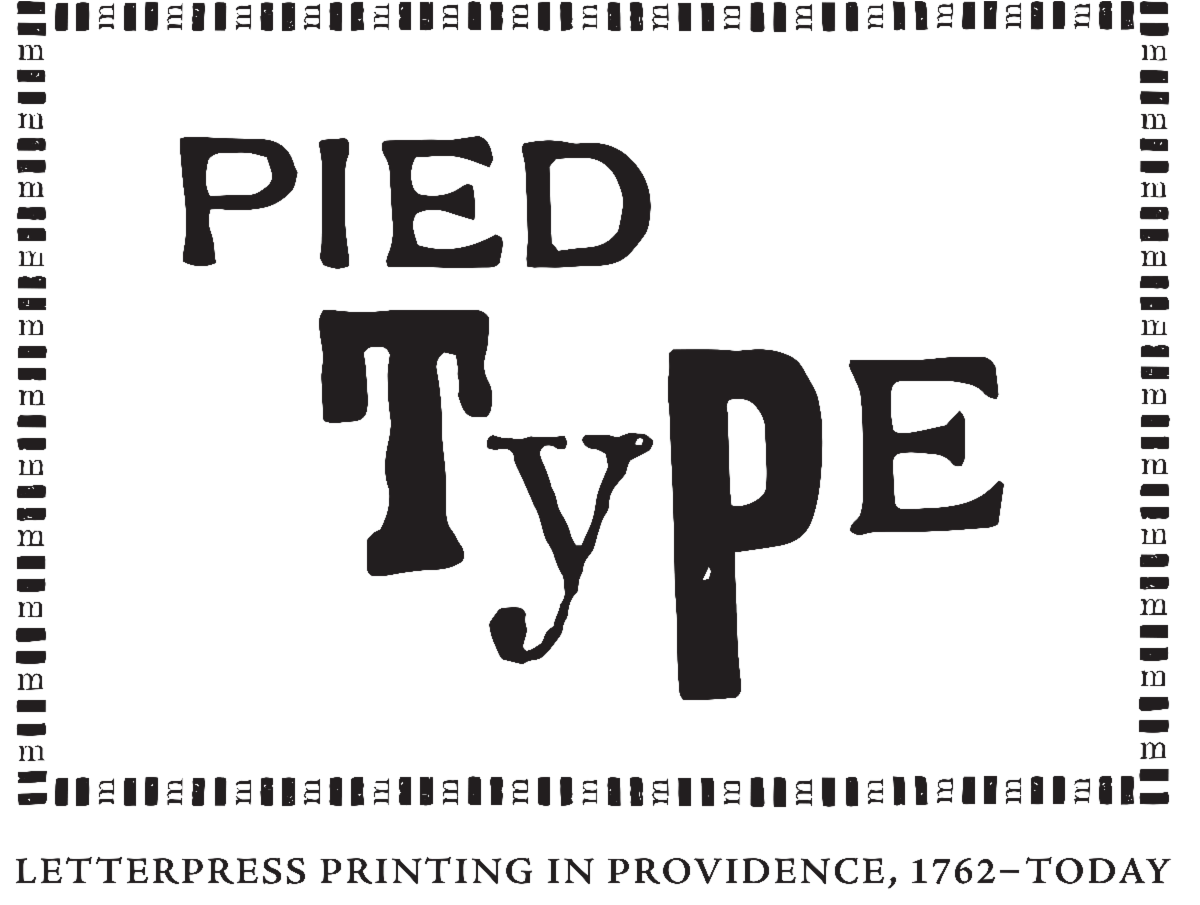
And we hope you’ll join us Wednesday, October 2, at the opening reception for our fall exhibition, Pied Type: Letterpress Printing in Providence, 1762–Today, guest curated by artist and letterpress printer Lois Harada and on view in the Joan T. Boghossian Gallery through January 11, 2025. Pied Type will feature materials from PPL's Updike Collection, Tomaquag Museum, RI Black Heritage Society, and RI Historical Society, as well as works from AS220, DWRI Letterpress, and artist Jacques Bidon. Learn more and register to attend the reception here! Pied Type is also supported by a major grant from Rhode Island Humanities.
* * * * * * * *
| |
|
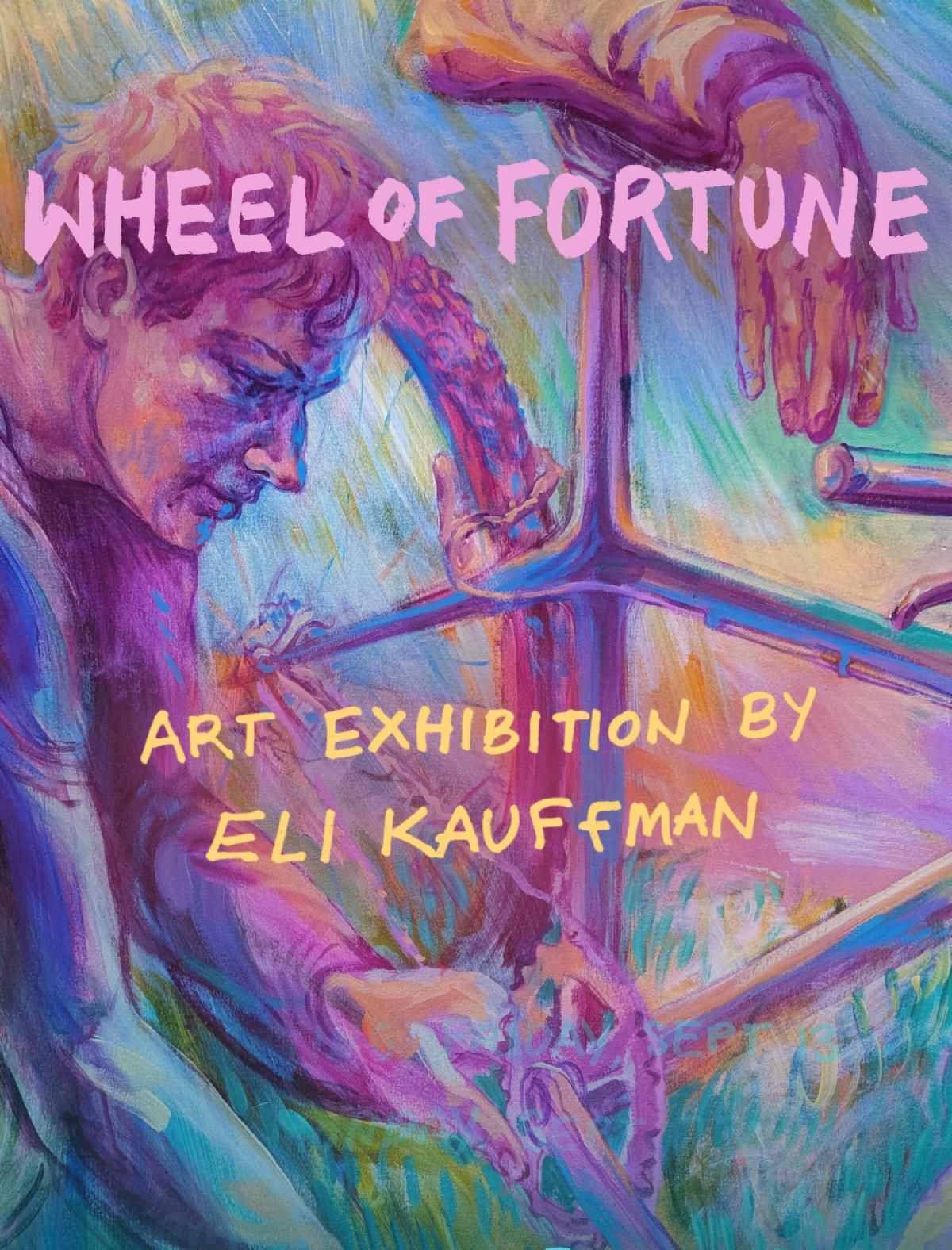
And while you’re here for Lois’s opening, be sure to see Eli Kauffman’s site-specific art installation, Wheel of Fortune, now on view in the ground floor lobby area and the third floor Updike Room (which is just down the hall from the Gallery). The exhibition features Eli’s striking, life-size figurative paintings amid a curated collection of books, letters, and other artifacts that connect to the artist’s themes and ideas, and provide a context for the paintings on view. To learn more about Eli’s artistic process, listen to their interview with hosts Sophia and Jay on the September episode of PPL’s podcast, THIS, THAT, and ANOTHER (the whole episode is a great listen; Eli’s interview starts at around minute 15).
* * * * * * * *
| |
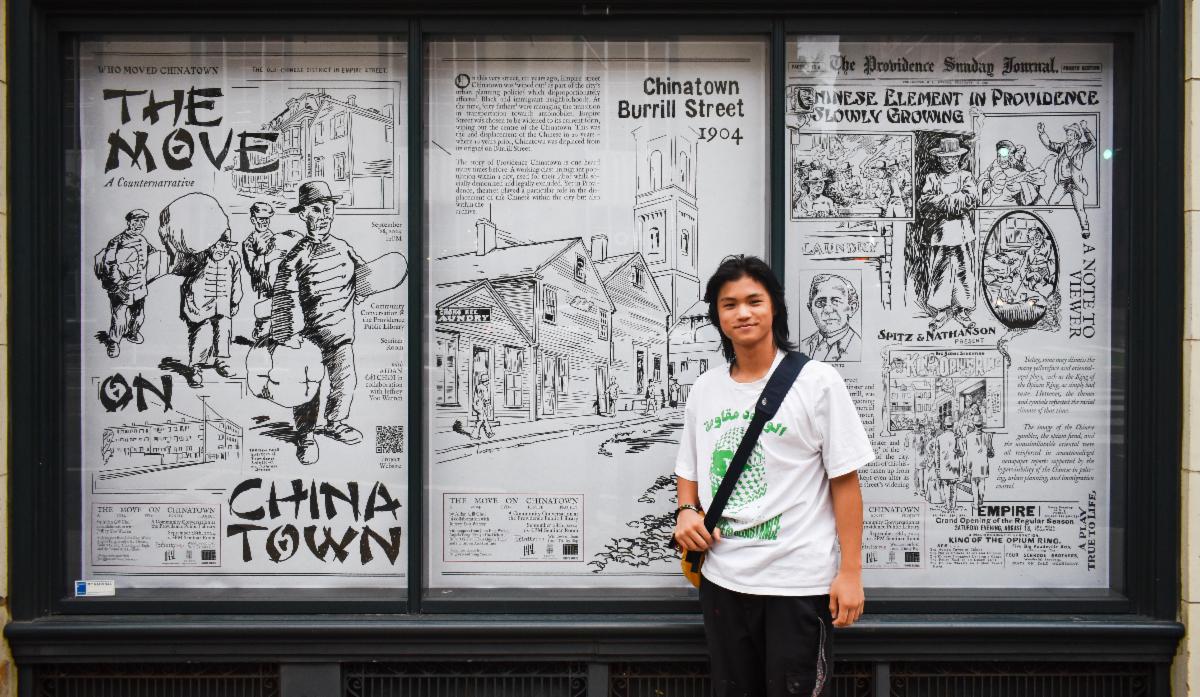
And be sure to join us this Saturday, September 28 for The Move on Chinatown, Art and Dialogue a community celebration and conversation with artists, researchers, and community members about a pop-up exhibition (now on view in the windows of PPL’s neighbor, Trinity Rep) and archival and oral research project aimed at documenting and highlighting the history of Providence’s Chinese communities - read more about the project here and register to join us here! | |
|
* * * * * * * *
Are you a sound artist or musician? Do you know a sound artist or musician? PPL’s annual Creative Fellowship application is open, and this year’s Fellowship focuses on sonic expression and music. Learn more about the Creative Fellowship here, and read the full call for proposals here; the application deadline is October 25 at 5 pm. Please help us spread the word!
We look forward to seeing you very soon!
In gratitude,
Christina Bevilacqua
Programs & Exhibitions Director
p
Sophia Ellis
Community Partnership Facilitator
| | | | |