Vermont Public Health in Focus

Vermont Public Health in Focus highlights the work of your Health Department, both behind the scenes and in the field, by providing examples of how public health benefits entire communities by supporting the mental, physical, and social well-being of everyone in Vermont. Thank you for standing with us and supporting the work we do. 


In this month’s issue, we’re taking a closer look at how public health workers help slow the spread of STIs and support access to nutritious food in Vermont.


See last month's edition here.

Couple making a heart with their hands outside in the snow.

Two people making a heart out of their hands.

Public Health: The Wingman You Didn't Know You Had


February often brings a focus on love and relationships, whether you enjoy that or if you prefer to tune it out (or a little bit of both!). Either way, conversations about love are everywhere, and that makes it the perfect time to talk about how protecting sexual health is more than a personal matter, it’s a public health priority.  


Sexually transmitted infections (STIs) affect millions of people in the U.S. each year. They can spread easily, and many people who are infected do not have any symptoms. If left untreated, some STIs may lead to serious health issues like infertility, cancer, and an increased risk of HIV.  


Public health workers help slow the spread of STIs and reduce barriers to seeking care by tracking infections, ensuring people have access to reliable information, responsive services, and providing support when needed. The Health Department partners with community-based partner organizations and clinicians throughout Vermont to increase access to STI testing, treatment, and prevention tools (including free condoms) and respond quickly to outbreaks.  


When someone is diagnosed with an STI, our specially trained team can provide free, confidential support to help them understand their diagnosis, access treatment, and, on a free and voluntary basis, assist people in notifying their sexual partners and connecting those partners to testing and treatment options.  


“Knowing your STI status is one way to take control of your health and show care for those [you have sex with.] While an STI diagnosis can feel overwhelming, our team helps make the process as easy and clear as possible,” Daniel Daltry, HIV/AIDS/STD/Hepatitis Program Chief. 


Learn more about testing recommendations. 

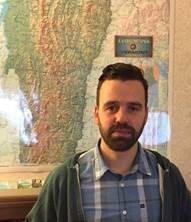
This article was written in collaboration with Daniel Daltry. Daniel has been with the Vermont Department of Health since 2006, working in our HIV, STI, and HCV program. He is on the board of the National Coalition of STD Directors. Between overseeing internal and external programs related to HIV, STI, and HCV prevention and care, Daniel works with people newly diagnosed with reportable sexually transmitted infections as well as diagnosing providers. 

Daniel Daltry

The Latest in Public Health

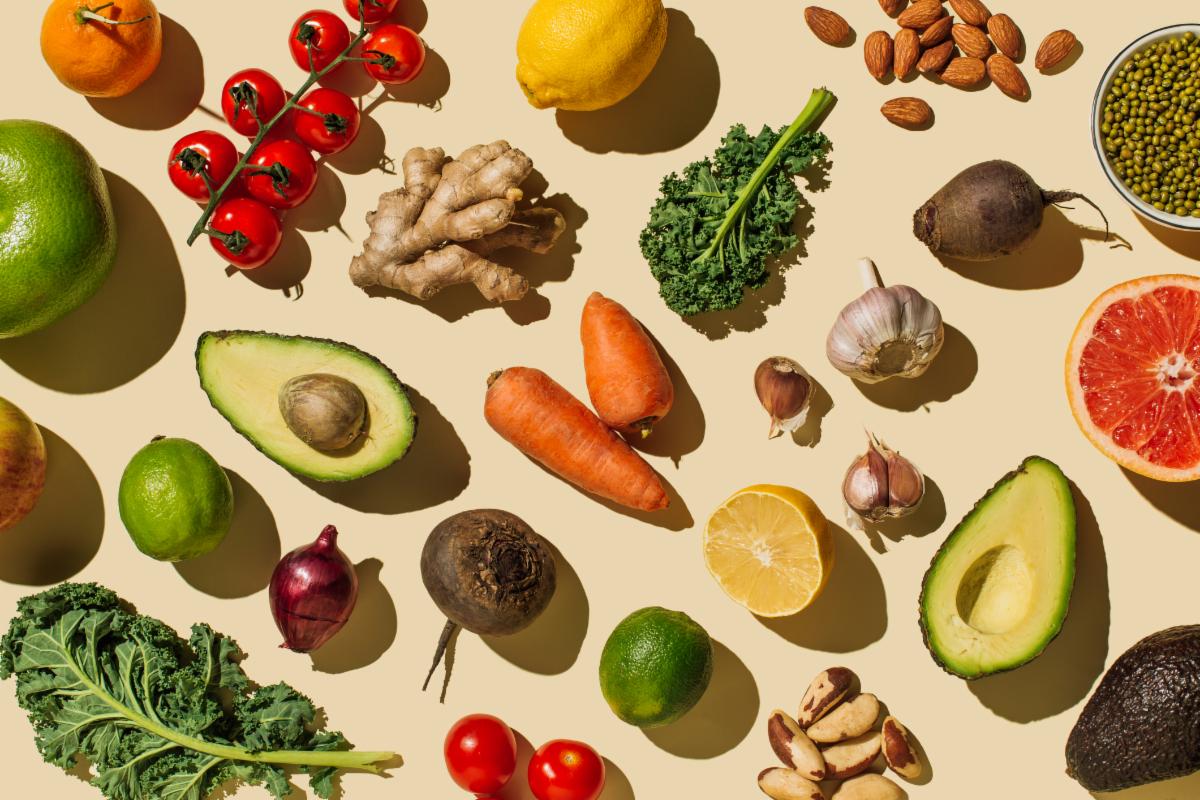
Fresh whole foods.

The Food Pyramid Amid Food Access in Vermont


The food pyramid has changed many times since it was first introduced in 1992, but today, we’re focusing on the latest version, which was released just last month. 

We know that what we eat plays a big role in our overall health, and many health and nutrition experts agree with parts of the updated food pyramid, such as eating fewer processed foods and choosing fresh foods when possible. That said, if you have specific questions about your own diet, we encourage you to talk with your health care provider. We also know that fresh foods are often more expensive or harder to access -- that's where public health comes in. We work with community partners across Vermont to make healthy foods more accessible and affordable so that more Vermonters have the chance to reach their highest level of health and well-being. 


Examples of our work supporting access to nutritious foods:  


  • Our Women, Infants and Children (WIC) program helps income-eligible Vermonters who are pregnant, breastfeeding, have a new baby or young children get food formula and a range of nutrition and breastfeeding support and resources. 


  • Our You First program offers income-eligible Vermont women (or anyone with breasts or a cervix) free one-on-one health coaching, nutrition programs, coupons for local farmers' markets, and much more. 


  • We support the Farm to School and Early Childhood Education Network, a statewide network providing leadership, coordination, and advocacy to advance new and existing farm to school efforts in Vermont, by providing staff time and expertise, including grant review and participation in the Farm to Early Childhood workgroup.  


We provide grant funding to the following organizations to support their amazing work!  


  • Village Hydroponics, which works to nourish the community when other farms cannot, champion food justice and promote environmental sustainability. They work with the People’s Farmstand to provide fresh produce year-round to Burlington’s underserved communities and teach people how to grow greens in a water-based nutrient solution rather than soil (hydroponically) at home.  


  • The New England Organic Farmers Association (NOFA-VT), which promotes organic practices to build an economically, ecologically and socially sound and just agricultural system in Vermont, works with farmers so they can accept Supplemental Nutrition Assistance Program (SNAP) benefits at their farmstands and for community supported agriculture (CSA) shares. 


You can learn even more about our nutrition and food access resources in Vermont here.  


In the Media

Check out these recent local news stories featuring subject-matter expert interviews and information provided by the Health Department.


Like what you're reading? Subscribe to our mailing list here!

 
Facebook  X  Instagram  LinkedIn  Email  YouTube  Web