|
By KaLa Keaton and Rotimi Kukoyi
We believe every child deserves an education that makes them feel seen and heard. We believe every child deserves the tools to fashion their own versions of success. We believe every child deserves to discover their passions in the classroom and find support in a constellation of caring and well-paid educators. We believe every child matters and should know that they do, from Wake to Washington counties.
Written nearly two hundred and fifty years ago, the first version of our state constitution merely asserted that schools should be established “for the convenient instruction of youth… at low prices.” Since 1776, we have changed our constitution twice. For the last fifty years, our constitution declares that “schools, libraries, and the means of education shall forever be encouraged” and “equal opportunities shall be provided for all students” in free public schools.
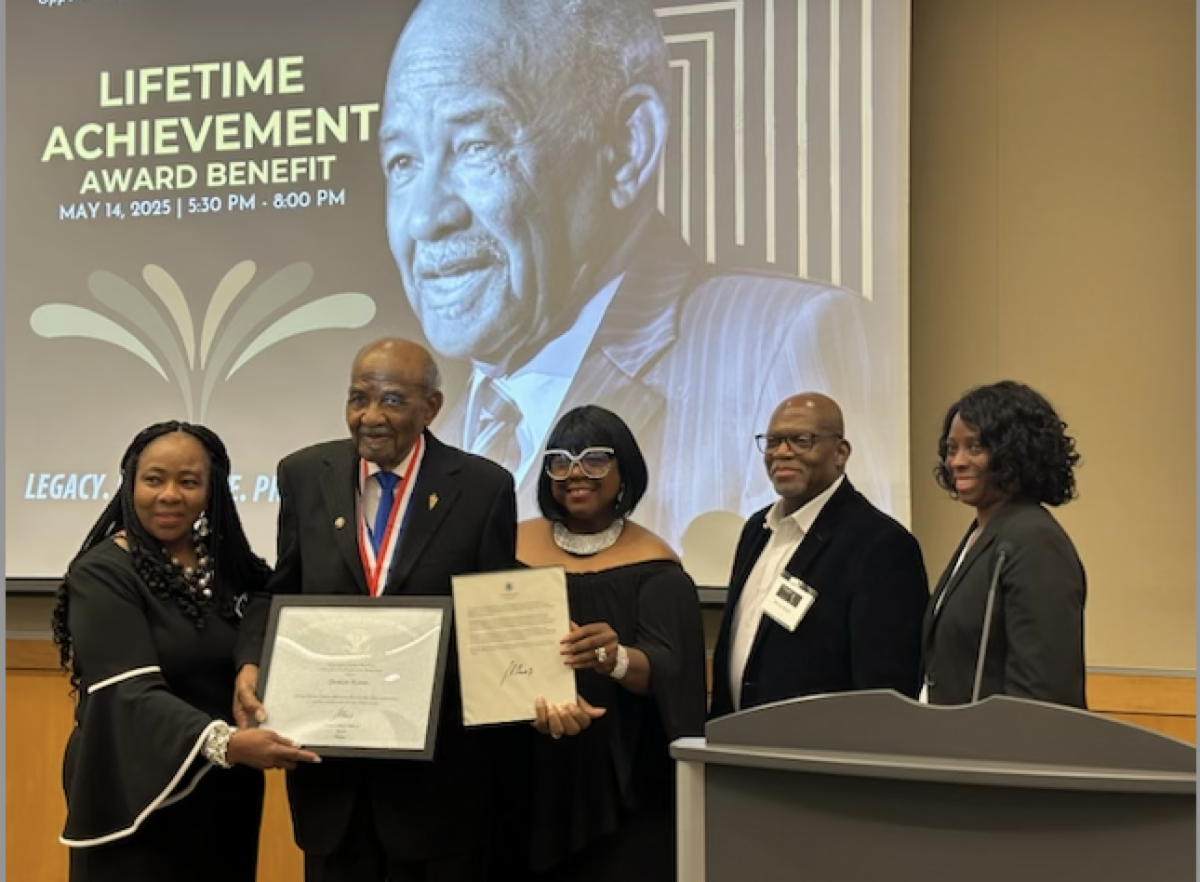
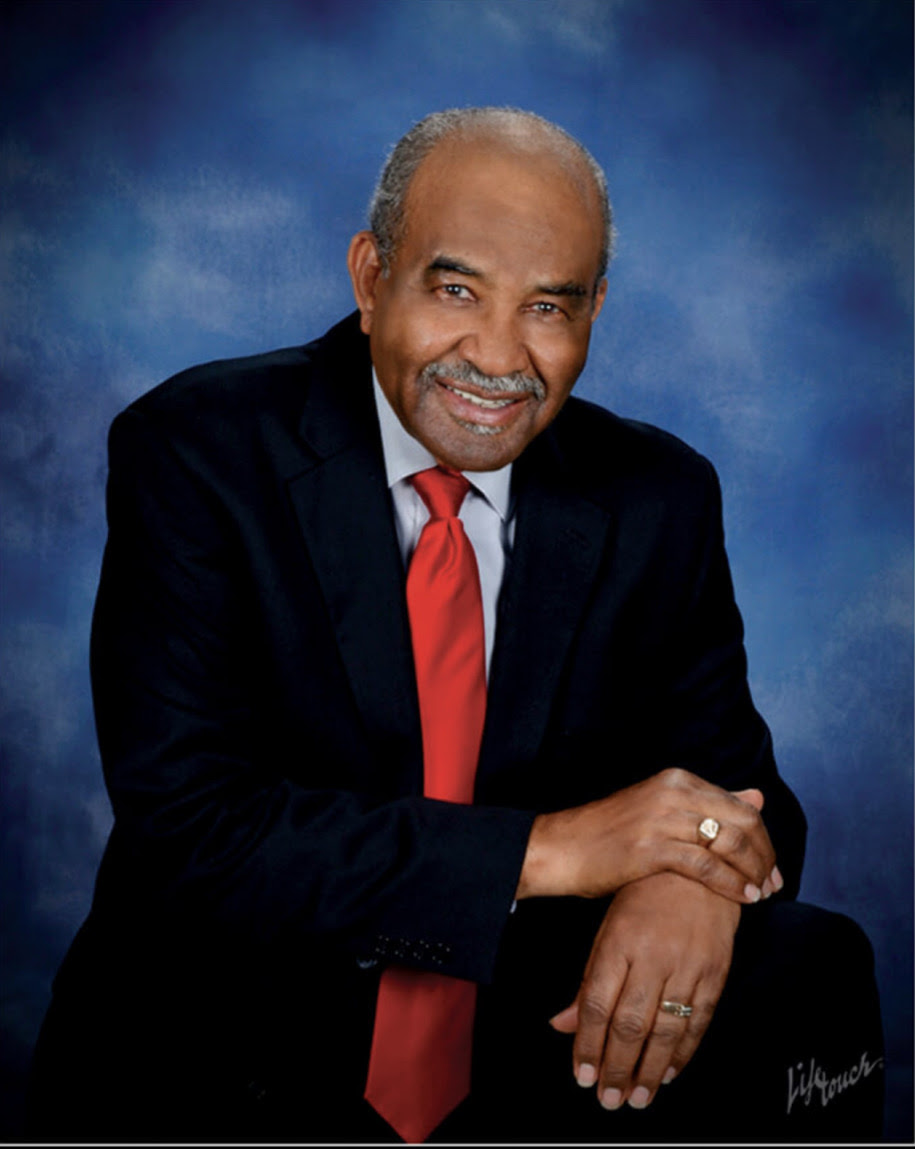
Fellow North Carolinians, even under our own constitutional language of “equality,” we are failing to cultivate a public school system where all of our students and educators thrive. As we witness the rules being rewritten in real time, we should also choose to ground ourselves in the equitable teachings of the living legends we still have the privilege to learn from—for us, that is Dr. Dudley Flood. Per his wisdom, and for the future of education in our beloved state, we ask: “What’s happening? Why does it matter?” and, most importantly, “What should we do?”
What’s Happening?”
We live under a cultural, political, and rhetorical context that pits Americans against each other—our teachers feel it, our parents engage in it, our students are aware of it, and our legislators, many advancing a conservative political agenda, take advantage of it. This checkpoint in the education ‘culture wars,’ one that marks the devaluing of scholarship, data, and evidence, culminates in a disturbing disconnect: we no longer have faith in information or truth, and it is poisoning the environment in which we educate the next generation of Americans.
Nothing embodies this more than the debates over history and equity turning our education climate chilly and isolating. Across the country, anti-critical race theory (CRT) and anti-diversity, equity, and inclusion (DEI) measures have snowballed into extremes over the last five years. Federal reviewers now flag grants that mention terms such as “equity,” “accessible,” or “minority.” In Idaho, a teacher was required to remove “divisive” posters that affirmed “everyone [was] welcome” in her classroom, citing it as a “personal opinion” not appropriate for school. The third largest district in Texas redacted entire chapters on bias and inclusion from its state-approved textbooks. Here in our home state, our legislators advanced SB 227 limiting students and educators’ abilities to discuss the realities of navigating the complexities of identity and lived experience.
Even without these controversies, North Carolina districts are burdened by economic starvation that is just as, if not more, worrisome. Our state invests almost $5,000 less per student than the national average, placing us 48th in per-pupil funding. Teachers are underpaid, with starting salaries ranked 46th nationally, and this wage gap makes it hard to attract and retain educators. In fact, roughly one in ten North Carolina teachers leave the profession each year, and over 7,000 classrooms statewide lack a permanent, licensed teacher due to staffing shortages. These shortages remove key support systems for our most vulnerable students, disproportionately impacting low-income and minority students. At the same time, our schools are on the front lines of a youth mental health crisis: almost one in five NC high schoolers has seriously considered suicide.
Altogether, our schools at home and across the nation are paralyzed by public opinion and nearly nonexistent material support. If this is the best we can fulfill our constitutional responsibilities, then we can and must do better.
“Why Does it Matter?”
These issues choke our education system from all sides and threaten to destabilize it even further. Precedent from other states foreshadows what could happen here: after restrictive school laws passed in 2023, districts in Florida and Kentucky saw waves of teachers quitting, saying the hostile climate and loss of classroom autonomy drove them out. In a state already feeling the strain of historic teacher attrition and shortages, these policies threaten to further disturb the possibilities of educational equity in our schools.
Even more, our students feel disconnected and disinterested in their learning when they do not see themselves represented or reflected, especially students of color and/or queer identities. The 2023 Youth Risk Behavior Survey found that many students face bullying and mental health struggles when schools remove support for their identities. Students with fewer resources, like those from low-income families, lose vital classroom discussions that help them contextualize lived experiences, widening opportunity gaps along racial, socioeconomic, and gender lines in ways that keep traditional inequities in place.
Most importantly and potentially long-lasting, when laws ban truthful and fair teachings about identity, history, and/or civic struggle, students navigate life with incomplete understandings of our history and most important issues. As the ACLU of North Carolina reminds us, students have a right to learn and talk about topics like race, although uncomfortable, because critical thinking and debate are foundational for an informed electorate. By purging references to systemic racism or civil-rights movements, censored curricula strip young people of the tools to recognize prejudice, engage with diverse perspectives, and situate themselves as the leaders of tomorrow. Ultimately, half-told stories create a half-informed citizenry—one unequipped with the tools to power a functioning democracy.
“What Should We Do?”
North Carolina’s educators need a two-track playbook: 1) adaptation, to keep classrooms safe and supportive under today’s constraints, and 2) mitigation, to change the policies and power structures that created those constraints in the first place.
Adaptation
When terms such as “equity” or “systemic oppression” are politicized, we can still protect the ideas they carry. As Dr. Flood reminds us, “Anything I say to you, I know three ways to say it.” Together, we can adopt a shared ‘flexible language’ guide: “equity” becomes “fair access,” “systemic” becomes “structural,” “identity” becomes “lived experience.” We must be creative in order to protect the core concepts most important to achieving what we call “educational equity” today. Small ‘lesson labs’ let us pool vetted articles, local news clips, and community-based projects, so no single teacher has to redesign a unit alone. By trading ready-made prompts and activities, we can keep lessons engaging and legally sound without sacrificing substance.
Mitigation
While adapting our techniques allows us to sidestep particular classroom challenges, it cannot address the underlying cause of our troubles. Lasting change must come from confronting the forces that are attacking public education in the first place. County-level coalitions of educators, families, and students can monitor bills in real time, issue fact sheets, and mobilize rapid-response calls or letters before key votes. By uniting scattered frustrations into a single front, we signal that every attempt to infiltrate the classroom will be met with organized resistance.
Sustained pressure also travels through the ballot box. Registering our seniors, hosting non-partisan voter-education drives, and focusing on down-ballot races convert classroom values into policy. And when local boards persist in erasing textbooks or suppressing dialogue, we can recruit candidates from our own ranks—or run for office ourselves. Regulations change only when the regulators do. Taken together, adaptation keeps today’s classrooms breathing. Mitigation clears the path for every class that follows, fulfilling our constitutional promise of equal opportunity for all.
Conclusion
The education we imagine for North Carolina, and the United States at large, is one that meets the unique needs of every student; equips them with the critical thinking skills to thoroughly understand our country, its history, and our shared duties as citizens; and provides them with a stable, inclusive space to learn, make mistakes, and grow into who they are meant to be.
Change is not only possible, it is happening now. We can shape this future together. In the words of Dr. Flood, “A mile run starts at one step… Our step starts with one word—and we choose it.”
|