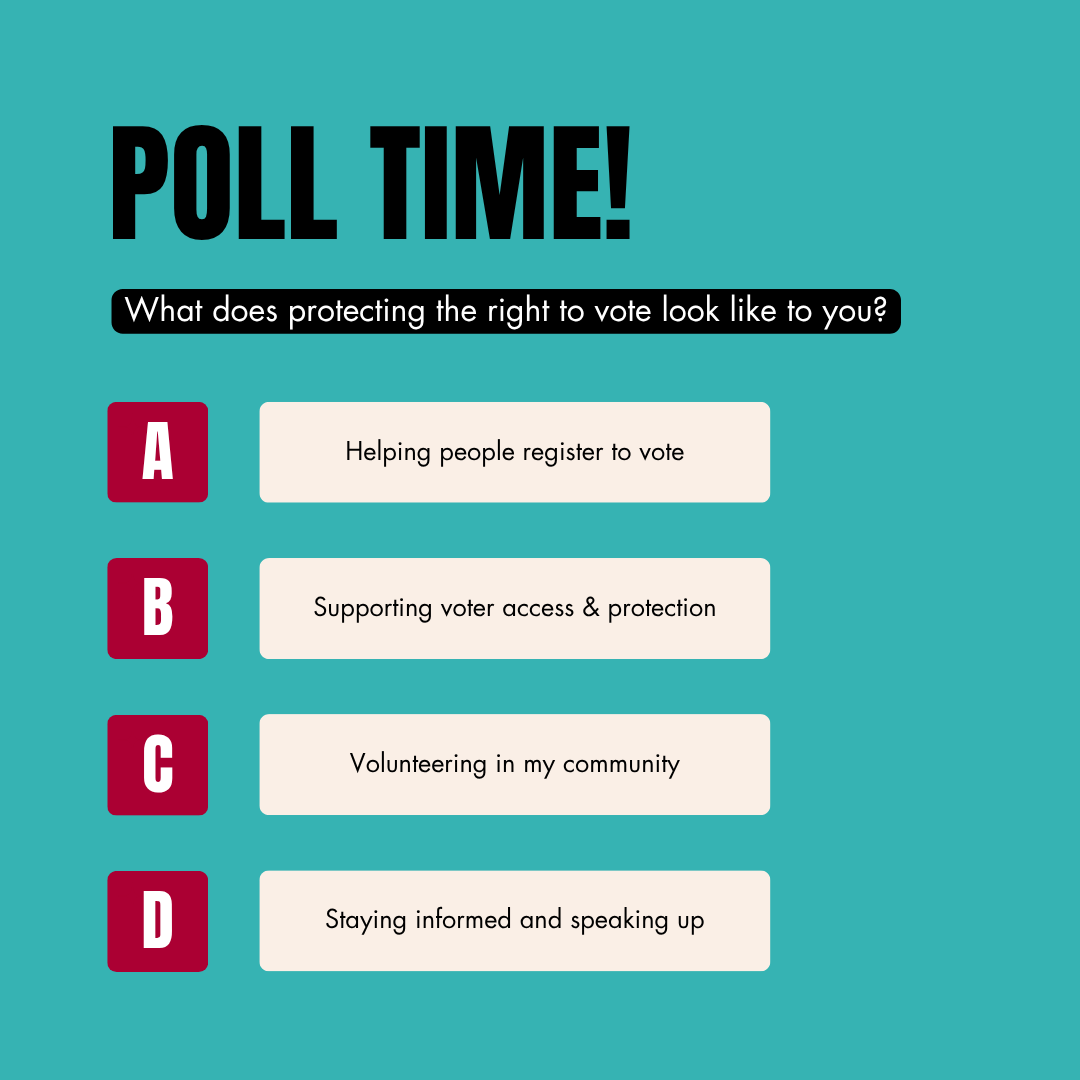
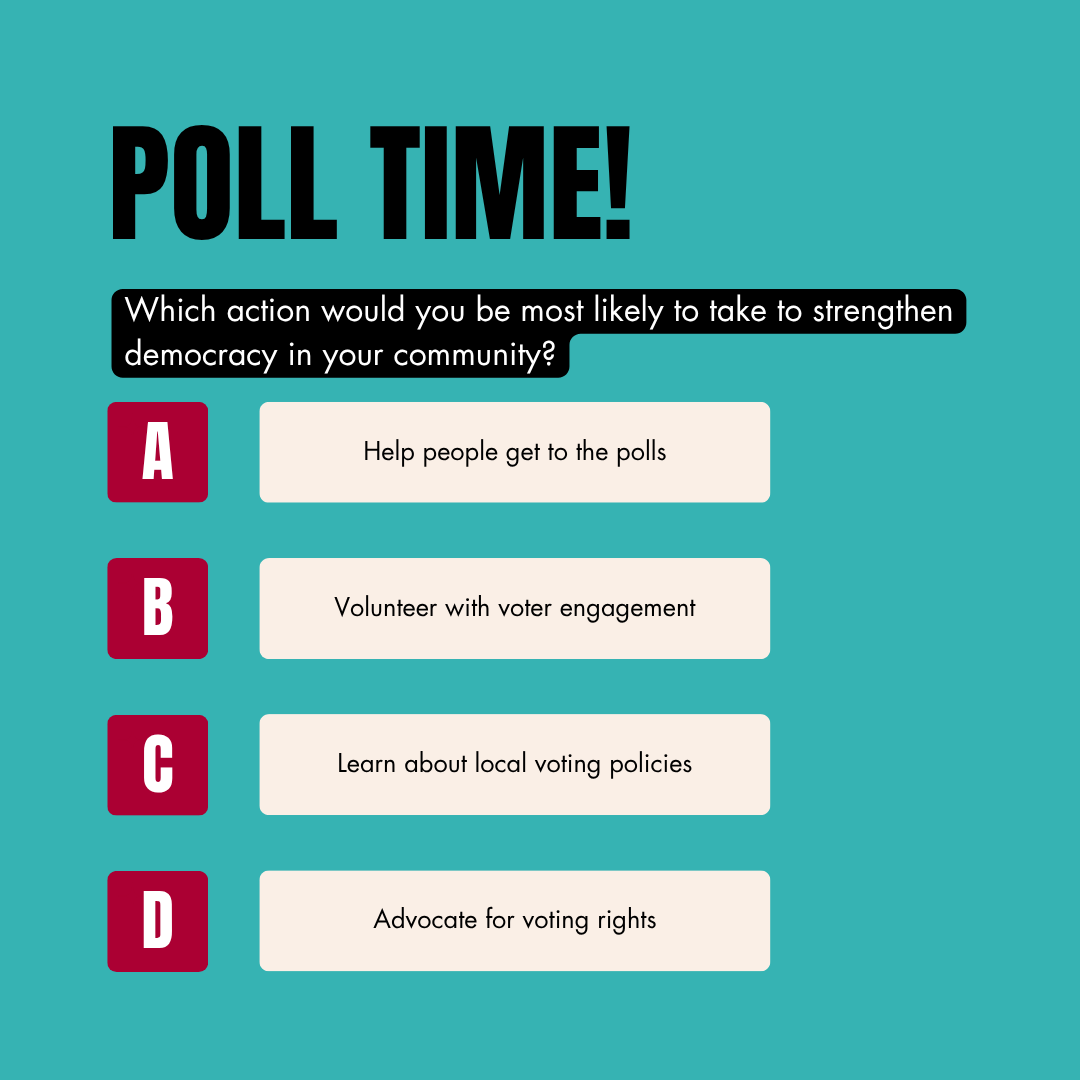
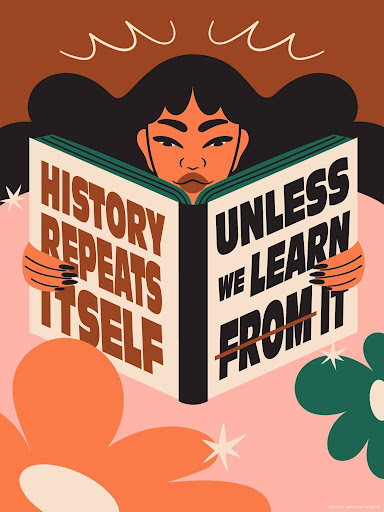
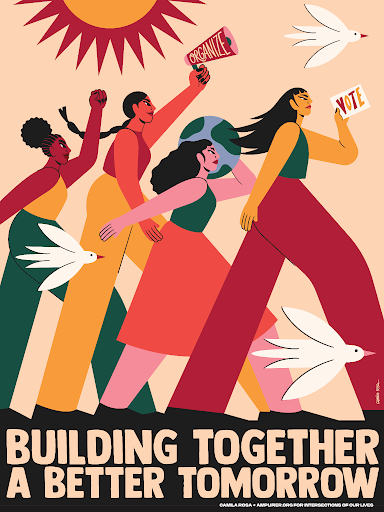
This month, Joy & Justice explores the power of civic participation, from casting our votes to staying engaged in the work of shaping a more just and equitable future. | |
| |
“Democracy is not a spectator sport.”
— Marian Wright Edelman
| |
We are living through a moment that asks something of each of us.
Not just our opinions. Not just our attention. Our participation.
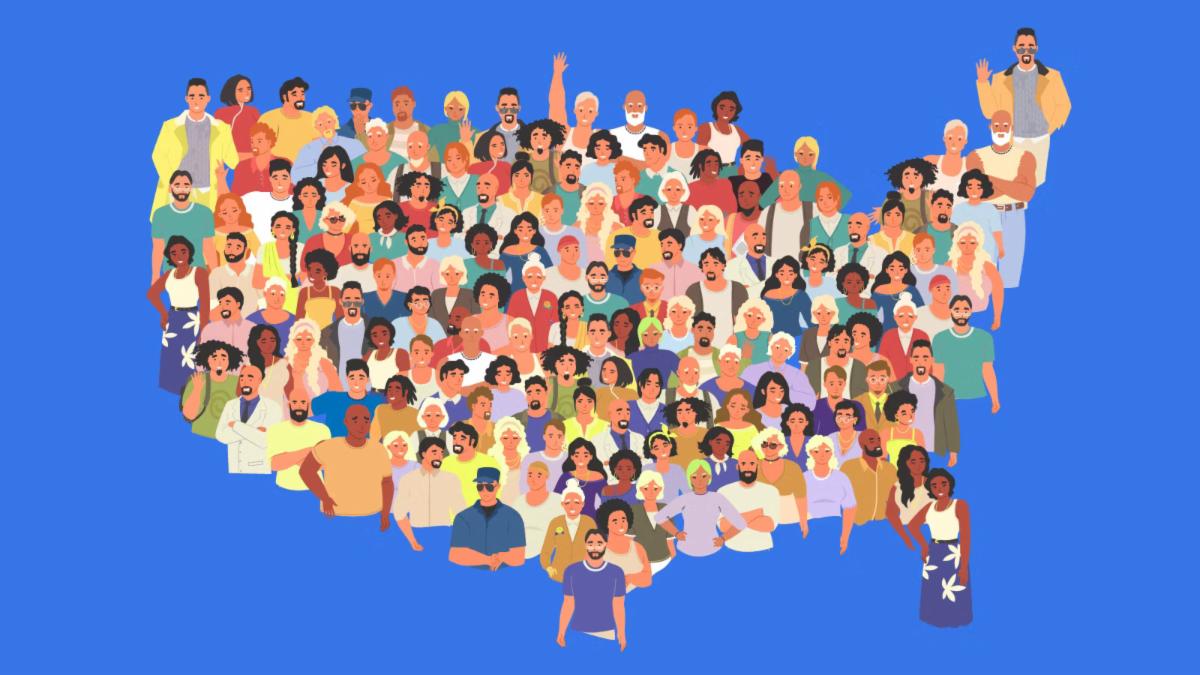
In this spirit, the 2026 US midterm elections are more than a political milestone. They are a collective moment of direction. As voters choose all 435 members of the House and 35 members of the Senate, we are helping shape the leadership and laws that will guide our nation’s future.
Democracy is not a spectator sport. It is a living practice, shaped every day by people who choose to show up for one another and for the future. When division can feel louder than connection, civic engagement becomes an act of remembering who we are and what we belong to.
As we approach this election season, we encourage our community to vote with both heart and horizon in mind. The choices we make at the ballot box reach far beyond our immediate surroundings. They shape how we engage the world, respond to conflict, uphold human rights, welcome those seeking safety and refuge, care for our planet, and define our responsibilities to one another across borders and even religion.
| | |
Voting is one way we participate in the ongoing work of building a more inclusive and responsive democracy. The composition of the House and Senate will help shape what becomes possible in the years ahead: whose voices are heard, whose needs are prioritized, and whether our democratic institutions move closer to reflecting the full diversity and wisdom of the people they serve, along with protecting civil liberties and rights.
What we need is the courage to remain connected across difference. The belief that our futures are intertwined. The willingness to invest in a society where everyone has the opportunity not only to survive, but to belong and thrive.
Joy is not separate from democracy. Justice is not separate from democracy. They are what become possible when people come together to imagine, participate in, and create a future larger than themselves. Throughout this issue, find resources and ways to get involved this voting season.
| | |
Vote in scrubs: Why Civic Health is Public Health
In this episode of Nurse Converse, host Rebeca Leon partners with to explore how civic health is public health. She’s joined by Marcos Damian-Noyola, Deputy Director of Partnerships at Vot-ER, and Gilanie De Castro, RN, MSN, OCN, NE-BC, a nurse leader and former Civic Health Fellow.
Together, they discuss how voting, policy, and advocacy shape patient care and community well-being. From telehealth and nurse staffing laws to lessons from the pandemic, the conversation highlights how nurses can use their voices beyond the bedside to drive meaningful change.
src: Nurse Converse
| |
| |
by Avenel Joseph, Vice President for Policy at RWJF
This article explores the connection between democratic participation, public policy, and health equity.
Read the article here
| |
| Voting is one part of civic participation. The WE WIN Together Voting Action Plan invites us to consider how we can move from learning about inequities in voting to taking action in our communities. Explore the Voting Action Plan here. | |
|
Know Your Rights: Voting Rights
by ACLU
Learn more about how to exercise your voting rights, including how to resist voter intimidation efforts and access assistance at the polls.
Learn more
| |
Economic Democracy Policy Guide
by Well-being in the Nation Network
Economic democracy is when people own the resources in their community. The community chooses how to use their resources. Resources make up most of our most basic life needs and costs. This includes: housing, jobs, energy, banks, education, health care, and governments. If we change who has power, then people can come together and own their resources.
Explore the guide here
| |
|
Election Earth Action Challenge
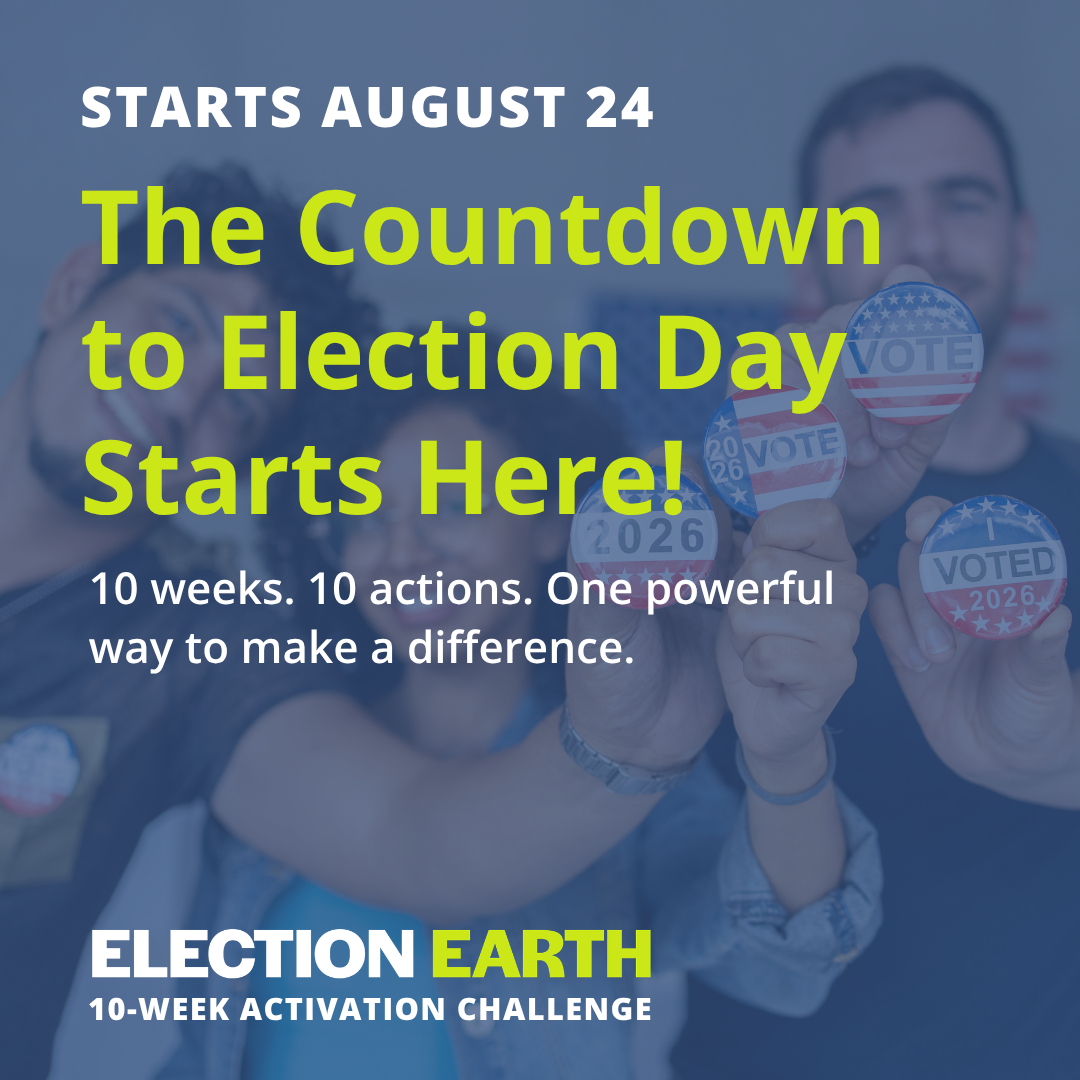
The Election Earth 10-Week GOTV Activation Challenge gives you one clear, meaningful action each week to vote your climate values, help others vote, and show up for the people, places, and future you care about.
Each action is simple enough to do on your own and powerful enough for an organization, congregation, workplace, health network, or community group to build around.
Learn more
| |
| |
Building Bridges Learning Community Application
Due date: by end of day on September 28
The Building Bridges Project (Building Bridges: Cultivating Meaningful Cross-sectoral and Community-Based Partnerships to Improve Health) is working to strengthen partnerships between governmental public health, nonprofit, cross-sector, and community-based organizations to promote health and well-being.
This December 2026, Building Bridges will welcome its second cohort. The Learning Community will support up to 8 teams to strengthen relationships between state, local, tribal, and territorial (STLT) health departments and community organizations. This learning community centers on strengthening partnerships between the health department and community-based partners, not necessarily programs/projects.
Each team will be selected through an application process and will include individuals representing both STLT public health departments and community-based organizations. Over 8 months, each team will receive a $10,000 grant, along with peer, expert, and technical support to strengthen partnerships and shared work.
| |
| |
Connecting Champions for Diversity, Equity, Inclusion, and Belonging in the Health Professions
RWJF seeks to fund one lead organization or consortium to serve as a national network-weaver for diversity, equity, inclusion, and belonging (DEIB) in the health professions. The selected grantee will connect and support leaders, organizations, and institutions across the ecosystem, strengthening relationships, aligning strategy and communications, and facilitating shared learning and collective action. By building the connections and infrastructure needed for collaboration, the grantee will help advance belonging, accountability, and systems change across health professions education and healthcare institutions.
Eligibility & Selection Criteria
- Applicants must be either public entities or nonprofit organizations that are tax-exempt under Section 501(c)(3) of the Internal Revenue Code and are not private foundations or non-functionally integrated Type III supporting organizations. The Foundation may require additional documentation.
- Applicant organizations must be based in the United States or its territories.
- Applicants must apply as a single organization but may represent a consortium. Consortium-based applications must identify one lead organization that will serve as the primary grant holder and be responsible for grant management, coordination, and reporting.
- Demonstrate the ability to manage large, complex grants and coordinate work across multiple partners.
- Applicants must have the capacity to operate at a national level and engage constituents across the health professions ecosystem.
Deadline for receipt of Letters of Intent: September 24, 2026 (3 p.m. ET)
| |
| | | |