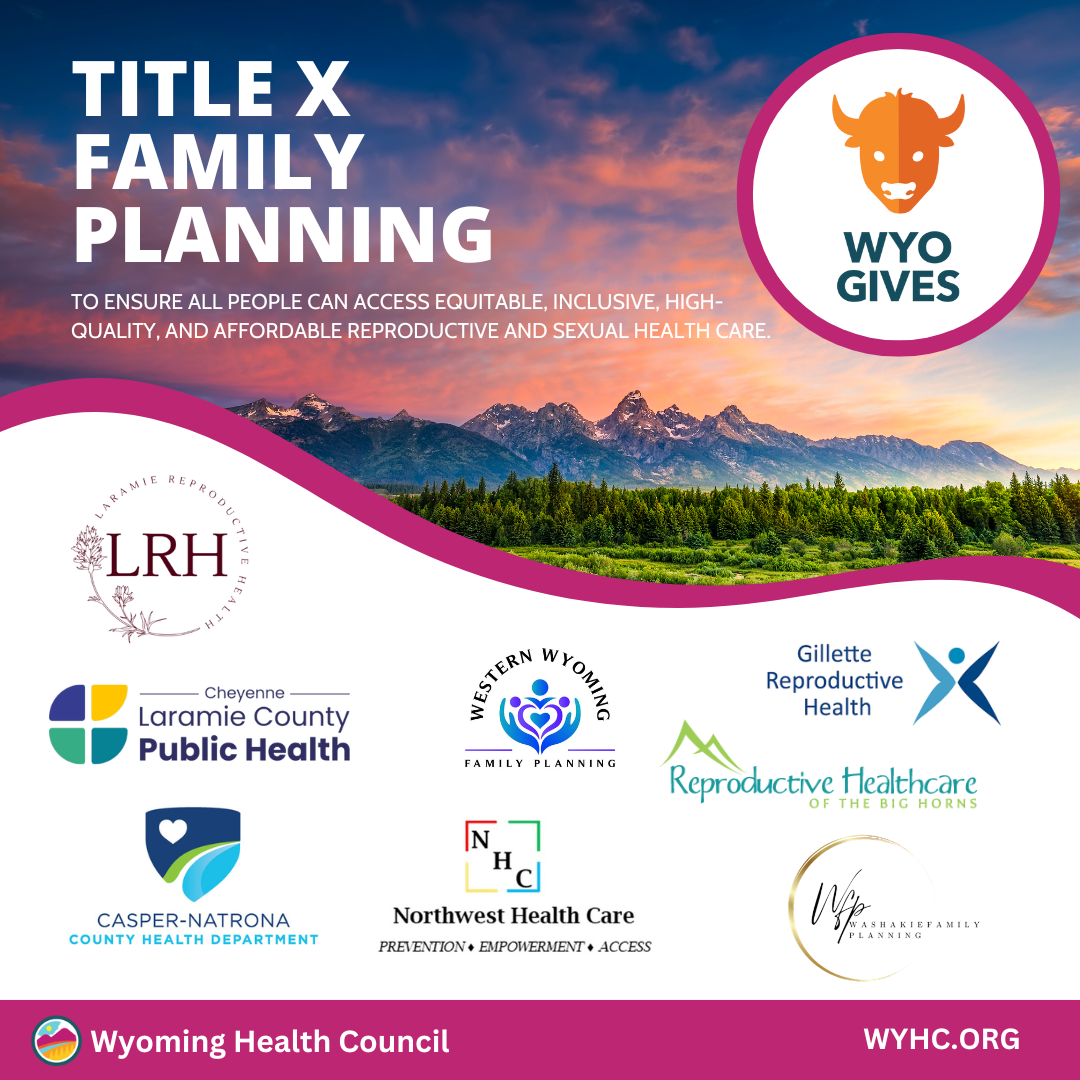
The Wyoming Health Council works to ensure that all people can access equitable, inclusive, high-quality, and affordable reproductive and sexual health care. | | |
Mark your calendars for #WyoGives
on July 16!
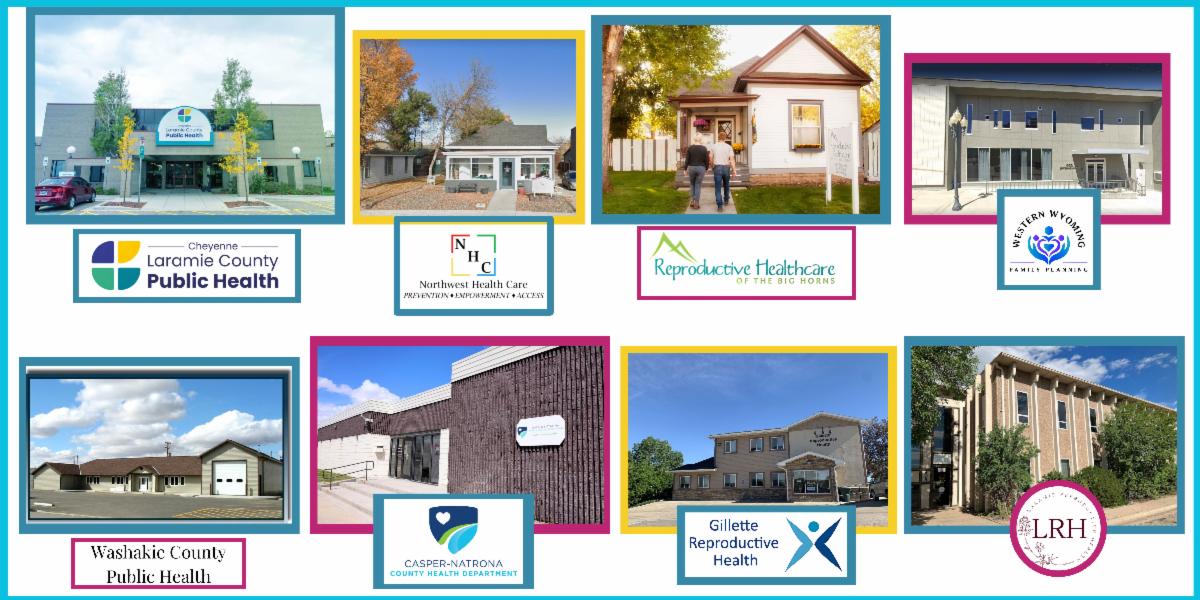
In this moment, as family planning providers, Wyoming's Title X clinics play and even more critical role as a source of safety, trust, information and sexual and reproductive health services.
Support access to affordable reproductive health care by donating to your local Title X Family Planning Clinic. Your gift helps provide essential services like birth control, STI testing, cancer screenings, and more — no matter a person’s income or insurance status.
💙 Every dollar makes a difference
🔗 Give on July 16
| |
The Wyoming Health Council is not participating in WyoGives this year so our Title X family planning clinics across the state can be in the spotlight!
But if you'd still like to support reproductive and sexual health care in Wyoming, you can donate directly to us—100% of your contribution goes toward supporting health care access in our state.
| | | |
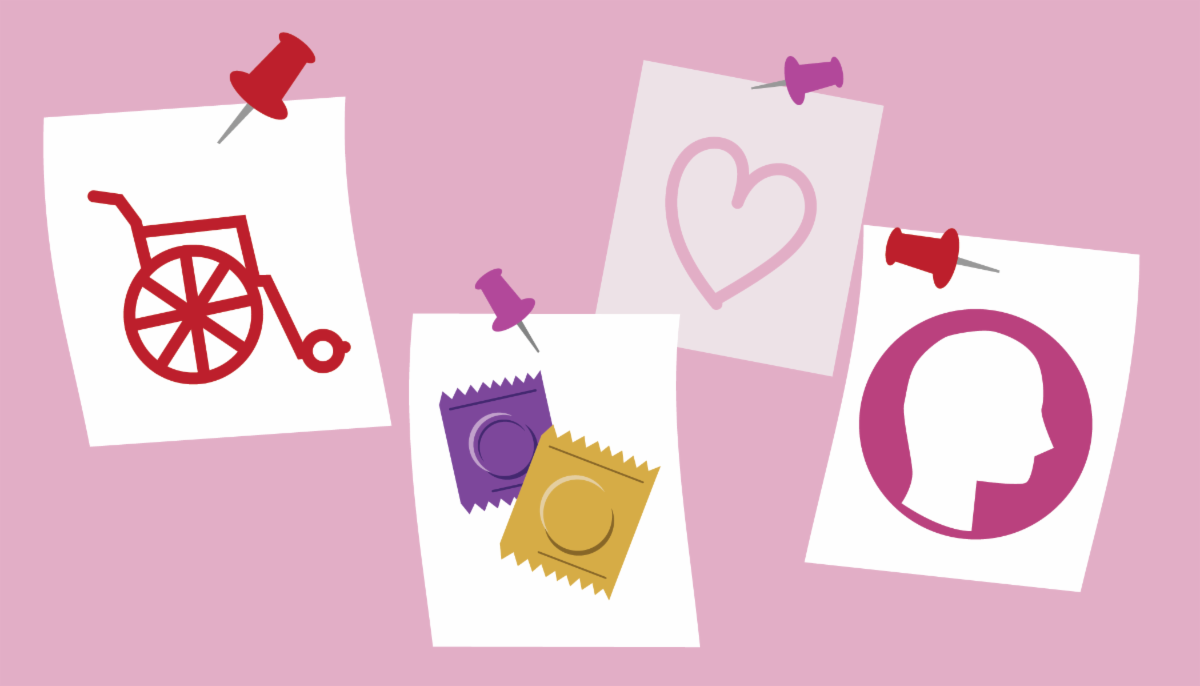
A Disabled Persons Guide To Talking With Your Partner(s) About Sex
Disabled people get a lot of practice telling people about our bodies: we tell doctors, therapists, care workers, and people in our support networks like family and friends. Sometimes this is a choice, and sharing builds understanding and intimacy. Sometimes it is out of need, like if we’re explaining our care or asking for help.
Sometimes we don’t choose it, but are expected to talk about our bodies, like when random non-disabled people ask inappropriate or invasive questions about our bodies and abilities. Situations like that can include extremely personal questions about our sex lives and sexuality, even though that’s often not wanted or okay. We should always feel comfortable to refuse to answer or address those kinds of questions.
The constant curiosity of others, and the expectation we should always talk about these personal things with anyone who asks, can really make it difficult for us to think about pleasurable, consensual conversations about how our bodies work and what our needs are. But when we meet someone who we are interested in as a sexual and/or
romantic partner, we need to have these conversations so that we and our partners can have the best and the safest time possible. It’s so important to be able to tell our partners how to support and pleasure us in the ways that work for us (and that we learn what feels good for them). Even though we’ve got all that practice, this conversation can still be really hard to start.
| |  | |
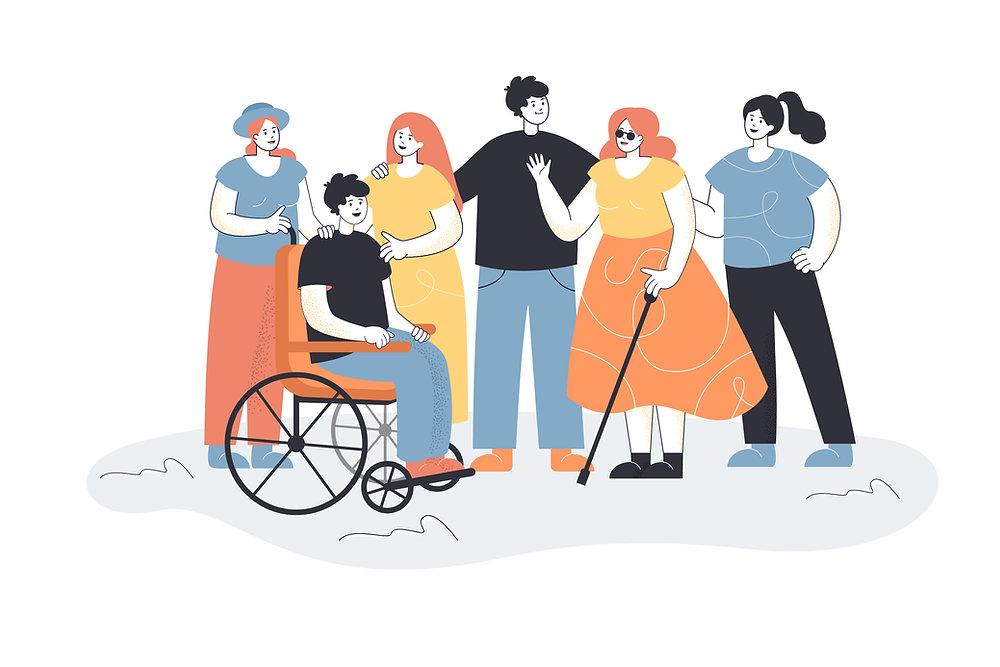
People With Disabilities Deserve Comprehensive Sex Education
The most harmful misconceptions when it comes to people with disabilities are that we don’t have sexual lives, our disabilities define our identities, or that we don’t experience a spectrum of sexual orientations or gender identities. Even though systems and greater guidance have allowed certain sexual and reproductive health services to be readily available — widespread testing, conversations about consent, prevention and treatment of STIs — this type of availability doesn’t equate to accessibility for everyone, especially for people with disabilities. An already shallow approach to sex education across the board coupled with the misconceptions we impose on people with disabilities could have life-altering consequences for those of us in the margins, already left behind by the sex education programs that do exist.
As with most communities who are systematically marginalized, people with disabilities struggle to access equitable education in general. The lack of comprehensive sex-ed is only the tip of the disability-rights-movement iceberg. According to the World Health Organization, about 16% of the world's population has some form of disability.
| | | |
July 13th
If We Don't Teach Youth About Sexual Assault and Consent, Popular Media Will
The sexual assault trial of five former World Juniors hockey players has spotlighted issues around sexual assault and consent.
Sexual assault, intimate partner violence and other forms of gender-based violence aren’t inevitable. Kindergarten to Grade 12 public schools have an ethical obligation to enact sexuality education that is responsive to current contexts, respects human diversity, empowers young people and is rooted in human rights.
We argue for harnessing popular media to advance sexuality education. Children and youth learn about a great deal about gender, relationships, sexuality and consent from popular media.
Although there is strong theoretical rationale for using popular media to confront sexual assault, many teachers identify and experience barriers to putting this into practice in their classrooms.
| | |
July 14th
Body appreciation has been linked to better sexual and life satisfaction – here’s how to cultivate it
These days it’s hard to miss the body positivity movement. But love and respect for the body isn’t new and wasn’t invented by the west. Indeed, global research I’ve collaborated on has found that body appreciation is understood and experienced the same way all over the world – even if we did find large differences in levels of body appreciation between different countries.
But first, it’s important to understand what body image and body appreciation mean in psychology.
Body image is the “inside view” that you have of yourself. Historically, body image research was focused on negative aspects, such as appearance anxiety or clinical conditions including body dysmorphic disorder. Over the past two decades, however, the study of positive body image has gained momentum.
There are different forms of positive body image, but perhaps the most important and most widely studied is body appreciation.
People who have high body appreciation are more likely to appreciate the unique characteristics of, and be attentive to the needs of, their bodies. These people also tend to reject narrow appearance ideals as the only form of human beauty.
Body positivity is a movement that promotes positive views of all bodies, whereas body appreciation is an inner relationship to your own body.
| | |
Natural Family Planning Awareness Week
July 20-26
| | |
What to Know About Nonhormonal Birth Control
For some people, hormonal birth control is not an option. They may want an alternative option to avoid hormones, want to experience side effects, have health concerns, or are nursing.
Some common types of birth control contain hormones such as estrogen and progesterone. While these types of birth control tend to be highly effective, there are various reasons a person may not be able to or want to use them.
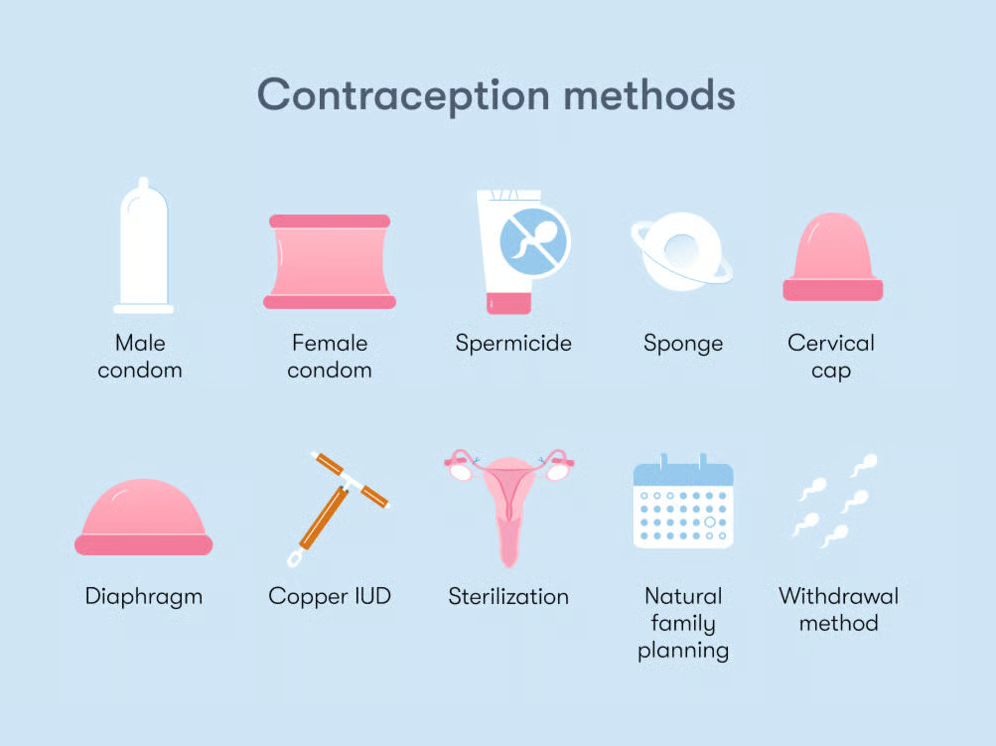
Nonhormonal birth control options range from barrier methods to sterilization and other methods, such as natural family planning. The effectiveness of these methods also ranges depending on the method and how it is used.
This article explores 11 types of hormone-free birth control options and their effectiveness.
| | | |
Rhythm Method for Natural Family Planning
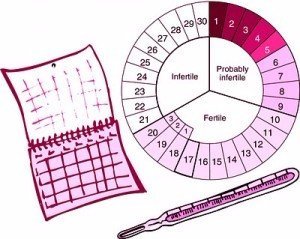
The rhythm method, also called the calendar method or the calendar rhythm method, is a form of natural family planning.
To use the rhythm method, you track your menstrual history to predict when you'll ovulate. This helps you determine when you're most likely to conceive.
If you're hoping to get pregnant, you can use the rhythm method to determine the best days to have sex. Similarly, if you're hoping to avoid pregnancy, you can use the rhythm method to determine which days to avoid unprotected sex.
Using the rhythm method for birth control requires careful record keeping and persistence. If you don't want to conceive, you and your partner must avoid having sex or use a barrier method of contraception during your fertile days each month.
| | | |
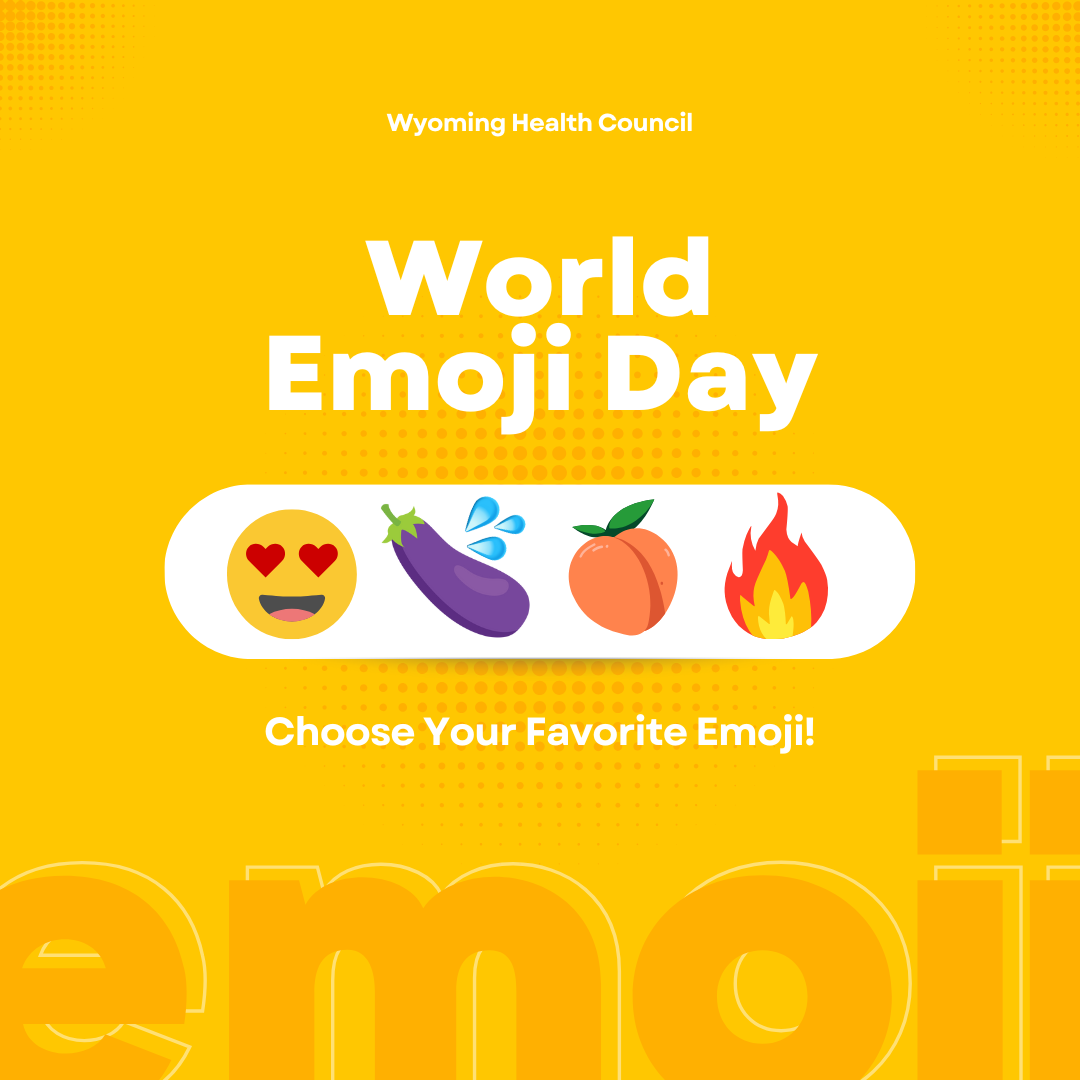
July 17th is 🌍 World Emoji Day!
Whether you're 😘 or 🔥 in your texts, remember that consent is key and staying safe is sexy.
✅ Your local Title X Family Planning Clinic is here for STI testing, birth control, and judgment-free sexual health care. 💬💗
| |
FDA Approves Twice-a-Year Injection for HIV Prevention
A drug currently used to treat certain HIV infections has also, on Wednesday, received approval from the US Food and Drug Administration to be used to prevent HIV.
Gilead Sciences, maker of the drug, announced that a twice-a-year injection of lenacapavir has been approved in the United States for HIV prevention under the brand name Yeztugo. In clinical trials, the drug was found to dramatically reduce the risk of infection and provide near-total protection against HIV, significantly more than the primary options available for pre-exposure prophylaxis or PrEP.
Therapies called PrEP have been used to prevent HIV infections for years. In the United States, this may involve taking pills, such as a daily medication called Truvada, or getting shots, such as injections every two months of the medication Apretude. But a twice-yearly shot of lenacapavir has now become another option in the prevention toolbox – making it the first and only such shot for HIV prevention.
| | |
This newsletter was developed (in part) with federal funds from the Office of Population Affairs. For more information on the rules and regulations that apply to our programs, please visit
https://opa.hhs.gov/grant-programs/title-x-service-grants
This project is supported by the Office of Population Affairs (OPA) and the Office of the Assistant Secretary of Health (OASH) of the U.X. Department of Health and Human Services (HHS) as part of a financial assistance award 1 FPHPA 006541-0-00 totaling $978,380 with 100 percent funded by OPA/OASH/HHS. The contents are those of the author and do not necessarily represent the official views of, nor an endorsement, by OPA/OASH/HHS or the U.X. Government.
| |
WYOMING HEALTH COUNCIL
111 S. Durbin, Suite 200
Casper, WY 82601
Call Us: (307) 439-2033
| | | | | |