Accessibility & Health

July 2024

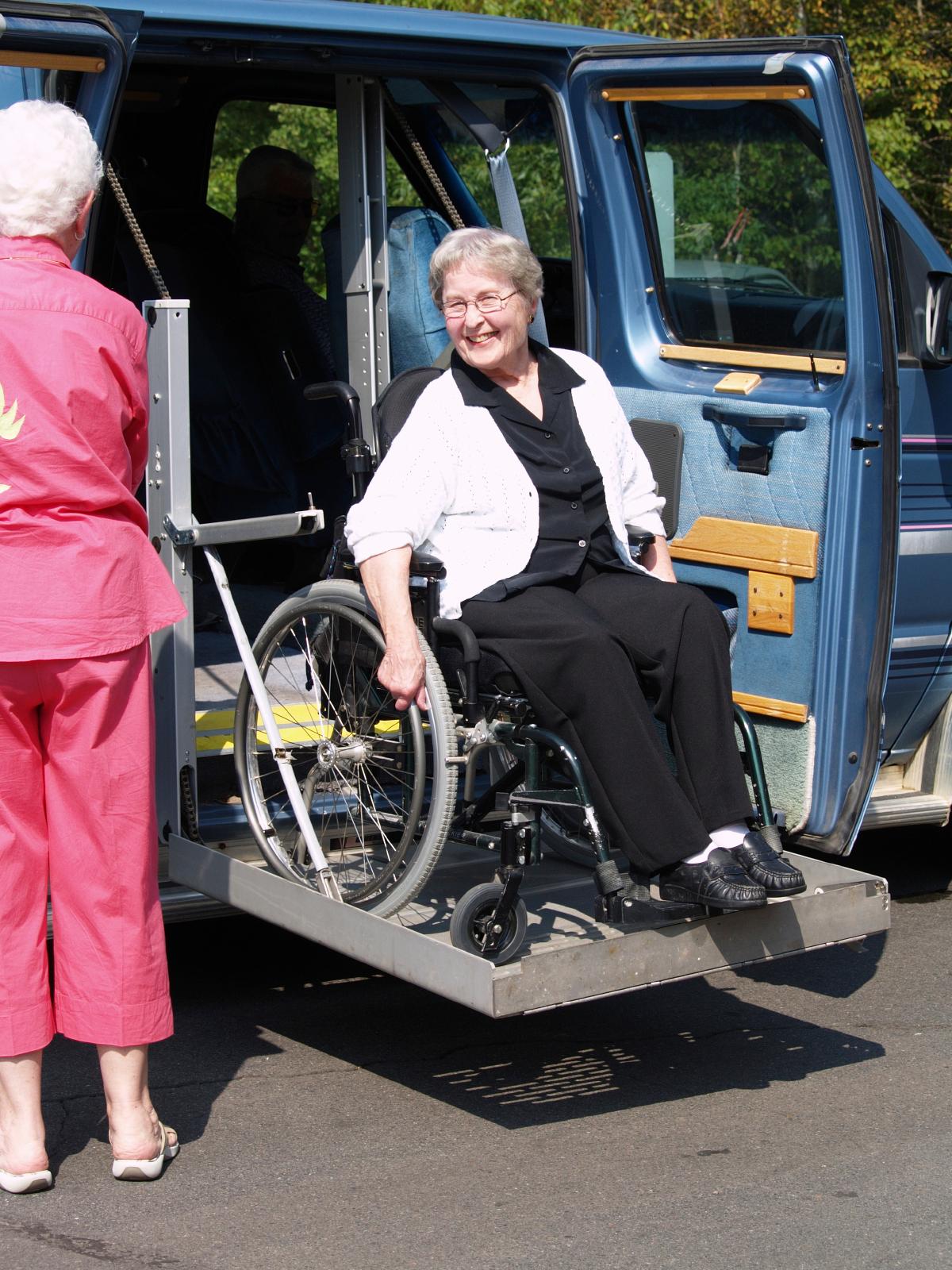
Image of a person propelling themselves in a wheelchair with wide space ahead of them.
WEBSITE
RESOURCES
TRAININGS

Join us for today's training!

Eduardo Ortiz

Culturally Responsive Considerations for Working with Individuals from Diverse Backgrounds in Healthcare Settings


NEW DATE: Tuesday, July 23, from 1:30-2:30 PM

Presenter: Dr. Eduardo Ortiz


This webinar will include content and discussions of several health and healthcare related topics for diverse multicultural populations.


We will discuss:

  • Social demographics and health disparities
  • Challenges when working with multicultural populations
  • Strategies for cultural responsiveness to enhance health outcomes


Join us to enhance your understanding and competence in serving diverse communities effectively.

REGISTER
Disability Pride Flag

July is Disability Pride Month


Disability Pride Month in July celebrates the "history, achievements, experiences, and struggles of the disability community" and marks the anniversary of the ADA, which made society more inclusive for people with disabilities.

LEARN MORE

New guides: Social Media Accessibility


Creating accessible social media content is essential for ensuring that all users, regardless of their abilities, can engage with your posts. Check out our three guides, fresh off the press!

TEXT
VIDEOS
IMAGES
Woman in a wheelchair at a desk waving to her computer screen.

We want to highlight you in our newsletter!


Do you have something noteworthy about the accessibility at your health department? Maybe you are implementing something new or have something that is working really well?


Reply to this newsletter and let us know about it! We want to share the good work you are doing to provide services and information to all!

ADA Highlight -

Who is Protected?


The ADA protects the rights of people who have a physical or mental impairment that substantially limits their ability to perform one or more major life activities, such as breathing, walking, reading, thinking, seeing, hearing, or working.


It does not apply to people whose impairment is unsubstantial, such as someone who is slightly nearsighted or someone who is mildly allergic to pollen.


However, it does apply to people whose disability is substantial but can be moderated or mitigated, such as someone with diabetes that can normally be controlled with medication or someone who uses leg braces to walk, as well as to people who are temporarily substantially limited in their ability to perform a major life activity.

ADA PRIMER

Help Us Improve ADA Compliance Training!


Are you a health care worker passionate about accessibility? We need your expertise to test the usability of our new ADA compliance training materials!


Click the link to join our 2 hour focus group and make a difference in public health departments across Utah.


Your feedback is

invaluable!


Questions? Email Elle at Rebecca.Smith@usu.edu or Dr. Chen at Chen.Chen@usu.edu.


This study was approved by USU IRB. Protocol #14360.

JOIN

Asynchronous Trainings

DHHS Disability 101 Training


This is a recording of the DHHS Disability 101 training offered by the USU Institute for Disability Research, Policy & Practice.


This training covers the basics of working with and including individuals with disabilities in your workplace and programs.

REGISTER

Inclusion & Belonging Training


This training goes over the attributes of inclusive environments, and provides some quick proactive strategies and supports that you can use to make your offices and clinics more inclusive and inviting to individuals of all abilities and backgrounds.

REGISTER
Institute for Disability Research, Policy & Practice logo

CONTACT US

(435) 797-1981

Facebook  X  Instagram  LinkedIn