Surviving July Heat in the Garden

By the time July rolls around, the questions we get start to shift. Instead of “what should I plant”, we hear “is my garden going to make it.” Fair question. Heat and humidity in Illinois can be brutal on anything that went into the ground this spring, and even established plants can start showing stress when the temperatures sit in the 90s for days in a row. Here is the part that surprises people: not everything in your yard needs the same amount of attention right now.

Hornbaker Gardens Artisan Market

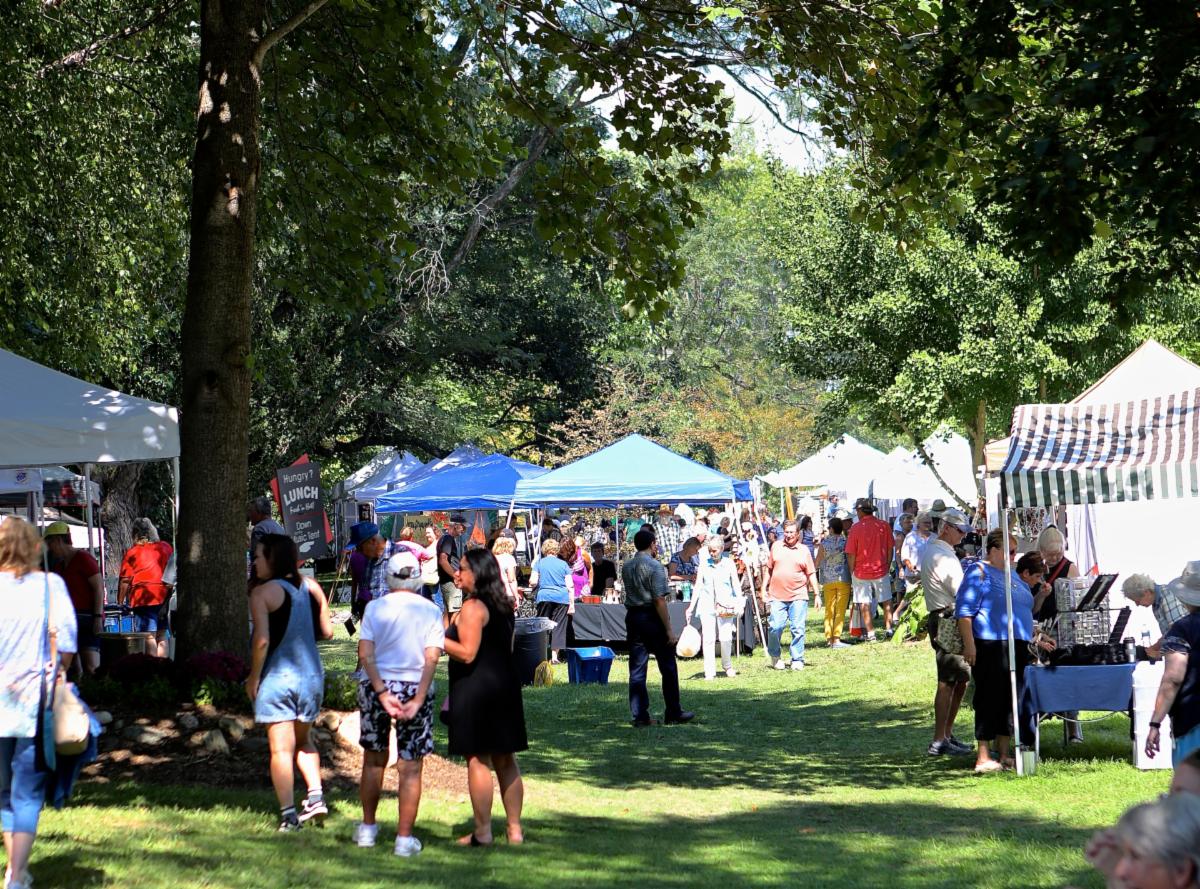
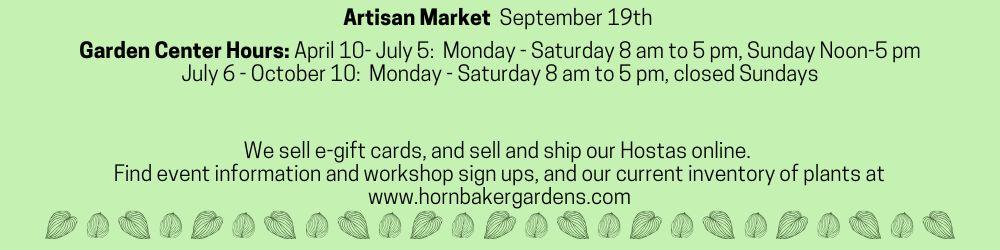
Mark your calendar for the Artisan Market on September 19 from 10-4. This year we're hosting 35 regional artists working in photography, wood, pottery, mixed media, painting, jewelry, glass, metal, leather, and fiber, and the lineup is one of the best we've had. Wander the grounds, meet the makers, and find something one of a kind while live music plays and local food trucks keep everyone fed. It's a full day of art, music, and community, and we would love to see you there.

Grasses Love the Heat You're Trying to Escape

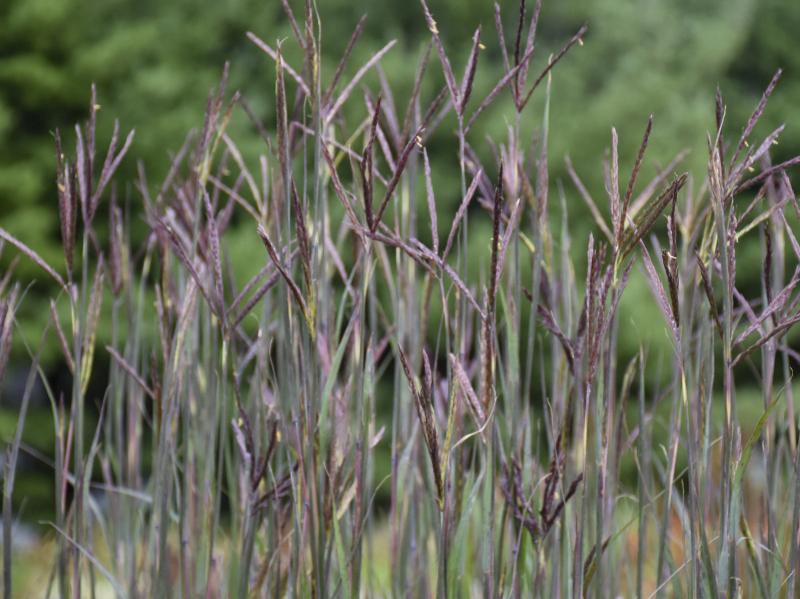
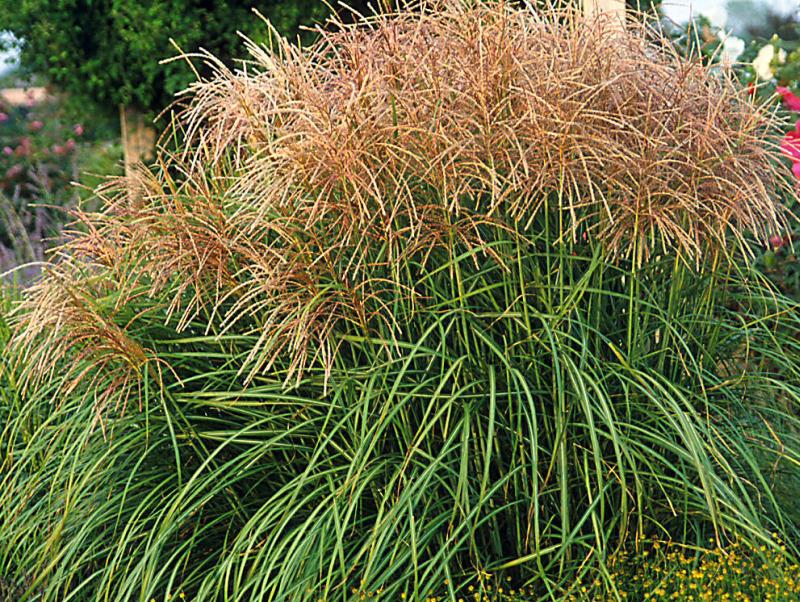
Summer has a reputation for being the wrong time to plant anything, but ornamental grasses break that rule entirely. Unlike many perennials that sulk and wilt when tucked into hot July soil, grasses are built for exactly this kind of weather. Warm soil speeds root growth far more than warm air does, so a grass planted now is putting down anchoring roots at a much faster pace than it would in cool spring soil. Most popular varieties are warm season growers by nature, meaning summer is their preferred growing season, not just something they tolerate, so planting now means the plant is building roots and top growth at the same time instead of holding steady until the weather suits it.


There is a bit of a myth that fall or spring planting is gentler on a new plant, but with grasses, summer planting often gets them through that vulnerable first stretch faster, not slower. A grass put in the ground in July has months of warm soil ahead of it to root in deeply before winter ever arrives, so by the time cold weather rolls around it is already well anchored rather than still trying to get established. That head start tends to show up the following year as a fuller, more resilient clump right out of the gate.


That practicality carries into the rest of the season too. Grasses shrug off drought once established. For the first two to three weeks after planting, water deeply two to three times a week rather than a little every day. Deep, infrequent watering encourages roots to grow downward and outward searching for moisture, while frequent shallow watering keeps roots near the surface where they're more vulnerable to heat stress. A good soak that reaches several inches down is more valuable than a quick sprinkle.


Plumes catching the evening light, foliage rustling in a breeze, that soft golden glow as the season turns toward fall. Planting grasses now is not just convenient, it is one of the easiest ways to get a stronger plant next year while keeping the garden feeling alive right through the hottest, driest stretch of this one.

Natives Plants are Built for This Summer

Native plants have spent thousands of years adapting to exactly this kind of Illinois summer, the heat, the humidity, the sudden dry spells between storms. That long history of adaptation is what makes them such a smart choice for planting right now. Their root systems are built to reach deep into the soil in search of moisture, which means once they settle in they need far less coddling than many ornamental options. Planting during the growing season also lets you see them at their best right away, coneflowers and black eyed susans in full bloom, native grasses catching the summer light, a garden that already looks like it belongs here rather than one you have to imagine into its future self.


There is real value too in what natives bring beyond their own resilience. They are the plants our local pollinators and birds evolved alongside, so a native planted this summer starts doing ecological work almost immediately; feeding bees and butterflies and offering the kind of habitat that a lot of ornamental plants simply cannot. Choosing natives is not just about surviving the heat, it is about building a garden that gives something back to the landscape around it, one deeply rooted plant at a time.

Weird Hosta Names - Who comes up with this stuff?

Have you ever wondered who gets to name hostas?


Turns out there is no secret job title for it. It is just whoever hybridizes the variety. The person who does the actual work of crossing and developing it gets to pick the name too. Still, if that job ever opens up, we would like to apply immediately.

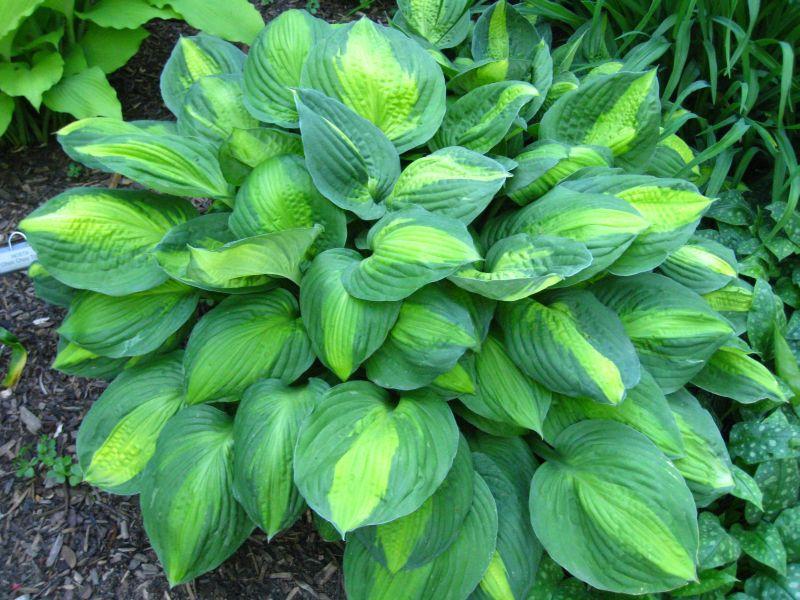
We have a 'Captain Kirk' and a 'Deep Space Nine' sitting a few feet apart in the greenhouse, which feels like it should cause some kind of interdimensional incident. Nearby, 'Pandora's Box' holds its own, and honestly the whole corner reads like a sci-fi convention got planted in dirt.

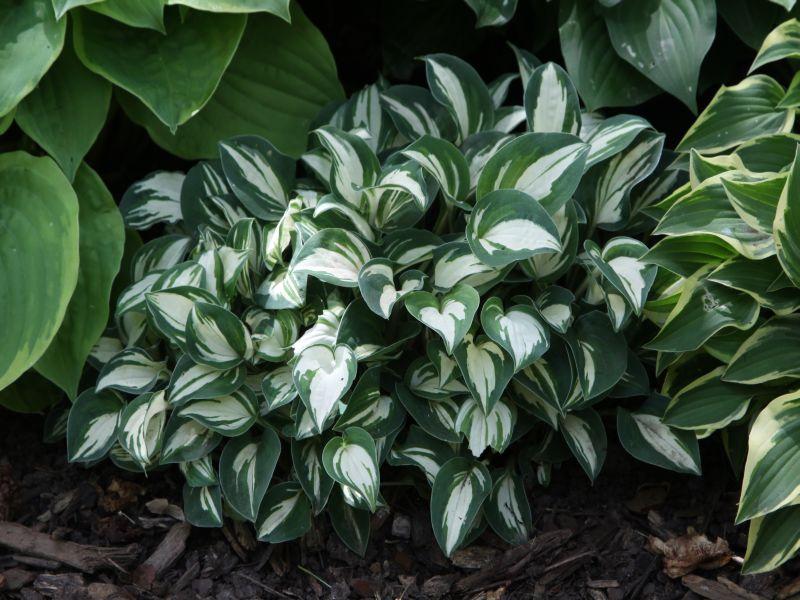
Then things get genuinely odd. 'Gigantosaurus' and 'T. Rex' are both massive growers, so at least those names make some sense once you see the leaves. 'Humpback Whale' is a giant too, with wide, rounded leaves that do look like they could be swimming somewhere. 'Fruit Loop' rounds things out with a name about as playful as the hosta itself.

My personal favorite has to be 'Emperor's New Clothes', mostly because we love picturing the moment someone decided that was the perfect name for a hosta covered in flecking. What's your favorite name on this list, or do you have a hosta with an even better one growing at home?

Princeton Train Depot Update

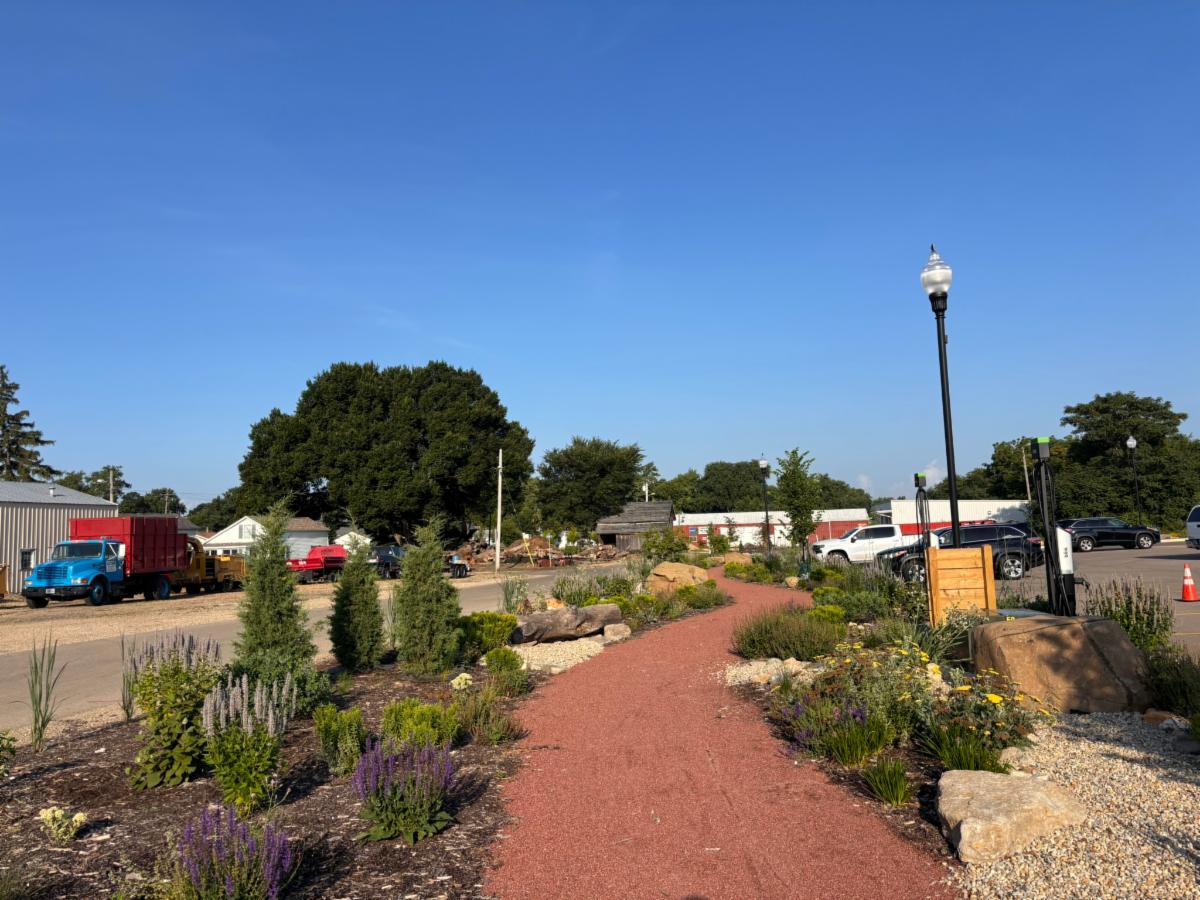
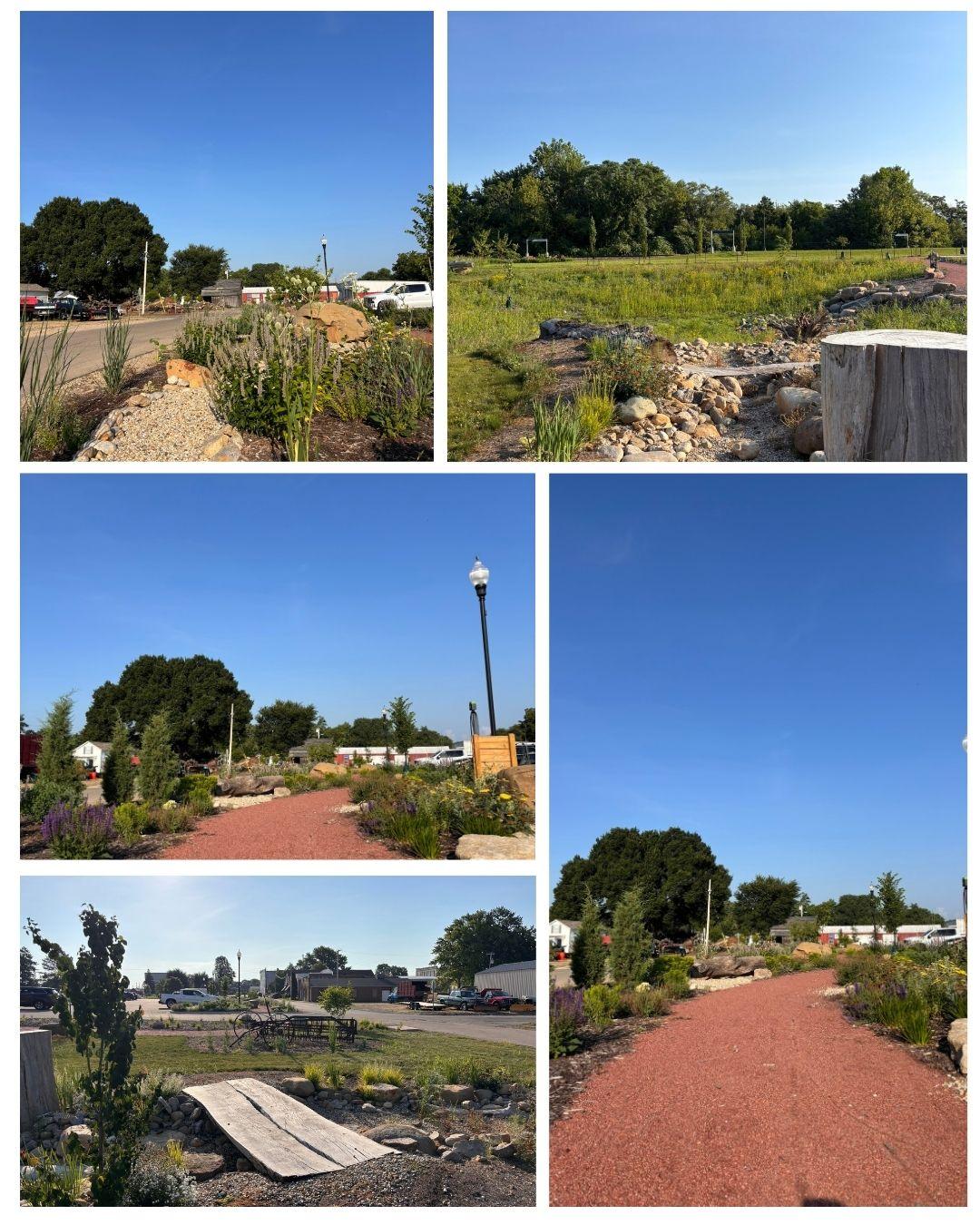
We loved being part of the train depot project in Princeton last year, helping beautify the city and create a warm welcome for everyone arriving in town. It is exactly the kind of community project that makes this work so rewarding, seeing a public space transform into something the whole town can be proud of.


The plants along the walkway are filling in nicely, and the native planting in the basin will continue to evolve as it gets more established in the years ahead, adding even more life to the space with time.

Facebook  Instagram