July 2026

Habitat Stewardship Project, Monterey Bay


Our mission is to bring nature closer to people, and people closer to nature through hands-on experiences in community based habitat restoration and environmental education.

July

This July we will begin getting things in order for our coming programs. K-12 schools will be back in session in the beginning of August in our area so lots of preparations will have to be made for our many school programs this fall. July will also bring lots of ripening seeds so staff and volunteers at the greenhouse we will be doing a lot of seed collection, cleaning, and sowing for the upcoming planting season.

Last Month's Highlights

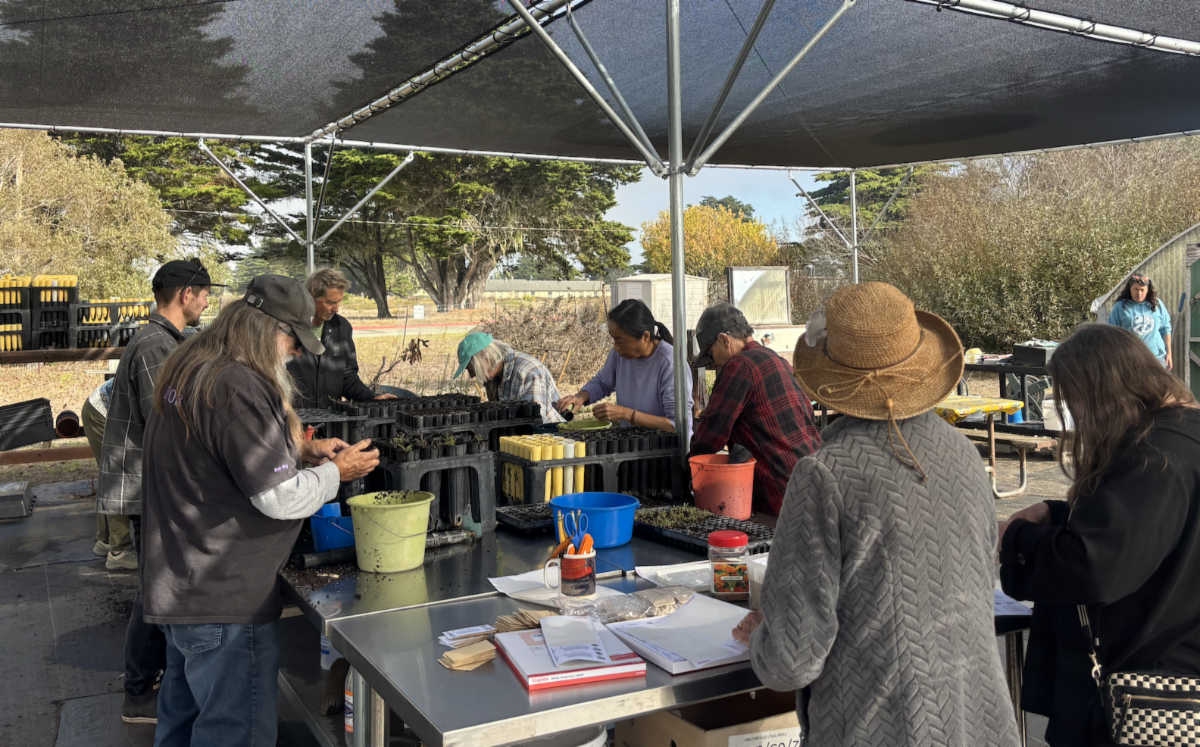
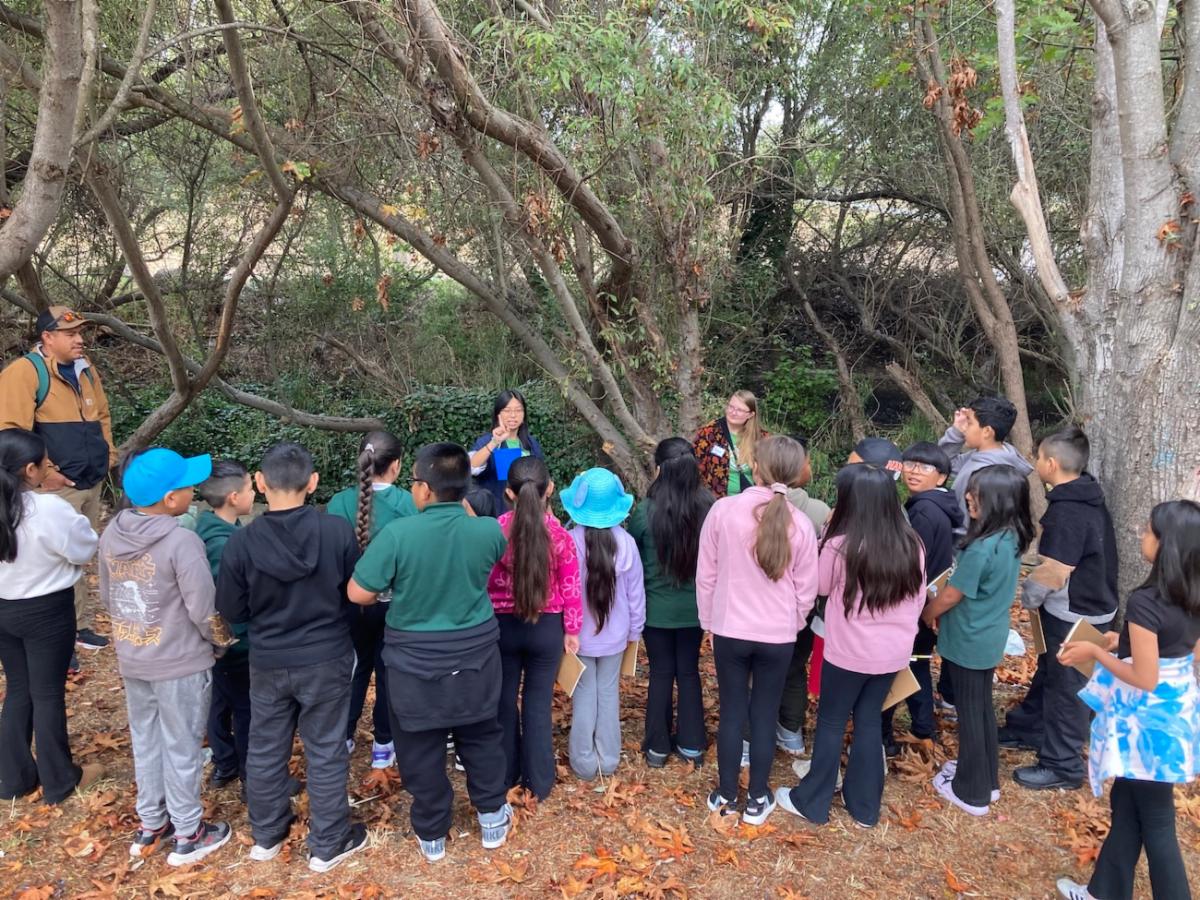
June has been a slow and steady month, HSP partnered with Big Sur Land Trust and CCA for a service event and Ensen park in Salinas (more details below) and we led a field trip with our Outdoor Equity Project participants. Every Tuesday our "DONS" volunteers have been coming out to the greenhouse to help sow seeds, transplant, and enjoy each other's company (and some delicious snacks). Life goes on, the tempo is slower but the quality of community engagement is still high!

Upcoming Community Events

Everyone is welcome to our family-friendly FREE community events.


We provide snacks, gloves, tools, and supplies.

Sun protection, reusable water bottle, and closed-toe shoes are recommended.


Keep checking our "Community Events Calendar" for updates or join us at DONS which runs year long.


EVERY TUESDAY

| Email Christina McKnew at cmcknew@csumb.edu

10:30AM-12:30 PM

DONS (Docents of Native Species), native plant volunteer group

Location: Greenhouses near the CSUMB Watershed Institute-

4100 B St, Seaside, CA 93955


Click the Community Events button to learn more and sign up for an event!

Community Volunteers Support Native Plant Restoration at Ensen Park

By Samuel Anaya-Alvarez, Education Program Coordinator

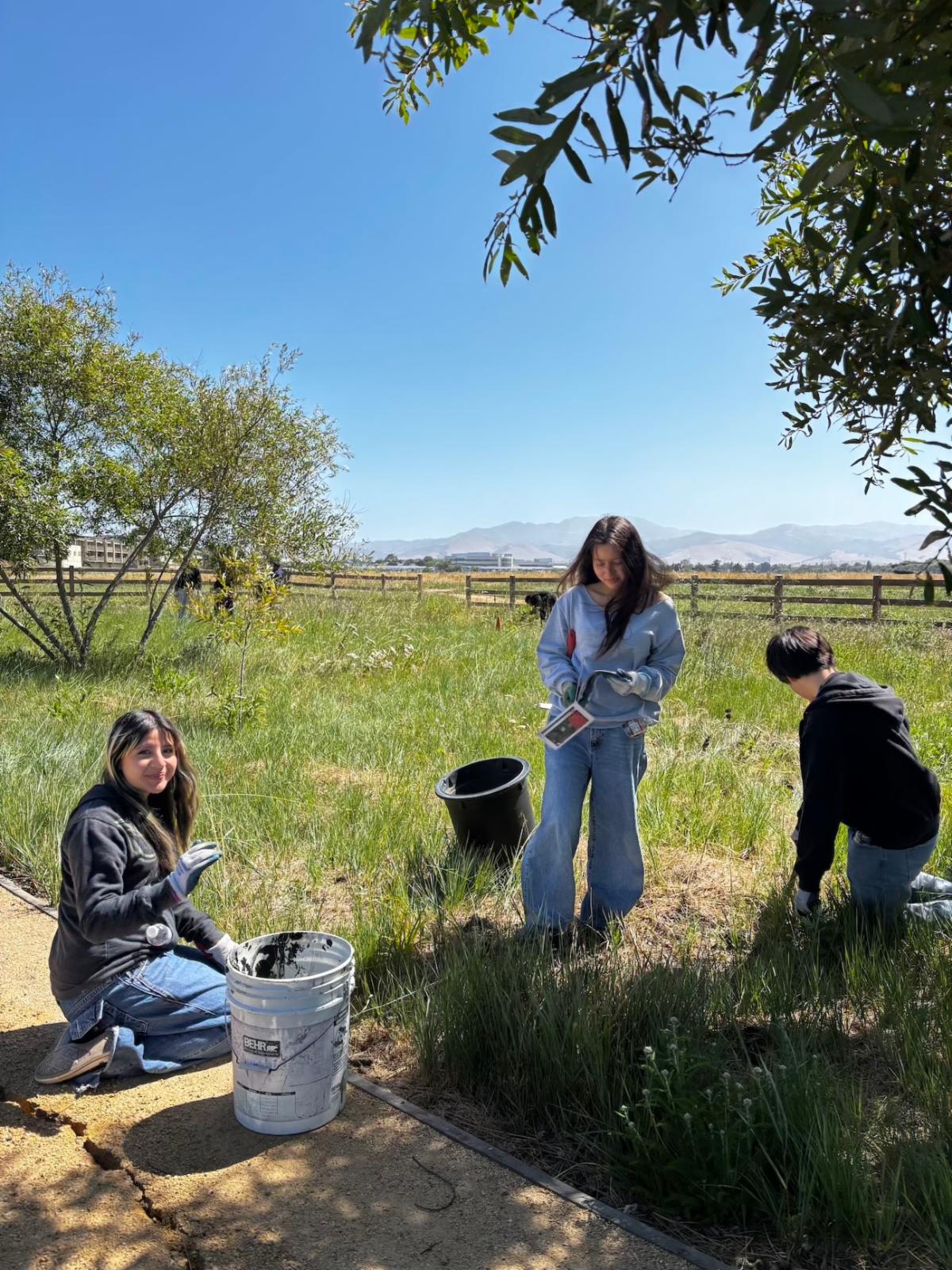
This past June, community members came together for a public volunteer event at the Native Plants Garden at Ensen Park, joining efforts with Center for Community Advocacy, Big Sur Land Trust, and Habitat Stewardship Project. Around 30 dedicated volunteers spent the day removing introduced and invasive weeds from the restoration area, helping create healthier conditions for native plants to thrive.


Native plants play an essential role in supporting local ecosystems. They provide food and habitat for birds, pollinators, and other wildlife, while also helping protect soil, conserve water, and preserve the natural character of our region. By removing invasive weeds, volunteers helped reduce competition for space, sunlight, and nutrients, giving native plants a better chance to grow and strengthen the park’s habitat.


We are deeply grateful to our partner organizations: Center for Community Advocacy and Big Sur Land Trust, for their collaboration and continued commitment to restoration and community stewardship. We also extend a BIG THANK YOU to all the volunteers who gave their time, energy, and care to this important work.


Stay tuned for upcoming volunteer opportunities and community events. Please save the date for the official opening of the restoration area at Ensen Park on September 20!

Sticky Monkey Flower–not Stinky Monkey Flower

By Laura Lee Lienk, Director


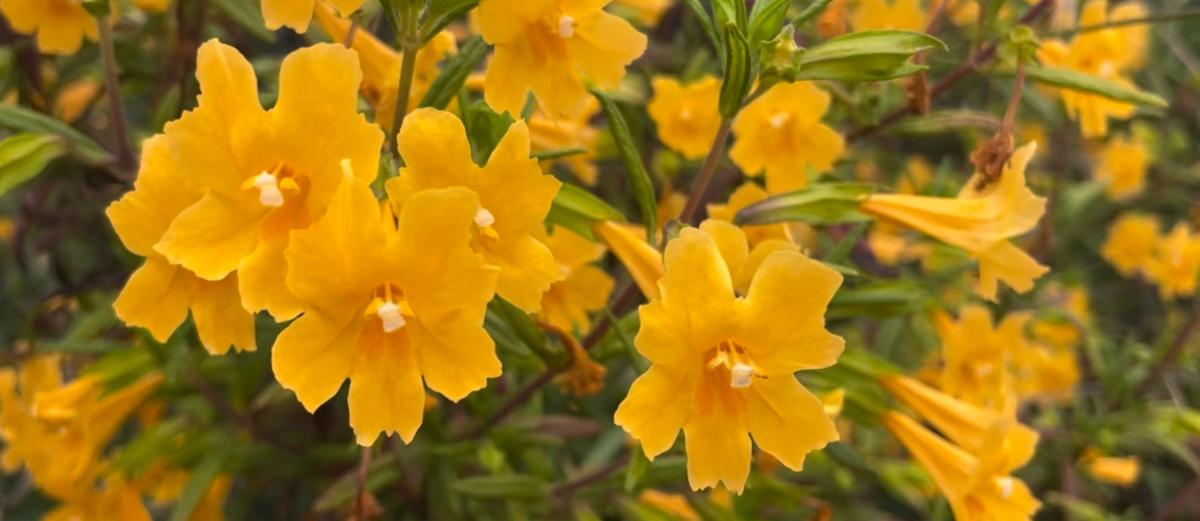
Kids giggle when introduced to one of our area's most widespread native plants.  Do they hear “stinky” instead of “sticky”?   Diplacus aurantiacus with its orange flowers may be fragrant or stinky to insects who probe its long tubular flowers for meals of nectar but my nose does not detect an odor.  However, if I gently touch one of its green shiny leaves I do feel it to be sticky because of the resin that coats the leaves protecting them from drying out in the sun. The name Sticky wins!


More about Sticky Monkey Flower:  As we go into what looks to be a warm/hot summer the native spring wildflowers have turned brown and gone to seed and are replaced by an abundance of  drought tolerant Sticky Monkey Flowers.  The flowers shaped like a monkey’s face are loved by hummingbirds, butterflies and bees making Sticky Monkey an important pollinator species.   Native peoples valued the salve made from the plant parts to treat wounds, burns and other skin ailments.  It is reported that Sticky Monkey flowers have a slightly sweet taste and can adorn salads and can be eaten.  As for me, I am happy to see a hillside tinged orange with these summer blooming flowers.


HSP Promotes Tools More Powerful Than AI

By Laura Lee Lienk, Director


The Habitat Stewardship Project’s Mission Statement is: “To bring nature to people and people to nature through hands-on experiences restoring habitats.” As I think about our mission statement which has guided our organization for the past 37 years, I know that our work at HSP is onto something far more powerful than Artificial Intelligence. HSP combines nature and hands-on experiences to create profound natural learning experiences that enter us through our senses. We learn as; we gently plant native plants back into the wild, as we pick up trash and reflect on our proximity to the ocean; as we experience natural sunlight and breezes; or chat with other volunteers who also are committed to a better planet. I believe that HSP creates intelligence naturally, not artificially, a natural intelligence that doesn’t depend on a water and energy guzzling data center or on even more screen time.


Hmmmm, I think I’ll go out on a nature intelligence hike! Join me!


Resource and Inspiration Suggestion:

The Children and Nature Network believes that Nature makes children healthier, happier and smarter. Check out their great website www.childrenandnature.org and then go outside!


Learn about Restoration in Monterey County

Check out our social media sites!


Learn more on native plants and invasive species, future events, and see past event photos on our social media accounts: @hspmontereybay

Facebook  Instagram