Global Health Community Newsletter
| July 2026 |
| | |
The Mass General Center for Global Health is a central hub of expertise and support for global health initiatives across the Mass General Brigham ecosystem. | | | |
Upcoming Events | Funding Opportunities | Fellowships / Employment Opportunities | Awards / Recognition
Global Health Community Highlights | Research | Travel, Safety, and Security | Opportunities to Engage
| | | Please join us at the Annual MGH Global Health Expo! | |
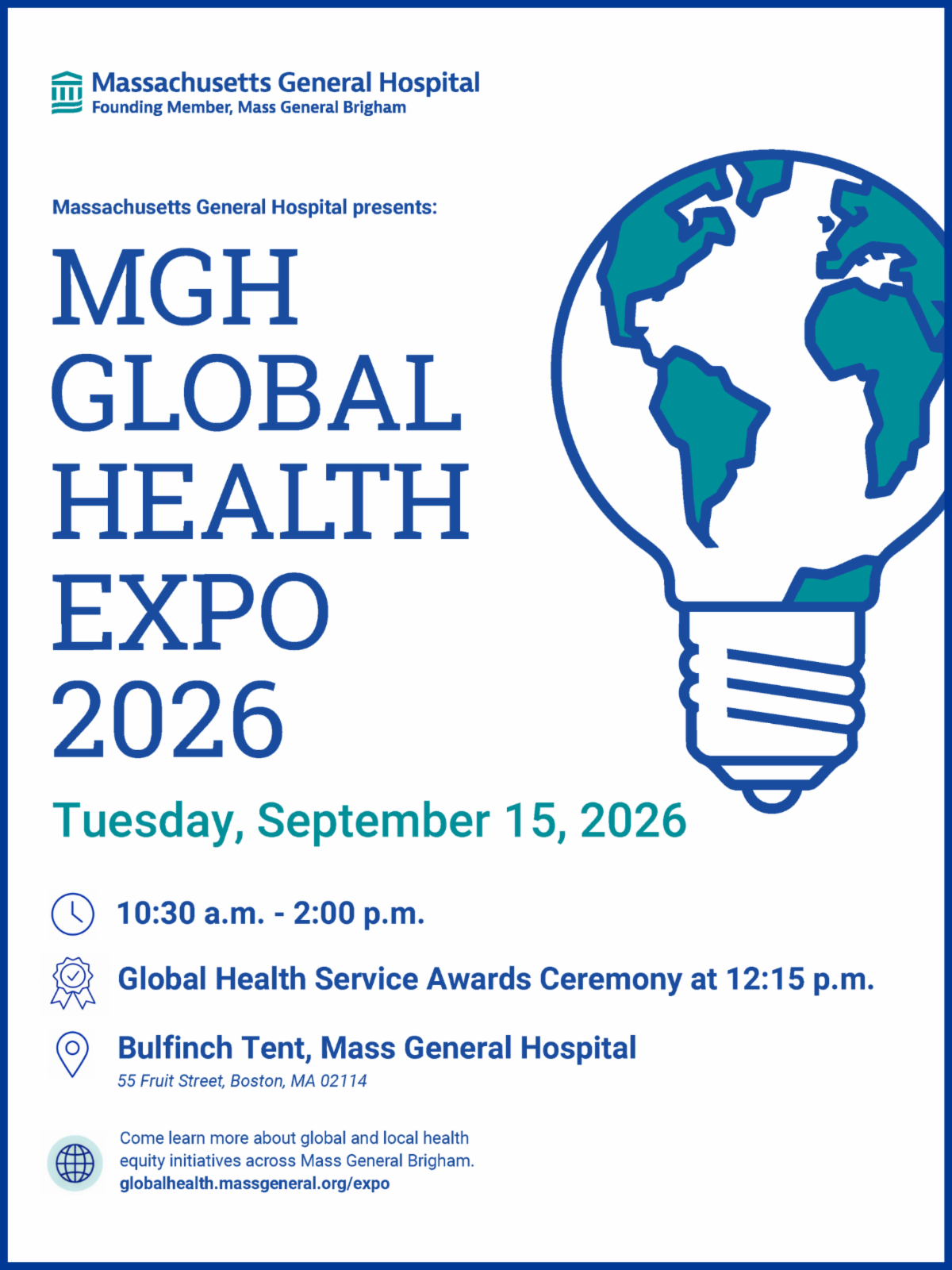
Tuesday, September 15th, 2026
10:30AM - 2:00PM ET | In-person
Location: Bulfinch Tent, Mass General Hospital, 55 Fruit Street, Boston, MA 02114
We welcome all to attend the MGH Global Health Expo on Tuesday, September 15th, 2026 from 10:30am-2:00pm in the Bulfinch Tent at Massachusetts General Hospital. Hosted annually by the Center for Global Health, the Expo provides an opportunity to learn about global and local health equity initiatives across MGB. Learn more about the Global Health Expo at this link.
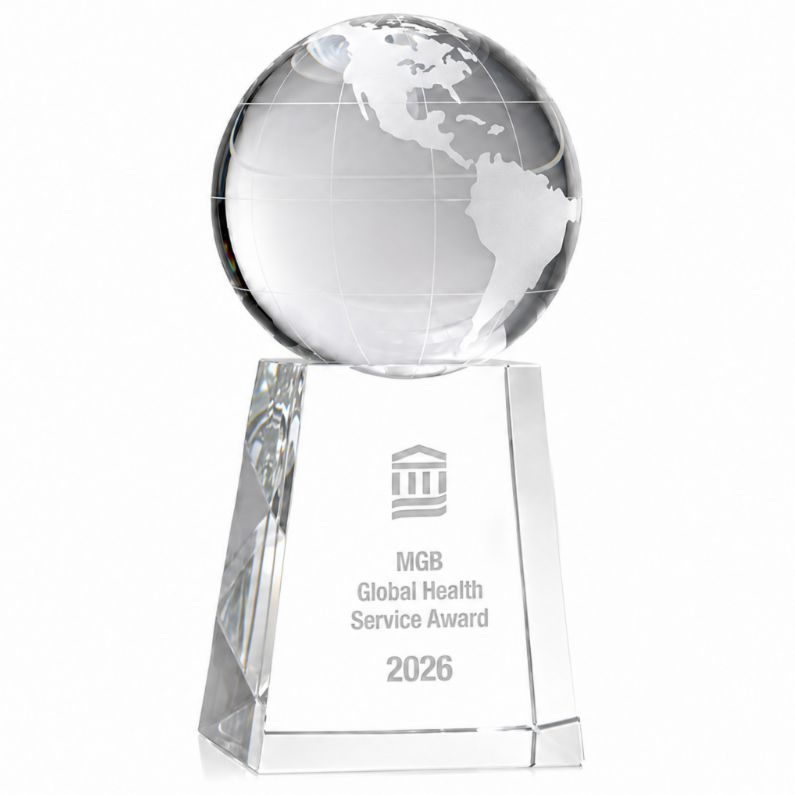
The MGB Global Health Service Award Ceremony will also take place at the Expo at 12:15pm. Please learn more about these awards and how to submit nominations for fellow MGB colleagues or global partners at this link.
| | -
Wyss Global Health Scholars Program – With the generous support of the Wyss Medical Foundation, the Massachusetts General Hospital Center for Global Health (CGH) is pleased to announce a new call for applications under the Wyss Global Health Scholars Program. The deadline for submission is July 31, 2026. The Wyss Global Health Scholars Program will provide up to $150,000 per year for up to two years ($300,000 total) to applicants likely to create lasting health impact in underserved global communities. The program seeks to support the clinical care, teaching, research, and innovation work of the most promising global health physicians and healthcare providers, especially those working in multinational teams that together bring their talents to address both clinical care and clinical research needs of communities in the global south, in equitable partnership with those communities. Click on this link for more details regarding eligibility and timeline and to access the application form, which contains instructions and templates. Contact Jodi Ansel at jansel@mgh.harvard.edu with any questions.
| |
-
Call for Nominations: 2026 MGB Global Health Service Awards – These awards were created to encourage innovation, dedication, and commitment in the field of Global Health; to recognize people whose goal is to inspire, advance, and improve the clinical care and capacity for underserved populations; and to emphasize the importance and benefits of global collaboration in healthcare. All MGB employees and global partners are eligible. $2,500 will be awarded to support global health project related work. Learn more at this link and submit nominations through this form.
| |
-
Scholarships for Clinical Education and Training in LMICs Program – The MGH Center for Global Health (CGH) is now accepting proposals for the Scholarships for Clinical and Training in LMICs Program on a rolling basis. CGH is committed to increasing capacity of medical providers to create lasting health impact in underserved global communities. It is within this context that we invite MGH and BWH faculty/clinicians to apply for funds on behalf of partner institution staff -- doctors, nurses, and allied health personnel from LMICs-- to support their health education and skills-building training. Through this mechanism, MGH faculty/clinicians may apply for educational support for a global collaborator in their pursuit of medical education, specialized training, advanced degree, and/or other skills building courses in their home country. CGH will fund awards of up to $15,000/each. See this document for more information and to access the application through this form. Applications are accepted on a rolling basis. Contact Jodi Ansel at jansel@mgh.harvard.edu with any questions.
-
MGB Global Health Community Engagement Awards – The purpose of these awards is to achieve improved health and healthcare equity within the populations we serve; support patient-focused, community-based health projects and/or research that demonstrate a positive impact on patient health outcomes; support humanitarian opportunities; and support requests for specialized assistance from NGOs. All staff, faculty, and partnering collaborators are eligible. Up to $2,000 is available per award and may include support for travel. Learn more and apply at this link.
-
MGB Global Health Finish Line Grant – The purpose of this award is to promote the advancement of junior investigators/trainees from MGB Global Health faculty partner sites, who have a project that is near completion and requires funding to bring the project “over the finish line.” Finish Line awards can range from $500-$2,500 per award each year and are awarded on a rolling basis. For more information and to apply view this document. Contact Lindsey Garrison at legarrison@mgh.harvard.edu with any questions.
To learn more about our Awards, Fellowships, and Funding Opportunities, please visit our Grants & Funding webpage at this link.
| | Fellowships / Employment Opportunities | |
-
Training Program in Psychiatric Genetics and Translational Research (T32) – Led by Karestan Koenen, PhD, JP Onnela, PhD and Alexander Tsai, MD, PhD, brings together faculty from the Harvard T.H. Chan School of Public Health and the MGH Division of Global Psychiatry to train epidemiologists, biostatisticians, and physician and non-physician clinicians with interests in a broad range of inquiry relevant to psychiatric genetics and analytical methods for translational mental health research, including global mental health, social and behavioral science, and psychiatric epidemiology. We offer dedicated mentorship, didactic seminars, formal coursework throughout Harvard-affiliated institutions, and access to a diverse community of cross-disciplinary scholars. Funding is for up to three years and includes salary, MPH tuition, travel to professional meetings, and other training-related expenses. As of July 1, 2026, applications are accepted on a rolling basis. If you have any questions, please reach out to Dr. Alexander Tsai at actsai@mgh.harvard.edu
-
Thomas S. Durant Fellowship – 1-year fellowship sponsors healthcare professionals to serve victims of complex humanitarian disasters and provides up to $75,000 for the year. This fellowship fosters in its recipients a sense of commitment to populations in distress and provides opportunities to develop professionalism in humanitarian response. MGH and BWH physicians, APPs, and nurses are eligible to apply. Learn more at this link. If interested, please contact globaldisasterresponse@partners.org
| | |
Career Opportunities at the Center for Global Health
| | MGB Global Health Community Engagement Award | | |
Amy Clara, PsyD has been awarded a MGB Global Health Community Engagement Award in support of her travel to the National Tribal Health Conference (NTHC), a premier gathering focused on American Indian and Alaska Native health policy, public health practice, advocacy, and health equity in Tribal communities. The conference highlights the intersection of policy, advocacy, and Native health best practices. Programming includes Tribal listening and consultation sessions, hands-on training, plenary sessions, and workshops on timely topics such as Indian Health funding, the business of medicine, health equity, Indigenous determinants of health, Tribal public health, behavioral health, culture, environmental health, and climate change. Attending the NTHC will deepen Dr. Clara's understanding of Tribal health care, strengthen her connections with practitioners, advocates, and agencies, and provide opportunities to learn directly from American Indian and Alaska Native communities.
Dr. Clara's work with Northern Navajo Medical Center (NNMC) is part of a collaboration between Mass General Brigham and the U.S. Indian Health Service (IHS). Her goal is to develop, organize, and deliver nonpharmacologic palliative care practices that complement local, culturally grounded healing traditions.
| | |
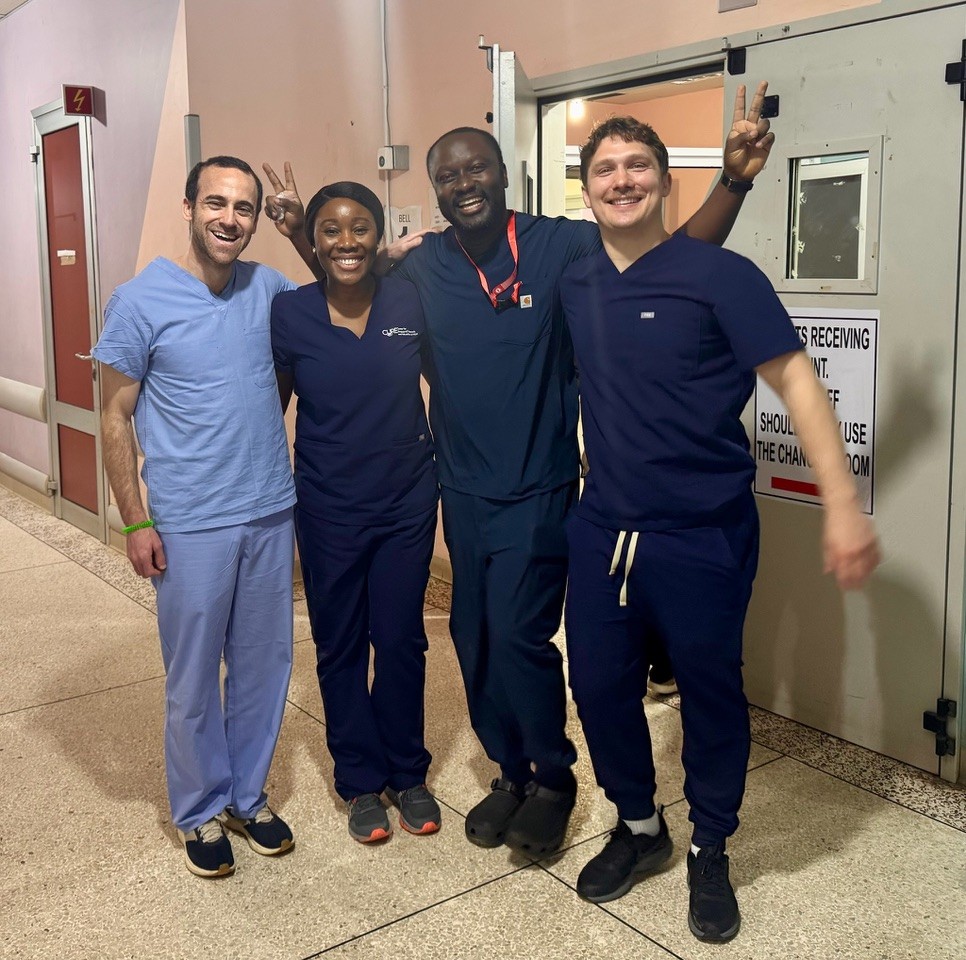
Recent Trip Summary from Award Recipient, Dr. Alexander Belaia
"The MGB Global Health Community Engagement Award gave me the wonderful opportunity to teach at Komfo Anokye Teaching Hospital (KATH) in Kumasi, Ghana for a multi-day point-of-care ultrasound (POCUS) course. It was truly the experience of a lifetime and a privilege to be able to advance healthcare in Ghana and the African nations. I gave three lectures during my time, including a thoracic ultrasound lecture, an aorta/inferior vena cava ultrasound lecture and a procedure lecture using ultrasound for peripheral and central intravenous access, nerve blocks, and lumbar punctures. Along with this, my team and I performed practice scanning with volunteers for establishing good scanning techniques and identification of normal anatomy. On the third and final day of the course, we performed bedside scanning for identification of acute pathology in the emergency department using ultrasound.
POCUS is particularly important in underserved regions like Kumasi, Ghana. Advanced imaging such as CT scans and MRIs are available in limited parts of the region and are expensive. On the other hand, ultrasound machines are much cheaper and once available, are ultimately free to use. At the end of the trip, we were able to work with Butterfly to be able to gift the hospital another ultrasound machine. At this time, I was truly impressed with the ultrasound skills that they already had, exceeding many trainees at the same level in the United States. This was a direct result of previous trips by MGB providers to Ghana who had also received this award. I am beyond grateful for the opportunity to advance POCUS in this region and I am looking forward to learning about the continued effort by MGB Global Health over the next few years." - Alexander Belaia, MD
| | Global Health Community Highlights | | Introducing Global Disaster Response's New Thomas S. Durant, MD Fellow, Bethany-Rose (BR) Daubman, MD | | |
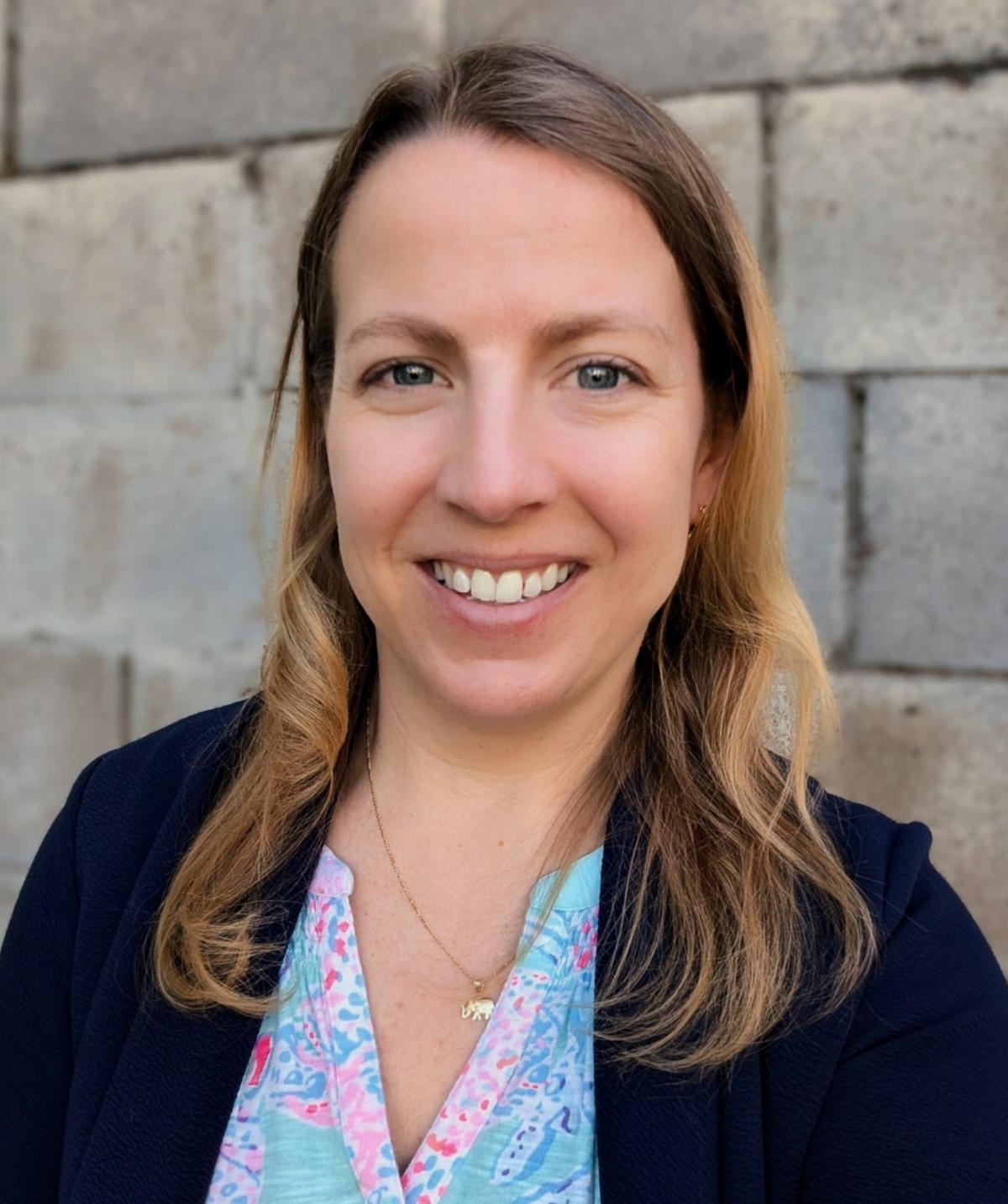
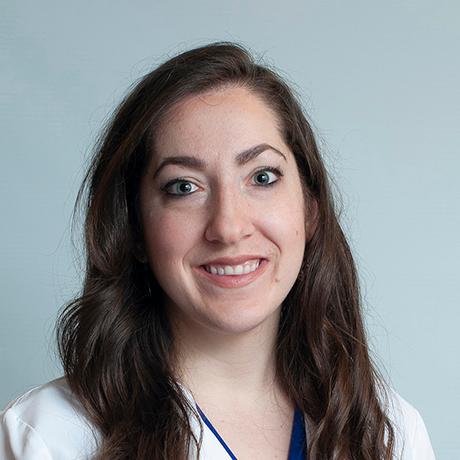
We are thrilled to welcome our new Thomas S. Durant Fellow, Bethany-Rose (BR) Daubman, MD, as she launches an impactful new initiative: “Wicokuje Sica Yuha Akisnya Wiconi:” Palliative Care Education and Mentoring Across Three Great Plains American Indian Reservation Communities. Driven by the profound priority shared by Tribal elders—the desire for community members to "be born on our land and die on our land"—this project builds on BR's six years of dedicated partnership with Great Plains Tribal communities, including the Rosebud Sioux and Pine Ridge reservations.
In partnership with the Sicangu Oyate Tribe Health Administration and the MGH Rural Health Program, BR will focus on delivering culturally responsive palliative care education and mentorship across three key pillars: Indian Health Services, Tribal Health-affiliated programs, and local community health representatives. By equipping local community members and healthcare workers with these vital skills, the project aims to foster trusted, sustainable capacity, ensuring relatives can be cared for in comfort, dignity, and the embrace of their own community.
Please join us in congratulating BR and celebrating this vital, community-led work!
| | Jenna Quinn Promoted to Program Manager | | |
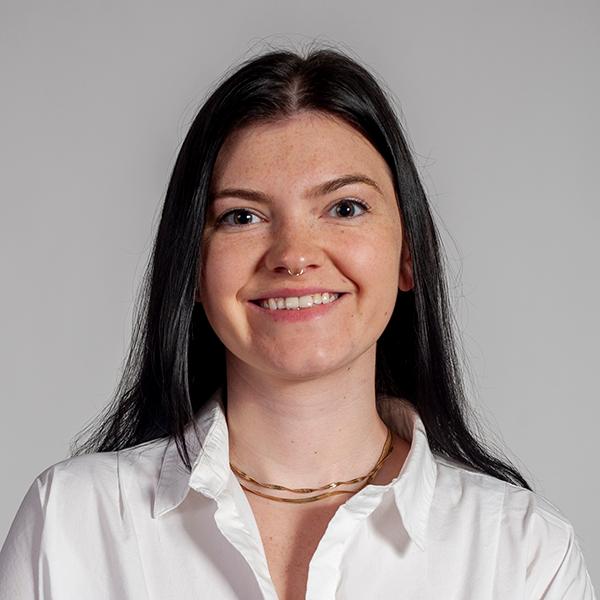
After two years as a Sr. Project Coordinator with the MGH Center for Global Health, Jenna Quinn, MPH was recently promoted to a Program Manager. In this role, she will support the implementation and growth of global health initiatives focused on non-communicable diseases (NCDs), including cardiovascular disease and cancer. Working within CGH, this role collaborates closely with faculty and clinical leaders from the MGB Global Cardiovascular Health Program and MGB Global Cancer Care Program, as well as international partners to advance research, training, and capacity-building programs in low- and middle-income countries (LMICs). We are excited to see Jenna take next steps in her global health career.
| | Farewell to CGH Communications Intern, Beixi Jia | | |
We wish Beixi Jia, MS, MA farewell this summer as she prepares to return to China to further develop her work in mental health and disordered eating prevention, including a reflective workbook that helps individuals better understand their emotional and behavioral patterns and cultivate a more compassionate relationship with themselves. This past year, Beixi has assisted with our social media content creation, as well as our internal and external communications.
Best of luck to Beixi for all the exciting opportunities that lay ahead!
| | |
Global Health Community Meeting
The Center for Global Health holds bi-monthly Global Health Community Meetings on the 2nd and 4th Tuesday of the month at 9:00AM ET. These hybrid meetings are aimed at keeping individuals informed of the work going on within our center's programs as well as providing an opportunity to hear about global health work going on across Mass General.
If you would like to join these meetings, please reach out to cghadmin@mgh.harvard.edu.
| | |
NIH Guidance Update on International Collaborations under the New PF5 Structure
NIH program officers recently shared recent policy and structural changes relevant to international research collaborations, including the new PF5 framework, foreign subproject requirements, funding pathways, and updated expectations around foreign justifications and research security. The resource is intended to help investigators and collaborators better navigate evolving NIH policies for global partnerships and future grant applications. Check out the guidance video here to learn more.
The NIH recently released a policy reminder notice (NOT-OD-26-084: Reminder Definition of Foreign Components) and related Nexus article about foreign components. This notice clarifies that most instances of international co-authorship supported by NIH grants would represent a foreign component.
Currently, there are narrow lanes for exceptions:
- A co-author who provided a single reagent would not constitute a collaboration.
- Co-authorship arising through indirect association, such as when an NIH-funded researcher and a foreign researcher both independently work with the same domestic collaborator but only learn of this fact when a manuscript is prepared describing the work.
If a trainee or collaborator performed the work for a publication in the U.S. but now has a new appointment in another country, NIH maintains (and most publishers agree) that the publication should list where the co-author performed the work, rather than their current institution.
The expectation is that MGB should proactively contact NIH when situations arise to determine the next steps. Please work with your RM Post-Award Grant Administrator to officially notify NIH. Please contact Lindsey Garrison at legarrison@mgh.harvard.edu with any questions.
The Notice and Nexus article also mention that attributing publications to grants that did not actually support the grant's scope of work, does not align with NIH policy and may result in compliance actions. Grant recipients should only acknowledge NIH awards on publications and other statements when the activities that contributed to that publication: directly arise from the award AND are within the scope of the award being acknowledged.
This notice (NOT-OD-26-084) expands the application of the Stevens amendment to publications, which means that recipients are required to state:
- The percentage of total program/project costs financed with federal funds.
- The total dollar amount of federal funds allocated.
- The percentage and dollar amount of total costs financed by non-federal sources (e.g., institutional funds if cost sharing is required in the NOFO), or funding from other industry, foundation, state sponsors.
These slides here provide a helpful overview for complying with the Stevens Amendment.
RM acknowledges that this is complicated if multiple funding sources contribute to a publication, and they will try to publish a reference document to help calculate the NIH/Federal funds used on a publication.
| | |
MGB Global Health Research Collaborative
The Global Health Research Collaborative (GHRC) met in June to discuss the new PF5 funding mechanism, which implements an award structure of prime domestic awards with independent foreign awards that are linked to the prime. A recording of the meeting can be found here. This recording focuses on two experiences of applying for a PF5. Also, a Q&A with a NIAID staff member was prepared in response to questions submitted by MGB researchers. The Q&A can be found at this link. Please reach out to Lindsey Garrison (legarrison@mgh.harvard.edu) if you have trouble accessing the materials or have any further questions.
| | Welcome New Global Non-Communicable Diseases Research Training Program (T32) Fellow | | |
Chelsea Gaviola, MD, MS is currently an MGH-BIDMC Harvard pulmonary and critical care fellow. She received her undergraduate degree in public health from Johns Hopkins University and her medical degree from Dartmouth Medical School. She completed her internal medicine residency training and Master of Science degree at Duke University.
Chelsea Gaviola has ten years of experience in global health research across diverse settings including Peru, Colombia, and Nepal. She was recently an NIH Fogarty Global Health Fellow conducting research to reduce respirable silica exposure among brick workers in Nepal. As a T32 fellow, she will investigate air pollution in Uganda, specifically characterizing barriers and facilitators and designing and pilot testing an intervention to reduce personal exposure. She is passionate about global health, occupational and environmental lung diseases, air pollution, and implementation science.
| | |
Publication Highlight: Life-Course Menstrual Health Barriers and Period-Related Absenteeism in Cameroon: A Nationwide Mixed-Methods Survey
A new manuscript from the MGH Strength & Serenity team, titled "Life-Course Menstrual Health Barriers and Period-Related Absenteeism in Cameroon: A Nationwide Mixed-Methods Survey", was recently published as a preprint with The Lancet and is currently under peer review.
This study examines menstrual health barriers and period-related absenteeism across school and workplace contexts among girls and women aged 16–65 years in Cameroon. Using a nationwide mixed-methods survey, the study highlights persistent challenges related to period poverty, access to menstrual products, WASH infrastructure, stigma, and regional disparities. The findings underscore menstrual health as a critical issue for gender equity, education, employment, dignity, and human rights across the life course.
This work emerged from a collaborative effort involving Dr. Marcella Cardoso, Dr. Annekathryn Goodman, Dr. Jessica Haberer, Dr. Yap Boum II, and partners in Cameroon, including KmerPad Limited, UN Women Cameroon, and other local collaborators.
Learn more about the publication here.
| | |
Biostatistical Support
The Center for Global Health works with a PhD level statistician, Jessica Haberer, MD, MS who can offer biostatistical support as needed. Please contact Dr. Jessica Haberer at jhaberer@mgb.org with details about your biostatistical needs.
| | |
Here is a selection of our Global Health Research Community's recent publications. To share your published work in the next newsletter, please email cghadmin@mgh.harvard.edu.
- Knoble, A., J. Pathak, R. Bhandari, J. Ssempiira, K. Shah, P. Paudel, et al. “The Effect of Deploying Non-Physician Anaesthesia Providers on Surgical Access and Capacity across Nepal’s Primary and Secondary Government Hospitals: A Quasi-Experimental Mixed Methods Study.” BMJ Global Health 11, no. 3 (2026): e020332.
- Rao, S., U. Gupta, A. Ramanujam, A. Knoble, I. Gondi, P. Gowda, et al. “Capacity Building through Workforce Training and Community Engagement for Surgical, Obstetric, Trauma, and Anaesthesia (SOTA) Care: Case Studies from South Asia.” Dialogues in Health 8 (June 1, 2026): 100295.
-
Bondarchuk, Connor P., Tiffany Lemon, Elzette Rousseau, Siyaxolisa Sindelo, Andrew Medina-Marino, Nkosiyapha Sibanda, Lisa M. Butler, Linda-Gail Bekker, Valerie A. Earnshaw, and Ingrid T. Katz. "The patient-provider relationship mediates the relationship between health literacy and resilience in young South Africans newly diagnosed with HIV." Journal of Health Psychology 31, no. 4 (2026): 1530-1546.
-
Olds, Peter K., Stephen Asiimwe, Annet Kembabazi, Andrew Ainomugisha, Jodi Ansel, Joseph Ngonzi, Grace Nambozi et al. "First Mile program: North-South partnership experience with health system strengthening in Mbarara, Uganda." Global Health Action 19, no. 1 (2026): 2607907.
-
Godfrey, Mugyenyi R., Fredrick Atwiine, Esther C. Atukunda, Leo Anthony Celi, Rogers Mwavu, Fred Kaggwa, Jessica E. Haberer, and William Wasswa. "Application of AI to Ultrasonographic Images to Aid the Clinical Care of Pregnant Women With Pre-eclampsia in Uganda: A Protocol for a Pilot Study." Cureus 18, no. 1 (2026).
-
Reid, Michael JA, and Ingrid T. Katz. "Redefining global health in the 21st century: Towards a more equitable global health agenda." Global public health 20, no. 1 (2025): 2464060.
| | Travel, Safety, and Security Updates | | |
URGENT: An Ebola outbreak of the rare strain Bundibugyo virus is affecting eastern Democratic Rep. of Congo and Uganda.
Effective May 21, 2026, (Part A) a Travel PROHIBITION for Uganda, Dem. Rep. of the Congo, and South Sudan is in place. Link to policy page
Summary: Because of safety/security concerns and various uninsured risks and potential significant effect our health system, MGB hereby informs its employees and others to cease, effective 05/21/2026, from being within, and/or traveling to the following countries and jurisdictions for purposes of MGB business and/or employment: Uganda, Democratic Republic of the Congo, South Sudan. This travel prohibition remains in effect. It was renewed for 30 days on June 21 and will be reviewed on or about July 22.
(Part B) Travel GUIDANCE for Rwanda, Kenya, Tanzania; Other regional countries as outbreak conditions warrant. Link to policy page
| | |
Travel Alert: Middle East > Part A: Travel Prohibition for Israel, Gaza, West Bank, and Lebanon
March 20, 2026 - IMPORTANT TRAVEL ALERT
Current as of March 2026: MGB continues to ban travel to Iraq, Iran, Syria, and Yemen.
Because of safety/security concerns and due to war-related exclusions within certain insurance policies covering MGB, MGB hereby informs all individuals, including employees, to cease, effective 11/1/2023, from being within, and/or traveling to, the following countries and jurisdictions for purposes of MGB business and/or employment: Israel, Gaza, the West Bank, and Lebanon.
A similar travel prohibition for Ukraine, Russia, Moldova, and Belarus also remains in effect.
| |
Travel Alert: Middle East > Part B: Travel Guidance for Saudi Arabia, United Arab Emirates, Qatar, Bahrain, Oman and Kuwait
March 18, 2026 - IMPORTANT TRAVEL ALERT UPDATE
Summary: Middle East Travel: URGENT: ALL BUSINESS TRAVEL PROHIBITED UNTIL FURTHER NOTICE FOR THE FOLLOWING COUNTRIES: KUWAIT, SAUDI ARABIA, UNITED ARAB EMIRATES, QATAR, BAHRAIN, OMAN, JORDAN.
STANDING POLICY TRAVEL PROHIBITIONS ALREADY EXIST FOR YEMEN, IRAQ, IRAN, ISRAEL, LEBANON, PALESTINIAN TERRITORIES, SYRIA.
Summary: Military action and repeated air and missile strikes have struck Iran and reciprocal strikes are hitting all of the Arabian Peninsula countries.
Employees are being directed not to travel or transit the area including major hubs of Doha, Dubai, Abu Dhabi, etc. until further notice.
Please confer with MGB Risk and Insurance Services (Ryan Wildes) for updates (travelsafe@mgb.org; rwildes@mgb.org; 857-282-0951)
Please see the MGB TravelSafe Vitals page for further updates here.
| | |
U.S. mandates more foreign travelers to pay up to $15,000 visa bond deposits
Foreign travelers from seven additional countries are now required to pay between $5,000 and $15,000 for a reimbursable bond when applying for a U.S. visitor visa.
As of Jan. 1, Bhutan, Botswana, the Central African Republic, Guinea, Guinea-Bissau, Namibia and Turkmenistan are required to pay the assurances as part of a State Department pilot program launched in August. Thirteen countries are now affected by the program, most of them in Africa.
The bond deposits — which the department has said are aimed at deterring visitors from staying in the United States longer than they are allowed for business or tourism — range between $5,000 and $15,000, and do not guarantee that a visa will be issued. The payment will be refunded if visitors depart the U.S. within the time specified on their visas, according to the policy.
Applicants whose visas are approved can only enter the U.S. from three designated airports: Boston Logan International Airport, New York’s John F. Kennedy International Airport and Washington Dulles International Airport, the State Department notice said. The program is not applicable to those on student visas. Learn more at this link.
| |
-
The MGH Global Health Expo is hosted annually by the Center for Global Health. The Expo provides an opportunity to engage with the MGH and BWH communities and to learn about global and local health equity initiatives across MGB. For last year's expo summary, view this document. If you would like to host a table at the next Expo in September 2026, please email cghadmin@mgh.harvard.edu.
-
The MGBGlobalEd Collaborative is a diverse network of educators across departments, centers, and institutes at MGB who are involved in global education, healthcare delivery, clinical mentorship, and innovation. The aims of the collaborative are to build a sense of community among global health educators and clinical innovators, to create a space where experts can learn from one another and share best practices, as well as to advance interdisciplinary education efforts in the pursuit of global health equity. Membership is based on self-identification and is currently open to MGH and BWH Faculty only. Learn more at this link.
-
The Center for Global Health has developed a clinical academic partnership with the University of Global Health Equity (UGHE), a global university based in rural northern Rwanda, founded by Partners in Health. Amongst other programs, the university is training medical students as part of a MBBS program and is looking for visiting faculty on their clinical clerkships. Learn more at this link. If you are interest in teaching as Visiting Faculty, please email cghadmin@mgh.harvard.edu.
-
Interested in joining the Global Health Faculty Associate and Affiliate Network? If you are an MGH-MGPO faculty or fellow in good standing and engaged in substantive global health activities as part of your career, we hope you will consider joining the network by becoming an Associate in Global Health. If you are external to MGH and are an active collaborator with CGH, we hope you will consider joining the Affiliate network. Learn more and apply at this link.
-
We are building a Global Health Library in our office. Feel free to stop by, check out a book and please add books to the list here. Some suggested topics to get you thinking include: diversity, equity and inclusion, global health, leadership and decolonizing global health. We are excited to see your picks!
-
For additional Mass General global health opportunities and ways to get involved, please visit our CGH webpage at this link.
| |
Please stay in touch!
All past issues of the monthly Global Health Community newsletter are available on the Center for Global Health website at this link.
If you would like to include a news item, opportunity or other update in a future monthly newsletter, please email us at cghadmin@mgh.harvard.edu. Learn more about the submision process here.
| | | | |