|
These spectacular telescope images were taken at the Steele-Burnand Anza Borrego Desert Research Center in Borrego Springs by Herbert W. Hamber, professor of Physics and Astronomy at UC Irvine.
The above photo shows the Horsehead Nebula IC 434 in the constellation Orion, just south of the easternmost star in Orion's belt.
Below is the Orion Nebula M42, also in the constellation Orion, south of Orion's belt. It can be seen with binoculars and even the naked eye as the middle "star" in Orion's sword.
What is a nebula? It is a vast cloud of gas (usually hydrogen and helium) and dust. A nebula can be where new stars are forming or where old stars are dying.
| | | | Oh Baby - It is Hot Outside! | | It is indeed hot in Anza-Borrego. How do animals cope with the extreme desert heat? See how these amazing desert creatures survive, and even thrive, in this challenging environment. | |
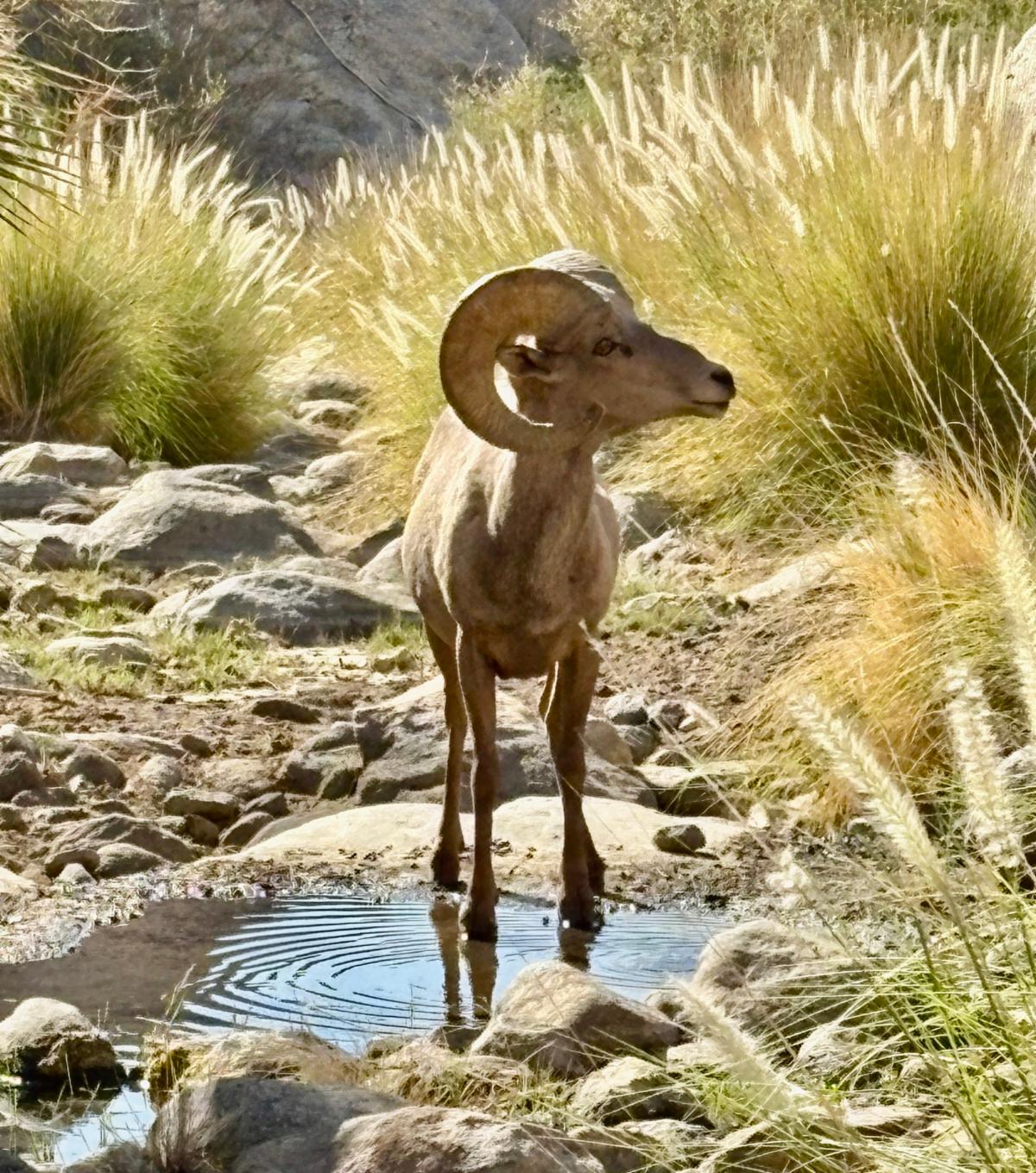
Desert or Peninsular Bighorn Sheep
(Ovis canadensis nelsoni)
These majestic animals shed much of their woolly coat during the summer.
Bighorns will also...
- Be more active at dawn and dusk.
- Eat less food to lessen internal heat production.
- Concentrate their urine to reduce water loss from urination.
- Pant rapidly for its evaporative cooling effect.
- Seek water holes for cooling and drinking.
They are definitely desert champions!
Bighorn photo by Mitchell Sterling
| |
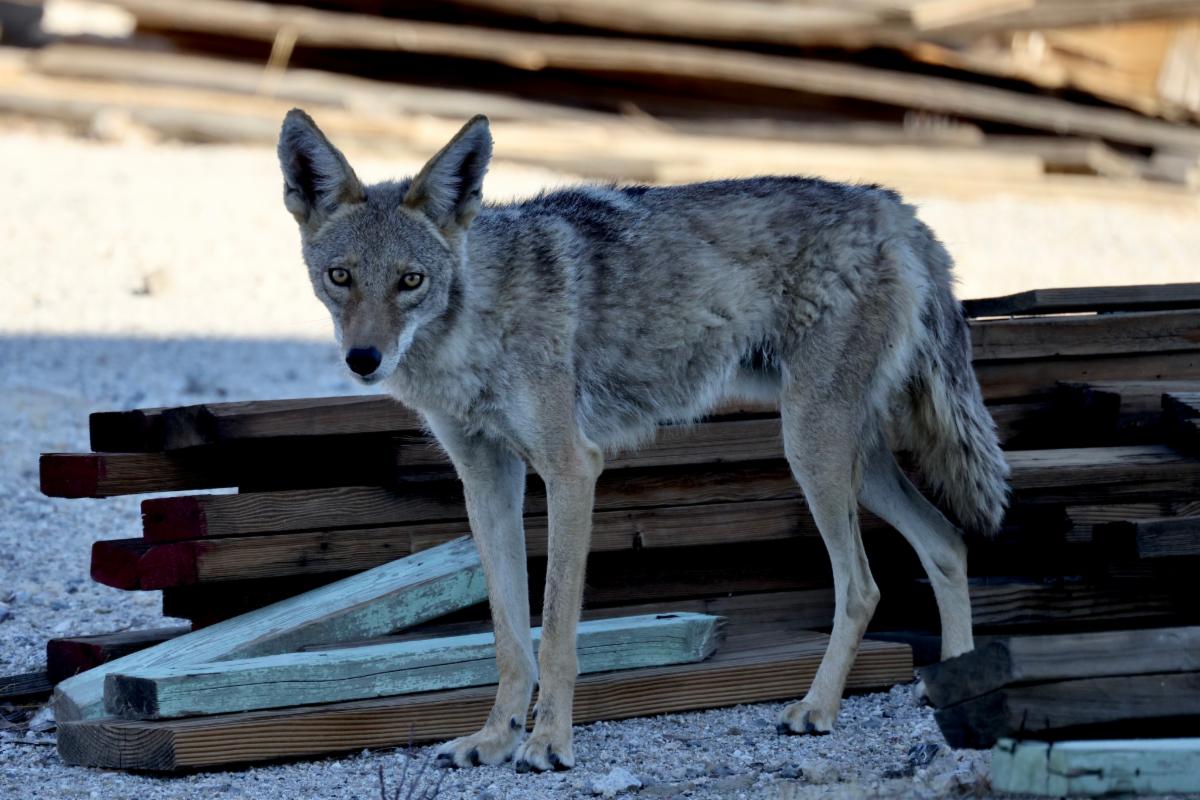
Coyote
(Canis latrans)
You would think that thick fur would make coyotes even hotter in the desert heat, but surprisingly, their fur actually keeps them cooler by providing insulation against the heat!
Coyotes will also...
- Be more active at dawn and dusk.
- Seek shade under trees and bushes.
- Seek water sources for cooling and drinking.
- Pant like a dog, which allows for evaporative cooling.
Coyote photo by Julian Watson
| |
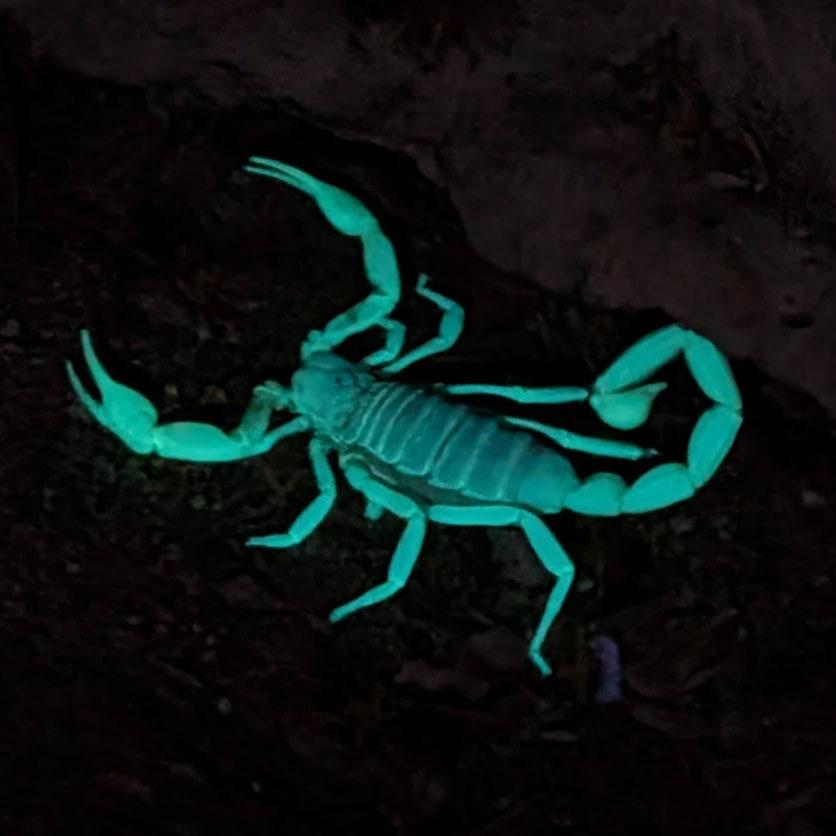
Giant Desert Hairy Scorpion
(Hadrurus arizonensis)
The giant desert hairy scorpion is the largest scorpion in North America. To catch a glimpse, you must venture out at night since they are strictly nocturnal.
Scorpions will also...
- Hide in burrows or under rocks during the day.
- Slow their metabolism in times of inadequate food or water.
- Obtain most of their water needs from consumption of prey; and possessing the ability to withstand extremely high temperatures.
Did you know...? Shining a UV flashlight on them delivers an amazing fluorescent glow (as shown in the photo). The exact purpose for this fluorescence is a mystery.
Scorpion photo by John Kurdziel
| |
|
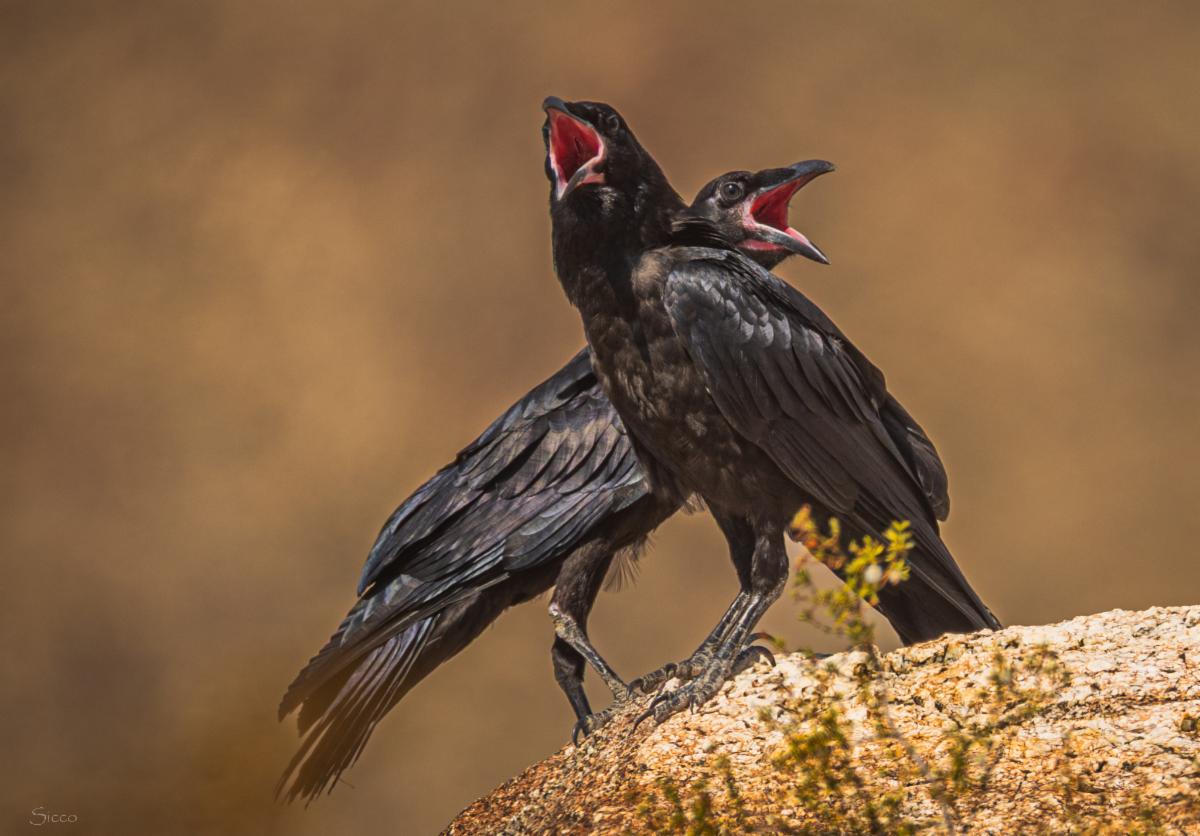
Common Raven
(Corvus corax)
Have you noticed ravens walking around with their beaks wide open as though belting out a full-throated song, but there is no sound? They are cooling themselves using a mechanism called gular fluttering. With beaks open, they rapidly vibrate their throat muscles which brings air over the moist tissues in their mouths and throats resulting in a cooling effect through evaporation. Since they are unable to sweat, they need to use this cumbersome method for cooling. Think of that next time you complain about sweating in the heat!
Raven photo by Sicco Rood
| |
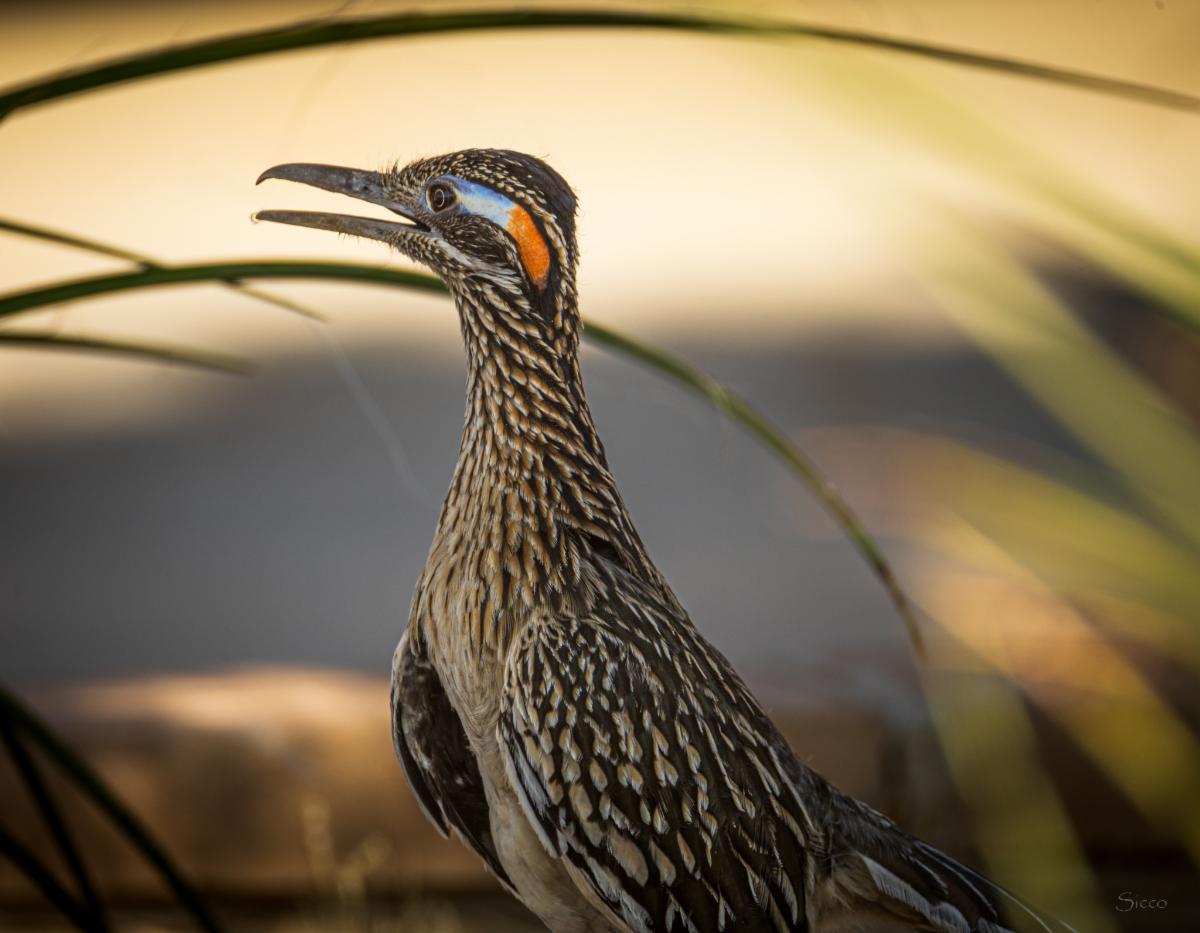
Greater Roadrunner
(Geococcyx californianus)
This iconic bird of the desert uses gular fluttering for cooling, much like the ravens.
Roadrunners will also...
- Concentrate their urine to reduce water loss from urination.
- Reabsorb water from their digestive tract in order to avoid dehydration.
- Be more active at dawn and dusk.
- Seek shade under bushes.
Roadrunner photo by Sicco Rood
| |
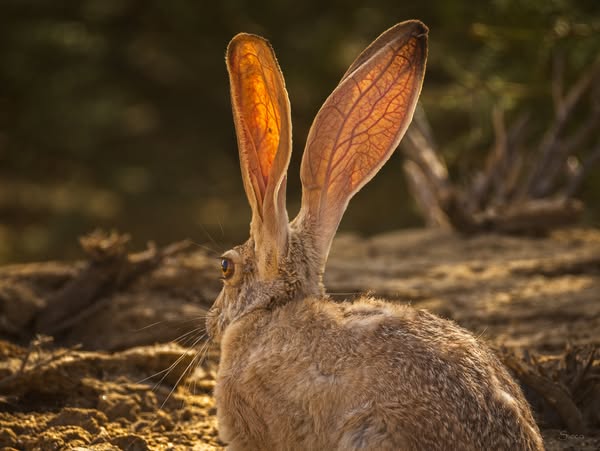
Black-tailed Jackrabbit
(Lepus californicus)
Those large ears are jackrabbits' primary adaptation for survival in the desert. Blood vessels lie close to the surface which allows heat to escape out of their body.
Other cooling adaptions include:
- Fur-covered feet that protect their foot pads from the hot sand.
- Obtaining most of their water needs from the plants they eat.
- Locating and drinking dew from plant leaves if needed.
Did you know...? Jackrabbits are actually hares, not rabbits.
Jackrabbit photo by Sicco Rood
| |
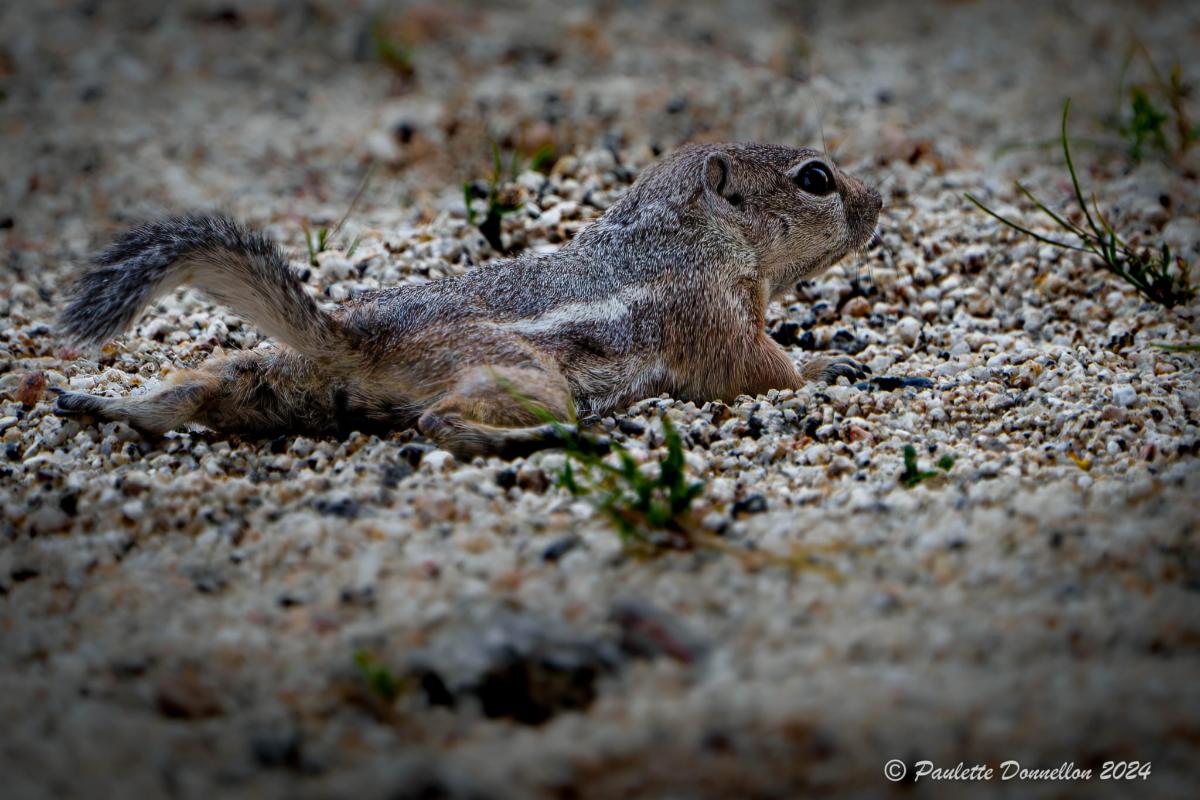
White-tailed Antelope Ground Squirrel
(Ammospermophilus leucurus)
These cute little desert rodents use heat dumping to cool off. They plop down in a cool, shaded spot, and then spread their four legs out from their body. This maximizes contact with the ground and allows the body heat flow into the ground, resulting in a cooler squirrel.
Squirrel photo by Paulette Donnellon
| | |
Anza-Borrego is now experiencing extremely high temperatures. Here are some important tips to help you cope with the heat:
-
Stay hydrated. Drink plenty of water! Carry a water bottle and sip often, even if you're not thirsty. Avoid caffeine, alcohol and sugary drinks.
-
Limit your time outside in the heat, especially midday. Stay inside with air-conditioning. Take a cool shower or bath to lower your body temperature if needed.
-
Protect yourself from the sun. Seek shade. Put on sunscreen. Wear a hat and sunglasses. A wet bandana or towel around your neck can provide cooling relief. Wear light-colored, lightweight and loose-fitting clothing. Surprisingly, pants and long sleeves can keep you cooler than shorts and short sleeves!
-
Tell someone where you are going. Keep your cell phone with you.
- Never leave a child, elderly person or pet unattended in a vehicle.
-
Make sure your pets have plenty of water and shade. Avoid walking them on hot pavement.
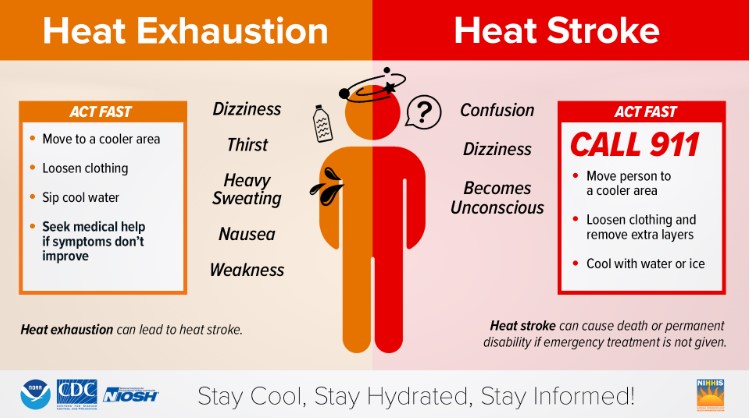
It's also important to watch for symptoms of heat exhaustion and heat stroke. Act quickly if these symptoms appear.
| | |
Start your desert adventure at ABDNHA's
Borrego Desert Nature Center!
Guidebooks, Maps, Southwest Fiction, Shirts, Hats, Gifts, Jewelry, Local Art, Native Crafts,
Children's Section, Laminated Sculpture Guides, and ideas for day trips and sightseeing
| | |
Learn more about
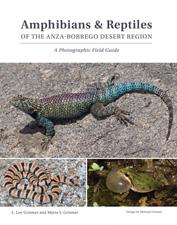
Anza-Borrego's reptiles & amphibians
in ABDNHA's newest publication!
Click item to shop. Also available at the ABDNHA Nature Center.
| | |
Catch Up on Your Summer Reading!
Click item to shop. Also available at the ABDNHA Nature Center.
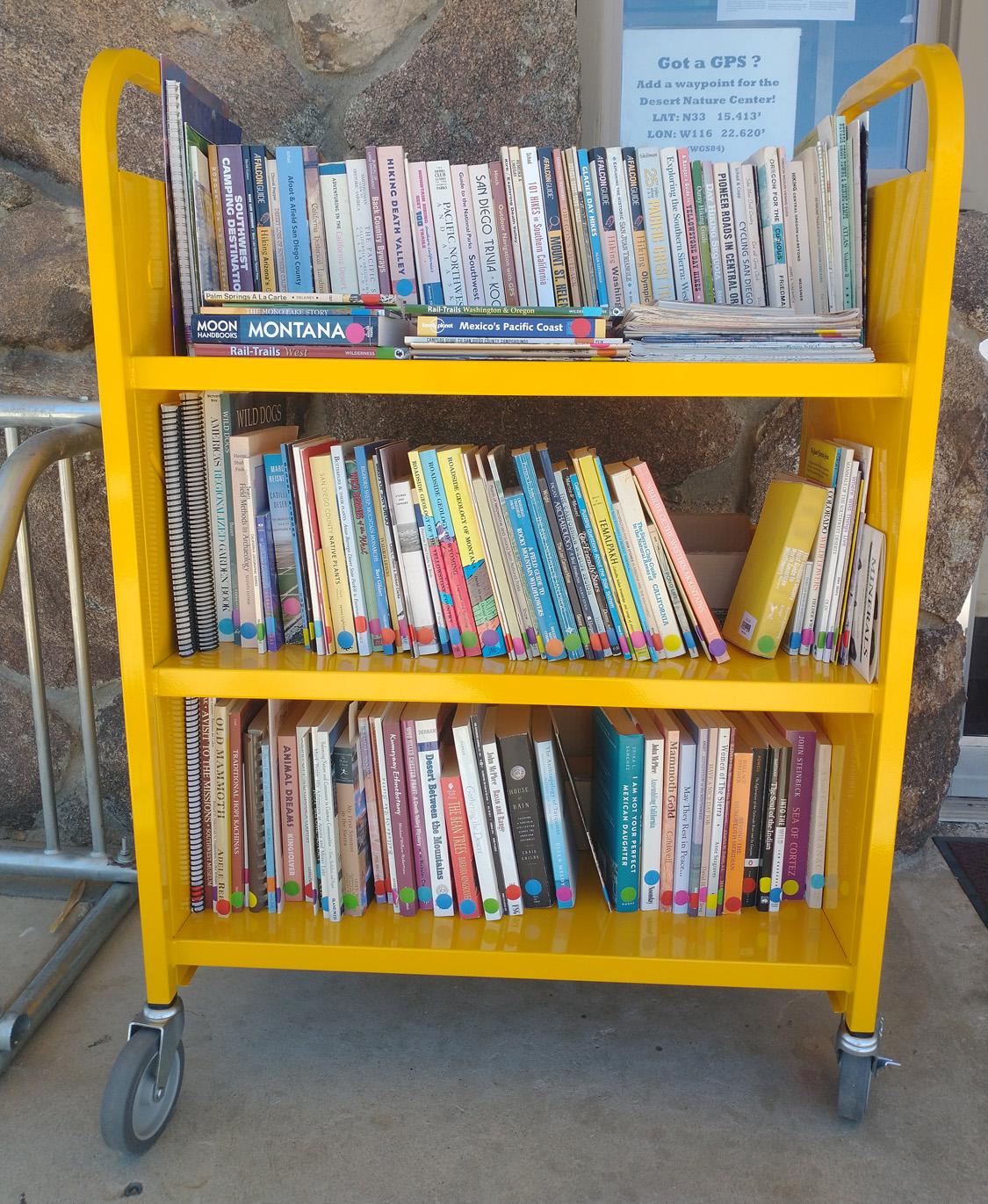
| | Our Desert Classics Shelf | We have many out-of-print and older editions of classic books on the desert, plants, animals, geology, history, literature and more! | |  | Look for our sale book cart outside, with lots of books, on travel, geology, plants, animals, astronomy & literature, all for $10 or less! | | | ABDNHA Members receive 15% off purchases every day! | | |
Borrego Desert Nature Center
652 Palm Canyon Drive, Borrego Springs, CA
760-767-3098
Just west of Carlee's
New Hours: Open Fri-Mon 10-4
Your purchases support ABDNHA's programs & services throughout the year.
Thank you for your support!
| | Shop at home and pick up in the Nature Center to save on shipping! | | Accepting Donations for Fall Attic Sale | | |
Are you downsizing or cleaning out clutter?
Bring your old treasured items to ABDNHA!
We are ready to start accepting your donations of gently-used items for our annual fall Attic & Book Sale on Saturday, November 8!
Bring items to the ABDNHA Activity Room at 652 Palm Canyon Drive.
Dropoff Hours: Fri-Mon 11-3
| | |
Vintage & Collectibles
Kitchenware & Glassware
Small Furniture
Home & Garden Decor
| | |
Everyday Household Items
Holiday Decorations
Books & Puzzles
Working Tools
| | (No clothes, headboards, electronics or medical equipment, please!) | | |
Join ABDNHA
and Make the Desert a Part of Your Life!
| | Join ABDNHA and support an award-winning non-profit 501(c)3 nature education organization dedicated to interpreting and preserving the Anza-Borrego Desert. | |
As a member, you can enjoy all of the great benefits below:
- Stay informed about the desert and activities
-
The Sand Paper Newsletter - 5 per year
- 15% discount at Nature Center and ABDNHA's Attic Shop!
- Special member appreciation events and volunteer opportunities
- Calendar of activities & reduced price on lectures, hikes, & field trips
- Friendship & camaraderie with other desert lovers, and have a great time
- Support of nature education & desert conservation
Join or give a gift membership anytime throughout the year!
Membership is for 12 months from the month you join.
Join ABDNHA and make the desert a part of your life!
| | Donate Your vehicle to ABDNHA! | | |
Do you have a car, truck, motorcycle, boat, trailer or RV sitting around that is no longer being used?
Donate your vehicle to ABDNHA!
Vehicle donations are tax-deductible, and we make it easy with free pick-up and by providing you with the necessary tax receipts.
| | | |
Anza-Borrego Desert Natural History Association (ABDNHA, pronounced
"AB-NA") is an award-winning, community based, educational non-profit 501c3 organization, founded in 1971.
| | | |
ABDNHA's Mission:
Enhance the understanding, appreciation, enjoyment, and conservation of the
Anza-Borrego Desert and
surrounding area.
| | |
We invite you to join ABDNHA
and make the desert a part of your life!
| | ABDNHA offers information to visitors and programs to enrich the lives of those who live in and visit the community of Borrego Springs. We sponsor approximately 150 hikes, rides, lectures, tours, special events, and educational programs each year, and we lead conservation and citizen-science programs, including the Borrego Dark Sky Coalition and the Borrego Valley Hawk Watch. | | | | |