Cancer News Digest, July 2024

Visit our website

CFC #11967

We're Speaking out for You

We testified at an FDA advisory committee meeting about a cancer drug


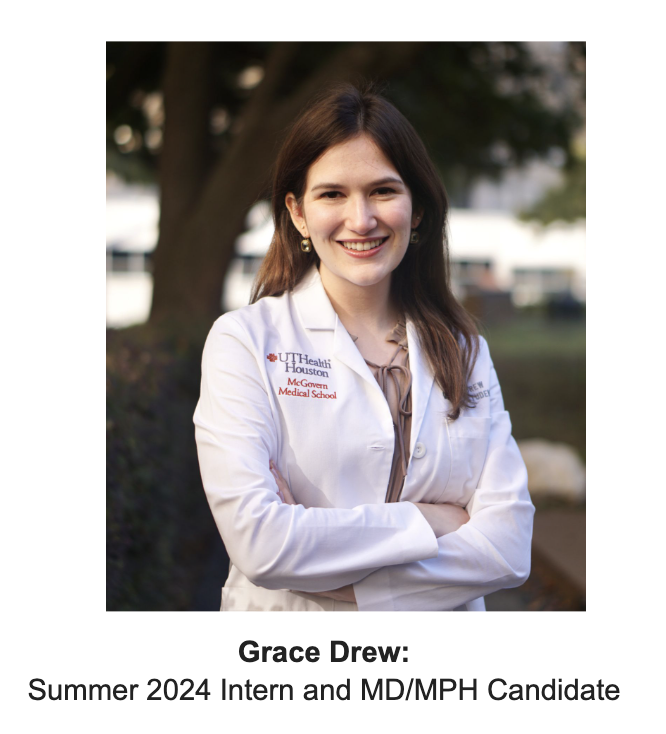
Grace Drew, an MD/MPH candidate at McGovern Medical School at the University of Texas Health Science Center at Houston, is one of our 2024 summer interns. Last week, she testified on behalf of NCHR at the FDA Advisory Committee meeting on the drug Imfinzi. Imfinzi is already approved for Non-Small Cell Lung Cancer that can't be surgically removed, and the company now wants approval to treat similar cancers that can be surgically removed. She explained that we agree with FDA scientists that the clinical trial for Imfinzi did not show a significant improvement in survival compared to placebo, and though it had some benefits, it was unclear whether the drug should be taken before surgery, after surgery, or both. The Advisory Committee agreed that better research is needed in the future but was reluctant to delay the approval of Imfinzi in the meantime. Read her testimony here.

Our FDA testimony at FDA on Smokeless Tobacco


We recently testified before the FDA's Tobacco Products Scientific Advisory Committee (TPSAC) meeting to comment on the safety of General Snus, a smokeless tobacco product that is a type of snuff. The FDA is responsible for evaluating safety and health issues relating to tobacco products to determine if some products are safer than others. The FDA previously determined that General Snus was safer than smoking cigarettes, but NCHR president, Dr. Diana Zuckerman questioned that decision.


We urged the FDA to require long-term safety data rather than assume that General Snus use resulted in less cancer risk than cigarettes. Currently, General Snus products are on the market with a risk modification label that is supposed to mean there is scientific evidence demonstrating that General Snus products are less harmful than smoking. But General Snus is proven to increase the risk of cardiovascular disease and death. We urged the FDA to refuse to renew that "lower-risk" label.  


We pointed out that the product can't claim to be safer than cigarettes because they did not study the product long enough to prove that.


People who use smokeless tobacco are exposed to more than 25 chemicals are known to cause cancer, and oral cancer is more likely with smokeless tobacco, but usually in people in their 50's. Most cigarette smokers start in their teens and develop cardiovascular disease years later and cancer 40-60 years later. Snus has not been studied for long enough to make claims about not causing cancer, and even their decade-long studies were done in Sweden among white men, so are not relevant to women or people of color. Meanwhile, the Snus studies showed a significant increase in serious cardiovascular disease and deaths. We pointed out that FDA should not allow safety claims until better research is conducted about these and other risks.


Vaping has resulted in increased nicotine addiction among children and adolescents. That makes safety claims regarding smokeless tobacco products such as Snus especially worrisome. Read NCHR's comment here.

We're in the News

Open letter to the FDA: You're protecting the wrong people


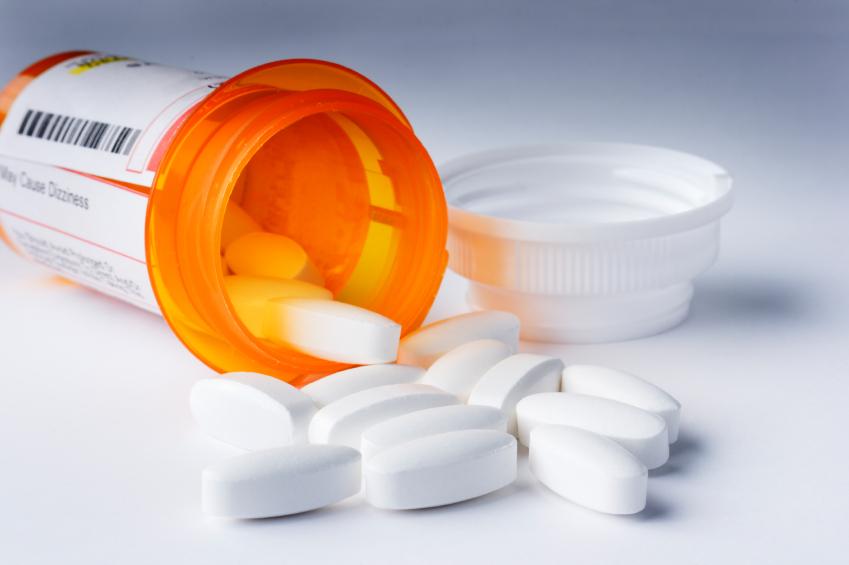
NCHR President Dr. Diana Zuckerman was recently quoted in an article published by the nonprofit MedShadow Foundation. The article focuses on the FDA's finding that hundreds of different medications on the market were approved based on fraudulent or unreliable data. The FDA has revealed the lab's name which created the falsified data as Synapse Labs in Pune, India and notified the companies making the drugs that new testing will be required. However, the agency did not warn patients by providing a list of the specific drugs involved, saying that information is "confidential."


Dr. Zuckerman told MedShadow that “This is an outrageous situation where companies are notified but patients aren’t.” There is currently no way to find out which brand-name drugs were not accurately tested. However, to check about generic drugs, you can ask your doctor or pharmacist if the drug has a "BX" indication from the FDA, which means the FDA no longer considers the generic equivalent to the brand name drug. Or you can look up your medications yourself here. For more information, read the article here.

News You Can Use

Law in New Hampshire will require homeowners to be notified of PFAS


Last month, a new law was passed in New Hampshire that requires homeowners to be notified of the presence of PFAS found in water sources throughout the state. PFAS, or “forever chemicals” are linked to cancer and other serious diseases and this law will increase awareness of PFAS risks among residents. We commend New Hampshire for this decision, and hope that more states will follow suit as a result. Read more here.

Supreme Court blocks EPA air quality initiative


The Supreme Court temporarily blocked the EPA's "Good Neighbor" air quality initiative. The plan would have removed thousands of tons of pollutants from the air by 2026 through stronger regulations on power plants and factories that produce pollution that blows into nearby states. This would have prevented millions of people from developing cancer and other serious diseases. However, it was legally challenged by industry in various midwest states due to the increased cost, and the Supreme Court agreed to block the rule while legal challenges continue.This is likely to encourage corporations to challenge similar efforts to improve our health and safety. Read more here.

Info You Can Use

Our summer interns visit the Capitol


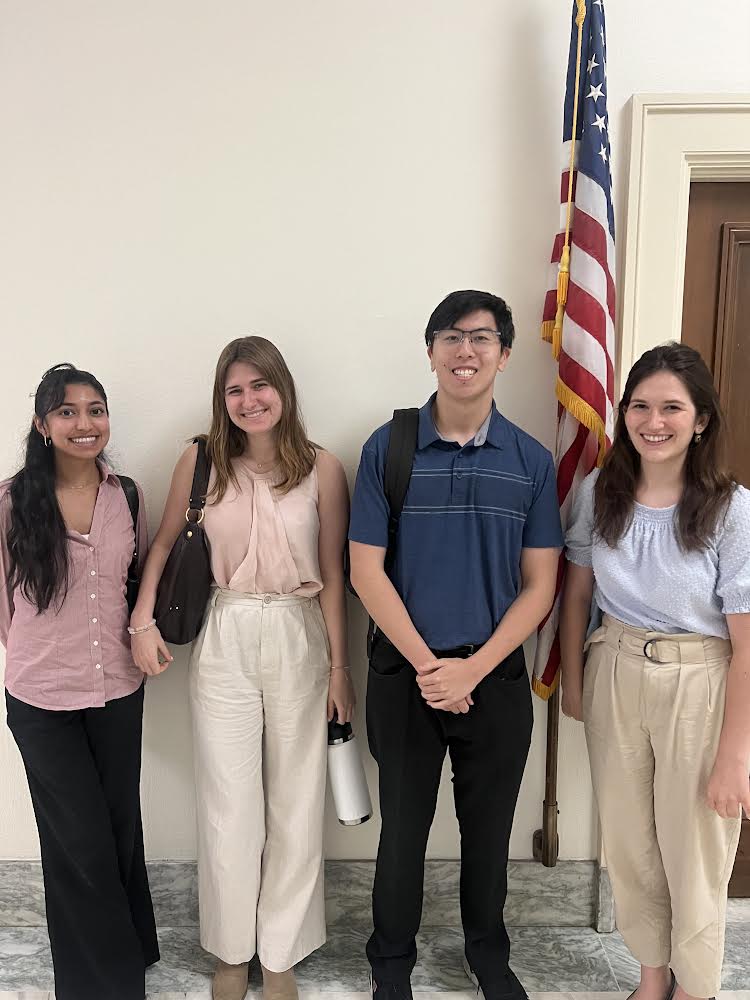
Our 2024 summer interns spent July 23 on Capitol Hill. They attended a hearing about the Consumer Product Safety Commission budget in the House of Representatives, a briefing on vaping organized by the Campaign for Tobacco Free Kids at the U.S. Capitol, and had a tour of the Capitol. It's great that so many hearings and briefings are in person again!


The briefing on vaping touched upon many important topics related to the youth vaping epidemic and featured a panel of experts in the field. They discussed the issue of illegal flavored vapes still being readily available due to the FDA's failure to enforce regulations on disposable vaping products. How many people will develop cancer as a result of vaping? For more information about our interns, click here.

Is vaping really safer than smoking?


Many children and adults assume that vaping is safer than smoking, but is it? The nicotine in these products results in addiction, and the chemicals can lead to lung and oral cancers, heart disease, and stroke. It is important to find out what is known and not known about the risks, because these products can cause serious diseases and even death. Read more here.


Follow Our Instagram!

Check us out!

Did you know that artificial turf and rubber playground surfaces contain carcinogens? Are your children or grandchildren getting exposed when they play? Follow us @safe.to.play
Instagram  
@safe.to.play
 

Connect With Us!
 

Cancer Prevention and Treatment Fund

Facebook: @CancerPreventionAndTreatmentFund


LinkedIn: www.linkedin.com/showcase/cancer-prevention-&-treatment-fund/

Facebook
729101_linkedin_icon image
Donate

Your Contribution Can Make a Difference


We do not accept any funding from drug companies, device companies, chemical companies, or other sources that could influence our work and compromise our integrity. That's why so many people turn to us when they need help. Donations of any size are greatly appreciated (and tax deductible.)


Please consider giving to the Cancer Prevention and Treatment Fund online or by mail to the address below.

To sign up for these monthly updates, click here.
Cancer Prevention and Treatment Fund | 1001 Connecticut Ave NW, Suite 1100  
Washington, DC 20036 | www.stopcancerfund.org
CFC# 11967