From the Editor
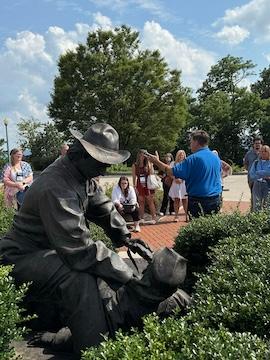
Sergeant Richard Kirkland of the 2nd South Carolina Infantry leans with a canteen over a wounded Federal soldier cradled in his arms. A bronze tablet recounts Kirkland’s story, delivering water to wounded enemies in the wake of the December 1862 battle of Fredericksburg. “Soldiers in blue and soldiers in gray repeated this incident many times throughout the Civil War,” the plaque says. “This Moment of Mercy sculpture pays homage to them and the uniquely American spirit of aiding those in need.”
Me and my group are not in Fredericksburg, though, where similar monument, titled The Angel of Marye’s Heights, stands in front of the infamous stone wall in the very area where Kirkland ministered to the wounded. Rather, we’re standing in front of the National Civil War Museum in Harrisburg, and this statue in front of the museum is our last stop before we hop on the bus for tour return trip to Gettysburg.
Stories such as Kirkland’s capture our attention and imagination for many reasons. We like to be reminded of common decency, kindness, and our shared humanity. We admire people willing to put themselves in harm’s way to help others. We struggle to make sense of the chaos and carnage of war.
While such scenes can inspire us, we have to be careful not to over-romanticize them. For as touching as this moment of mercy was, let’s not forget that, after Kirkland’s pause in the action, the men in these armies went right back to trying to kill each other—and they kept on trying to kill each other for another two-plus years. This monument captures only a sliver of the full timespan.
“Every monument has a story it wants you to remember,” I explain. “But remember: those stories aren’t histories. They are ways of remembering. The monument wants you to remember something a certain way.”
I call to mind the Virginia Memorial my groups has seen along West Confederate Avenue in Gettysburg. Atop it, Robert E. Lee stands majestic, heroic, gazing across the fields toward the Federal position along Cemetery Ridge. It is as idealized an image of Lee as has ever been created. But Lee also had a nasty temper: where is the monument of “angry Lee”? He had digestive problems at Gettysburg: where is the monument showing him doing the green-apple two-step? Lee owned slaves: where is the monument that shows Lee the slaveowner?
Just the mention of such portrayals ticks off many Lee admirers, but that also illustrates my point: people want to remember Lee in certain ways and sometimes only in certain ways. Monuments cast those specific memories into bronze or stone, further reinforcing them.
“Use monuments as critical thinking opportunities,” I tell the teachers. “Each has a story to tell, but each has a story it doesn’t tell, too. And each one has its own backstory. Asking questions about those things can help us better appreciate a fuller story and a more complicated history.”
— Chris Mackowski, Ph.D.
Editor-in-Chief, Emerging Civil War
| | |
Symposium Week is Here!
We're excited to be getting together this coming weekend for our 11th Annual Emerging Civil War Symposium at Stevenson Ridge. We'll have a recap of the weekend posted on the blog once things wrap up and we catch our breath.
We'll also be announcing this weekend the recipient of our Emerging Civil War Award for Service in Civil War Public History as well as the our annual Emerging Civil War Book Award. We'll have those announcements on the blog next week, as well.
And we'll have details about next year's 12th Annual Emerging Civil War Symposium at Stevenson Ridge, August 7-9, 2026. Mark your calendars!
| |
Eight Questions
with Neil Chatelain
This month we asked ECW author and Editorial Board Chairman Neil Chatelain to answer eight questions so you can get to know him a little better beyond his many articles featured on the ECW blog. You can read his full bio here.
How did you get interested in the Civil War?
Being from New Orleans, I was surrounded by museums, monuments, and the memory of the Civil War everywhere. I can’t remember a time, even in elementary school, when I was not trying to read about it. I literally did projects on battles and uniforms in middle school and was fortunate to travel to many of the biggest national battlefields with my dad as a teenager. By college, I was focusing on naval activity.
What's your favorite topic to study and why?
Being a Navy vet, I love exploring the complexities of the naval aspects of the Civil War. Did a bunch on the Mississippi River valley at first (and still am), but am also now looking at naval activity or personnel that have been largely overlooked, even amongst us navalists. I like studying the naval side of things, in part because of my own time in the US Navy, but also because it demonstrates the true scale of the war.
Are you working on any projects at the moment?
Many projects abound. This summer I submitted two book manuscripts. One will be the first book-length treatment of the October 1861 battle of the Head of Passes, with Savas Beatie. Right now, it is tentatively scheduled for release in 2026. I also just completed a manuscript for the ECW Book series that will provide an overview of the major naval theaters of the Civil War: the oceans, littoral coastline, blockade, and rivers. My next big project that I have begun researching more of this summer is a deeper dive on the use of Black men in and supporting the Confederate Navy, where I hope to set aside numerous myths and contextualize realities regarding these men. For that project, I have about 367 pages of outline so far--and counting. I have a whole desktop of folders on other book-length projects that I hope to tackle in time.
Lightning Round
Favorite primary source?
The letters of Roswell H. Lamson, edited into the book Lamson of the Gettysburg by James and Patricia McPherson, have a special place in my heart because of its portrayal of the monotony and chaos of naval life, which relates to my own time in the US Navy very well.
Favorite Civil War-related monument?
When I was in Key West last year, I really enjoyed their Civil War veterans monument. A simple obelisk in a prominent location in town says it all without the flamboyance of some other monuments elsewhere.
Favorite unsung hero of the Civil War era?
The latest unsung hero I have been looking more into has been Rear Admiral James Lardner. Lardner commanded a ship at the Battle of Port Royal Sound, commanded the East Gulf Blockading Squadron, then spent a year and a half commanding the West India Squadron, where he cleaned up international messes caused by Admiral Charles Wilkes while protecting US commerce across the Caribbean. He's an example of a career officer just doing the work to make sure the United States was victorious.
What’s a bucket-list Civil War site you’ve not yet visited?
I would have to say Liverpool, England, where Confederate commerce raiders were built. Halifax, Nova Scotia, would be another, where Confederate clandestine and naval activity abounded and where many Confederate naval officers went into exile after the conflict.
Favorite book by an ECW author?
Dwight Hughes’s Unlike Anything that Ever Floated is fantastic in how it uses ship diagrams and imagery to display the complexities of naval service.
| | | |
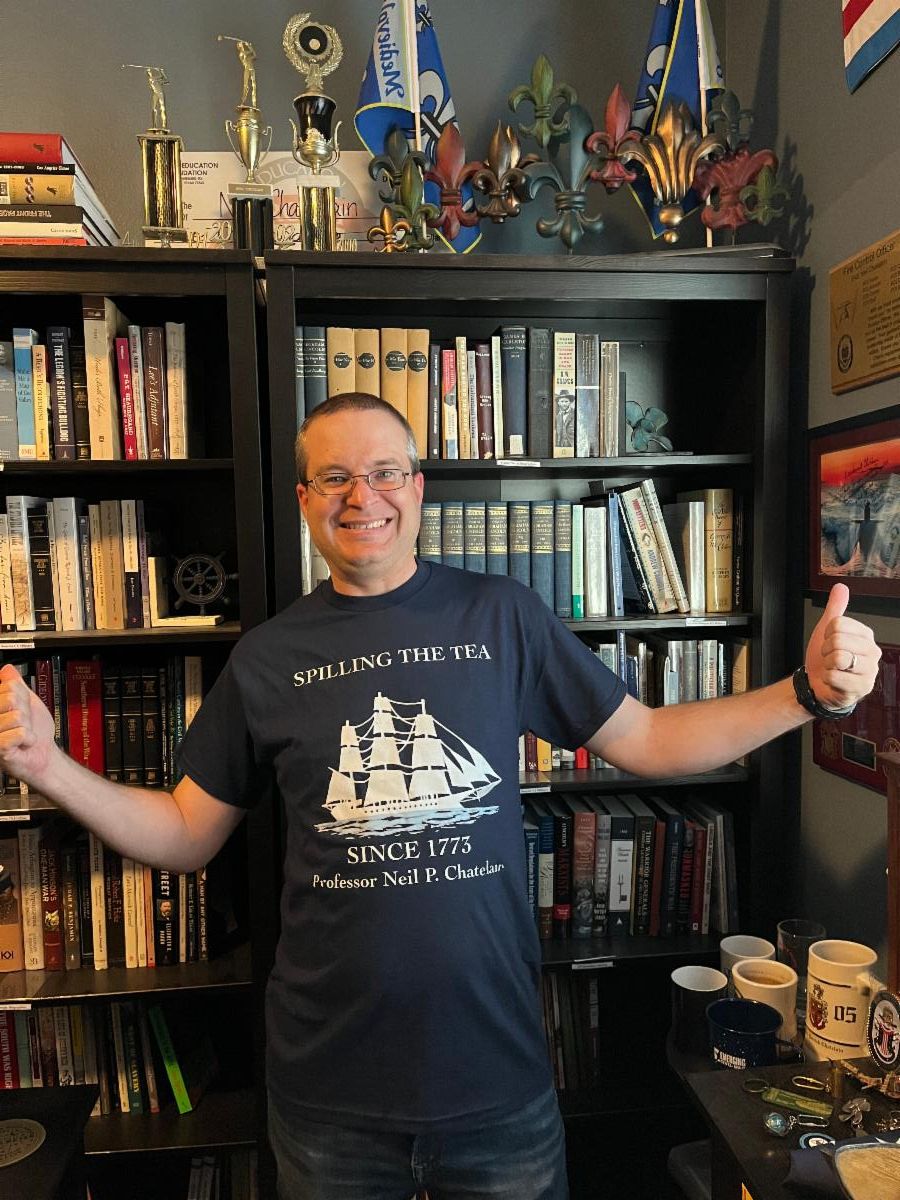
Neil Chatelain just had an article titled "Charleston's 'Special Expedition' Torpedo Rowboats" in the Summer 2025 issue of Civil War Navy—The Magazine. With summer classes over, he spent mid-July with his wife Brittany touring the mountains and glaciers of Montana and Alberta.
Doug Crenshaw has been leading Seven Days and Cold Harbor tours.
| | |
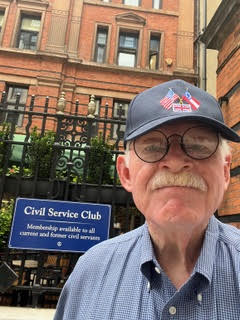
Kevin C. Donovan just returned from England, where on June 28 he had the pleasure and honor of speaking to a British audience of American Civil War enthusiasts, members of the American Civil War Round Table of the United Kingdom. Kevin’s presentation topic, “The Court Martial of Fitz John Porter: Fair or Fixed?” was a legal analysis of the Porter trial, while also discussing the historical and political events that led to Maj. Gen. Porter's dismissal from the U.S. Army during the Civil War. Some 30 UK Round Table members attended the presentation, which was held at London’s Civil Service Club and also broadcast via Zoom link.
Also, Kevin's article, "Secession Revisited: A New Legal Analysis," was published in June in North & South, Series II, Vol. 4, No. 5.
| | |
Chris Kolakowski will be speaking about Simon Bolivar Buckner Jr. in a virtual program on August 13. Details and registration for the program can be found here.
For those of you on the West Coast, ECW author Tonya Graham McQuade will be giving several book talks in the coming months on her book A State Divided: The Civil War Letters of James Calaway Hale and Benjamin Petree of Andrew County Missouri. Tonya will be speaking to the San Joaquin Valley Civil War Round Table group in Clovis, CA on September 11; the San Diego Civil War Round Table group in San Diego, CA on October 18; and the Peninsula Civil War Round Table in Redwood City, CA on October 21. She will also be hosting a BBQ and speaking to the South Bay Civil War Round Table group in San Jose, CA on September 6, with a focus at that meeting on her upcoming first-time visit to Gettysburg and her attendance at the ECW Symposium in Fredericksburg. For more information, you can email Tonya at tonyagrahammcquade@gmail.com.
| |
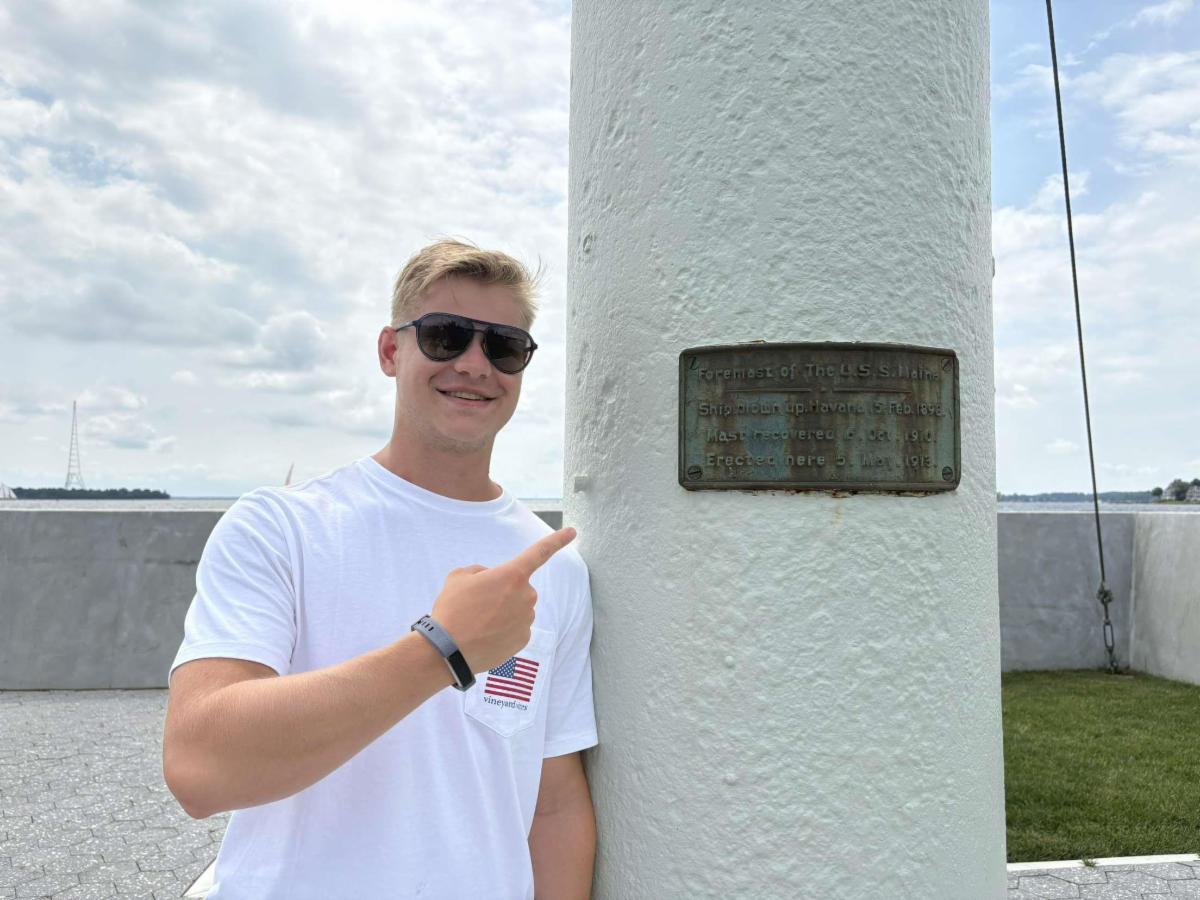
Evan Portman spoke about the Saint Vincent Archabbey monks in the Civil War to the Westmoreland Historical Society in Greensburg, PA. He also stopped by the US Naval Academy in Annapolis, MD, on his way home from the Delaware beaches this month!
| | |
Dave Powell is excited to announce that Atlanta: Vol. 2 is now scheduled for a release date of October 10 or so.
During the Civil War weekend held at Fort Knox in Bucksport, Maine, on July 19, Brian Swartz spoke about the bloody fight between the 20th Maine Infantry and the 15th Alabama Infantry at Little Round Top on July 2, 1863.
Tim Talbott participated in a public meeting at the Varina Area Library on July 29 in support of the New Market Heights Trail, a cooperative project led by the Henrico County Recreation and Parks Department. The interpreted trail will run from Deep Bottom Landing on the James River to the New Market Height battlefield and will create public access to the battlefield.
| |
GoFundMe for ECW Alum
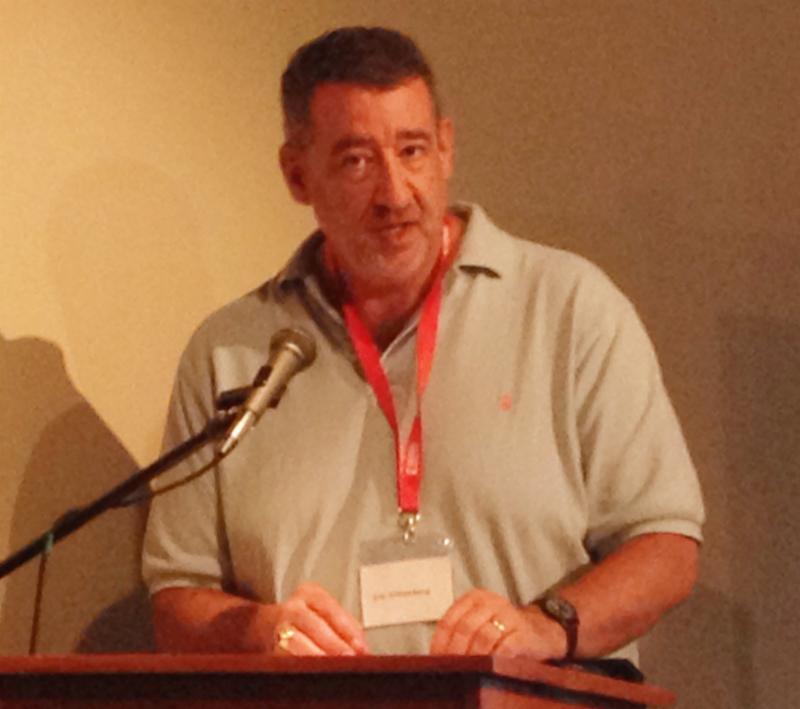
Eric Wittenberg
We are sorry to share the news that ECW alum Eric Wittenberg has gone into hospice care. Eric has been battling health problems for the past two years, and unfortunately, he took a turn for the worse earlier this week. Our thoughts are with him and his wife, Susan.
Eric was the keynote speaker at our very first ECW Symposium in 2014. Later, he joined as a contributor, writing regular blog posts for several years. Eric has remained a good friend of the organization and has contributed to a number of special projects.
A GoFundMe page has been set up to help defray medical costs. If you are interested in contributing, please use this QR code or visit https://www.gofundme.com/f/please-consider-helping-eric-and-susan-wittenberg
| | |
ECW Bookshelf
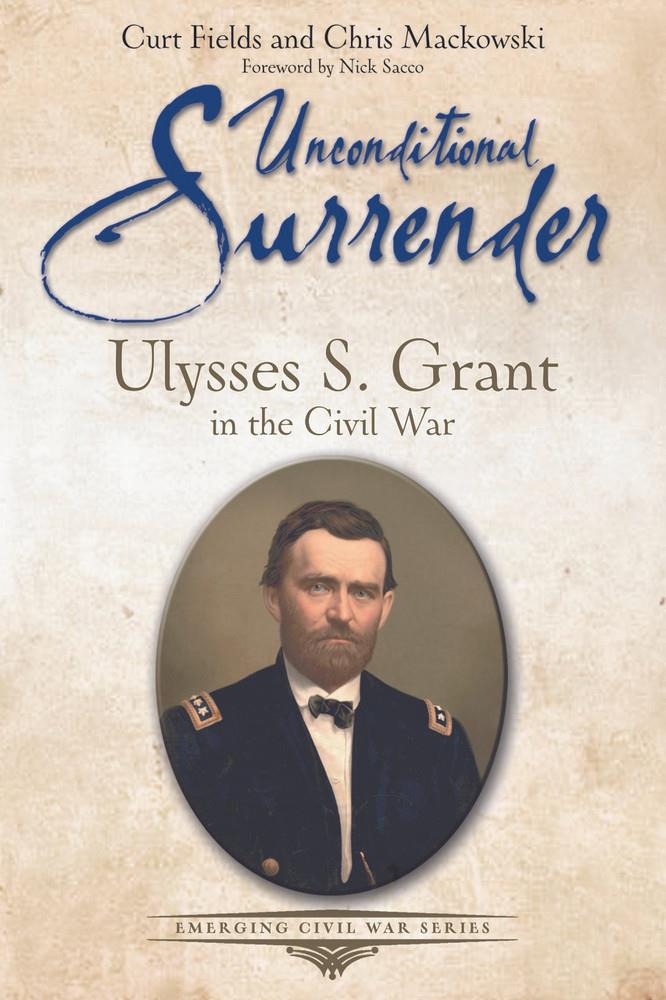
This month, author and Ulysses S. Grant living historian Curt Fields and ECW's Chris Mackowski celebrated the release of the newest edition to the Emerging Civil War Series from Savas Beatie, Unconditional Surrender: Ulysses S. Grant in the Civil War.
"Curt knows Grant's life inside and out," Chris says. "As series editor, I really wanted to tap into that expertise for a biography that would offer some unique insights. Most people think they 'know' Grant, or at least know enough because he's so familiar, but as William T. Sherman said, Grant was probably a mystery even to himself! Curt really does a great job unlocking some of that mystery."
You can purchase your copy from Savas Beatie here!
To read more, check out the ECW blog, here!
| |
| | |
Check out the Emerging Civil War webstore on our website.
You can order goodies for the Civil War enthusiasts in your family: t-shirts, polos, cups, hats, books, and much more!
We'll have new swag coming soon, too, so keep a look out.
Visit the website store to order today.
| | | | |
Shrouded Veterans
by Frank Jasztrembski
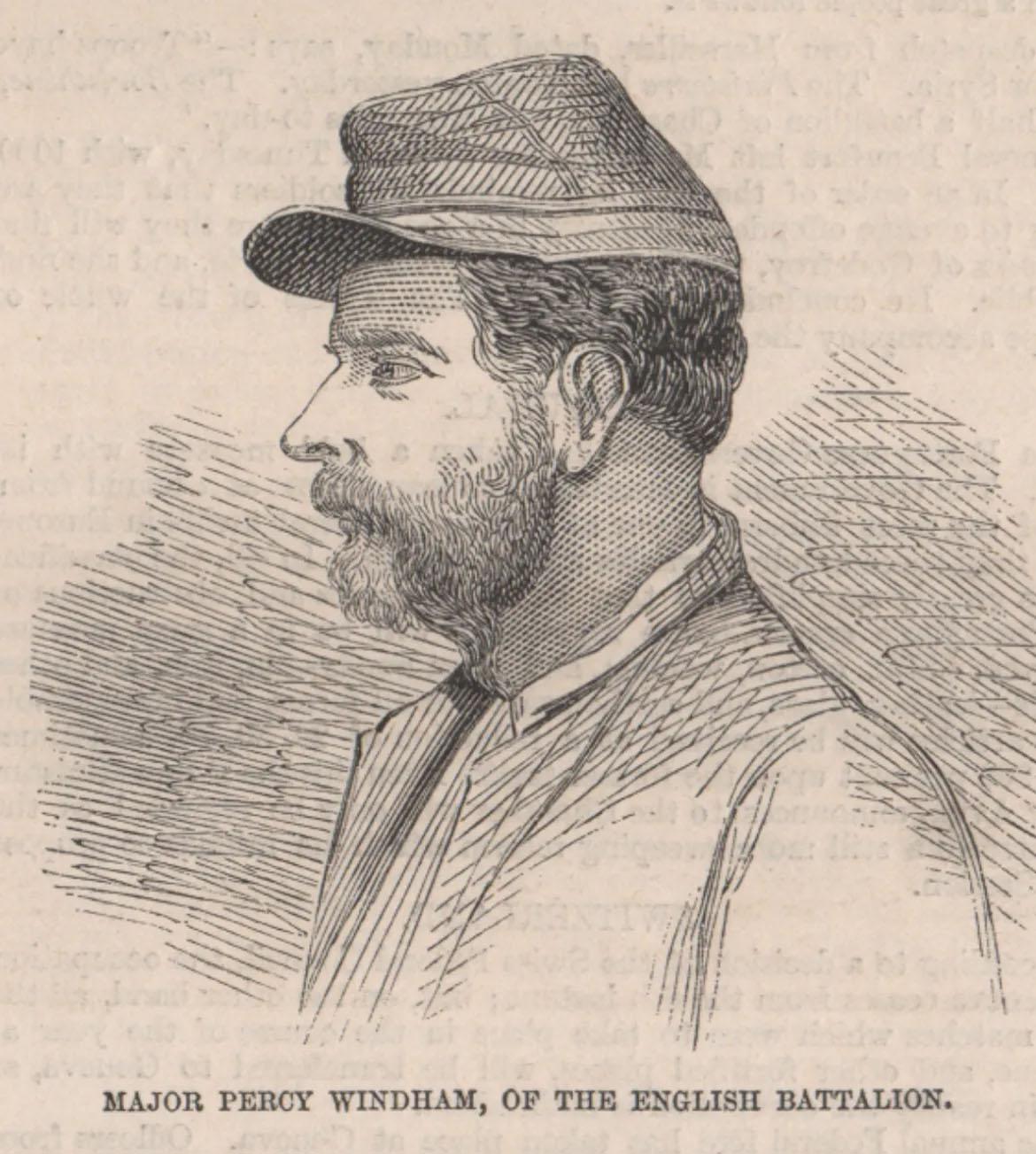
On January 25, 1879, spectators packed into Dalhousie Park in Rangoon (now Yangon) to witness Col. Percy Wyndham ascend in a custom-made, 70-foot-tall hot-air balloon. All went as planned until he reached 500 feet, when the balloon suddenly exploded, sending the intrepid aeronaut plummeting into Kandawgyi (Royal) Lake at high speed to his death.
After more than 140 years and roughly 8,500 miles from the United States, the brave, yet controversial American Civil War veteran is finally recognized for his military service in Myanmar.
To read more of the latest Shrouded Veterans blog post, click here.
| |
Emerging Revolutionary War News
by Phill Greenwalt
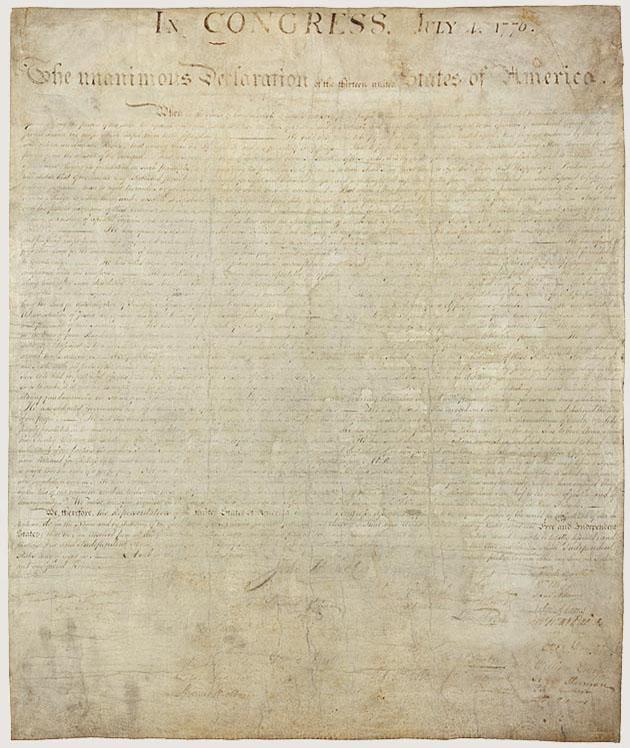
July is a momentous month in the era of the American Revolution. In July 1775, George Washington arrived in Cambridge, Massachusetts, outside Boston to take command of the Continental Army. The following year, on July 2, 1776, the Second Continental Congress moved toward the Declaration of Independence by a vote; on July 4, 1776, the document was accepted.
Although already passed by the time you read this, Emerging Revolutionary War historian Eric Sterner gave a talk on his book Till the Extinction of This Rebellion at Historic Locust Grove in Louisville, Kentucky. But, not to fret, his book is available for purchase online and, if you click over to Emerging Revolutionary War's YouTube page, you can see a popular "Rev War Revelry" with Eric on the same subject.
Talking books: on August 10, Emerging Revolutionary War will welcome back author and historian Michael Harris to talk about the third book in his campaign study of 1777, Fighting for Philadelphia, on a "Rev War Revelry."
As always, click over to www.emergingrevolutionarywar.org to keep current with all that is going on
| |
|
You Can Help Support Emerging Civil War
Emerging Civil War is a 501(c)3 not-for-profit organization. If you’re interested in supporting “emerging voices” by making a tax-deductible donation, you can do so by visiting our website: www.emergingcivilwar.com; you can mail us a check at the address below (make checks payable to "Emerging Civil War"); or you can make a gift through PayPal.
Thank you!
| | | | |
August
1: Bert Dunkerly, “The Richmond Bread Riot,” Emerging Civil War Symposium, Stevenson Ridge, VA
2: Bert Dunkerly, “The French & Indian War in Western Pennsylvania,” Bushy Run Battlefield, Jeanette, PA
2: Jon-Erik Gilot, “The First Cut: Considering the Civil War’s First Amputation,” National Museum of Civil War Medicine, Frederick, MD
3: Bert Dunkerly, “The French & Indian War in Western Pennsylvania,” Bushy Run Battlefield, Jeanette, PA
11: Tyler McGraw, “The Battle of Second Manassas,” Rappahannock Valley Civil War Round Table
21: Ryan Quint, “Dranesville,” Hampton Roads Civil War Round Table
September
6: Jon-Erik Gilot, “The Upper Ohio Valley and John Brown’s Raid,” Underground Railroad Museum, Flushing, OH
10: Kevin C. Donovan, “The Court Martial of Fitz John Porter: Fair or Fixed?”, Jersey Shore CWRT, Toms River, NJ
13: Chris Mackowski, Spotsylvania battlefield tour, Central Virginia Battlefields Trust
18: Chris Mackowski, “The Rise of Stonewall Jackson,” Hampton Roads Civil War Roundtable, Virginia Beach
18: Neil P. Chatelain, “Unpacking the Civil War’s Most Misunderstood Naval Engagement: The Head of Passes, October 12, 1861,” 2025 McMullen Naval History Symposium, U.S. Naval Academy, Annapolis, MD.
24: Chris Mackowski, “Stonewall Jackson's Greatest Hits,” Buffalo (NY) Civil War Roundtable
23: Kevin Pawlak, “Antietam Endgame,” Williamsburg CWRT
25: Derek Maxfield, Gettysburg CWRT, Gettysburg, PA, 7:00 PM
| | | | |