A Message from Chief Scientist & Observatory Director Dr. Paula Mabee |
It’s hard to believe we are already in the second half of 2021! I was recently able to visit several field sites in North Dakota - my first field trip as Observatory Director thanks to the prolonged pandemic restrictions. It was fantastic meeting the field scientists there in person and getting a bit of a hands-on with the daily activities. I loved actually seeing the instruments, understanding how they are integrated and function, and better understanding the cycles of maintenance, repair, and upgrade. And even as a native South Dakotan who connects to the open expanse of the prairie, I was struck by the fabulous beauty of the pothole region of North Dakota.
At Boulder Headquarters, we are as busy as ever. We recently sent our first Mobile Deployment Platform (MDP) to Ohio State University. Researchers there will use it for a proof-of-concept testbed for an AI model and adaptive cyberinfrastructure framework that can dynamically adapt to various types of environmental situations and locations. We also will be sending one to Colorado State University this summer! If you want to know how our MDPs can work for you, you can learn about them on our website.
I'm very pleased to announce a new NEON Ambassador Program! The vision is to scale up awareness and use of NEON data through our support of a small cohort of passionate NEON Ambassadors - researchers and educators who are eager to help their communities use NEON data for scientific discovery, enhance educational opportunities, increase diversity and inclusion of the scientific community, or inform public policy. Are you the kind of person who is excited about NEON data and resources and their potential to advance discovery and education? Please apply to help design and be part of this program.
The annual ESA meeting is also just around the corner in the first week of August. It is again virtual this year, but NEON will be present with talks, workshops, and more. You can find all NEON-related topics in the ESA program, and a list of NEON-led events here. So, if you are attending ESA 2021, we’re excited to join you!
As always, I hope you are staying safe and well!
Sincerely,
Paula
|
|
There will be several NEON-led talks and events at the virtual Ecological Society of America's Annual Meeting, and many more talks that showcase the use of NEON data. NEON staff are also assisting with the virtual Data Help Desk, a collaboration of ecological data repositories and data specialists to engage meeting attendees with questions, comments, and concerns using data repositories in research.
In addition to being a Silver Sponsor of ESA2021, we've made it easy to find everything NEON-related happening at the conference:
|
|
|
|
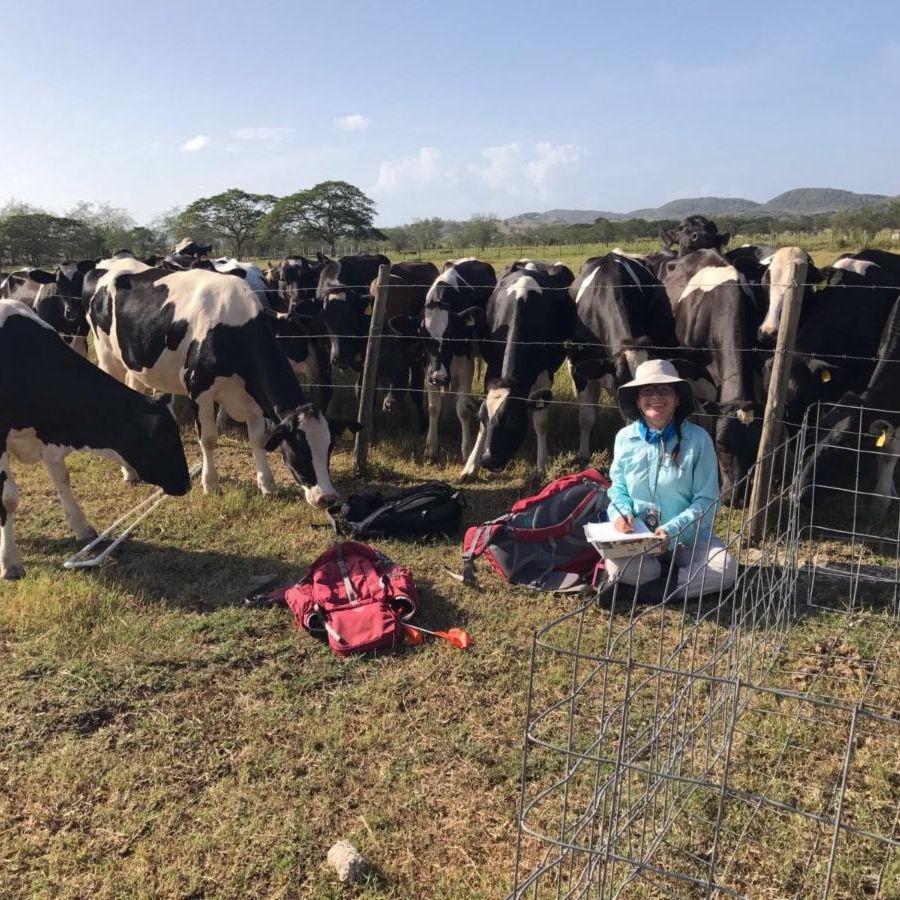
Cows and croplands dominate large portions of the U.S. How does this agriculture impact ecosystems? NEON field sites located on or near agricultural land – including some colocated with Long-Term Agroecosystem Research (LTAR) sites and Agricultural Research Stations – can help answer important questions about the interactions between agricultural activities and native ecosystems.
|
|
Have you used NEON data, samples, or infrastructure? Please contact us about your research and we'd be happy to write a blog article featuring your work as well as add your papers to our publications list.
|
|
GETTING TO KNOW THE NEON DOMAINS |
|
|
|
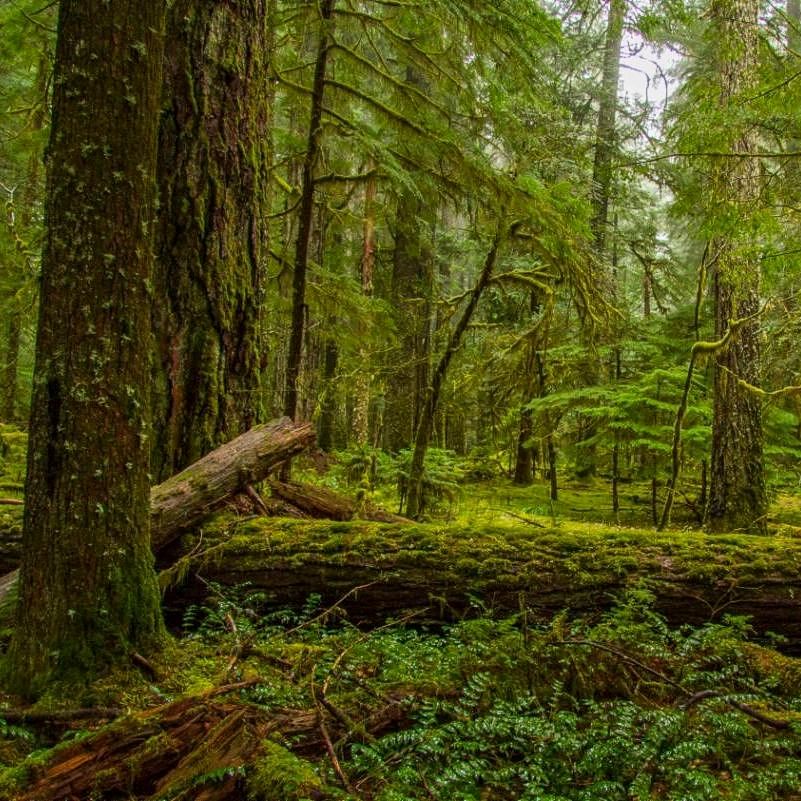
If you can't choose between the mountains and the ocean, the Pacific Northwest (D16) may be the place for you. This coastal Domain features spectacular mountain ranges, vast conifer forests, and a rugged, rocky coastline. The NEON field sites, nestled into the Cascade Mountains of Washington and Oregon, offer an opportunity to see how different land management strategies impact this unique temperate ecosystem. |
|
|
|
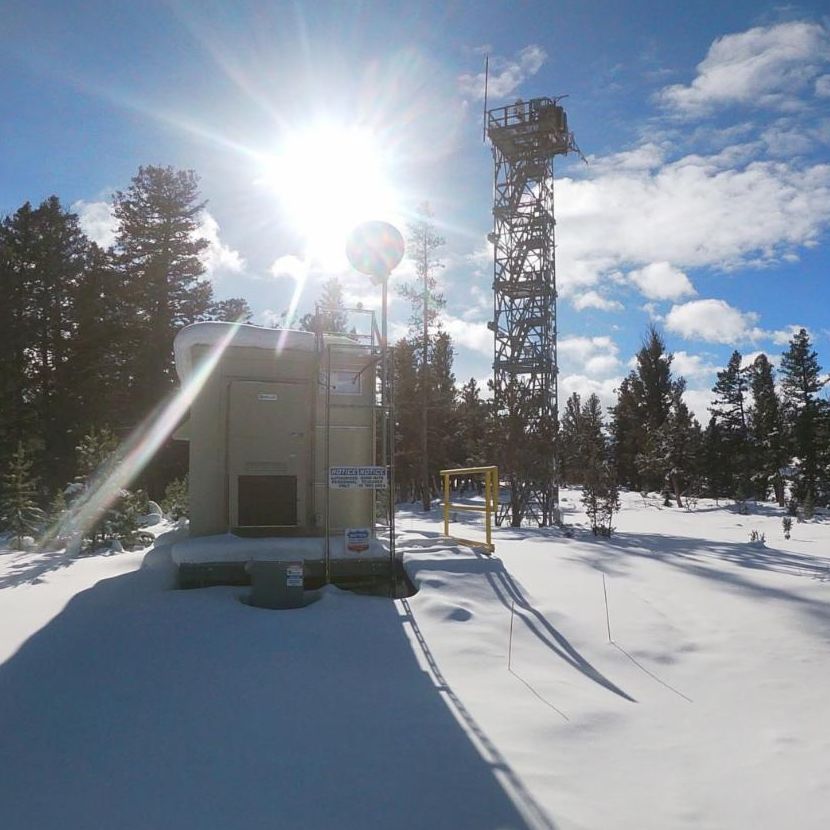
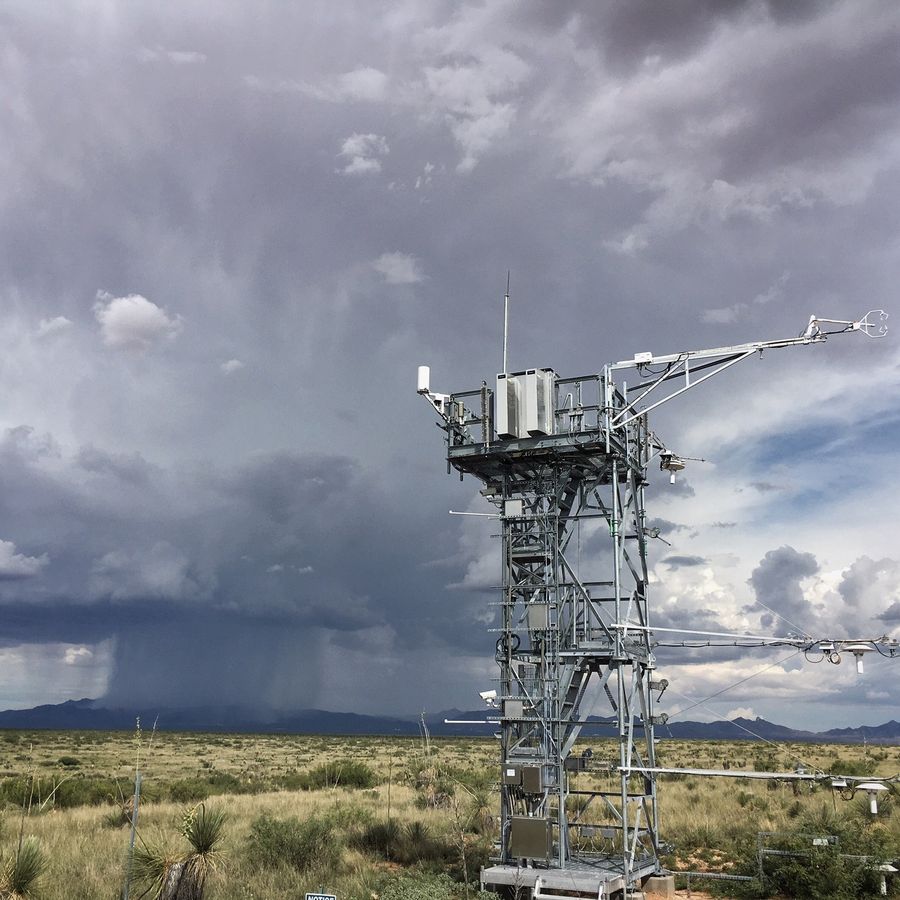
If you like it hot, the Desert Southwest may be for you. From the iconic saguaro cactus stands of the Sonoran to the mesquite scrublands of the Chihuahuan, this region offers a diverse range of desert and mountainous landscapes to explore. Data from the NEON field sites will help scientists better understand the impact of human disturbances and climate change on these unique and fragile arid ecosystems.
|
|
OTHER RECENT BLOGS
While some people find bugs to be scary or gross, Dr. Roisin Stanbrook hopes to change that perception by showing how insects are critical to the conservation of our natural world. In addition to detailing her fascinating work with dung beetles, Stanbrook discussed how her non-traditional path to conservation ecology is an asset in the long run, and how she hopes to teach her students the same.
NEON staff participated in a five-session virtual workshop to generate creative strategies and new research collaborations centered on the fire science community. The workshop was designed to make steps towards improving understanding of different types of fires across temporal and spatial scales, predicting feedbacks between wildfire and living systems, and improving the representation of biological processes in models. Kaelin Cawley, a NEON research scientist and aquatic biogeochemist, brought the NEON perspective to the event.
IN MEDIA
University of Notre Dame, July 26, 2021
The Gardner News, June 29, 2021
Eos - Science News by AGU, June 28, 2021
UCF Today, June 16, 2021
|
|
RESOURCES, UPDATES, EVENTS, & OPPORTUNITIES |
|
UPDATES
June 14-17: This workshop introduced participants to NEON, taught them how to access and work with NEON data, and allowed them to interact with NEON science staff to get assistance working on the specific data products they are interested in using. The workshop included hands-on, interactive instruction on how to access and work with NEON data, both through the NEON data portal and programmatically. View a recording of Day 1 here.
NEON operations and restrictions due to COVID-19 or other impacts (e.g., wildfires) vary across the Observatory. We are operating with any required PPE, temperature checks, and other safety precautions in place for staff as necessary. NEON Leadership is continually assessing conditions across the Observatory. Read current operational status updates.
RESOURCES
Did you know NEON has over 103,000 samples from over 700 taxa stored at the NEON Biorepository? These samples are available upon request to support research studies and analyses. Discover and access NEON's archived samples on the NEON Biorepository Data Portal. Explore the portal.
NEON offers a variety of tools and resources for instructors and faculty moving to online teaching. We realize that these are challenging times for our communities around the globe to delivery high quality education in novel online teaching environments. The data and resources from NEON are naturally suited for teaching ecological concepts and skills in both synchronous and asynchronous learning situations. Browse NEON's Learning Hub.
The NEON program generates ecological data on an unprecedented scale. Making sense of that data often requires sophisticated analytical techniques and computer programs. But if you’re not a coder, don’t worry—open source coding resources and community-made custom programs make NEON data more accessible to the ecology community. These resources are now being compiled in the NEON Code Resources Library. Learn more.
NEON EVENTS
Join NEON and NCAR for a joint workshop series: "Predicting life in the Earth system – linking the geosciences and ecology." The first workshop on September 14 will consist of a series of talks, a one hour working session, and focus on broad synergies between ecology and the atmospheric sciences. These will be working meetings - in addition to preparing for and participating in the workshops, all attendees will have the option (but are not required) to contribute to manuscript generation, as we anticipate each workshop leading to a publication. Please register before Friday August 6. Learn more.
OPPORTUNITIES
NEON relies upon input from more than 20 Technical Working Groups (TWGs), comprised of science, education, and engineering experts. These groups play an important role by providing input to NEON’s data collection and processing methods; they also help ensure that NEON infrastructure, data and programs are a valuable community resource. Nominate yourself or someone else here. The nomination process is open year-round, however we typically only review nominations annually in October. Email the TWG Secretary at twg-secretary@battelleecology.org with any questions. Learn more.
NEON seeks applications for the inaugural design cohort of the NEON Ambassador Program! We invite applications from a diverse array of NEON-enthusiasts, whether early-, mid-, or late-career; from a governmental, academic, industry, or non-profit institution; to join the inaugural cohort of up to 20 Ambassadors in designing and kicking off the program this fall. The first Ambassadors will contribute to a community-driven design for the program. A series of virtual workshops professionally facilitated by the creative folks at Knowinnovation is planned for Fall 2021. The co-created teams and projects emerging from the workshops will then pilot these efforts starting in Spring 2022. Apply by August 31. Learn more.
|
|
RECENT NEON-RELATED PAPERS |
|
More and more researchers are using NEON data! Publications that use NEON data and resources are identified and imported into a public Zotero library, where they are tagged to make them easy to query.
View the newest publications here.
Learn how to find papers of interest here.
Knowing how NEON’s data, samples, and infrastructure are used in research is important to measure the program’s success. Please report your publications and related projects here and learn how to cite NEON here. If you know of a publication not included in the list, please notify us.
|
|
Follow NEON on social media!
|
|
|
|
|
|
|