|
Monthly newsletter from the City of Chula Vista
Sustainability Team
| | |
Free Compost Event: July 12, 8AM – 12PM
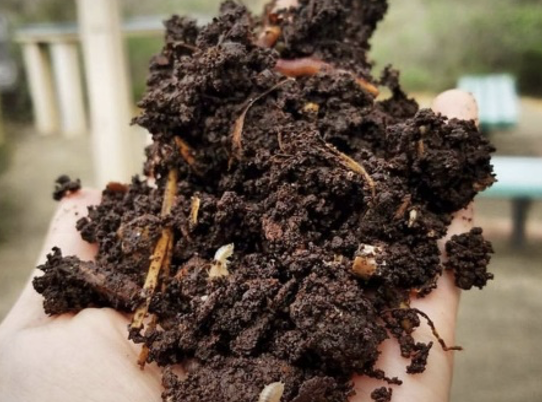
The next free compost giveaway event is happening Saturday, July 12 from 8:00 am - 12:00 pm at the Otay Sustainability Park (formerly known as the Otay Landfill - 1700 Maxwell Road). Don't forget to bring your shovel, containers and tarps! The event is for Chula Vista residents only.
Since 2015, in appreciation of the community’s efforts to recycle yard waste (and now food waste), Republic Services has provided the opportunity for all Chula Vista residents to pick up free compost at these events. Beautify your landscape and improve your garden soil by adding compost to it.
Questions? Contact Environmental Services at 619-691-5122 or environmentalservices@chulavistaca.gov.
| | |
Let's Talk Trash! Chula Vista Hosts Free Sustainability Event on July 19
Join the City of Chula Vista Sustainability team for "Let's Talk Trash!" – a free, family-friendly event focused on sustainable living and waste reduction! Stop by the South Chula Vista Library, located at 389 Orange Avenue, between 10 am and 1 pm on July 19 to chat with local experts and get your questions answered about:
- Recycling the right way
- Energy and water efficiency
- Household hazardous waste disposal
- Alternative transportation options
- Zero waste tips and practices
- And much more!
While you're there, don't miss these great giveaways and resources:
- FREE food waste kitchen caddies
- FREE compost (bring your own container and shovel)
- Zero waste giveaways
- Helpful info and tools to help you live more sustainably
No RSVP required – just drop by and let’s talk trash (the sustainable way)!
Questions? Call us at 619-691-5122 or email environmentalservices@chulavistaca.gov.
| | |
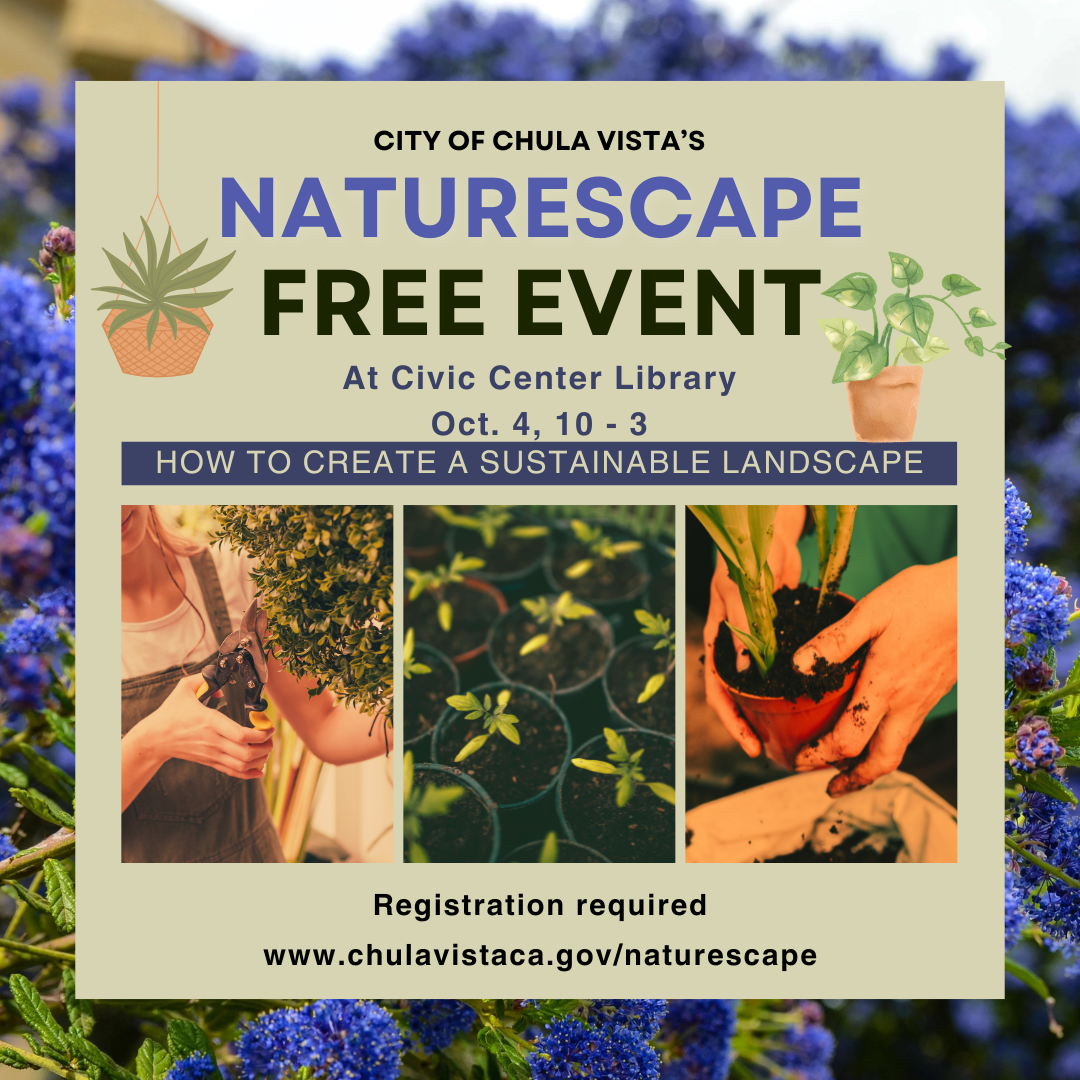
Save The Date: NatureScape Workshop and Plant Giveaway – Saturday, October 4
The Sustainability Division is hosting a NatureScape Workshop on Saturday, October 4 from 11 am to 2 pm with presentations by experts about water-conserving landscapes. Creating a NatureScape is a way to increase your personal living space outdoors and presentations will focus on how to create a sustainable yard. Topics covered include planting right for your site, benefits of pollinators, water smart irrigation, available resources, water rebates and benefits and methods of compost.
Workshop attendees will receive a free drought-tolerant plant and can participate in a raffle for sustainable prizes. Registration is required to attend the workshop. The event is being held at the Chula Vista Library Civic Center Branch at 365 F Street. Register for the NatureScape Workshop: www.chulavistaca.gov/naturescape.
| | |
Community Cleanup July 26
Join I Love A Clean San Diego and the City of Chula Vista for a litter cleanup at Orange Park on Saturday, July 26 from 9 am to 11 am. Please visit the event page for more information and to register!
Event Page Link: https://cleansd.samaritan.com/custom/501/opp_details/3864
| | |
Save the Date: Beautify Chula Vista Day!
Saturday, October 18, 2025 from 8:30 AM – 12 PM
Get ready to roll up your sleeves for the 22nd Annual Beautify Chula Vista Day—a citywide cleanup event hosted by the City of Chula Vista and the South Bay Sustainable Communities Network. Join hundreds of volunteers as we work together to remove litter, paint out graffiti and restore our neighborhoods, creeks and canyons.
- Perfect for students, families and community groups
- All volunteers must pre-register
- Come prepared with gloves, sturdy shoes, water and snacks
Let’s keep Chula Vista clean and beautiful—one project at a time!
Questions? Contact Environmental Services at environmentalservices@chulavistaca.gov or (619) 691-5122
For more information and to register, please visit BeautifyChulaVista.org.
| |
Summer Energy Saving Tips
To save energy and money during the summer, focus on optimizing your cooling system, minimizing heat gain and being mindful of appliance usage. Key strategies include adjusting your thermostat, using fans, sealing air leaks and opting for energy-efficient appliances.
1. Optimize Cooling System:
2. Minimize Heat Gain:
3. Be Mindful of Appliance Usage:
- Use appliances during cooler hours: Run the dishwasher and washing machine in the early morning or late evening to avoid adding heat to your home.
- Unplug electronics: Many devices consume energy even when turned off, so unplug them when not in use.
-
Consider energy-efficient appliances: When replacing appliances, choose models with the ENERGY STAR label.
4. Other Tips:
| | |
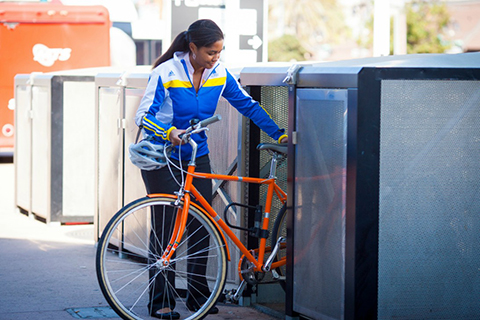
Bike Parking Program
Enroll in the SANDAG Bike Parking program to gain access to more than 600 secure bike parking spaces at over 60 locations across the San Diego region. The full list of locations can be found on the Regional Bike Map.
There are two types of bike parking available:
- Bike Lockers allow one bike to be parked per space.
- Secure group bike parking facilities offer amenities including bike pumps, repair stations, full coverage lighting and security cameras.
Interested in giving it a try? After submitting the enrollment form and a $25 refundable deposit, you will receive a BikeLink card in the mail. Use this card to access secure bike parking throughout the region.
For more information email SustainableTransportation@sandag.org.
| | |
Go Green This Summer: 5 Quick Zero Waste Tips
Summer is the perfect time to soak up the sun—and cut down on waste! Whether you’re heading to the beach, hosting a BBQ, or just enjoying the outdoors, these zero waste tips make it easy to stay eco-friendly all season long.
5 Quick Zero Waste Tips for Summer:
- Ditch Disposables at Picnics: Swap paper plates and plastic utensils for lightweight, reusable options. Pack cloth napkins and reusable cups to cut down on trash.
- DIY Summer Snacks: Make your own popsicles, trail mix, or iced tea at home using bulk ingredients and reusable containers—no packaging waste required.
- Bring Your Own Gear: Heading to the beach? Pack a reusable water bottle, reef-safe sunscreen, and a trash bag to collect any litter you find.
- Shop Farmers Markets: Support local growers and skip the plastic by bringing your own produce bags and containers for fresh, package-free fruits and veggies.
- Sustainable Travel: Planning a road trip or vacation? Pack a zero waste kit with essentials like a reusable coffee cup, cutlery, and a tote bag to stay green on the go.
Every small change adds up. Start with one tip and make your summer cleaner, greener, and more mindful.
| |
|
Master Composter Training Course
We are excited to announce an additional Master Composter Training Course this summer! The course will be four Saturdays in August and will include Spanish translation. Classes for the Summer 2025 course will be held at the Living Coast Discovery Center, 12:00pm - 4:00pm, on August 9, 16, 23 and 30.
This normally seven-week course will provide education and practice to anyone interested in learning the ins and outs of composting and there is no experience required. Students are given presentations on the many topics that include bugs in the compost pile, healthy soils and several different methods of composting. Two field trips are also included.
The Fall 2025 course will be on its normal schedule for weekday classes for seven weeks from 6:00 pm - 8:30 pm so if you have been waiting for a weekend classes, sign up now. Click here to find out more details and to be put on a waiting list.
| | |
Home Composting Workshops
If you’re not sure about a long-term compost commitment, attend a one-hour Home Composting Workshop at the Living Coast Discovery Center. Home Composting workshops are held 11:30am – 12:30pm on Sundays.
Chula Vista residents attending workshops can purchase a Soil Saver compost bin for $35 and also receive free admission to the Living Coast. Click here to register.
For more information on the free compost events or the city’s Home Composting program, go to www.chulavistaca.gov/sustainability and click on the “Home Composting” link.
| | |
Sweetwater Authority Offers Scholarships for Future Water Industry Professionals
Are you passionate about a career in the vital water industry? Sweetwater Authority is offering two Work for Water Scholarships, each for $1,000, to help students pursue their goals.
These scholarships are open to residents within the Sweetwater Authority's service area who are either new or currently enrolled students at an accredited college, community college or trade school, with a clear career path in the water industry.
Ready to apply? You can find the full scholarship criteria and the application here. Be sure to submit your application by July 31, 2025. Funds will be awarded in August 2025.
| | |
Sweetwater Authority: Water Bill Assistance Program
Sweetwater Authority's Water Affordability Program helps qualifying customers with low-income bill assistance for their primary residence by possibly receiving six $20.00 credits over six consecutive water bills.
Do You Qualify?
The easiest way to qualify is by showing proof you're an active participant in SDG&E’s CARE program. If you're not in the CARE program, you can still apply by showing proof you meet the income requirements.
How to Apply
Apply online by clicking here. You can also submit a paper application and proof of eligibility at Sweetwater Authority’s Administrative Office, open Monday-Friday, 8 AM - 5 PM.
Don't let water costs be a burden. See if you qualify for assistance today!
| | |
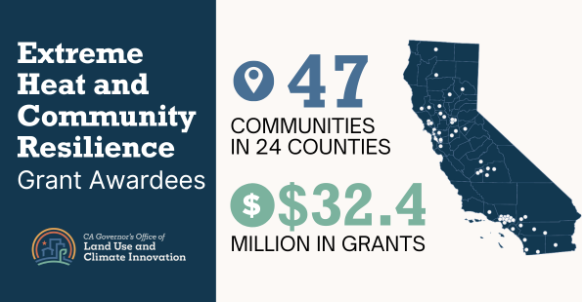
Chula Vista Part of Local Group Awarded California Grant to Address Extreme Heat
The San Diego Regional Climate Collaborative, in partnership with the Cities of San Diego, La Mesa and Chula Vista, recently received a grant from the State of California to help plan for extreme heat events. As part of this funding, Heat Action Plans will be created for the three cities. Additional work products include heat vulnerability indices for local jurisdictions and development of a Cooling Solutions Toolkit focused on nature-based solutions and public health interventions.
Extreme heat is already one of the most dangerous and expensive natural disasters faced in California. A report released last year from the state’s insurance department found that seven extreme heat events from 2013 to 2022 killed nearly 460 Californians, led to 5,000 hospitalizations and resulted in nearly 344 adverse birth outcomes. Lost wages, agricultural disruptions, power outages and other consequences of these heat events also cost the state about $7.7 billion.
As one of the 47 communities that were funded through this program, city staff are excited to kick off this project with our partners and continue advancing climate resilience throughout the region. To read the full press release, please visit: https://lci.ca.gov/news/2025/05-29.html
| | |
Are You Ready for the Next Extreme Heat Event?
An extreme heat event is a series of hot days that are significantly hotter than average for a particular time and place. Heat related deaths and illnesses are preventable. Prolonged hot weather can cause dehydration and increase the body’s core temperature, making it difficult for the body to function normally and develop a heat related illness. This occurs when the body’s temperature rises quickly, the sweating mechanism fails and the body cannot cool down.
There are several types of heat related illness: heat rash, heat cramps, heat exhaustion and heat stroke. The most serious form of heat related illness is heat stroke. If not addressed on time, heat stroke can cause permanent damage or can even lead to death. On hot and humid days, things can be worse. The body normally cools itself by sweating, however, sometimes that is not enough. In extreme heat, especially when humidity is high, sweat does not evaporate at a normal rate and the body must work harder to maintain its normal temperature.
On average, more people die by heat in the U.S. than by other natural disasters (i.e., tornadoes, earthquakes, hurricanes and floods) combined. Climate change is making extreme heat events more frequent, more severe and last longer.
How to Prepare
According to the American Red Cross, as you prepare for a forecasted heat wave, you need to drink enough water to prevent heat illness. An average person needs to drink about 3/4 of a gallon of water daily. You can check that you are getting enough water by noting your urine color. Dark yellow may indicate you are not drinking enough. Avoid sugary, caffeinated and alcoholic drinks. If you are sweating a lot, combine water with snacks or a sports drink to replace the salt and minerals you lose in sweat. Talk to your doctor about how to prepare if you have a medical condition or are taking medicines.
Prepare a “Go Bag” or even a “Stay Bag.” Gather food, water and medicine because stores might be closed due to power outages. Organize supplies into a Go-Kit and a Stay-at-Home Kit. In the event of a power outage, you may lose access to clean drinking water. Set aside at least one gallon of drinking water per person per day. Consider adding drinks with electrolytes. Include sunscreen and wide-brimmed hats. When preparing a Stay-at-Home Kit, make sure to have at least two weeks of provisions including medication, medical supplies and/or equipment. Keep personal, financial and medical records safe and easy to access.
Plan to stay cool if your power goes out and do not rely only on electric fans during extreme heat. When temperatures are in the high 90s, fans may not prevent heat-related illness. Taking a cool shower or bath, or moving to an air-conditioned place, is a much better way to cool off. Spending a few hours each day inside an air-conditioned site can help prevent heat illness. If you have air conditioning, be sure that it is in good working condition. If you do not have air conditioning or if there is a power outage, find locations where you can stay cool like selected Cool Zones in your community (usually libraries and recreation centers).
Make sure you have plenty of lightweight, loose clothing to wear. Create a support team of people you may assist with and who can assist you. Check in with them often to make sure that everyone is safe. To find out about how to prepare for heat emergencies, please visit the Chula Vista Fire Department website for more information.
| | |
Nature Spotlight – The Barn Owl
The Barn Owl is one of the most widely distributed birds in the world, found on all continents except Antarctica. The Barn Owl occupies a wide range of habitats and altitudes, including deserts, grasslands, forests, agricultural fields and urban areas. This species is common in most habitats throughout California. They are found around agricultural areas or basalt cliffs, as well as forest openings, wetlands and other open spaces. In winter, they perch in dense conifers or barns and their diet consists of small mammals. Barn owls are incredibly important in California as a natural form of pest control, particularly in agricultural settings. They are highly effective at controlling rodent populations, reducing the need for harmful pesticides and contributing to a more balanced ecosystem
Did You Know?
Barn Owls are silent in flight due to soft fringe-edged feathers that do not "swoosh" as they move, which work to trap and focus sound. They also have excellent vision and hearing for capturing prey at night and can cover 100 acres each night in search of food. They are prolific hunters - a single barn owl offspring can consume 25,000 mice a year.
Attract Owls to Your Yard
Like many other animals, owls are affected by urbanization and habitat loss and safeguarding or building habitats for owls is becoming increasingly important. While owls are mostly associated with wild areas, some owl species are found in suburban areas. Barn owls can also assist gardeners with organic pest control as they feed on insects, like moths and beetles, and mice. If you’ve had a problem with rodents in your garden, creating a habitat that’s attractive to owls may help. Before you try to attract owls to your garden, make sure your garden is owl safe. Gardens next to busy roadways or areas where rodenticides are used are not good habitats for owls.
Your next step is installing an owl box. Boxes can be purchased or you can make your own by following many online resources with excellent step-by-step directions. Owl boxes should be hung at least 10 feet high in a shady section of your property. You can mount boxes on the side of a tree, but it’s better to install them on a post with a baffle to deter predators like raccoons. After installing the box, line the interior with about 2 to 3” of clean wood shavings to make a cozy nest.
Owls can be a valuable ally for homeowners who wish to practice biological pest control and with just a little research and relatively minimal effort, they can be encouraged to take up residence near you. In case you need to properly dispose of rodenticides, garden chemicals and other household hazardous waste as you prepare your owl box, visit the city’s program page or call (619) 691-5123 for more information.
| |
On Demand Accessible Rides: FREE for 55+ · $2 for Under 55
Need a ride? The Chula Vista Community Shuttle is here for you!
Monday - Friday · 7 AM - 7 PM
Now serving all ages in Northwest Chula Vista!
It's easy:
- Download the CIRCUIT RIDE app.
- Set up your account.
- Share your location and drop a pin where you want to go.
Whether you need to get an appointment, visit family and friends, catch the trolley, or grab lunch or happy hour after work in northwest Chula Vista, leave it to us.
To learn more about this service visit the Chula Vista Community Shuttle website.
| | | | |