|
Some heart conditions stay hidden in plain sight.
Leo, a young German Shepherd owned by Allie and Mike, was playful, energetic, and living life like any normal puppy should. Aside from occasional panting that seemed a little excessive in hindsight, there were no obvious warning signs that anything was wrong with his heart.
That changed during a routine neuter procedure on October 1, 2025.
While Leo was under sedation, the veterinary team detected a significant grade 4/6 heart murmur. In that moment, what began as an ordinary day suddenly became terrifying.
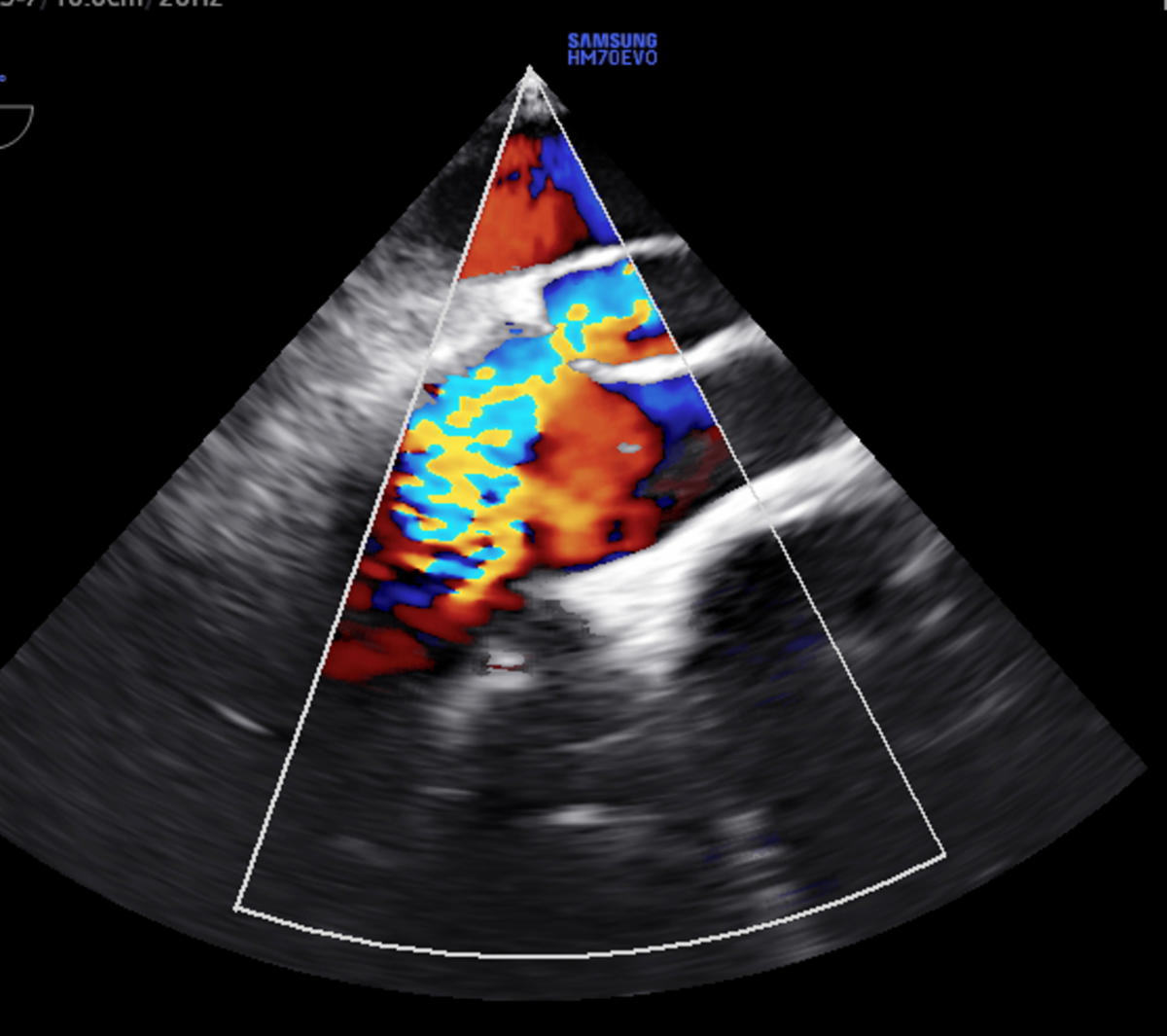
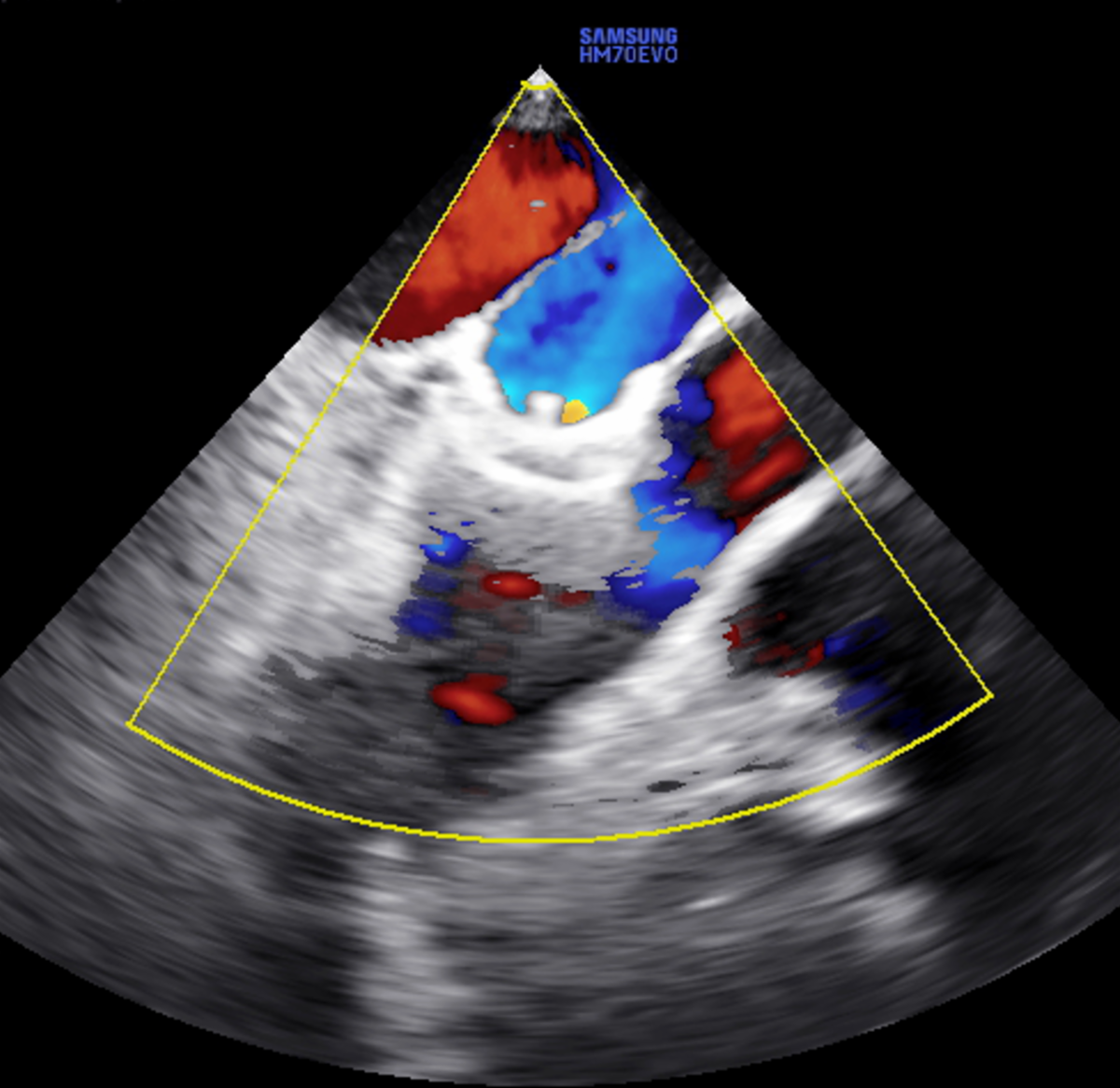
Allie and Mike were referred for a cardiology evaluation, where advanced testing at Central Florida Veterinary Cardiology confirmed that Leo had Patent Ductus Arteriosus (PDA), a congenital heart defect that causes abnormal blood flow between major blood vessels near the heart. Over time, PDA can force the heart to work dangerously hard, eventually leading to heart enlargement, congestive heart failure, and potentially a shortened life expectancy if left untreated.
The hardest part for many families is that PDA patients often seem completely normal. Looking back now, Allie says there was only one subtle clue.
“We think he probably panted more than a German Shepherd normally would, but we didn’t realize it could be related to his heart.”
Leo underwent PDA surgery with Dr. Bolfer and the CFVC team on December 1, 2025.
For the Wroten family, what stood out most was not only the advanced care Leo received, but the compassion surrounding the experience. Throughout the procedure, they received updates and communication from the team, helping ease the fear and uncertainty that naturally comes with heart surgery.
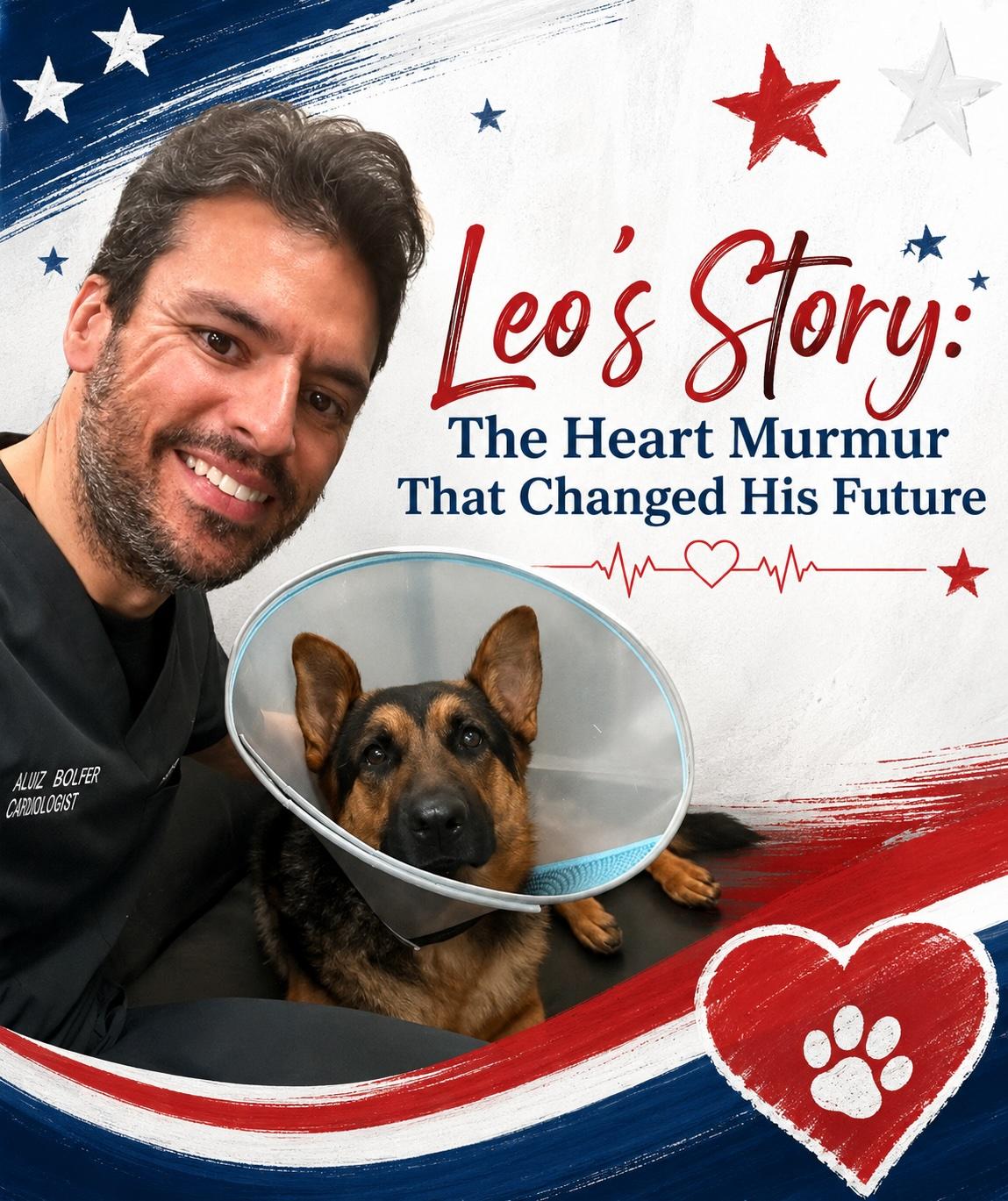
“We felt informed the entire time,” Allie shared. “The team updated us throughout the day and evening, and after surgery we even received a photo of Dr. Bolfer with Leo. It may seem small, but that meant a lot to us during such a stressful day.”
And then came the moment every family hopes for. Leo recovered beautifully.
Today, he is doing exactly what a young German Shepherd should be doing — running, playing, irritating his siblings just enough, and enjoying life with the people and animals who love him most. His dog sibling Lucy and his cat siblings Luna, Sam, and Bella are thrilled to have him healthy, active, and back to his normal self.
Even more incredibly, Leo’s heart function improved so significantly after surgery that, as Allie proudly shared:
“He doesn’t need ANY heart medication as of his last check up.”
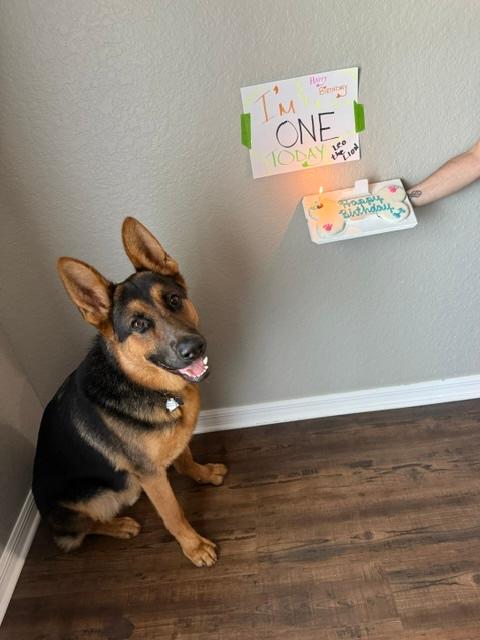
For families facing a heart diagnosis, those words can mean everything. Leo recently celebrated his second birthday — a milestone his family now views very differently. What once felt uncertain is now filled with hope, gratitude, and the promise of many more years together.
Stories like Leo’s are why early detection matters. A murmur heard during a routine visit can uncover a condition that may otherwise remain hidden until irreversible damage occurs. Timely referral to a veterinary cardiologist can dramatically improve both quality and length of life.
At Central Florida Veterinary Cardiology, we believe cardiac care is about more than procedures and diagnostics. It’s about helping families navigate some of the most emotional moments of pet ownership with expertise, honesty, compassion, and hope. Because for Leo’s family, this wasn’t simply a surgery. It was the moment they got their future back.
|