The Wyoming Health Council works to ensure that all people can access equitable, inclusive, high-quality, and affordable reproductive and sexual health care. | | |
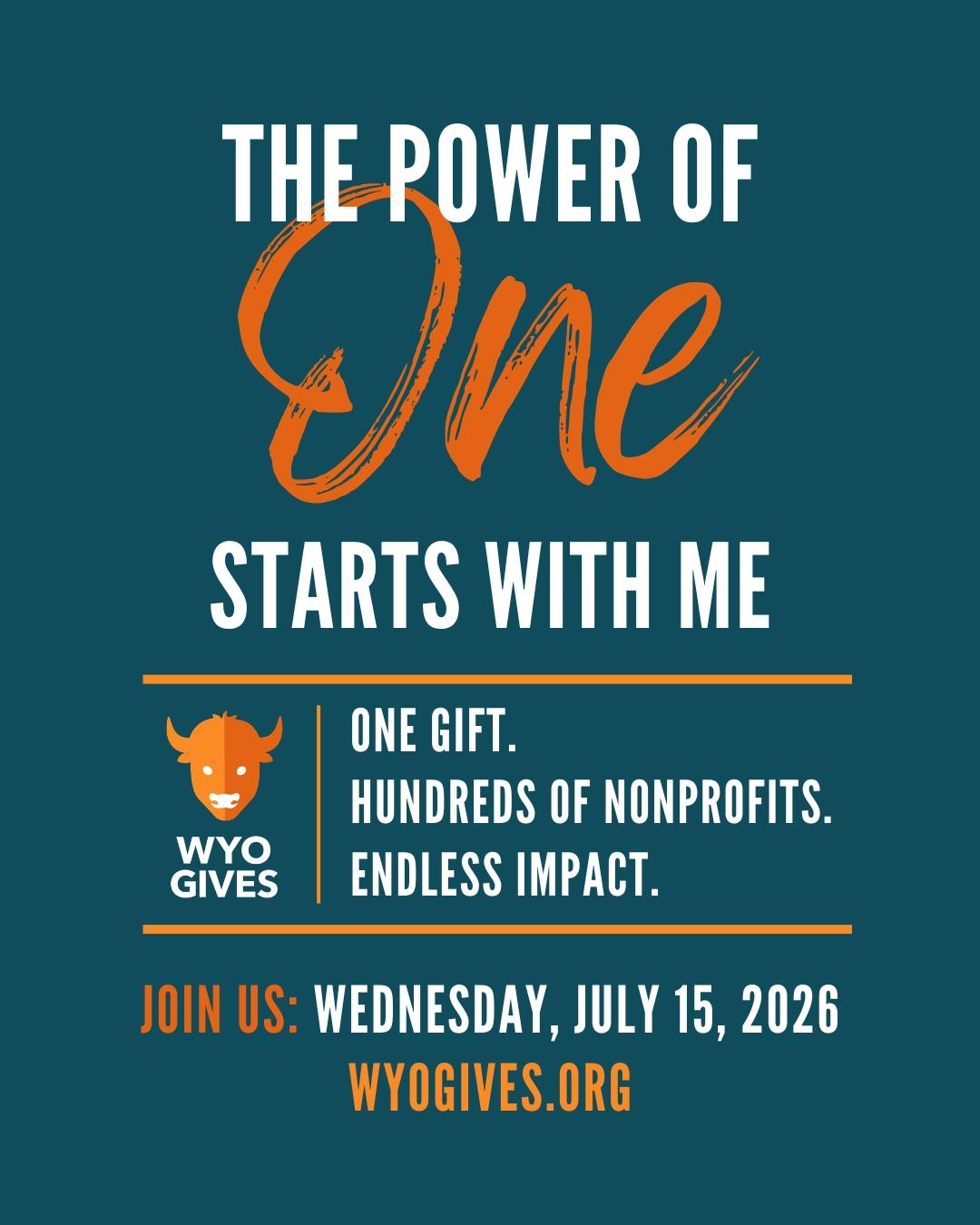
The Power of One starts with you!
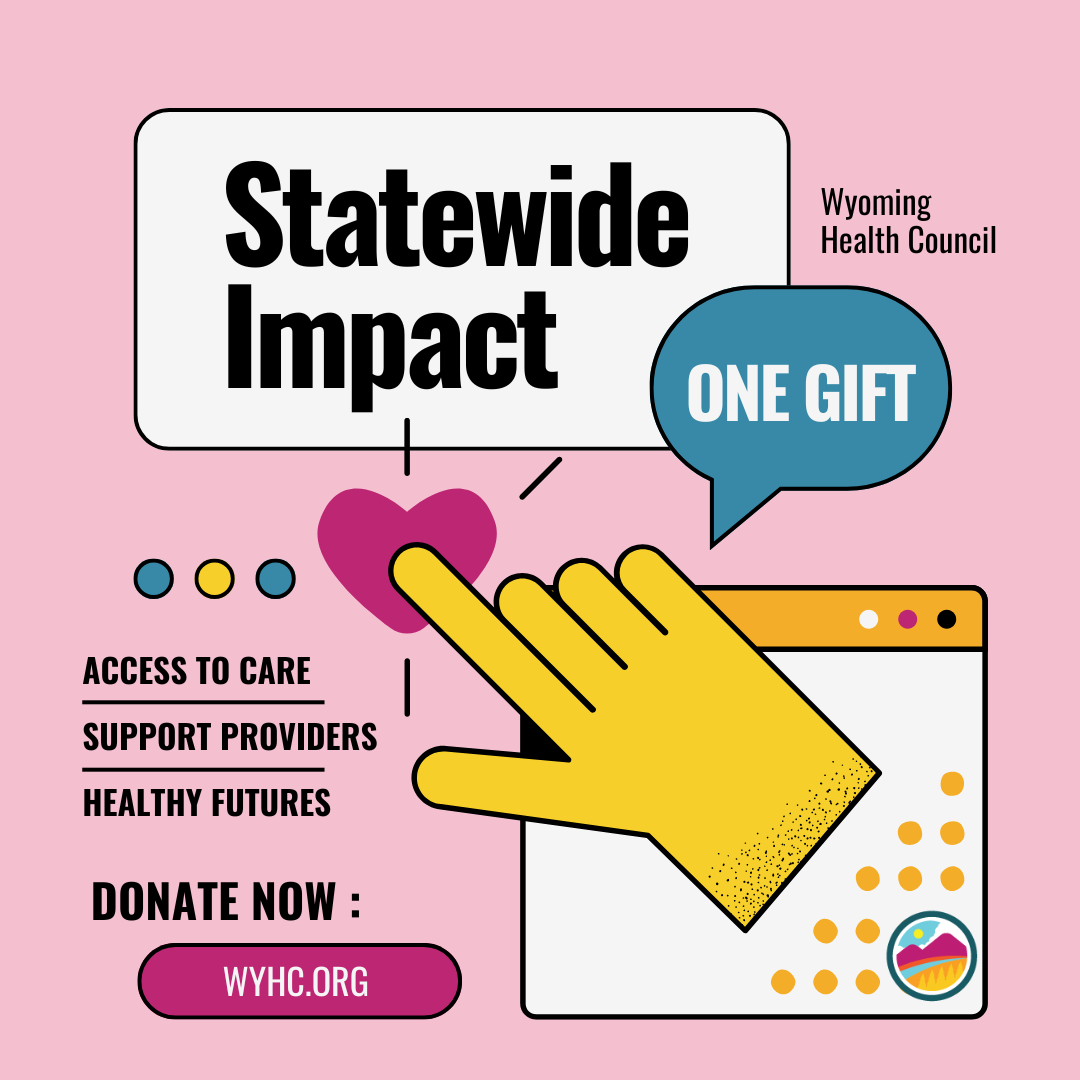
Your gift to Wyoming's Title X Family Planning Clinics help ensure individuals and families have access to affordable, high-quality reproductive and sexual health care, regardless of their ability to pay. Every donation, large or small, supports healthier communities by expanding access to essential services, education and compassionate client centered care across Wyoming
Only July 15, join WyoGives and make the power of one gift count.
| | |
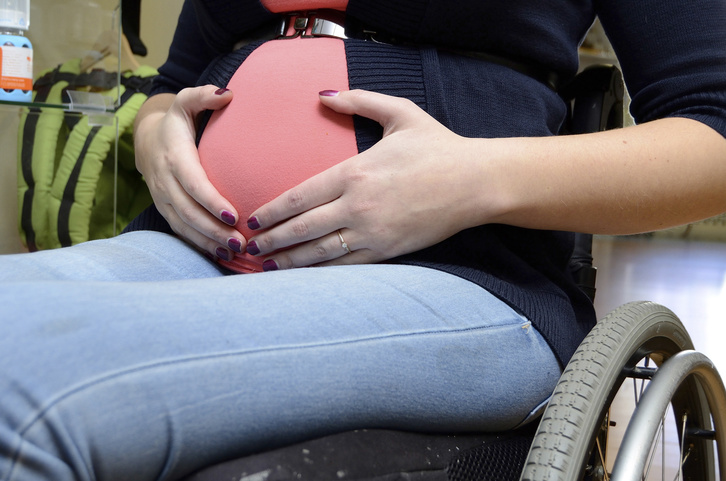
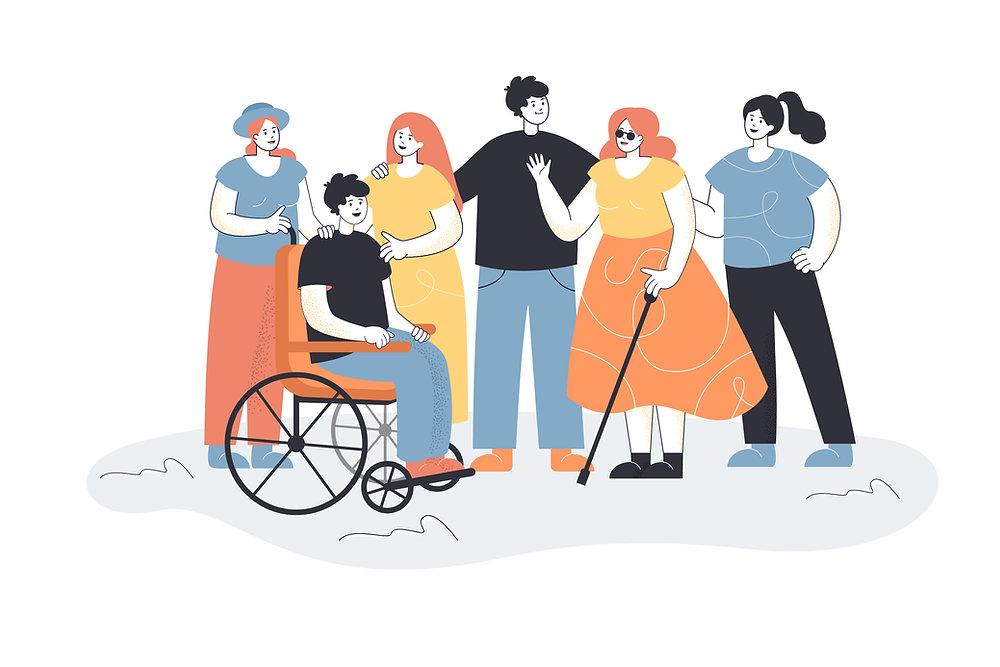
Disparities in Access to Sexual and Reproductive Health Care for Women with Physical, Intellectual, and/or Developmental Disabilities in the United States
Considering that almost 25% of the United States (U.S.) population has some sort of disability, it is alarming that the presence of a disability is tied to barriers in seeking health care. Compared with the general population, people with disabilities:
- Are 1.75 times more likely to have unmet medical needs
- Have almost 3 times the risk of death from avoidable causes
- Have higher medical costs than the general population; about 5 times higher for people with intellectual and developmental disabilities and about 4 times higher for people with physical disabilities
When disability intersects with another marginalized category (racial or ethnic minority, lower socioeconomic class, etc.) these disparities are multiplied.
For decades, people with disabilities, their caregivers, and their advocates have wanted the world to understand the hurdles that they face, not only in their everyday lives, but especially as they access health care.
| |  | |
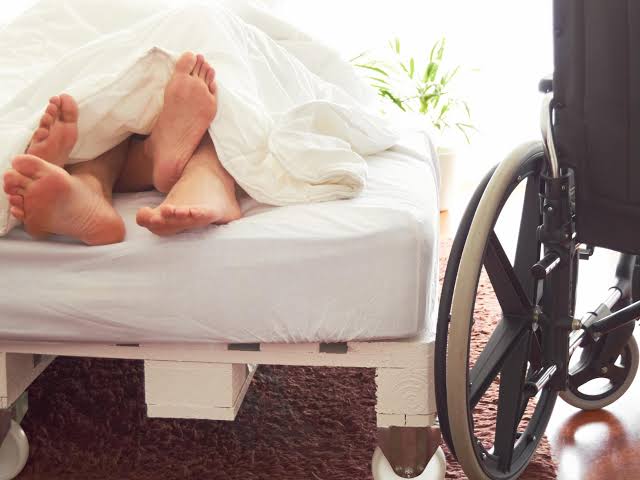
How does disability affect sexuality?
Sexuality and disability can interact with one another in complex ways. For some, disability has no effect on sexual desire or activity, while for others, it may pose challenges.
Sometimes, these challenges result from the disability itself, but they can also stem from myths or prejudice against disabled people.
Disability does not necessarily change a person’s sexuality. Disabled people can have just as much desire and ability to have sex as nondisabled people.
The idea that all people with disabilities are not sexual is a myth. It links to a broader idea that people with disabilities are passive, childlike, or incapable of making their own decisions.
That said, disability and chronic illness can affect sex sometimes. Whether it does depends on the person, their situation, and their experiences.
This article explores the relationship between disability and sexuality, including how disability may affect sex and educational resources.
| | | |
Making Sex Ed Accessible: Courses for Teachers of Students with Disabilities
People with disabilities have the right to healthy, positive, and loving intimate relationships – and to the information and education necessary to stay safe and healthy. However, that doesn’t mean that they have the same access to sex education that their peers without disabilities have.
Nearly 10 percent of people under age 15 have a disability. So why is access to sex education so difficult?
In addressing any concerns from family members, the program stresses key points:
- Students with disabilities are sexual human beings.
- Learning about sexuality and health is a necessity for all students.
- Students with disabilities should have the human right to bodily autonomy and choice in relationships.
- Students with disabilities should have the human right to reproductive health care and support regarding the choice of whether or not to have children.
- Gaps in sexual health knowledge can put people with disabilities at an increased risk for infection, violence, or pregnancy.
- Reproductive health care may not always be linked to sexual activity or relationships.
| | Natural family planning, fertility awareness method, the rhythm method: lots of names for LOTS of different ways to track your fertility so you know when to NOT have sex so you don't get pregnant. This YouTube covers the basics of these methods, so join Dr. Lincoln and get ready to talk cycles, mucus, temps, and more! | | | Your FAQ Answered: What Is Nonhormonal Birth Control?
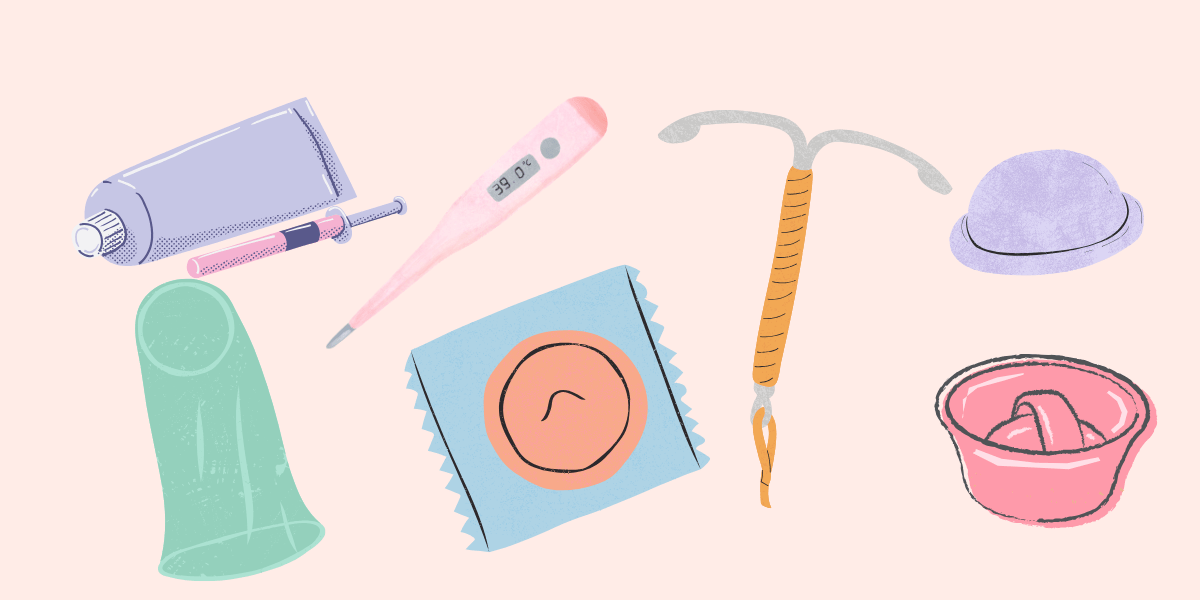
Nonhormonal birth control prevents pregnancy without affecting your hormones. The types of nonhormonal birth control include copper IUDs, barrier methods, spermicide, and natural family planning.
The best birth control for you is one that fits your health needs, personal preferences, and lifestyle. Nonhormonal birth control reduces the chance of an unplanned pregnancy without the use of hormones.
Nonhormonal birth control comes in a variety of forms, such as:
- barrier methods (like condoms)
- natural family planning
- spermicide
- birth control gel
Both nonhormonal birth control and hormonal contraception (like the pill and the patch) come with their own risks and benefits. Some health conditions or lifestyle factors may make nonhormonal birth control a better option for some people and vice versa.
What type of birth control you use is ultimately a personal choice. But understanding the nonhormonal options available to you, as well as how they compare with hormonal birth control, can help you feel more confident in your decision.
| | | |
National French Fry Day
July 13
| | |
National Nude Day
July 14
| |
Why You Should Try Sleeping Nude Tonight, According to Science
When you want a good night’s sleep, you do a few things. You might brew yourself a cup of chamomile tea, limit your screen time before bed, fluff your pillows, and fiddle with the thermostat until your room’s temperature is just right.
If you’re among the many people with rows and rows of pajamas in their closets, sleeping in the nude is probably the last thing on your mind when looking for quality sleep. However, many claim sleeping in your birthday suit isn’t just comfortable; it may even have certain health benefits. Others shy away from doing so either because of personal or cultural preferences.
But what does science say about sleeping in the nude, and should you be getting rid of your favorite sleepwear anytime soon? Here, we explore both the benefits and drawbacks of sleeping naked, allowing you to answer this question for yourself.
| | | |
National Orgasm Day
July 31
| |
How to Have a Fast Orgasm (We’re Talking Speedy!), Featuring 17 Tips From Experts
While slow, sensual, weekend-long sex marathons where you accidentally bang right through your brunch res are well worth checking off your bucket list (no partner required, BTW—spending quality time with your sex toy totally counts), sometimes you just want to get off—and fast. And in those times, friends, a quick orgasm is the move.
If a shortcut to O-town is what you seek, the first thing you should know is that coming hard and fast becomes a much more attainable goal as soon as you take the pressure off. One (sometimes inconvenient) truth about orgasms? They tend to happen more easily when you’re, well, not so in your head about racing toward that finish line. If you’re feeling rushed to get there ASAP, sex therapist Holly Richmond, PhD, suggests taking a sec to remind yourself that a quick orgasm is not necessarily a better orgasm. “Many people enjoy the process of cultivating their arousal over several minutes, hours or even days,” Richmond says, adding that some folks—especially those with vulvas—tend to take a while to reach their highest level of arousal. (Research suggests that people with vulvas need an average of 20 minutes of foreplay to reach their peak, JFYI.)
| | | |
National Ice Cream Day
July 18th
| |
You Can Absolutely Get an STI From Oral Sex
Learn how to have fun safely.
Despite some outdated misconceptions, sex doesn’t need to include penetration. And if you are having any kind of sex, then you should be thinking about sexually transmitted infections (STIs), because yes, you can get an STI from oral sex. (Quick note: Many people use STIs and sexually transmitted diseases (STDs) interchangeably, but the two are different. Diseases are advanced infections that exhibit symptoms, according to the Mayo Clinic.)
STIs are extremely common, with roughly 1 in 5 people in the U.S. having a sexually transmitted infection at some point during the year, according to the Centers for Disease Control and Prevention (CDC). And having oral sex, which involves using the mouth to stimulate the genitals, doesn’t somehow reduce your risk of contracting an STI, Peter Leone, MD, a professor of medicine for the School of Medicine at the University of North Carolina, tells SELF. “It’s a really common mode of transmission,” he says.
That may sound unsettling, but remember that there are ways to reduce your STI risk that don’t involve giving up fellatio, cunnilingus, or anilingus. Here, experts explain how you can keep on keeping on.
| | | |
#ZeroHIVStigmaDay
July 21
| |
One Small Step for HIV: Want to Help Erase HIV Stigma? Choose Words Wisely
HIV stigma involves negative attitudes and ideas about people with HIV. It’s a type of prejudice that can lead to discrimination against people with HIV and those who have greater chance of contracting HIV. People may also internalize this stigma and, as a result, may develop negative feelings and ideas about themselves.
HIV stigma can negatively affect both physical and mental health. It may contribute to feelings of fear or shame that may stop some people from getting HIV testing or treatment. It can also have negative effects on personal relationships and economic opportunities, such as job access.
Certain words or terms may have negative meanings for people who are disproportionately affected by HIV, and using those terms may contribute to HIV stigma.
It’s important to choose language that is supportive and destigmatizing to create communities that are safe for people with HIV.
Read on to learn why words matter and how to choose your words wisely.
| | | |
World Hepatitis Day
July 28
287 million people are living with viral hepatitis – the world’s deadliest communicable disease.
Most don’t even know.
Viral hepatitis often shows no symptoms, so many won’t know they have it until it’s too late.
Chronic hepatitis B and C are the world’s leading cause of liver cancer. More than 1.3 million people die because of hepatitis B or C each year – that’s the most of any communicable disease.
Each year, there are nearly two million new cases.
But hepatitis is preventable and treatable. We have fast and accurate tests, effective and affordable treatments, and a proven vaccine for hepatitis B. We already have everything we need to eliminate it.
What’s holding us back? Low awareness, misinformation, myths and stigma are stopping people from accessing hepatitis services – and leading to a lack of action by decision makers.
| |
Please consider supporting reproductive and sexual health care in Wyoming!
You can donate directly to us—100% of your contribution goes toward supporting health care access in our state.
| | |
This newsletter was developed (in part) with federal funds from the Office of Population Affairs. For more information on the rules and regulations that apply to our programs, please visit
https://opa.hhs.gov/grant-programs/title-x-service-grants
This project is supported by the Office of Population Affairs (OPA) and the Office of the Assistant Secretary of Health (OASH) of the U.X. Department of Health and Human Services (HHS) as part of a financial assistance award 1 FPHPA 006541-0-00 totaling $924,108 with 100 percent funded by OPA/OASH/HHS. The contents are those of the author and do not necessarily represent the official views of, nor an endorsement, by OPA/OASH/HHS or the U.X. Government.
| |
WYOMING HEALTH COUNCIL
111 S. Durbin, Suite 200
Casper, WY 82601
Call Us: (307) 439-2033
| | | | | |