Get outdoors this month!
Our mission is to conserve native species and habitats through
restoration, research and education. Our vision is a world where all people and wildlands are healthy and interact positively, biological diversity flourishes, and environmental challenges are met with a social commitment to solving problems with scientific principles.
And we need you to support conservation. To join us in our work,
"Everything on the earth has a purpose, every disease an herb to cure it, and every person a mission. This is the Indian theory of existence.” – Mourning Dove [Christine Quintasket] (1888-1936) Salish
|
|
|
|
Managing Pests on the Farm |
The glorious season of bloom is in full swing at our farm plots right now and the lush new growth, striking colors and delicate scents draw our admiration to the blooms. This same tapestry of sensory delights that draws our affection also draws a whole host of pests to our farm. The strategy we are implementing is called Integrated Pest Management (IPM). The following will introduce the basics of that approach (including lots of beautiful pictures, of course!). Read More
|
|
|
|
Darlingtonia Wayside:
Meet the Pitcher plant
|
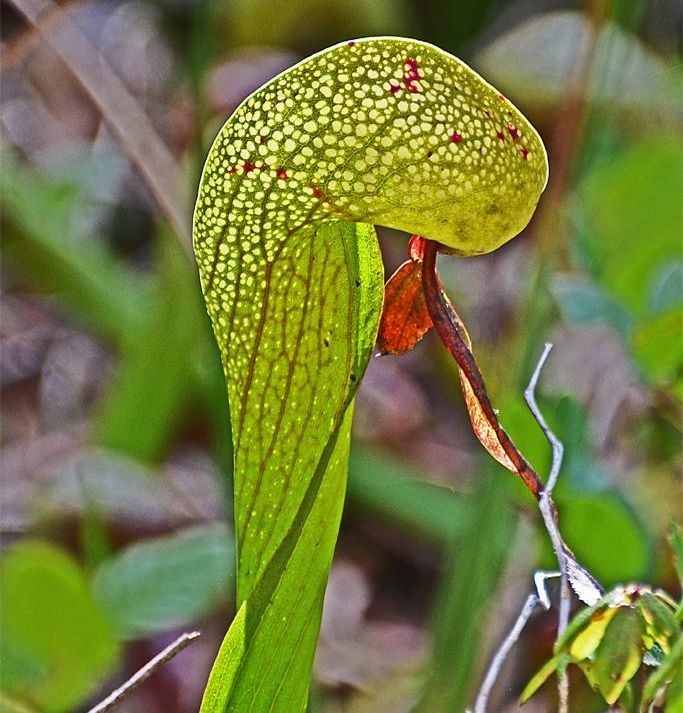
The Oregon State Parks Darlingtonia Wayside Botanical Garden is on the Pacific Coast Highway (US 101) 4.7 miles north of Florence, Oregon. The “garden” is a natural bog with a boardwalk circling through it. There you will find thousands of the carnivorous Darlingtonia californica insect eating plants. They are called pitcher plant and cobra lily. If you haven’t seen these strange creatures it is worth a trip! Read More
|
|
|
|
Not your Granny's garden:
Tale of the Pretty Weeds
|
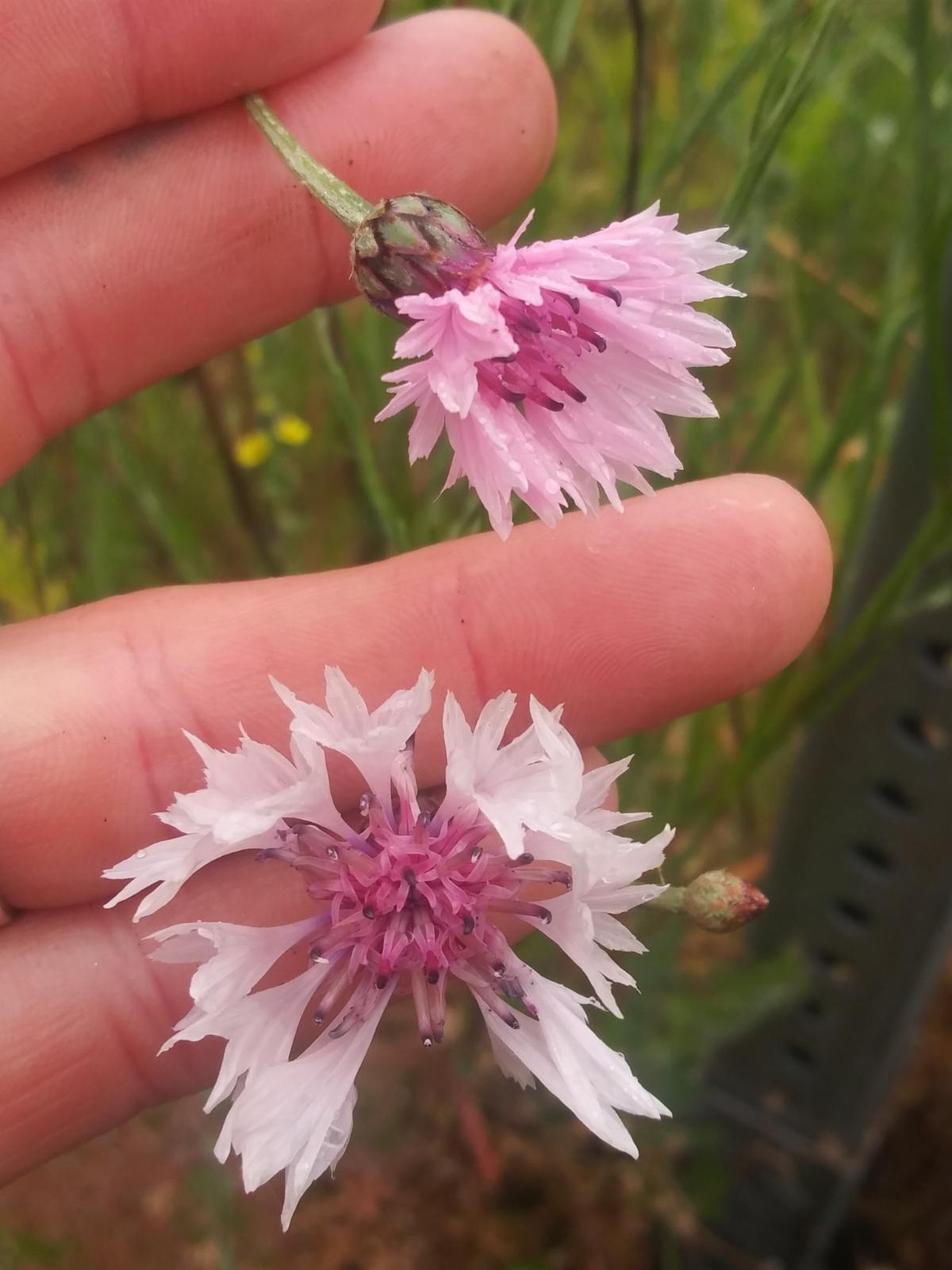
While my Granny loved the bachelor buttons (Centaurea cyanus) she had in her flower bed, I get a sense of foreboding seeing just one rosette or flowering stalk at a project site. This really shows how ‘weeds’ are simply plants growing in undesired locations, and that no plan is inherently bad. My mom frequently expressed fond memories of her grandma’s beloved flower patch, which has a deep loving connection for her. My main association with bachelor button, on the other hand, is of an obnoxious plant that overwhelms the grasslands we are diligently working to restore. This doesn’t stop me, however, from taking a moment to appreciate the complexity of its corolla shape and the goofy fringe tipped phyllaries surrounding the inflorescence. Read More
|
|
Announcements & Brief Updates |
|
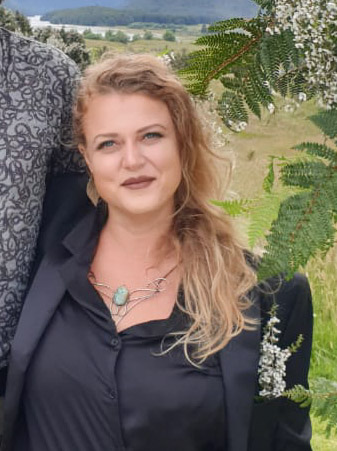
Staff Spotlight: Sienna Hiebert
Meet Sienna Hiebert, IAE's Plant Materials Program Director! Sienna has a wealth of experience in ecology, restoration and native plant farming. When asked what experience sparked her desire to restore native ecosystems, Sienna explains, "I grew up in a little cabin in the Oregon Coast Range with no electricity or running water. I spent most of my time outside rolling in the moss and building little fairy homes. The summer I turned six, there was an invasive snail infestation. We must have brought in the eggs from elsewhere on the dirt clods on our boots (Eek!). I decided to name them by writing on each shell with a permanent marker, but I soon realized that there were more snails than I could come up with names for, and I was shocked so many snails could come in just from my muddy boots. So, I decided to do a population abundance study. I numbered each new snail I encountered with a permanent marker on its shell. I determined the population contained 423 snails. This was appalling and scary. If so many non-native snails could come in one dirt clod, how many would this population grow to next year? Luckily, there were no snails the next year, but I learned a valuable lesson about invasive species, biosecurity, and protecting our natural world. I always make sure to scrape all the dirt off my boots now, and have worked on biosecurity protocols to help other landscapes from the same fate."
At IAE, Sienna is responsible for coordinating seed collection, plant propagation, farm development, and coordination of plant materials partnerships with federal, state, and local agencies. She graduated from University of Washington’s Program on the Environment. Prior to joining IAE, she managed restoration programs around the world, such as a native plant nursery program on Guam, the botanical restoration program for San Clemente Island, and was also a botanist in Arizona. When not at work, she still loves spending time in nature especially moon bathing, moss cuddling, and chasing her dog in circles. Sienna is most happy when wandering around remote parts of the world searching for rare plants and fungi. She also loves creating with different mediums such as metal, rock, clay, and wood. Welcome, Sienna! Read More
|
|
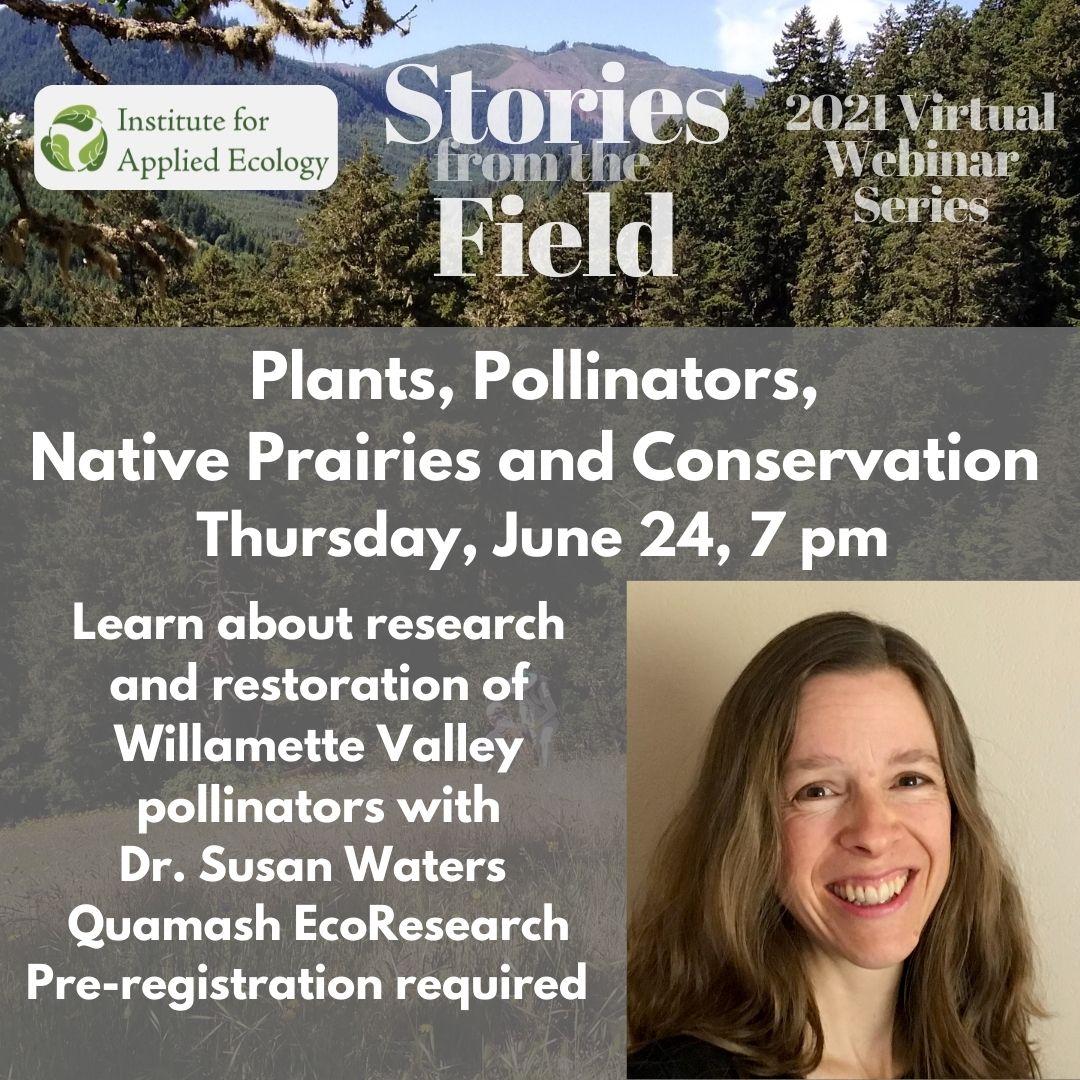
Stories from the Field Webinar Series
Dr. Susan Waters: June 24, 7 pm: Plants, Pollinators, Native Prairies and Conservation
|
The webinar will present a study of pollination interactions that affect Willamette daisy (Erigeron decumbens), a rare native forb of the Willamette Valley prairies, and insights into how restoration reorganizes plant-pollinator communities. Pre-registration required; once registered, you will receive a Zoom link. Register here.
Dr. Waters is the founder and senior research ecologist at Quamash EcoResearch. Her research focuses on plant-pollinator community dynamics in Puget Trough/Willamette Valley prairies, on which she has collaborated extensively with IAE. Susan’s training is in pollination ecology and plant community ecology, with an emphasis on species interactions under climate change.
|
|
|
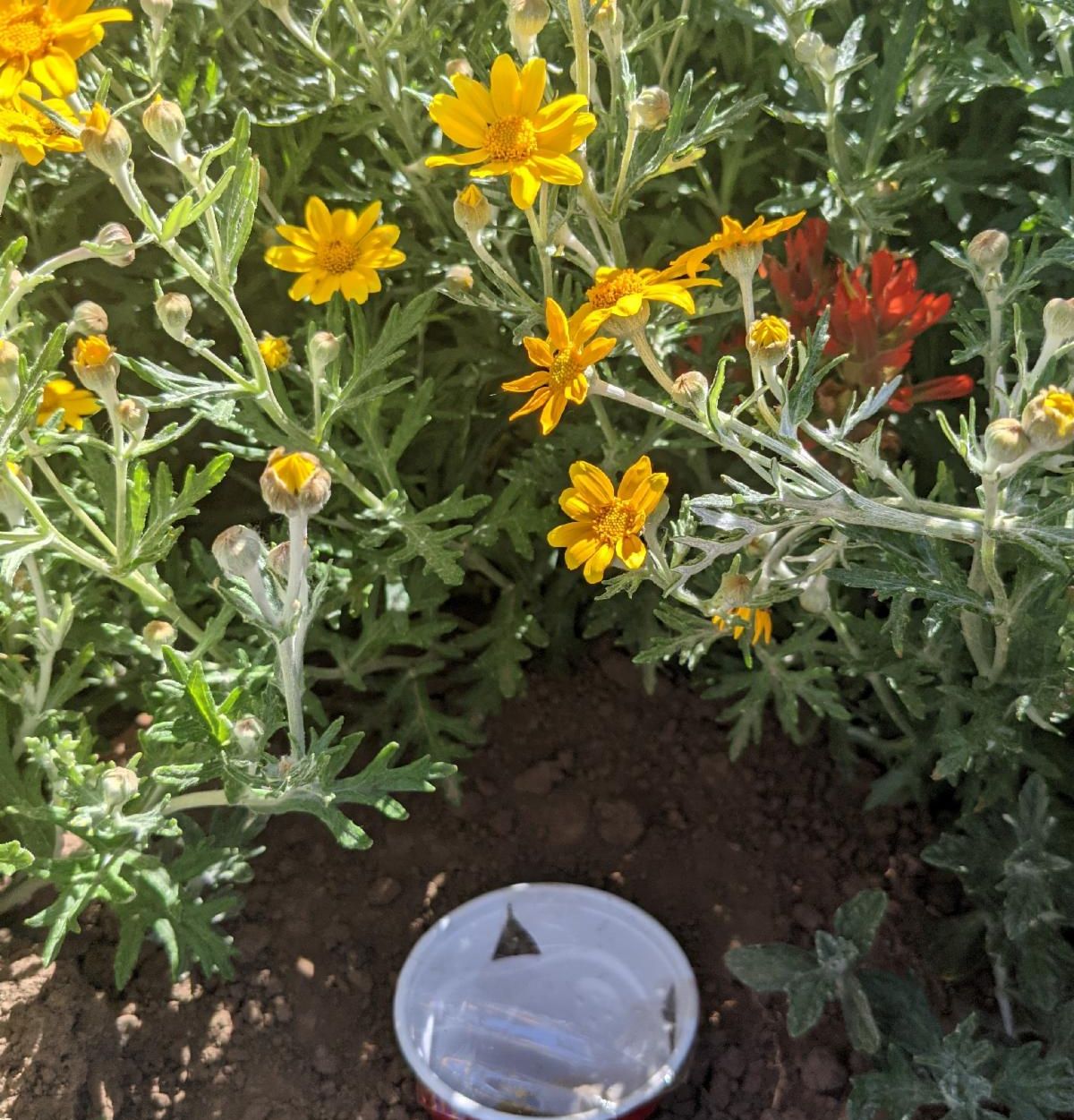
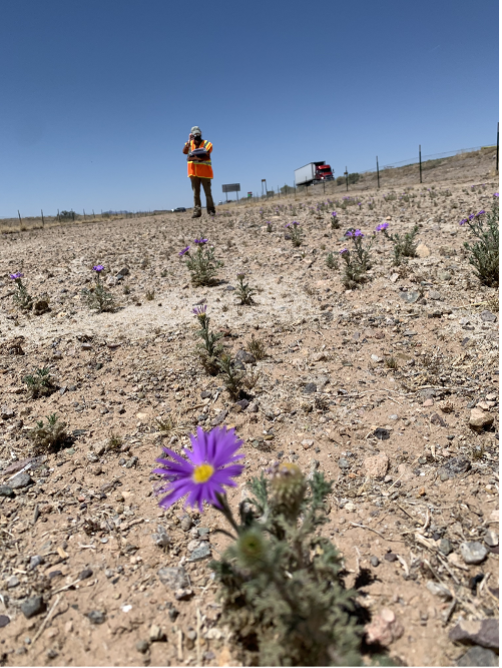
IAE partnered with the New Mexico Department of Transportation and the NM Bureau of Land Management to conduct a dust mitigation research project on New Mexico’s Lordsburg Playa. In 2020 five sites were seeded to test the success of 23 different species native to the Chihuahuan Desert and plantings were monitored in April 2021. Despite extreme and exceptional drought in Southwestern NM and very little green-up, two of the seeded species, Desert marigold (Baileya multiradiata) and tansyleaf tansyaster (Machaeranthera tanacetifolia), had surprising establishment rates and reached reproductive maturity at two DOT sites, suggesting (at least preliminarily) these wildflowers are not just showy pollinator plants but may also be particularly resilient in the face of challenging environmental conditions.
|
|
|
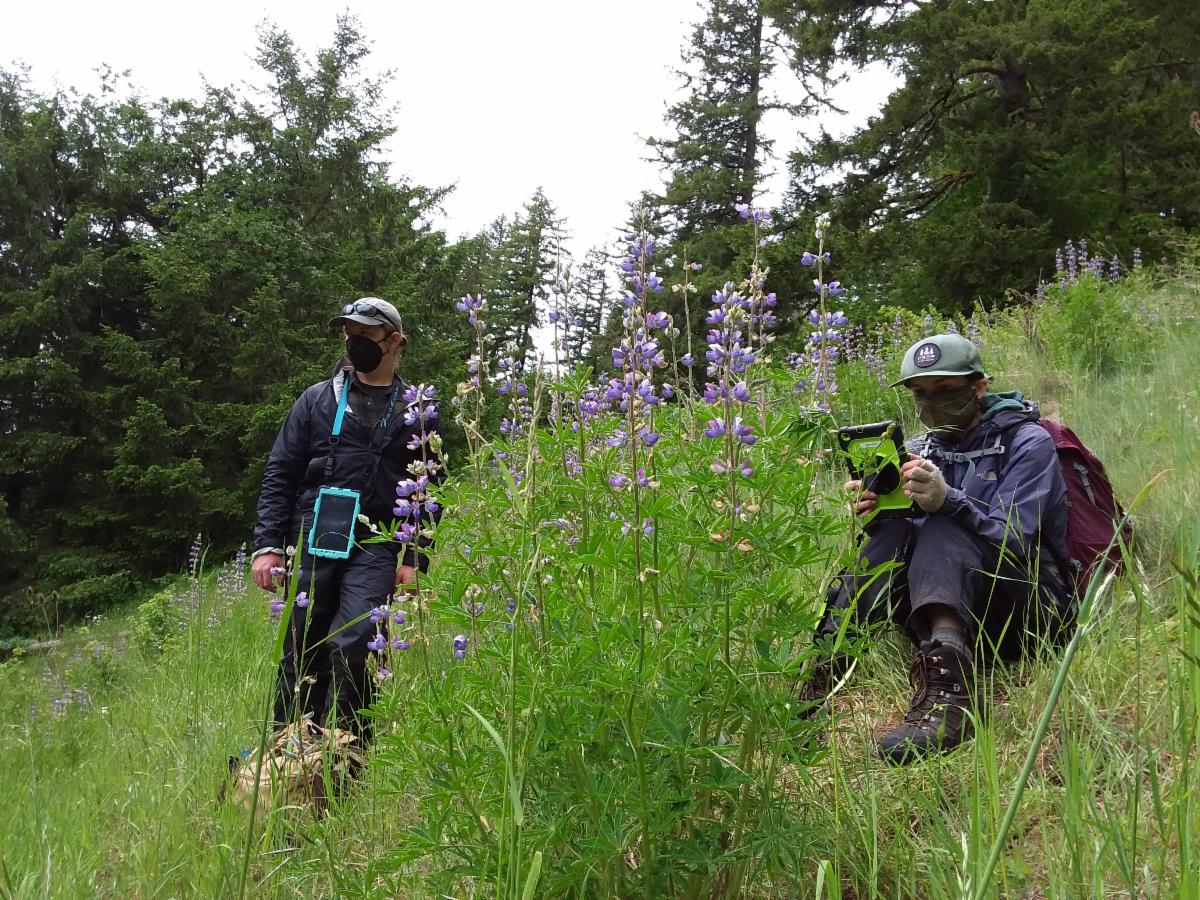
This is a great time to be out in the field and our Prairie and Oak Inventory crew is up and running! They search for rare oak and prairie habitat at mid-elevation throughout the Willamette Valley and map key features for the Bureau of Land Management. |
|
|
|
|
Looking for an easy way to support our restoration, research and education work? IAE is proud to partner with EarthShare, a federation of leading non-profit environmental charities, making it easy for Oregonians to share the responsibility for our environmental legacy. Many workplaces can deduct from your paycheck via Earthshare; ask your employer to set up a Workplace Giving account. If you have questions, please send us an email at info@appliedeco.org. |
|
IAE Board of Directors:
Ken Bierly, President; Brandy Humphreys, Vice President; Cary Stephens, Secretary, Jack Halsey, Treasurer; Jason Bradford, Anne Bradley, Deborah Clark, Shinji Kawai, Judy Li, Carol Savonen, Sunia Yang
|
|
|
|
|
|
|