Latest Updates on Children's Care | | | Transforming Children's Care Collaborative Update | | | |
Webinar Recording: Addressing Social Norms in Transition Practice
Efforts to transition away from residential care are often constrained by deeply embedded social norms, which can influence community attitudes and the motivations of service providers. This webinar—hosted by the Transitioning Residential Care Working Group under the Transforming Children's Care Collaborative on June 3—featured practitioners from Myanmar, Uganda, and Mexico. They shared how social norms related to disability, clientelism, ministry expectations, and the Catholic faith can impede transition processes unless they are proactively addressed with key stakeholders, including directors, religious communities, extended families, and community leaders. The recording is available in English and Spanish.
| | Understanding the Situation | | | | |
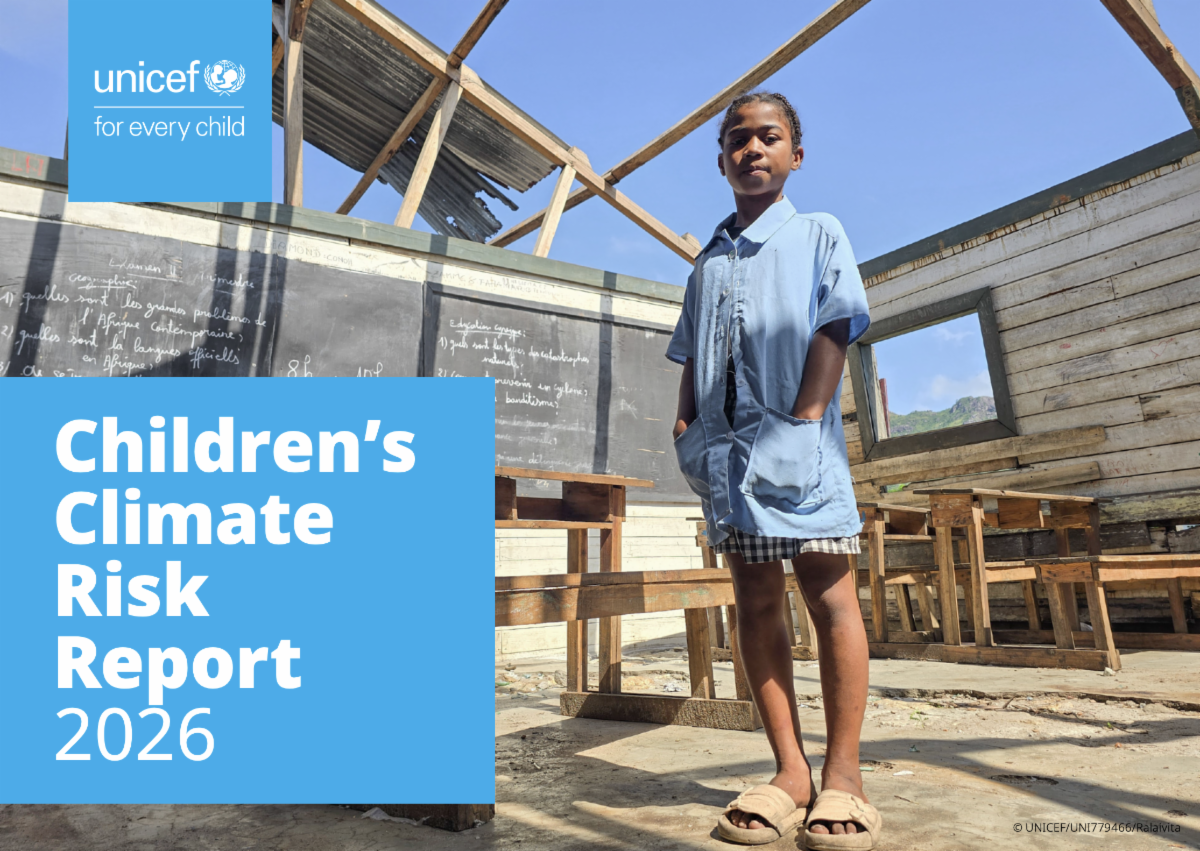
Children’s Climate Risk Report 2026
The Children’s Climate Risk Report provides the most comprehensive picture to date of the threat to children from the climate crisis and its impacts. It shows how children’s exposure to multiple, overlapping climate hazards, combined with their inherent physical vulnerabilities and gaps in the social services they rely on, undermines their rights and increases their risk of harm.
| | | | |
Exploring Challenges and Prospects of Alternative Childcare Services in Bangladesh: A Qualitative Case Study
This qualitative case study examines the challenges and opportunities of alternative childcare services in Bangladesh, finding a growing demand for care options but significant gaps in quality and coordination. Key issues include inadequate emotional and psychosocial support, shortages of trained caregivers, weak monitoring systems, and social stigma, highlighting the need for stronger investment, capacity building, and a more child-centred approach.
| | | | |
Do Lineage-based Inheritance Norms Matter in Kinship Care Arrangements? Exploring Inheritance Paths in Grandparent Kinship Care Practice in Ghana
This study explores how kinship lineage and inheritance norms in Ghana influence decisions about placing children in the care of maternal or paternal grandmothers. While traditionally significant, findings suggest these norms are weakening due to legal reforms, social change, and interethnic marriages, with limited influence on most contemporary kinship care arrangements.
| | | | |
The Motivations of Individuals and Families Who Foster or Adopt a Child Living With a Disability: A Scoping Review
This scoping review examines why individuals and families in Western countries choose to foster or adopt children with disabilities, identifying motivations such as altruism, personal values, commitment to caregiving, and perceived family enrichment. The findings highlight opportunities to strengthen recruitment and support strategies by aligning messaging and services with these motivations to improve care stability and outcomes.
| | | | |
Hidden in Plain Sight: The Lost Children in Britain’s Broken Care System
This article argues that the UK child social care system is in crisis, with rising numbers of children in care and persistently poor outcomes despite substantial spending. It identifies austerity, reduced preventative services, and factors such as domestic violence, parental mental health, and substance misuse as key drivers, and calls for systemic reform focused on reducing child poverty, investing in early intervention, and adopting trauma-informed approaches.
| | | | |
Supported Visitation in Out-of-Home Care: A Scoping Review of How Practices are Described, Implemented, and Experienced
This global scoping review examines how supported visitation in child welfare is defined and practiced, highlighting its role in maintaining parent–child relationships while ensuring emotional safety in complex, trauma-affected contexts. Findings reveal inconsistent implementation, limited focus on children’s experiences, and a lack of relationally grounded approaches, underscoring the need for more coherent, rights-based support for both children and parents.
| | | | |
Conceptualising Street Youth Lived Resilience in African Cities
This article explores the lived experiences of street-connected youth in African cities, highlighting the multiple socio-economic challenges they face alongside their resilience in navigating daily survival. Drawing on focus groups across three cities, it reconceptualizes resilience as a dynamic, context-driven process shaped by social, institutional, and environmental factors, with implications for policy and practice.
| | | | |
Understanding Child Trafficking in Ghana: Causes, Achievements, Challenges and Future Directions
This qualitative study examines the drivers, progress, and ongoing challenges in addressing child trafficking in Ghana, drawing on interviews with 80 stakeholders across government, civil society, and affected communities. It finds that while policy and institutional advances have been made, persistent issues such as weak enforcement, limited coordination, and underlying drivers like poverty and migration require stronger, better-resourced, and more survivor-centred responses.
| | | | |
Socioeconomic and Family Risk Factors for Child Abuse and Neglect in Urban Vietnam
Child abuse and neglect in urban Vietnam are strongly associated with socio-economic hardship and family vulnerabilities, including low income, residential instability, single-parent households, low parental education, and alcohol misuse. The study underscores the need for integrated, community-based interventions that address both structural inequalities and family-level risk factors to effectively prevent child maltreatment.
| | | | |
Relationship Between Mindfulness and Psychological Well-Being: Moderating Effect of Self Efficacy Among Orphanage Adolescents
This study examines how mindfulness relates to psychological well-being among adolescents in orphanages in Pakistan, with a focus on the role of self-efficacy. Findings show that higher self-efficacy strengthens the positive impact of mindfulness on well-being, highlighting the importance of both factors in supporting adolescent mental health.
| | | | |
Between Protection and Punishment: a Critical Analysis of the UK’s Approach to Safeguarding the Rights of Unaccompanied Minors
This paper aims to navigate the complex terrain of refugee law with a child-centric approach, evaluating whether the UK adequately safeguards the rights of unaccompanied children. It concludes that while the UK’s domestic legislation is in compliance with its international obligations, its asylum procedures ultimately fail to adequately safeguard unaccompanied children and a framework recognising vulnerability (as opposed to chronological age) as the appropriate threshold and determinative factor for safeguarding would better support the rights of unaccompanied minors.
| | | | |
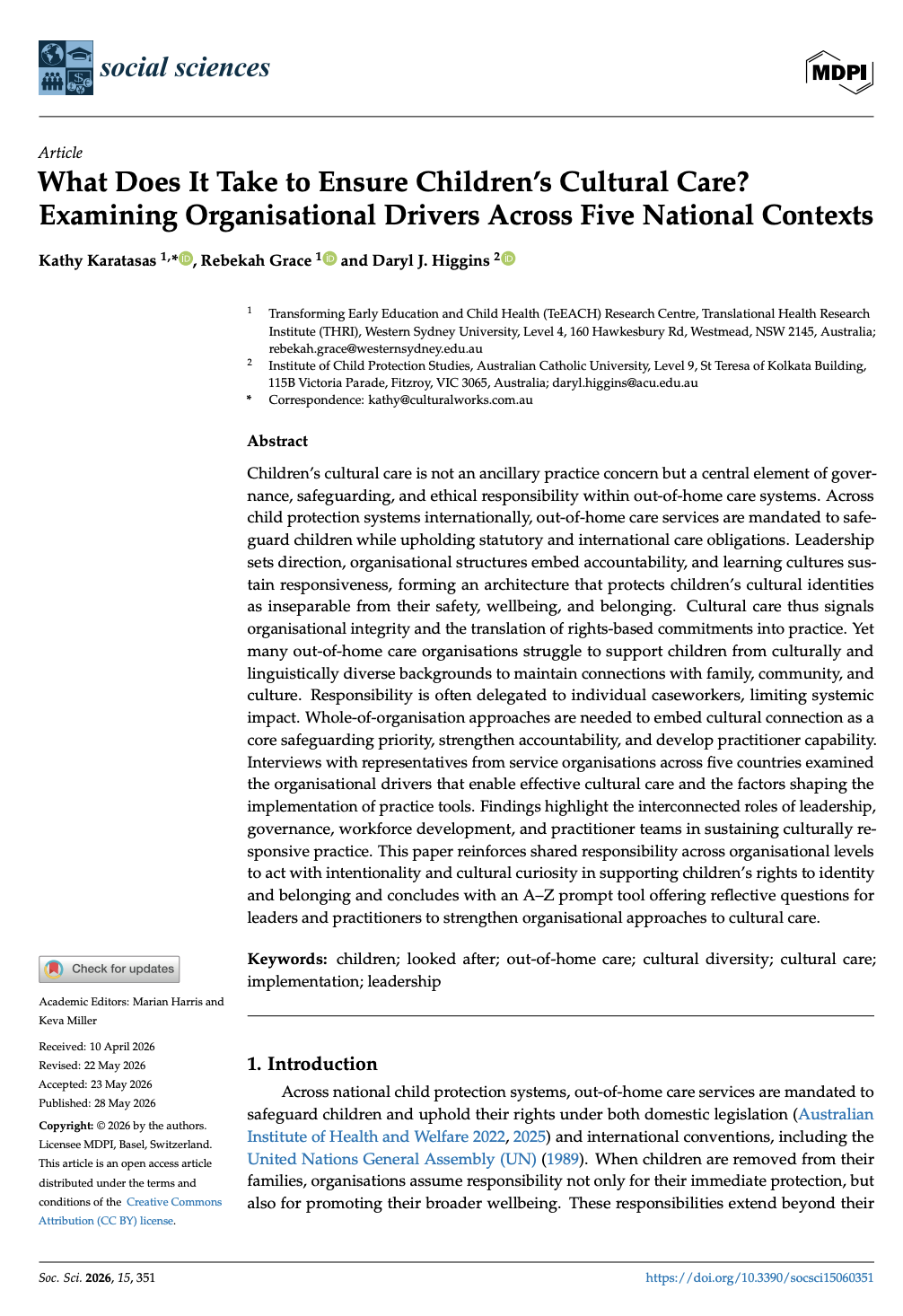
What Does It Take to Ensure Children’s Cultural Care? Examining Organisational Drivers Across Five National Contexts
This article explores how out-of-home care systems across five countries (Australia, Canada, New Zealand, United Kingdom, and the United States) approach cultural care for children, examining the organisational structures, leadership, and practices that support or hinder children’s connections to their culture, family, and community. Drawing on interviews with service providers, it highlights key drivers of effective practice and offers practical tools and insights for strengthening culturally responsive, system-wide approaches to safeguarding children’s identity and wellbeing.
| | | | |
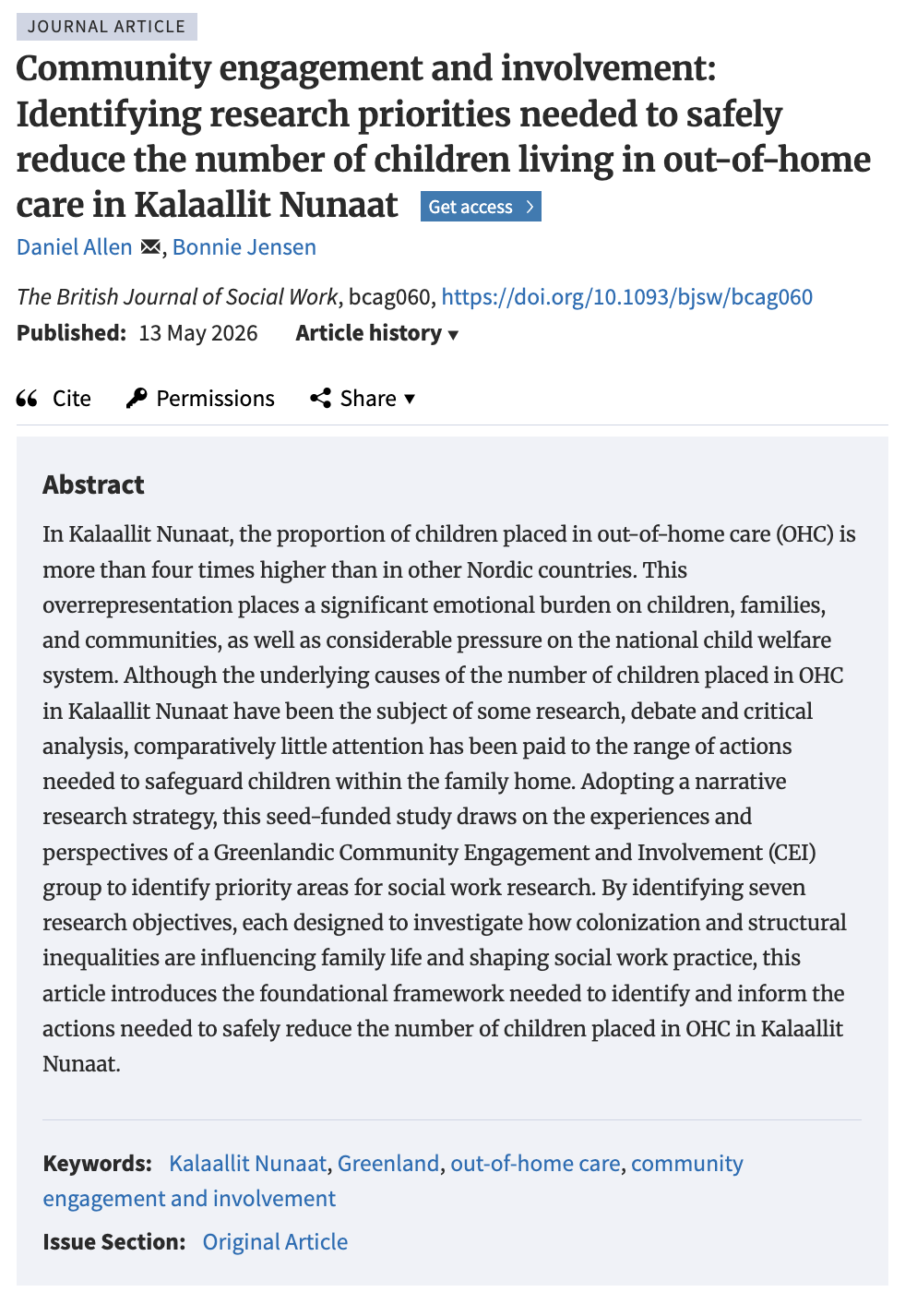
Community Engagement and Involvement: Identifying Research Priorities Needed to Safely Reduce the Number of Children Living in Out-of-Home Care in Kalaallit Nunaat
This study highlights that children in Kalaallit Nunaat (Greenland) are placed in out-of-home care at disproportionately high rates, creating significant strain on families and the child welfare system. Drawing on community perspectives, it identifies key research priorities focused on how colonization and structural inequalities shape family life, providing a framework to inform efforts to safely reduce reliance on out-of-home care.
| | | | |
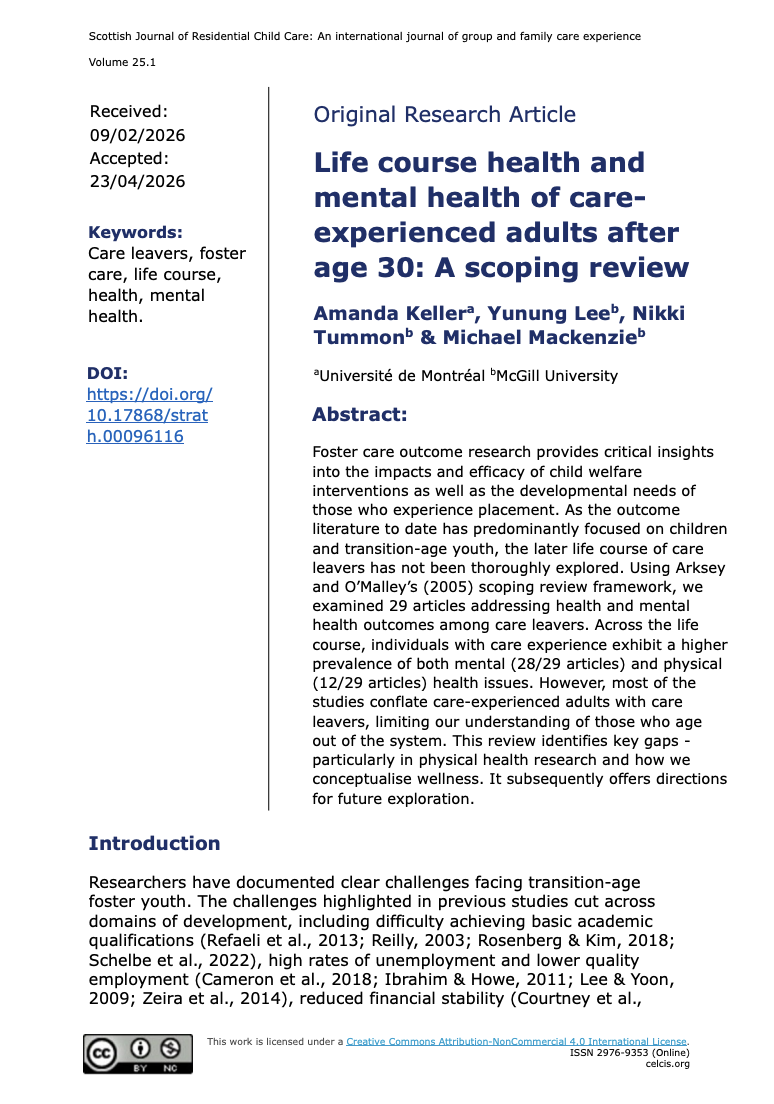
Life Course Health and Mental Health of Care-experienced Adults After Age 30: A Scoping Review
This scoping review of 29 studies, predominantly from high-income countries, finds that individuals with care experience face significantly higher rates of mental and physical health challenges across the life course, though research has largely focused on younger populations. It highlights key gaps, particularly in understanding the long-term physical health outcomes of care leavers and the need for clearer distinctions and broader definitions of wellbeing in future research.
| | | | |
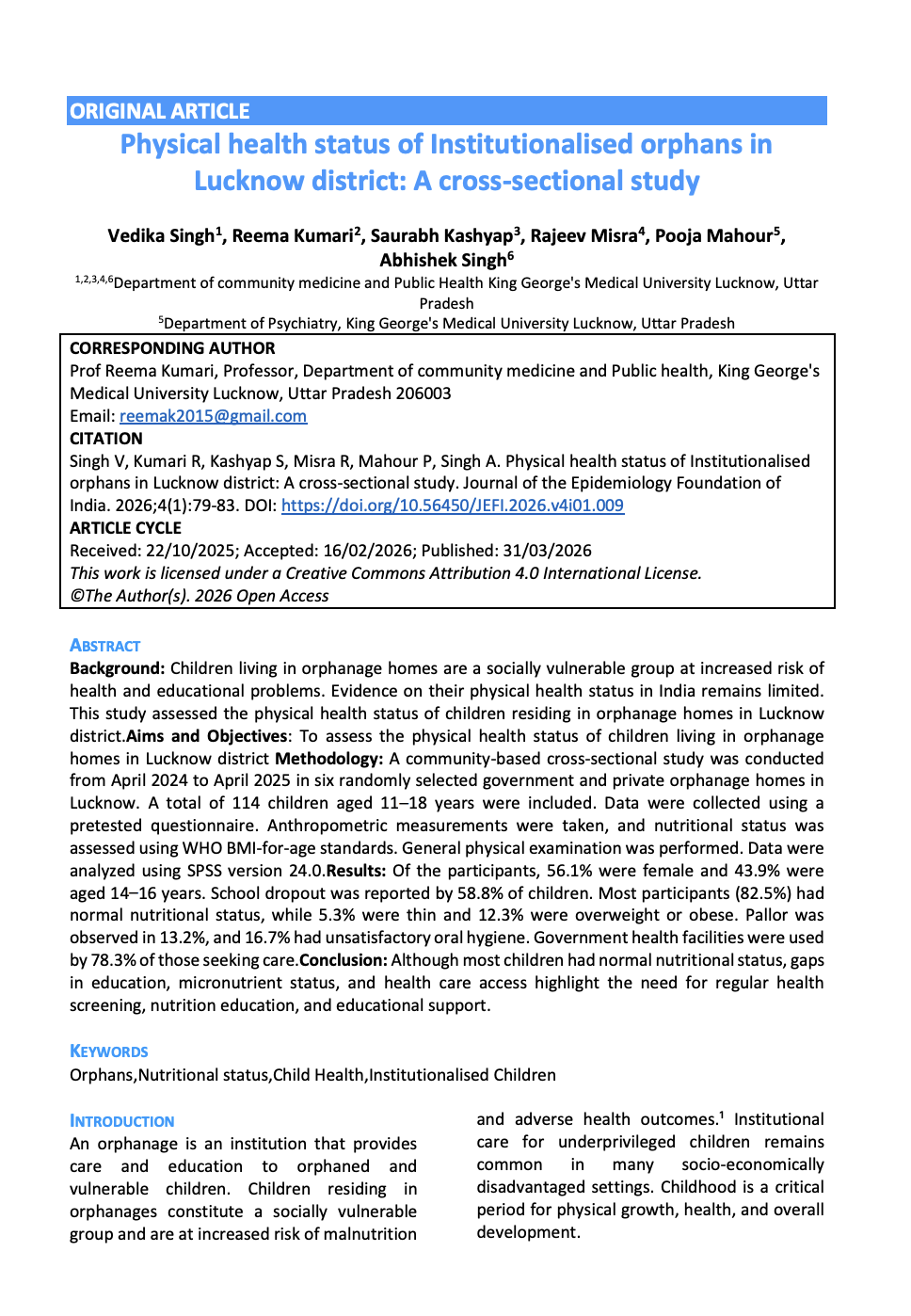
Physical Health Status of Institutionalised Orphans in Lucknow District: A Cross-Sectional Study
This study assessed the physical health status of children residing in orphanage homes in Lucknow district, India. It found while most had normal nutritional status, many faced challenges, including high school dropout rates, signs of micronutrient deficiencies, and poor oral hygiene.
| | | | |
Minority Children in Residential Care: What Do Palestinian-Arab Children Think About Their Well-Being?
This study explores the subjective well-being of Palestinian-Arab children aged 9–13 in residential care in Israel. It focuses on how these children perceive their well-being in terms of their satisfaction with residential care and life in general. It was found that the participants’ satisfaction with their residential care facility was lower than their overall life satisfaction.
| | | | |
Responding to Missing Children in Residential Care: Care Home Staff Perspectives Regarding Challenges and Solutions
This study examines how care home staff and managers in the UK perceive and respond to children going missing from care, identifying key factors such as communication, relationships, and organizational support that influence prevention and response. Findings highlight the importance of trauma-informed, child-centred, and collaborative approaches, while noting barriers like resource constraints and inconsistent practices, and offer recommendations to improve safeguarding and outcomes.
| | Policies, Standards, and Guidance | | | | |
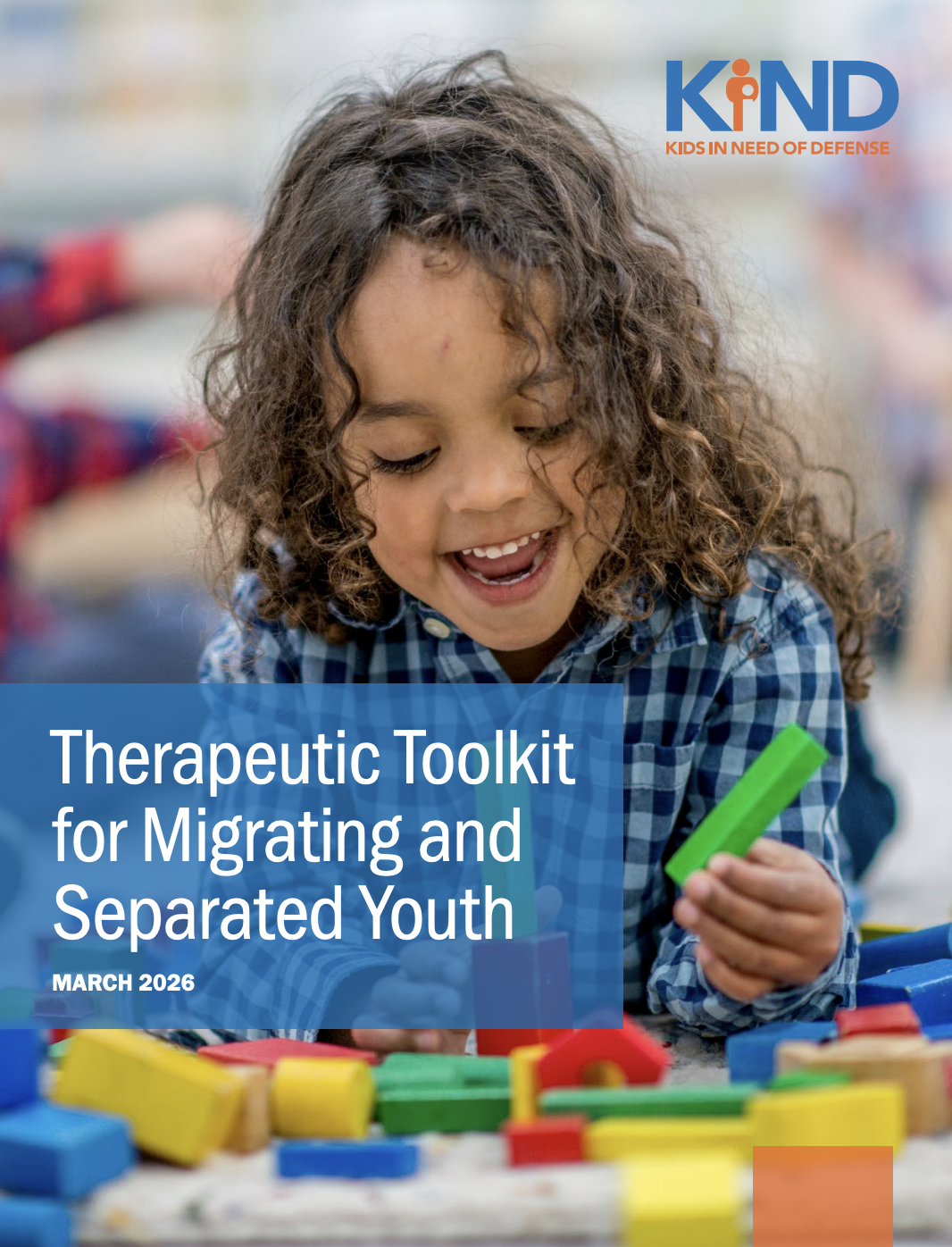
Therapeutic Toolkit for Migrating and Separated Youth
This toolkit provides tools and resources to service providers working with unaccompanied and separated children across various contexts. The toolkit presents research and background on the experiences, needs, and strengths of unaccompanied and separated children, and specific considerations for how service providers may support children’s long-term well-being and resilience while providing needed services.
| | | | |
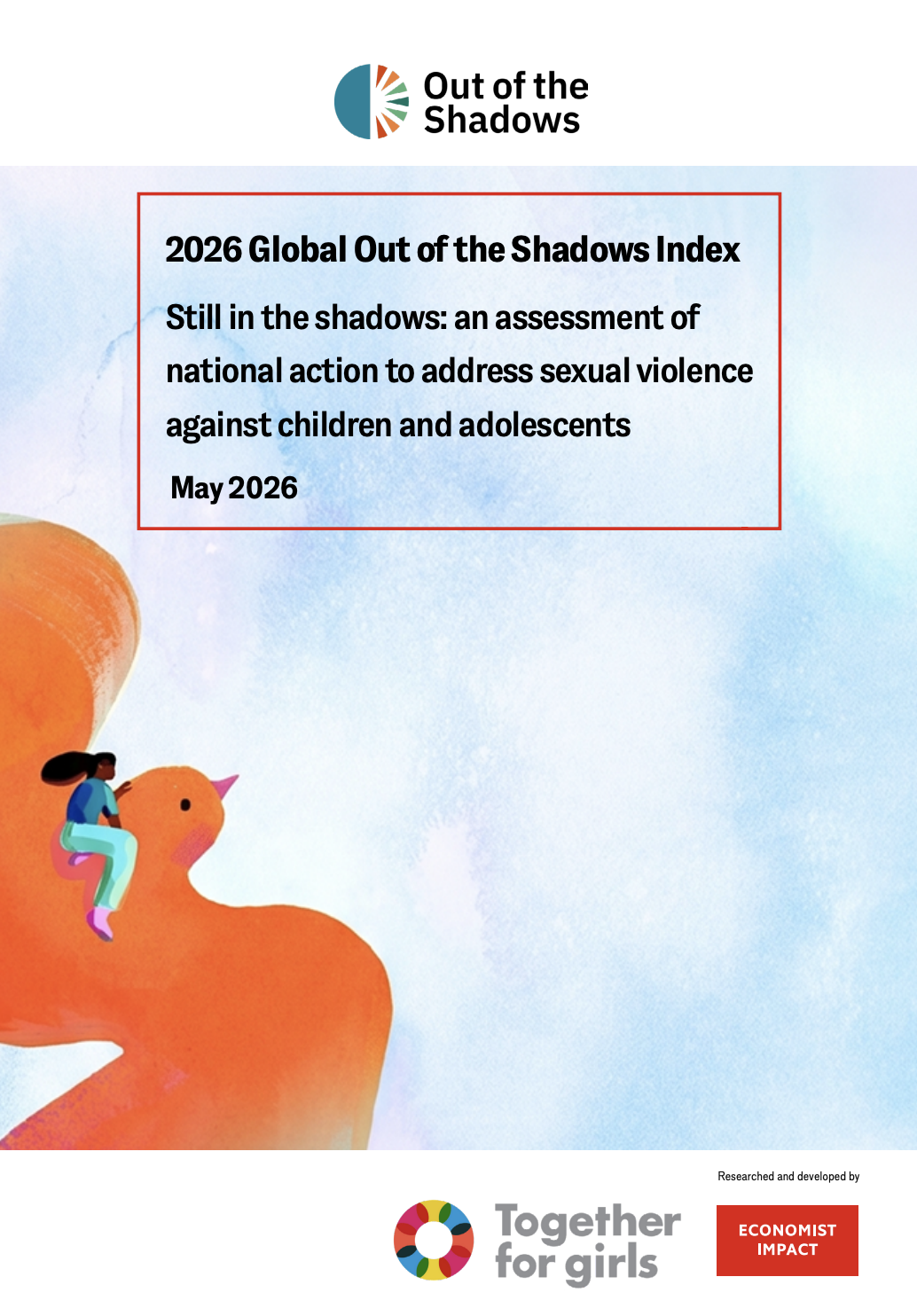
Out of the Shadows Index and Key Findings Report
This Out of the Shadows Index, from Together for Girls, tracks how 60 countries across 6 regions – home to 83% of the world’s children – are preventing and responding to sexual violence against children and adolescents. The Index assesses efforts across 4 pillars: governance & accountability, prevention, healing, and justice.
| | | | |
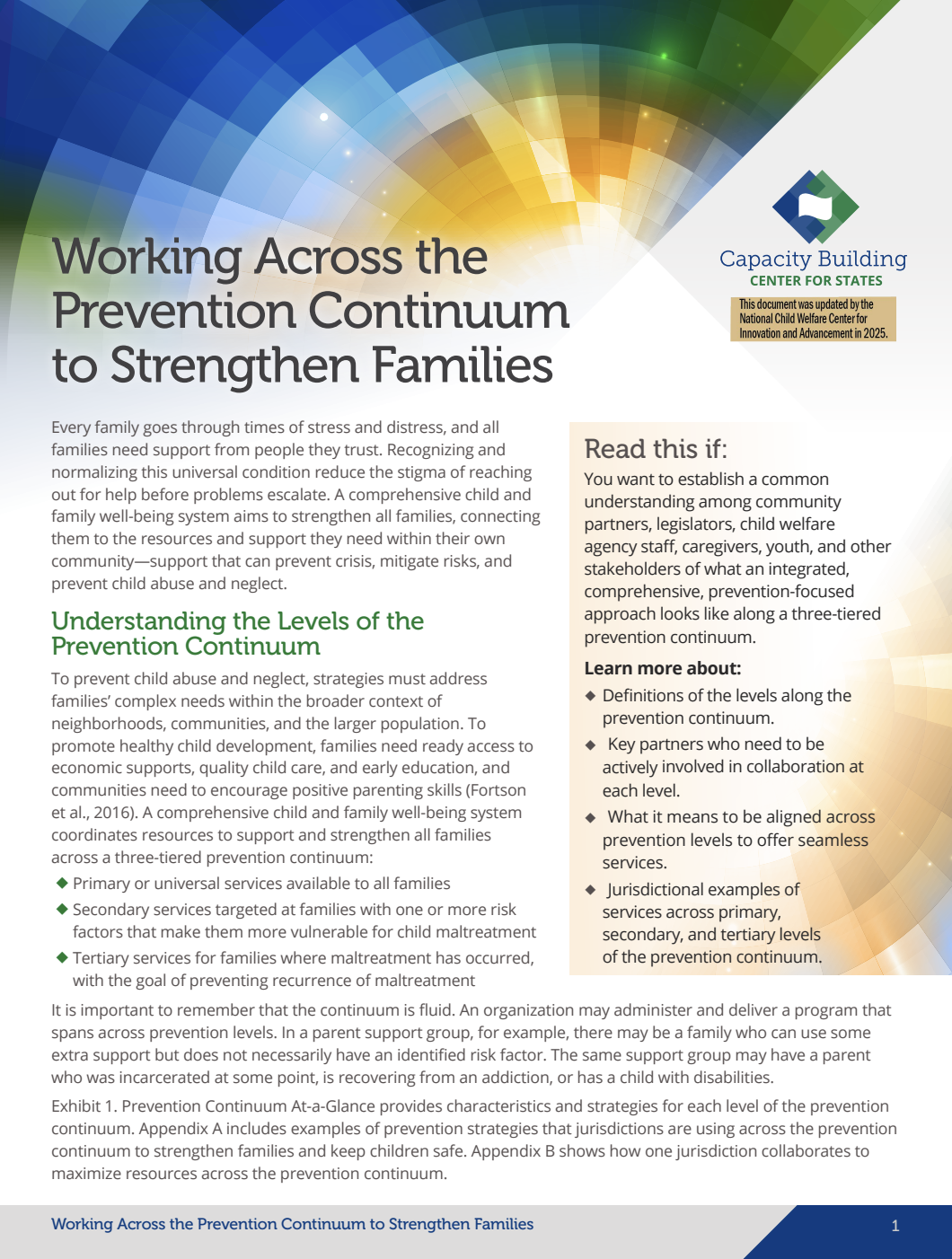
Working Across the Prevention Continuum to Strengthen Families
This brief, from the US National Child Welfare Center, can help child welfare professionals establish a common understanding among community partners, legislators, agency staff, caregivers, youth, and other partners about what an integrated, comprehensive, prevention-focused approach looks like along a three-tiered prevention continuum.
| | | | |
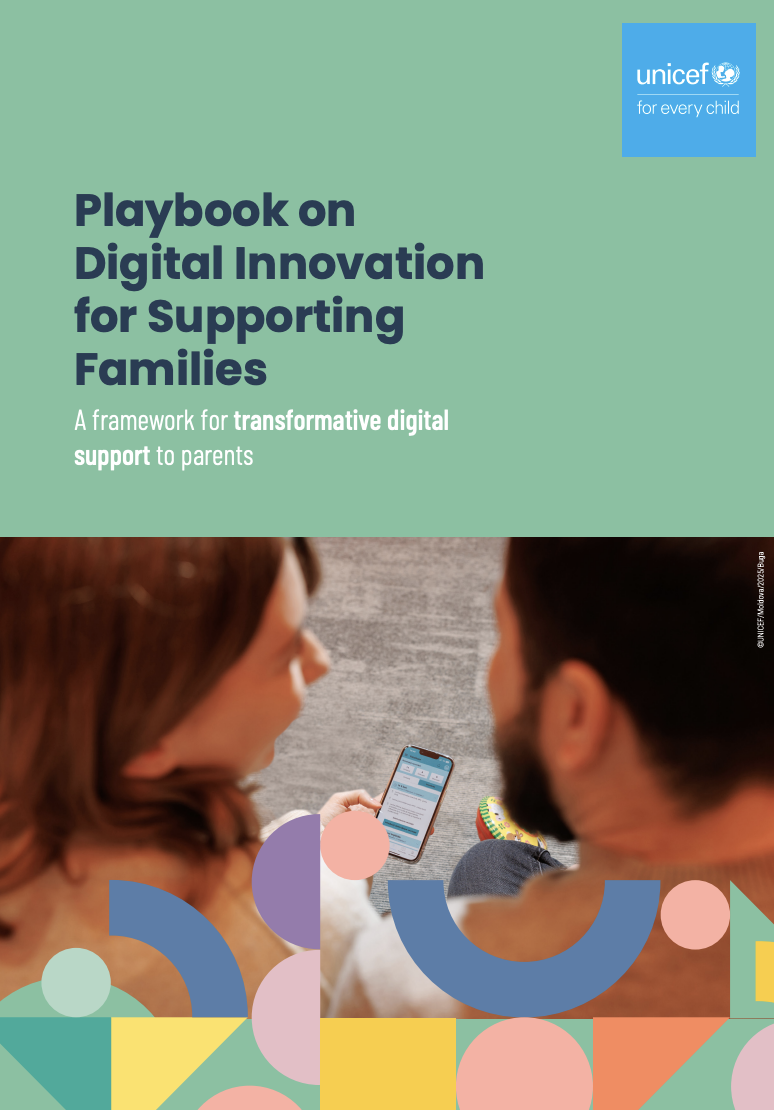
Playbook on Digital Innovation for Supporting Families
From trusted information and peer support to access to services and emerging AI-enabled tools, digital innovation is reshaping how families seek support, connect with communities, and navigate everyday challenges. This playbook is a practical framework developed by a Digital Expert Group to help governments, practitioners, innovators, and partners design more human-centered, equitable, and scalable digital support ecosystems for families.
| | | | |
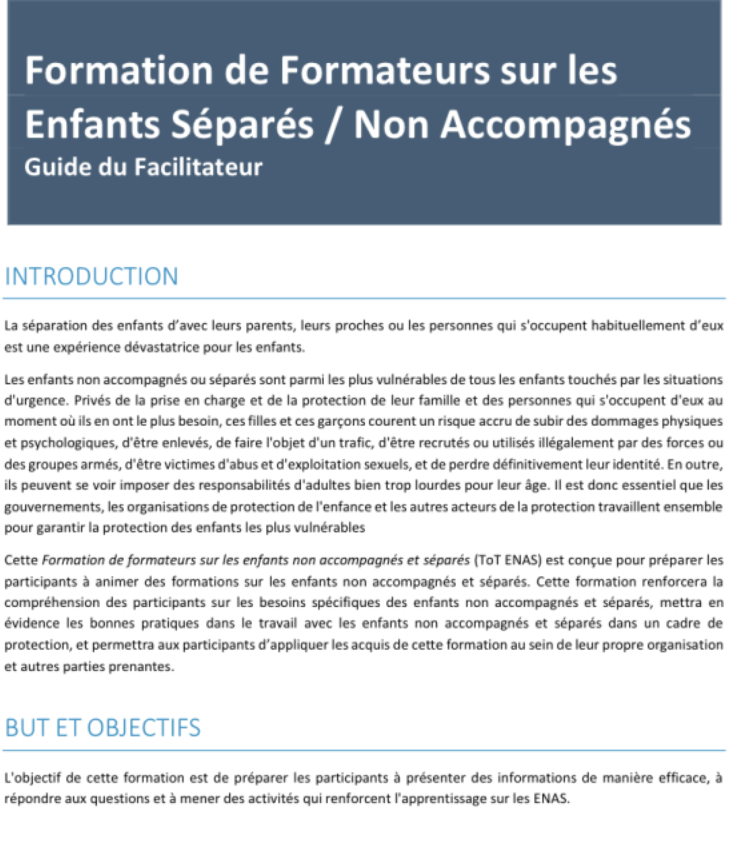
Training of Trainers | Unaccompanied and Separated Children French and Spanish Versions
The Unaccompanied and Separated Children Training of Trainers (UASC TOT) course is designed to prepare participants to facilitate training on unaccompanied and separated children (UASC). This training reinforces participants’ understanding of the specific needs of UASC, highlight good practice in working with unaccompanied and separated children under a protection framework. The course released in 2023 is now available in French and Spanish.
| | | | |
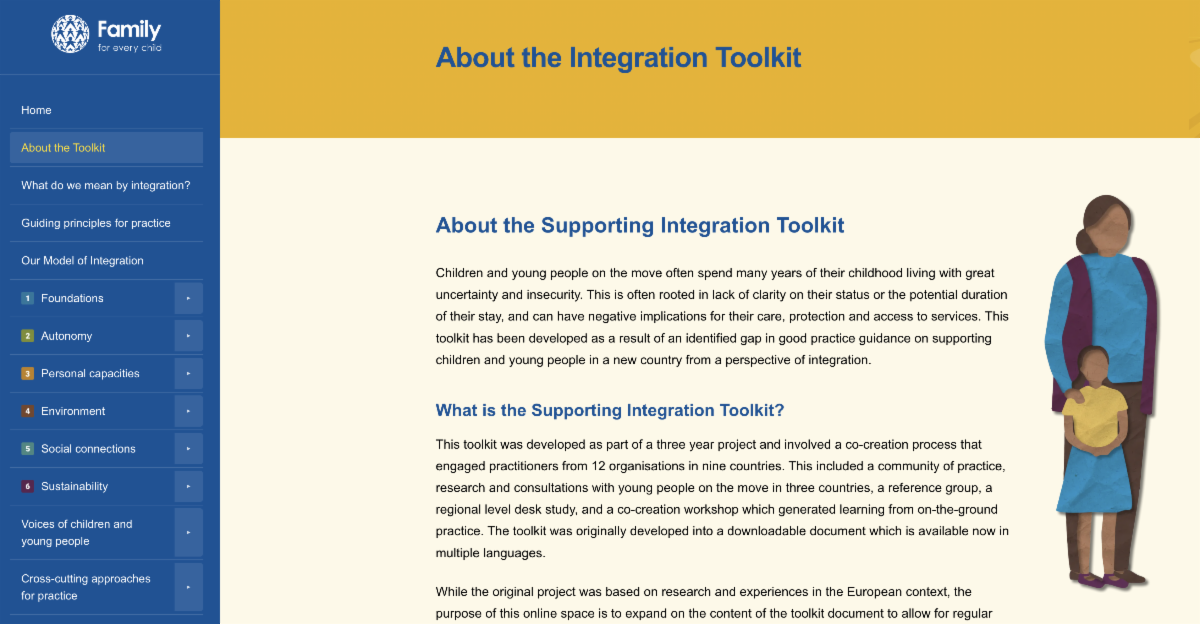
Supporting Integration: A Toolkit for Practitioners
This toolkit from Family for Every Child aims to support practitioners to enhance integration support and services for migrant children, helping to ensure that children and young people are provided with support and protection that fosters their development and well-being in a way that is equal and equitable to the way that the development and well-being of children that are citizens of the country are fostered.
| | | | |
Arts-Based Trauma-Informed Interventions and Psychological Well-being of Institutionalized Children: A Longitudinal Study from India
The Vanam Vasapadum initiative evaluated an arts-based, trauma-informed social-emotional learning program for children in institutional care in Tamil Nadu, India finding significant improvements in self-esteem and psychological well-being over three years. Both quantitative and qualitative results highlight that creative, holistic interventions can enhance emotional regulation, resilience, and social skills among vulnerable adolescents, suggesting strong potential for broader mental health promotion.
| | | | |
Effectiveness of a Blended In-person and Online Parenting Programme in Reducing Violence Against Children in Rural Thailand: A Cluster Randomised Controlled Trial
This randomized trial in Thailand evaluated a blended parenting programme combining in-person sessions and messaging support, finding no reduction in child maltreatment at one-month follow-up. Results suggest the need to refine programme design and target higher-risk families, as well as assess longer-term impacts to better understand effectiveness.
| | | | |
Child Protection Humanitarian Coordination 2006-2025
This report documents the history and achievements of the Child Protection Area of Responsibility (CP AoR) from its origin in 2005 up to its consolidation with the integrated Protection Cluster at the end of 2025. Over two decades, the CP AoR (and previously the Child Protection Working Group (CPWG)) has strengthened the quality, visibility, and coherence of child protection in humanitarian action – supporting child protection coordination groups and child protection practitioners worldwide.
| | | | |
Capitalization of the Pilot Programme for Specialized Foster Families in Burkina Faso
ISS and ISS West Africa, in collaboration with the child protection authorities of Burkina Faso, have been implementing since 2018 a pilot programme of specialised foster families for children living with disabilities. After six years of implementation, ISS has undertaken a capitalisation process to analyse and document this pilot experience and identify the main lessons learned, with a view to strengthening and potentially scaling up the project at a national level. This resource is available in French.
| | | | |
Meeting Fundamental Needs of Street Children in Resource-Limited Settings: A Pragmatic Evaluation of NGO Interventions in Geita, Tanzania
This study evaluates how NGOs in Geita, Tanzania support street children, finding that while basic needs like food, shelter, and healthcare are prioritized, education and psychosocial services are often overlooked. It highlights funding constraints and coordination gaps as key challenges, calling for standardized service packages and more sustainable, rights-based approaches to improve long-term outcomes.
| | | | |
The Efficacy of Community-based Intervention Strategies on Improving the Social Development of Child-headed Households in Zimbabwe: A case of Epworth community
This article examines the growing prevalence of child-headed households in Zimbabwe, exploring the challenges these children face and the effectiveness of community-based interventions in supporting their wellbeing. It highlights the role of families, community networks, and social services in mitigating risks and proposes a holistic, community-driven model to strengthen resilience and improve outcomes for vulnerable children.
| | | | |
Final Report: Examining the Impact of Evidence-Based Decision-Making Professional Development for Human Services Leaders in the Child Welfare Sector
This report examines the impact of Evidence-Based Decision-Making (EBDM) Professional Development on leaders in child welfare in Australia. Findings reveal that specialized training builds critical management skills, fosters organizational cultures that rely on empirical data, and directly improves decision outcomes for vulnerable children and families.
| | | | |
God’s Heart for Child Protection and Safeguarding
Exploring the biblical and theological basis for child protection and safeguarding, this book raises awareness of the often-ignored reality of child abuse in churches and Christian organisations. Addressing issues such as gender-based violence, child trafficking, online sexual exploitation, child marriage, domestic and family violence, fostering and adoption, inclusion care for disabilities and special needs, amongst others, the authors offer practical tools developed from lived experiences.
| | | | |
An Overview of the 2026 Annual Meeting for Child Protection in Humanitarian Action
From the 9th to the 11th of June 2026, 975 participants from across the globe came together for the 2026 Annual Meeting for Child Protection in Humanitarian Action, hosted by the Alliance for Child Protection in Humanitarian Action. This report provides an overview of the meeting.
| | | | |
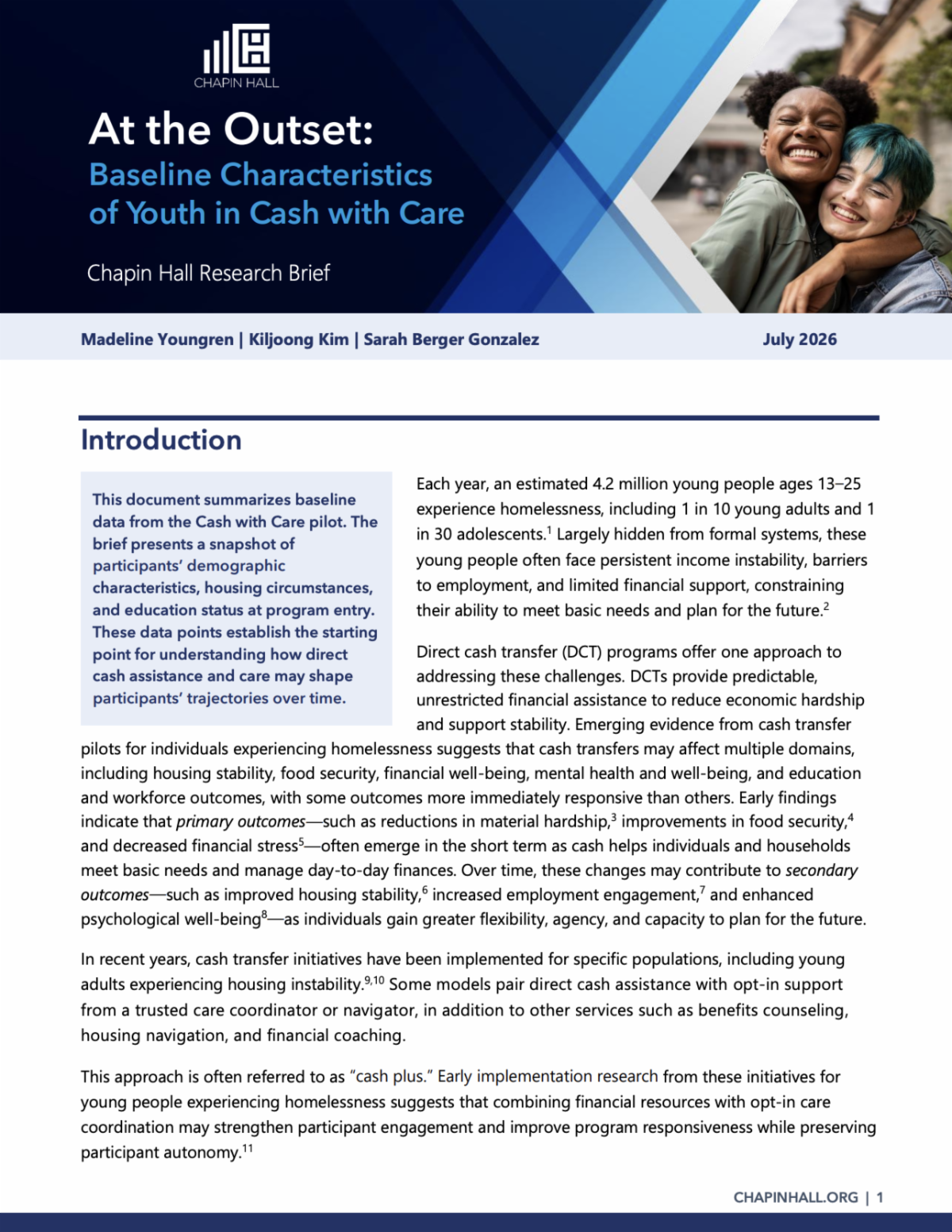
Baseline Characteristics of Youth in NYC Cash with Care Pilot
Chapin Hall is conducting a mixed-methods, longitudinal evaluation of the Cash with Care pilot, a 12-month direct cash pilot implemented by Covenant House New York. This document summarizes baseline data from the pilot. These data points establish the starting point for understanding how direct cash assistance and care may shape participants’ trajectories over time.
| | | | |
We would love to learn more about your work as a practitioner so that your local, national and/or regional lessons and experiences in the field can be shared with other practitioners.
| | | | |
Webinar Recording: Collecting Data on Child Protection Violations: Violence against children in MICS
The Collecting Data on Child Protection Violations in the Multiple Indicator Cluster Survey (MICS) Programme - Webinar Series aims to increase awareness and strengthen knowledge of the availability and scope of child protection data collected through MICS and promote use of data for evidence-based programming, policy development and advocacy.
This is the third webinar in the series focused on Violence against Children in MICS.
See also:
| | | | |
Webinar Recording: Parent and Caregiver Support in the Second Global Ministerial Conference to End Violence Against Children
This webinar, hosted by ECDAN, explored how parent and caregiver support can be positioned at the heart of this agenda. Building on the momentum from Bogotá, the session focused on how partners working at the country level can support strong government pledges for the Second Ministerial Conference — including strengthening existing commitments, pledging new commitments, and increasing financing for parenting support.
| | 6 July to 21 December 2026 | | | |
Newsletter participants, currently 3,375 in total, work on issues related to the care and support of vulnerable children across Europe, Africa, the Middle East, Asia and the Americas. The purpose of the newsletter is to enable members to exchange information on matters of mutual concern. If you would like to share a document, raise a specific issue, request a newsletter subscription, or reach out in any other way to the Network, please send the information to us at contact@bettercarenetwork.org or visit our website at www.bettercarenetwork.org.
Thank you!
| | | | |