This month, we are acknowledging National Reunification Month and Pride Month. Please read on to learn about our latest resources and news, as well as other resources and news from around the field. | | Join Us for Our Upcoming Virtual Events! | | |
Webinar – Strategies for Using Data to Prioritize Kinship Care
2:00 p.m. – 3:30 p.m. ET
In keeping with our practice, the webinar will be one hour, followed immediately by an open Q&A session that will last for half an hour.
This webinar is designed to support child welfare practitioners in using data to prioritize kinship care. Network Subject Matter Experts Noah Duncan and Jack Tait, both of Foster Insights, will draw on their experience with states across the country to discuss first steps for collecting and understanding kinship data, as well as using data to engage kin caregivers. Plan on leaving this session empowered to implement practical data strategies in your own agency.
| | |
Webinar – The Role of Child Welfare Agencies in Kin-Specific Licensing and Supports
1:00 p.m. – 2:30 p.m.
In keeping with our practice, the webinar will be one hour, followed immediately by an open Q&A session that will last for half an hour.
Child welfare has seen incredible adoption of the kin-specific model licensing standards nationwide, with enthusiastic support. But this shift to kin-specific licensing has left some private agencies wondering about their role in a kin-first culture. Join Network Subject Matter Expert Marina Nitze for a panel discussion with private agencies that have successfully navigated this shift. They will share their experiences, vision, and advice for supporting kin. At this webinar, we’ll also launch a practical resource that captures some of these promising practices for implementation by your agency.
| | |
Office Hours – Federal Nutrition Programs & Kinship/Grandfamilies Series: School Meal Programs
2:00 p.m. – 2:45 p.m.
Erin Hysom, Senior Child Nutrition Policy Analyst at the Food Research & Action Center (the Network’s subject matter expert organization for nutrition), will provide information on the School Breakfast Program and the National School Lunch Program. She’ll discuss access to free, healthy school meals for students in grandfamilies and kinship families, and policies to make it easier to access school meals. Bring your questions!
| | |
Kinship news, resources, and events are available throughout the month, not just in our monthly newsletter. Follow our LinkedIn page to keep up with the latest kinship news between monthly issues of this newsletter.
| | What's New From the Network? | |
Funding Kinship Services: Risk and Status Dashboard for Federal Funding Sources
This document is an addition to one of our existing resources, Funding Kinship Services: A Primer on Federal Funding Sources, which we published in 2024. Each funding source in the primer could be amended or discontinued based on legislative or administrative actions. The dashboard is designed to help readers understand how these funding sources may be affected by current and future federal actions. The dashboard offers our current estimate of risk for each funding source based on ongoing federal activity, using three ratings: safe, some risk, and at risk. It is intended as a resource for those who may not otherwise be tracking these developments, and we will update it as the landscape changes.
| | |
We have valued a series of opportunities to collaborate with the American Public Human Services Association and Amy Drapcho of Northwoods. Generations United Executive Director Kristen Kiefer participated in a webinar that Amy moderated, then Kristen and Grandfamilies & Kinship Support Network Director Ana Beltran contributed to a blog post, and – most recently – Ana was quoted in an article that Amy wrote. Check out our LinkedIn post on this fruitful collaboration for links to all of these resources, and we encourage you to react or comment on LinkedIn to keep the conversation going! | | |
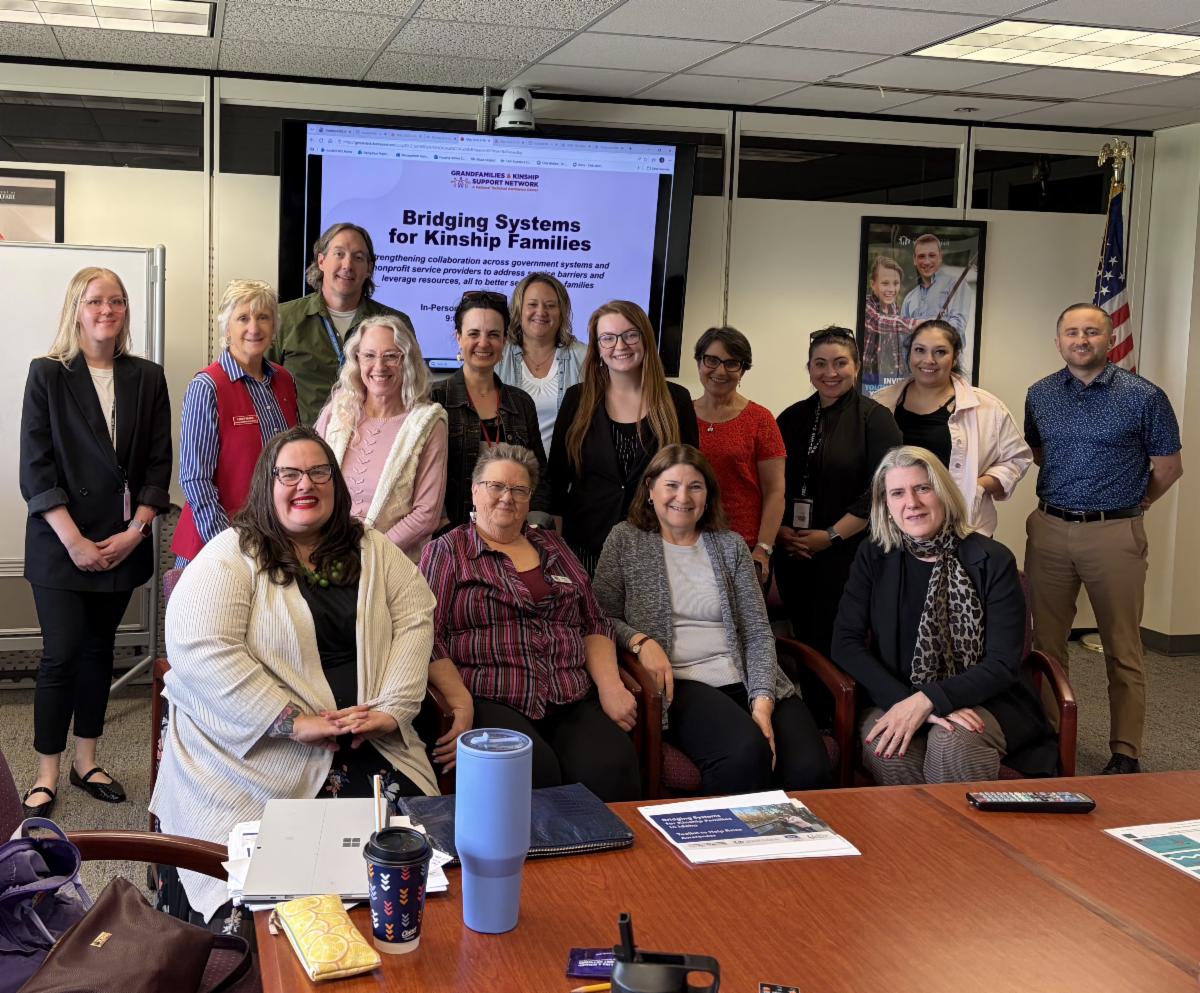
This month, we are shining our spotlight on our Bridging Systems for Kinship Families initiative. For Bridging Systems, we used competitive application processes to select one state, one county, and one Tribe for intensive, holistic technical assistance. The idea was to help each jurisdiction break down silos and strengthen collaboration between multiple government agencies and nonprofit organizations, all to improve supports for kinship families. As we end this two-year project, our partners at Child Trends are preparing a replication toolkit, including both tips and templates, so that communities around the country can implement this important work.
In all three jurisdictions, the work began by bringing lived experts and representatives from government agencies and community-based organizations together to develop goals and map existing services and supports. Once we collectively understood the landscape, we leveraged existing resources and addressed gaps to maximize services for kinship families. Here’s a snapshot of what the collaborative teams have accomplished in each of the three jurisdictions we’ve been supporting:
| |
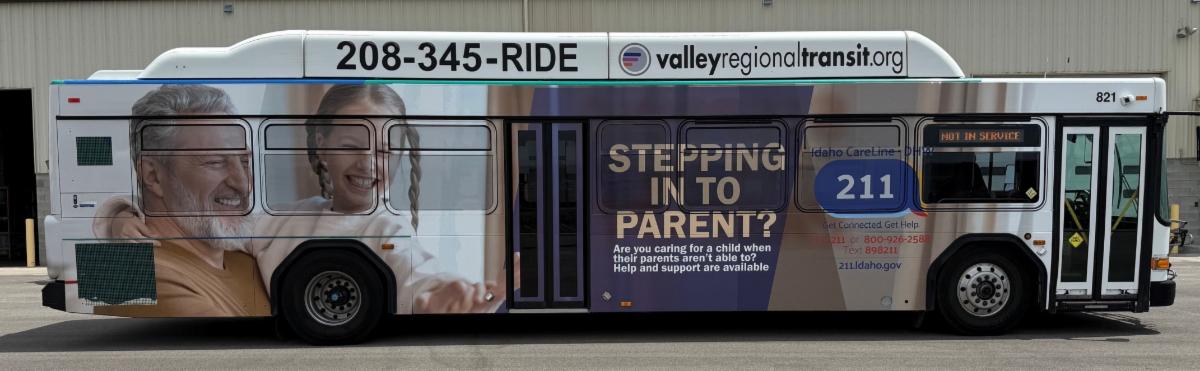
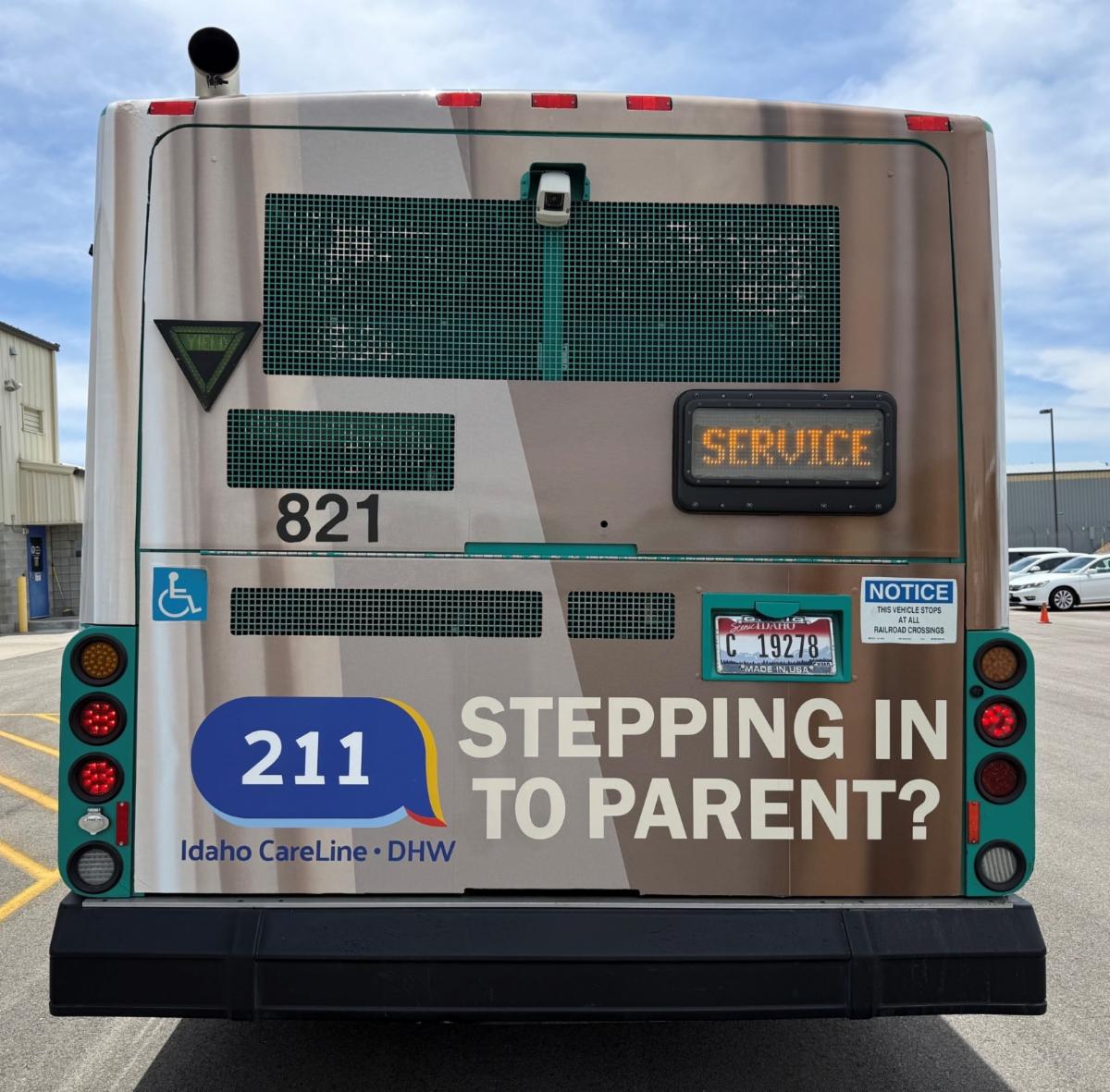
In Idaho, we conducted focus groups and created a single point of entry for kinship families through 211; updated information about legal options and supports for kin caregivers, with the guidance of kin caregivers themselves; created awareness-raising materials, including a video that will be adapted and shared through public television; and developed training materials for service providers so that balanced, accurate information can be easily shared with families. And, we’ve set the stage for the creation of the nation’s first multisector plan on kinship, to be developed under the leadership of the Idaho Caregiver Alliance.
| | Idaho also developed kinship bus wraps to help raise community awareness | | |
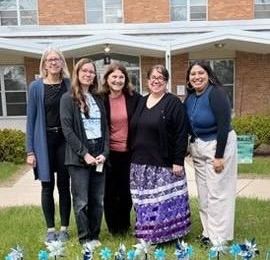
In the Oneida Nation of Wisconsin, our partners at the National Indian Child Welfare Association have helped the Tribe convene their agencies for Behavioral Health, Child Support, Cultural Heritage, Economic Support, Family Services, and Legislative Reference, along with lived experts and the school system, to bring about systems change for kinship families. They conducted focus groups; created a successful support group, which will now be expanding; and implemented a more coordinated, seamless, no-wrong-door system that places families at the center of services and surrounds them with support, regardless of where or how they first encounter government agencies.
| | |
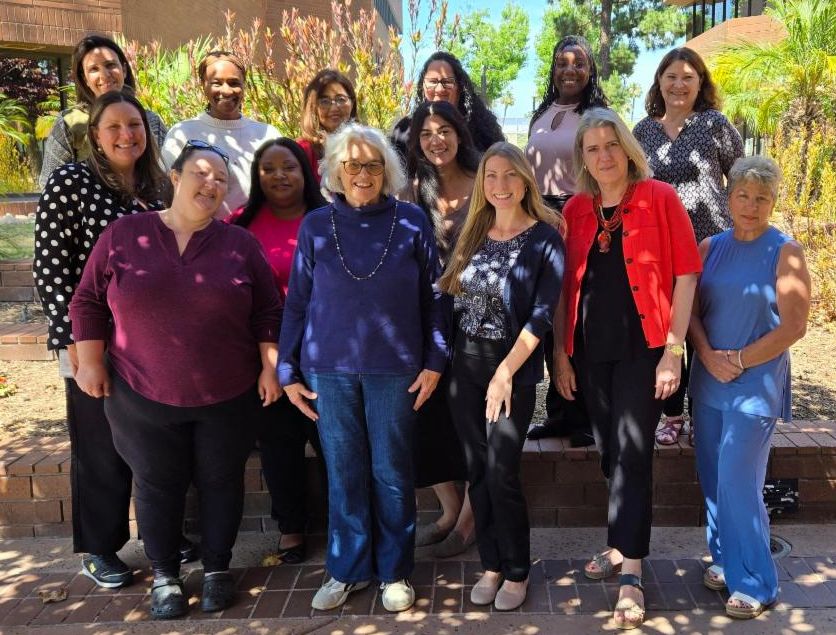
In San Diego, we worked together to get clarity on caregivers’ needs from focus groups, streamlined the county’s website, and clearly linked the county’s website to the longstanding kinship navigator program at the YMCA, all to give kinship families a single point of entry on their caregiving journey. We also collaborated with caregivers to create a short “road map” for kin caregivers, with starting points to guide them to the various supports that are available. Through support groups, schools, the YMCA, and health care offices, we are getting this road map into more hands. The San Diego road map inspired a similar document for Idaho, and a road map template will be one of the features of the upcoming replication toolkit.
| | To make an individual request, please complete this form and we will get in touch. | | |
“For a national organization, the support feels surprisingly personal.”
- Erin Martin, Manager, Mission West Virginia’s Kinship Navigator Program
| | Presentations by the Network | | |
Our partners at USAging will be holding the Answers on Aging Conference and Tradeshow in San Diego from Saturday, July 18 through Thursday, July 21. Registration is still open. Generations United Executive Director Kristen Kiefer was honored to accept an invitation to speak at a half-day pre-conference intensive on Saturday, “Caregiving Summit: From Federal Initiatives to Local Innovations,” where she will elevate kin caregivers as part of the wider community of family caregivers. On Sunday, July 19, Ana is looking forward to presenting a workshop, entitled “The Aging Network’s Support of Kinship Families: No-Cost Tips for Starting or Enhancing Services,” with USAging’s Leland Kiang and Lina Nasr of the County of San Diego Health and Human Services Agency, Aging & Independence Services.
| | What's New Around the Network? | | Upcoming Webinars and Opportunities | |
Notable Funding Opportunities
(listed in order of application deadline)
| | | |
The federal Phase 2 Produce Prescription Pilot Program supports Tribes, Tribal organizations, and urban Indian organizations in implementing produce prescription models that increase access to nutritious and community-relevant foods and promote whole-person health and well-being. The application deadline is Monday, June 22.
The federal Rural Health and Safety Education (RHSE) Competitive Grants Program provides funding for community-based outreach education and extension programs at land-grant colleges and universities that provide individuals and families based in rural areas with education and information on health, wellness, and substance use prevention. The application deadline is Tuesday, June 23.
Bank of America Charitable Foundation is accepting applications for its Stable Housing and Empowering Communities grants. The application deadline is Monday, June 29.
The “A Home for Every Child” Innovation Challenge is accepting registration until Tuesday, June 30.
The Administration for Children and Families in the U.S. Department of Health and Human Services is offering Predictive Analytics in Child Welfare Demonstration Grants. The application deadline is Monday, July 13.
The National Alliance for Children’s Grief is accepting applications to its Grief Reach Grants program. Grants are available for capacity building and for community education. The application deadline is Monday, July 13, at 6 p.m. ET.
The Indigenous Tomorrows Fund (ITF) is accepting applications in the areas of maintaining the life cycle of balance, intergenerational knowledge & relationships, healing, nurturing that which nourishes us, and building power & activating abundance. There will be an applicant information session on Monday, June 22 at 2 p.m. ET. The application deadline is Tuesday, July 14.
| | |
|
On May 29, 2026, the Office of Management and Budget (OMB) published a proposed rule that, if finalized, would significantly change how federal grant dollars are awarded and managed across the entire federal government. The proposal has received relatively limited public attention outside of legal and policy circles, but its potential implications for organizations serving kinship families are substantial. In this exclusive piece, Network Subject Matter Expert Steven Olender explains the proposed rule and what it could mean for kinship-serving organizations.
June 10, 2026
The Children’s Bureau, within the U.S. Department of Health and Human Services, has amended the answer to Question 6 in section 8.5B of the Child Welfare Policy Manual. The question and answer concern what counts as a “consecutive month” for the purpose of determining eligibility for title IV-E kinship guardianship assistance payments. Since 2011, this answer has provided that a single day in a month of meeting licensing requirements can count as a full month for purposes of determining a “consecutive month.” The update clarifies that up to 60 days of waiting for the actual license, after licensing requirements are met, can count as part of that six months and the same one day can equal one month applies during this 60-day period. Click here to access and share the infographic that Think of Us created to explain this update.
PBS News Hour, June 9, 2026
This eight-minute clip features interviews with Adam Otto, who was raised by his grandparents in West Virginia, and former Generations United Executive Director Donna Butts, who has just published a book on grandfamilies. The book is called Grandfamilies: Stories of Children and the Loving Relatives Who Raise Them, and it is available for purchase now. All proceeds benefit Generations United and our mission to improve the lives of children, youth, and older adults.
June 9, 2026
The Administration for Children and Families (ACF), within the U.S. Department of Health and Human Services, has announced three additions to the Title IV-E Prevention Services Clearinghouse. The Ohio Kinship and Adoption Navigator (OhioKAN) is one of the new additions. OhioKAN earned a “supported” rating, meaning that the program can be federally reimbursed on an ongoing basis for 50 percent of its expenses. Other jurisdictions that follow this model with fidelity can also obtain title IV-E reimbursement. OhioKAN provides another model that can be identified in an application for the replication grant mentioned above. In addition to that competitive grant opportunity, jurisdictions that choose to follow this model with fidelity can obtain title IV-E reimbursement if they follow the process identified in our kinship navigator toolkit.
May 27, 2026
The Children’s Bureau, within the U.S. Department of Health and Human Services, has established a new Tribal Cross-Functional Team (TCFT) to strengthen coordination, consistency, and alignment across the Bureau’s Tribal-facing work.
Policy & Practice: The Magazine of the American Public Human Services Association, Spring 2026
This article, written by Amy Drapcho, includes strengthening kinship capacity as one of its five highlighted strategies. The section on kinship quotes Network Director Ana Beltran.
|
| |
Please follow the Grandfamilies & Kinship Support Network on LinkedIn here! |
|  |
All of our previous newsletters are linked on our website, so you can access them anytime. |
| Did you receive this newsletter as a forwarded email? You can sign up to get it in your inbox every month! | | |
The Grandfamilies & Kinship Support Network is the only national technical assistance center for those who serve grandfamilies and kinship families. It was created to help guide lasting, systemic reforms. The Network is a new way to collaborate, to work across jurisdictional and systemic boundaries, to eliminate silos, and to help one another and be helped in return. Thank you for being part of it.
We'd love to hear from you! Please send any feedback on this newsletter to mweiss@gu.org.
| | |
The Network is supported by the Administration for Community Living (ACL), U.S. Department of Health and Human Services (HHS) as part of a financial assistance award totaling $9,950,000 with 95 percentage funded by ACL/HHS and $523,684 and 5 percentage funded by non-government sources. The contents are those of the authors and do not necessarily represent the official views of, nor an endorsement, by ACL/HHS, or the U.S. Government.
|
| | | |