Science-based solutions for healthy and resilient communities, food systems, and environments. | | Agricultural Advice from UCCE Advisors | |
Spring 2026 Edition Now Available
Topics in this issue:
- California converted its irrigation to save water. So why is the energy bill going up?
- Silent Invaders: The beetles that could threaten California’s avocado empire
- Avocado branch canker: what growers need to know and what we are learning
- Hydrogel baits offer targeted tool for earwig management in citrus, with broader IPM implications
- California and its creatures: research on bat diet in agriculture for sustainable pest control
- Surveys and upcoming workshops:
- UC ANR Asian Citrus Psyllid website survey
- Laurel wilt - Ambrosia beetle grower workshop June 11 (virtual)
- California Avocado Society: Weed Management Workshop June 9, Escondido, CA
| |
2026 California Invasive Species Action Week
Lunchtime Webinar Series
Invasive species are non-native species that arrive in a new area, spread rapidly without their native predators and pests, and cause environmental or economic harm, or harm to human health. We bring you presentations from scientists and managers about invasive species threatening California's ecosystems. Hear from the experts, and discuss the issues!
Webinars start at noon. Continuing Education Units are NOT provided.
2026 program
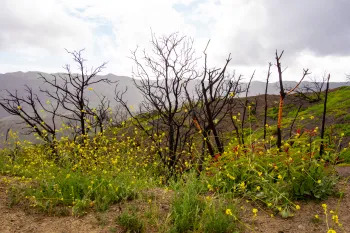
- June 8: Weeds and Fire: A Dysfunctional Relationship in the Santa Monica Mountains
- June 9: Tiny Flies, Big Threat: California’s Battle Against Invasive Fruit Flies
- June 10: The Bird That Took Over the Neighborhood
- June 11: California’s Marine Invasive Species Program: 25+ years of comprehensive pathway management
- June 12: Weeds on the Move: Invasive Plants in California
| |
New online course from UC ANR offers wildfire recovery guidance for forest landowners
This FREE online, self-paced course walks you through the key post-fire forestry concepts that support long-term forest health after a fire. By the end of the course, you will be able to evaluate site conditions, set management goals, and choose strategies to restore and manage your forest.
This course is created by UC Cooperative Extension's Post-Fire Resilience Program and reflects current best practices in post-fire management.
| |
What you'll learn
- Assess key post-fire management concerns, including post-fire safety hazards, erosion risks, reforestation needs, competing vegetation, and available assistance programs.
- Develop clear post-fire forest management goals, priorities and objectives for your property.
- Explain the ecological role of fire and its effects on forest health and resilience.
- Identify local resources, including foresters and conservation agencies, that can support your forest stewardship efforts.
Who is this course for?
This course is designed for California landowners affected by wildfire or anyone who wants to learn more about post-wildfire forest management.
- Private landowners
- Agency or non-profit staff
- Tribal members
- Anyone who wants to learn more about post-wildfire forestry
The Post-Fire Course Team
- Jordan Mesias, Instructional Designer
- Katie Reidy, Post-Fire Forest Resilience Stewardship Coordinator
- Susie Kocher, Forest Advisor - Central Sierra, Registered Professional Forester
| | UCCE Community Education Programs | | | | UC Master Gardener Program | | | | UC Master Food Preserver Program | | | | |
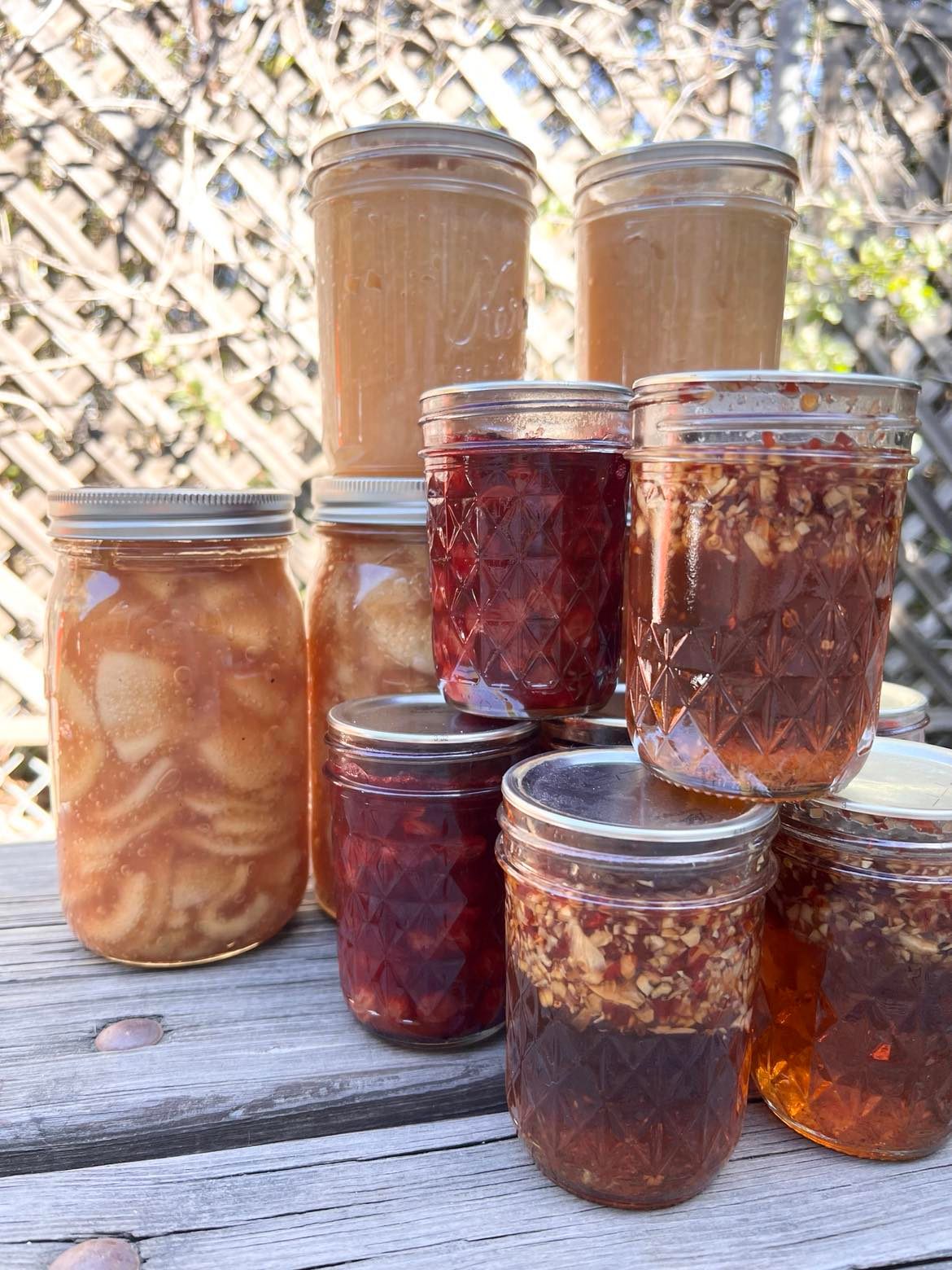
Have questions for the UC Master Food Preservers?
Submit your questions through the online form, and a UC Master Food Preserver will respond directly with research-based guidance and information.
| | Brewed awakening: UC explores tea’s potential as ‘champion crop’ for California | |
UC ANR center to help optimize production of tea, which offers greater profit on less land
After 60 years of growing oranges, pistachios and grapes in Fresno County, Stan Ishii has seemingly seen it all.
But growing tea (Camellia sinensis) in the sun-drenched Central Valley? Now that was something different.
Curiosity inspired the octogenarian farmer and his wife Karen to join about 100 other attendees at Tea Day on March 19 at the University of California Kearney Research and Extension Center in Parlier.
“If they’re growing tea in this arid region, I was just wondering how that worked out,” said Ishii, who has been a regular green tea drinker since his youth. “I always assumed tea was grown in a more humid environment – like Southeast Asia and areas like that.”
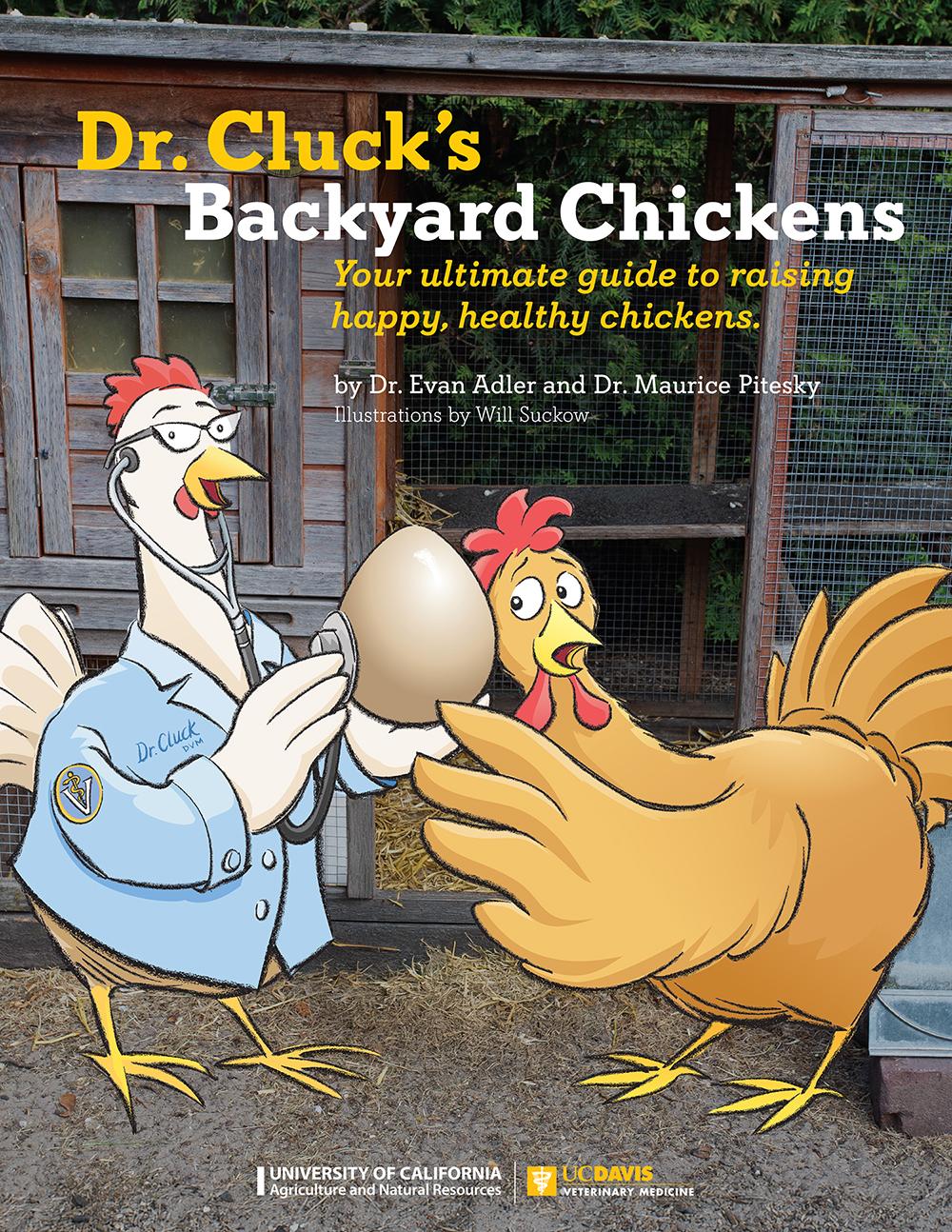
| | Dr. Cluck's Guide to Backyard Chickens provides comprehensive, science-based poultry care for backyard chicken owners at every stage of flock management. Authored by veterinarians Dr. Maurice Pitesky (DVM, MPVM, ACVPM) from the UC Davis Weill School of Veterinary Medicine and Dr. Evan Adler (DVM), this peer-reviewed guide delivers authoritative veterinary expertise in an accessible, engaging, and entertaining format. | |
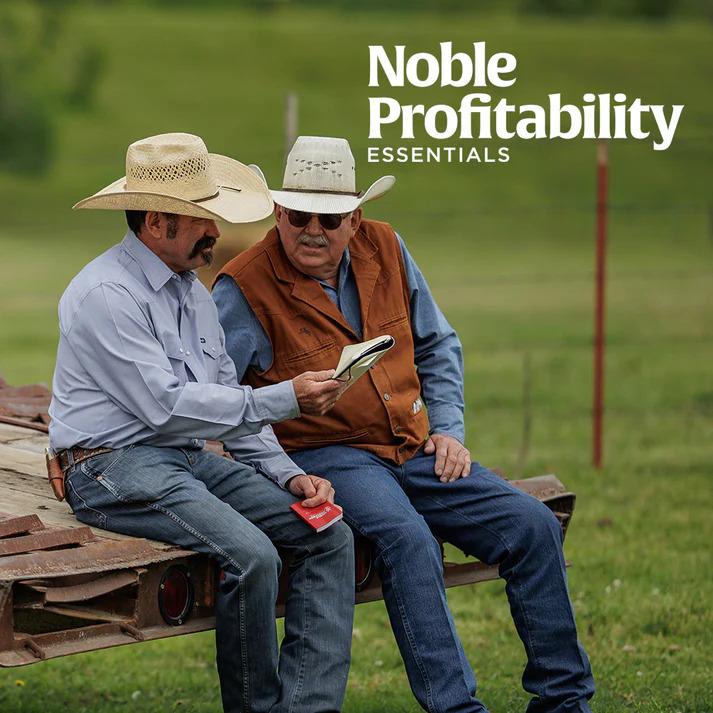
Noble Profitability Essentials
June 3 - 4, 2026
The Resource Conservation District in the Central Coast Soil Hub is partnering with the Regenerative Grazing Open Air Lab at Camp San Luis Obispo and the Noble Research Institute to host a two day "Profitability Essentials" workshop for ranchers on the Central Coast.
Noble Profitability Essentials teaches you how to evaluate your financial decisions and investments for maximum profitability by:
- Planning strategically for a positive net farm income.
- Creating comprehensive profit and loss and cash flow budgets to improve overall profitability.
-
Learning to use ratios to benchmark your ranch and identifying deadwood to improve profitability of your enterprises.
| |
2026 Central Coast Organic Agriculture Conference
September 16 2026
9:00 AM - 4:00 PM
Join the UC Organic Agriculture Institute, UC Cooperative Extension, Community Alliance with Family Farmers, and Coastal San Luis RCD at San Luis Obispo's Historic Octagon Barn for a full day of insightful conversations, practical learning, and collaborative problem-solving focused on organic agriculture on California’s Central Coast.
This event brings together farmers, regional support providers, industry experts, and community leaders to explore the unique challenges and opportunities facing Central Coast organic agriculture. Sessions will cover topics including organic transition, practices to support soil health, accessing institutional and school markets, climate resilience, Sustainable Groundwater Management Act (SGMA) updates and more! Through expert panels, presentations and discussions, and peer-to-peer learning, participants will gain valuable tools, regional resources, and meaningful connections to support resilient, sustainable, and successful farming operations across the Central Coast.
| |
California Agritourism Summit
September 23 - 25, 2025
San Luis Obispo County, CA
The California Agritourism Summit brings together leaders, experts, and practitioners to connect, learn, and engage. Through keynote speakers, panel discussions, breakout sessions, and farm tours, participants will gain practical tools and inspiration to strengthen agritourism in California.
Register below by September 11, 2026 at 5:00 PM PT
| | |
UCCE in Ventura, Santa Barbara, and San Luis Obispo counties improves the lives of local residents by working with growers, families, volunteers, and partners to advance science-based solutions in agriculture, natural ecosystems, community health, and youth development.
Your support helps in many ways.
Thank you.
| | | | |