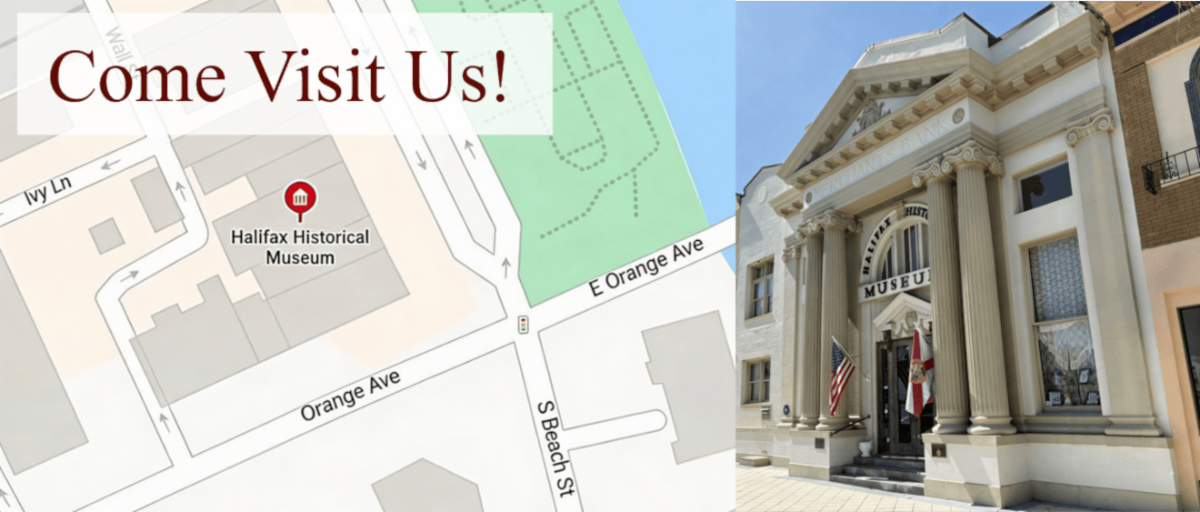
Summer is a great time to rediscover local history. Whether you're visiting for the first time, bringing family and friends, or stopping in for one of our programs and events, the museum offers a welcoming place to learn, reflect, and connect.


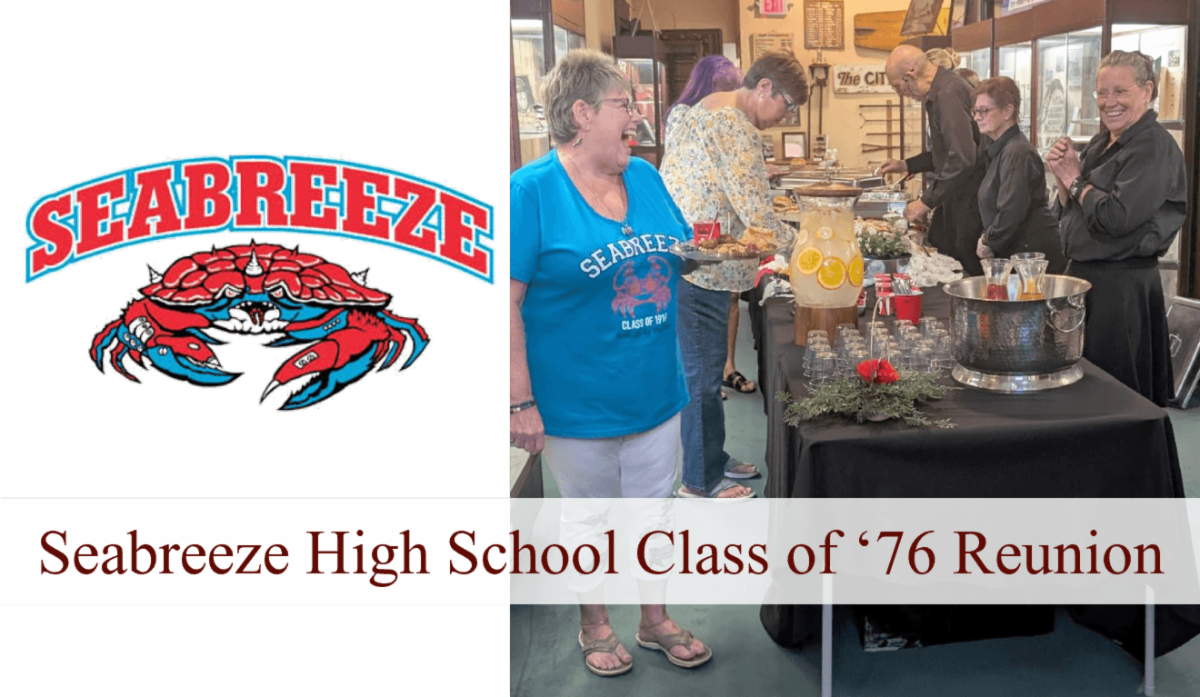
May was filled with wonderful moments, including hosting Seabreeze High School’s Class of 1976 for a reunion brunch. I truly enjoyed meeting graduates as they reconnected, reminisced, shared stories, and filled the museum with laughter. It was a joy watching old memories come alive while new ones were being made. A special thank you to our volunteer — and proud Class of ’76 graduate — Carolyn Shaw Bibler for helping make the gathering so meaningful!

As always, thank you to our volunteers, members, and supporters who help keep history alive and accessible for our community. Your enthusiasm and encouragement continue to inspire us every day.

We hope you will visit us this summer — enjoy the air conditioning, spend some time with history, and perhaps leave with a story of your own.

See you at the museum!

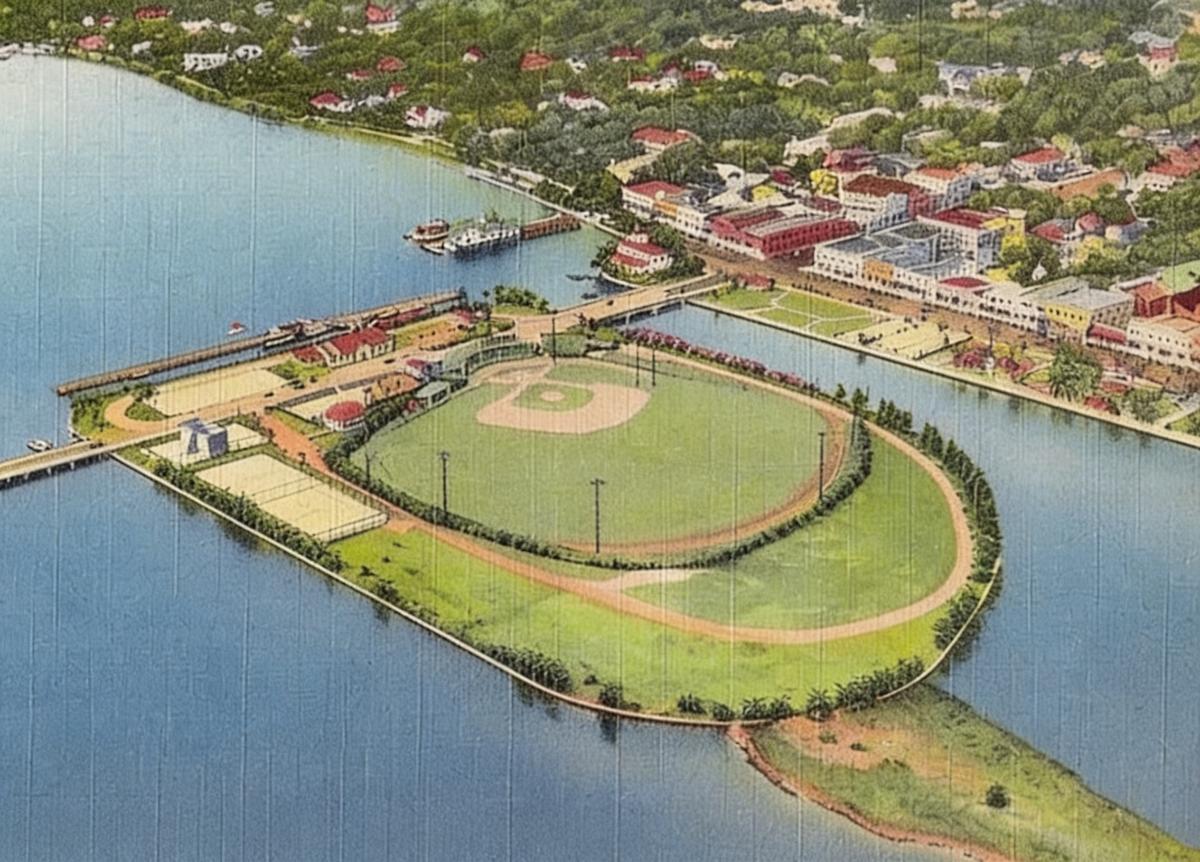
1914 - Jackie Robinson Ballpark opens as City Island Ballpark, starting an important chapter in our sports history.

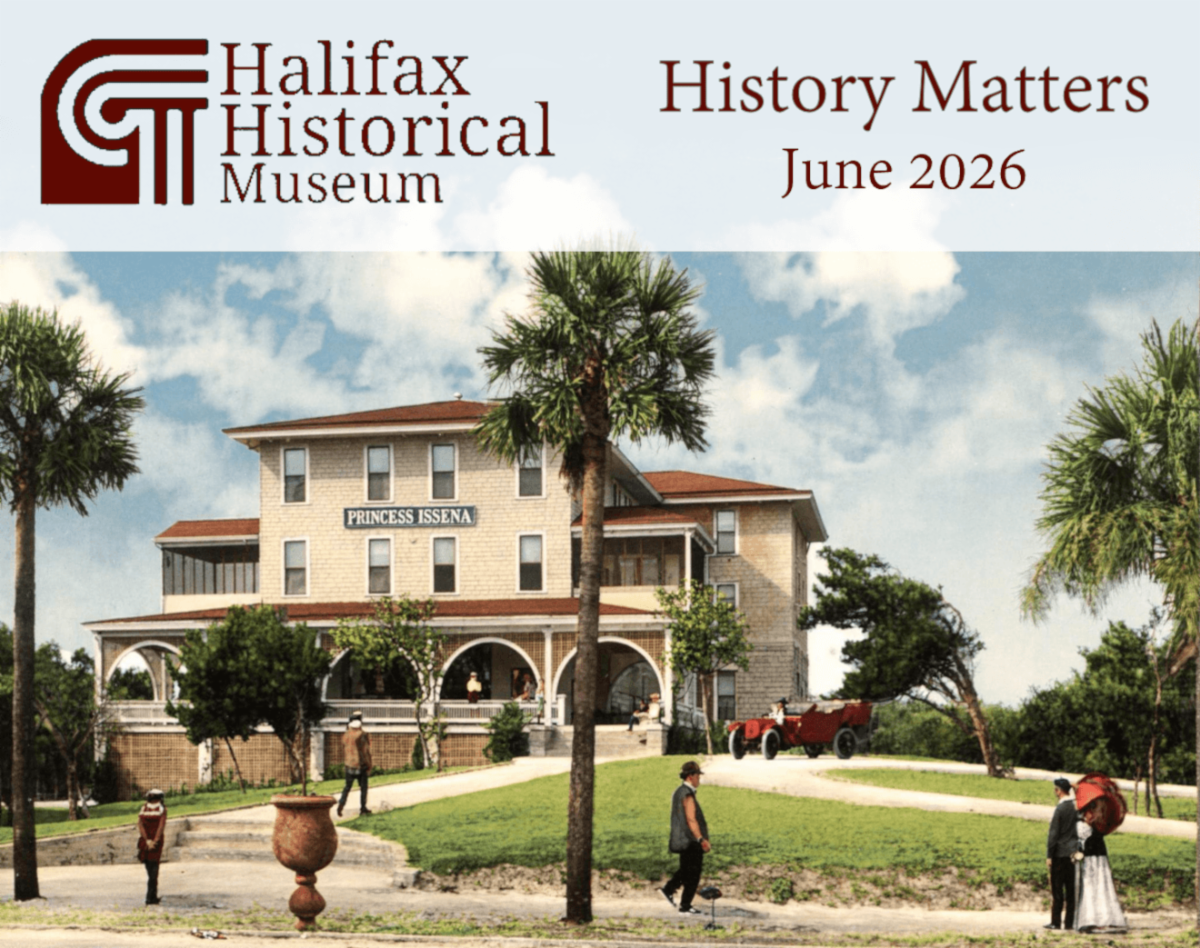
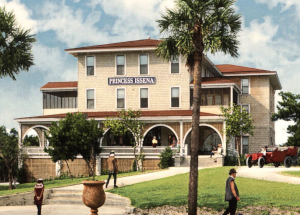
1926 - the Princess Issena Hotel celebrates its grand opening, becoming one of the most memorable landmarks of its era.

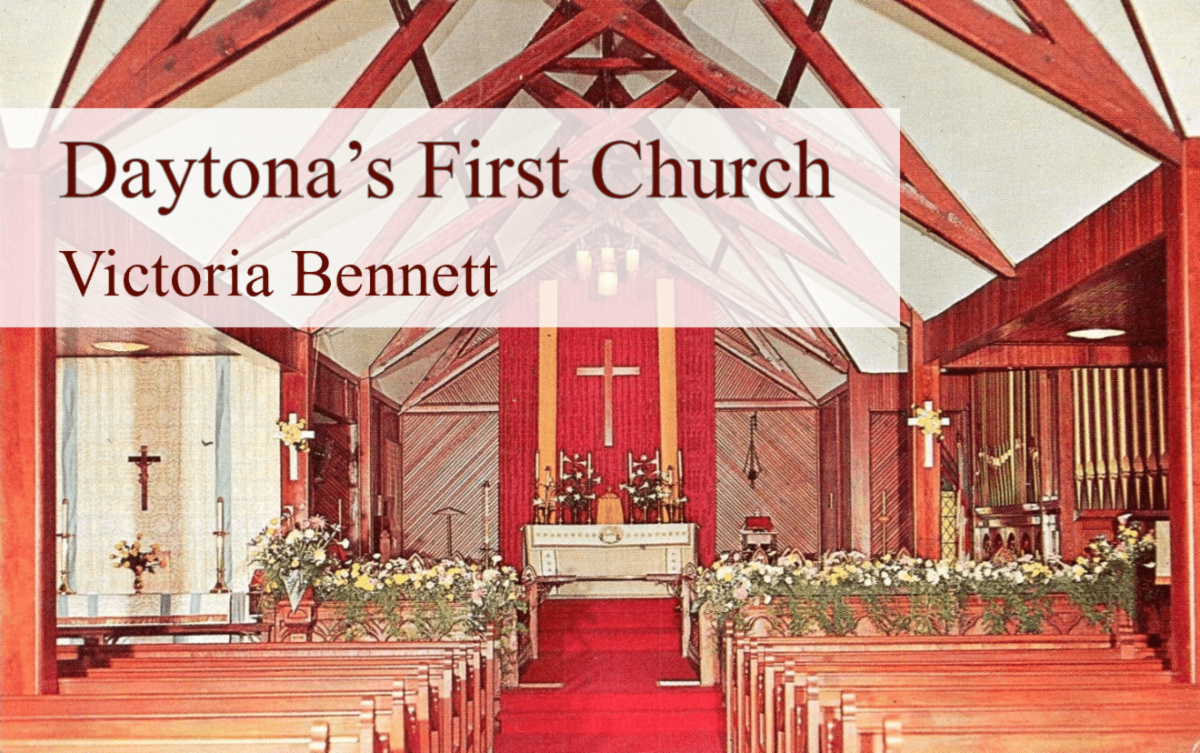
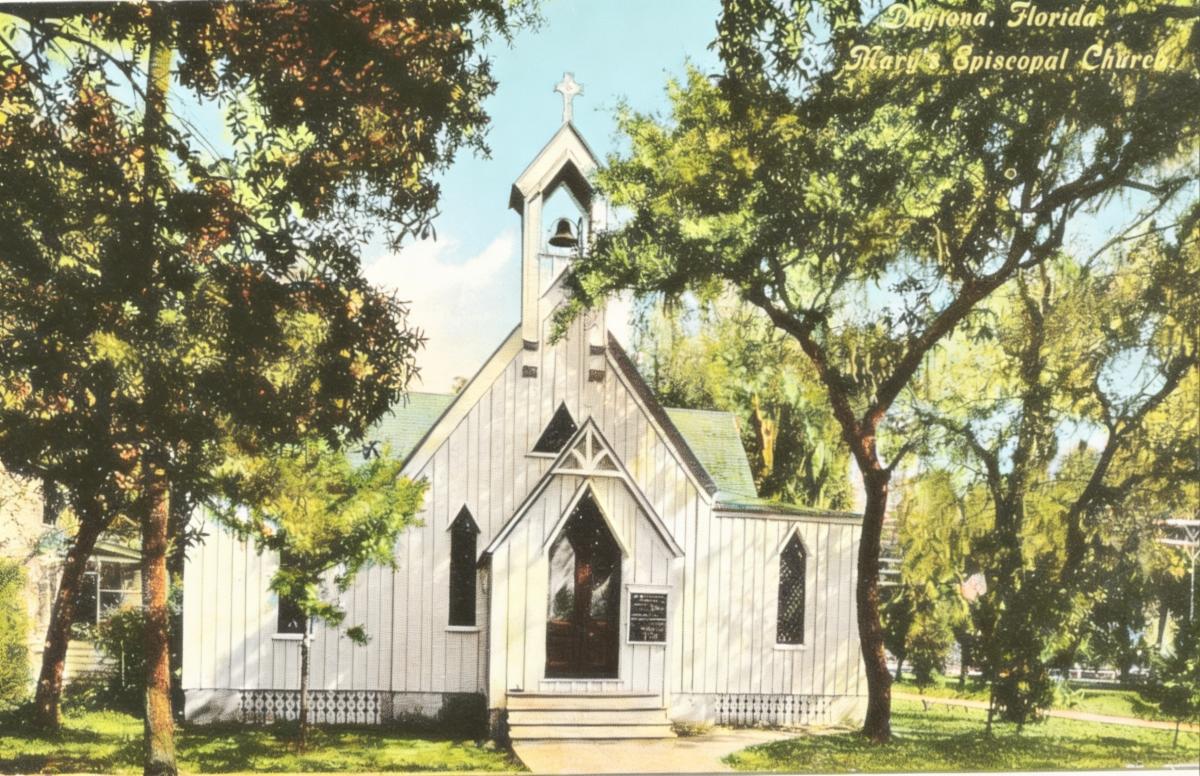
St. Mary's Episcopal Church is almost 150 years old and was the first church built in Daytona Beach in 1883. It is one of the oldest continuously operating churches in Florida. Itinerant Episcopal missionaries had visited the early Daytona settlement and held occasional services in the town’s boarding house, general store and the schoolhouse until 1877 when Bishop Young assigned Daytona its own priest, William Henry Carter. Rev. Carter, who was from New Jersey, suffered from chronic laryngitis and was seeking a better climate.


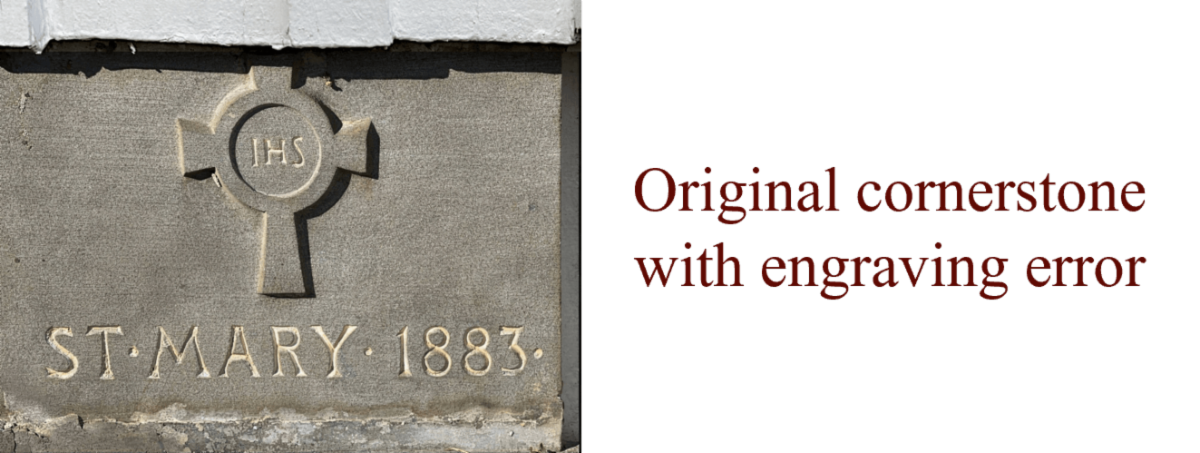
By 1882 St. Mark’s had 49 members, a substantial portion of the town’s population, and plans were made for a church to be built. On April 25, 1883—the feast day of St. Mark’s—the cornerstone of the building was laid. When it arrived by boat and was unpacked the marble cornerstone had "St. Mary" engraved on it. What a difference one letter can make! Imagine how surprised the church founders were. Being adaptable pioneers they renamed the church St. Mary.

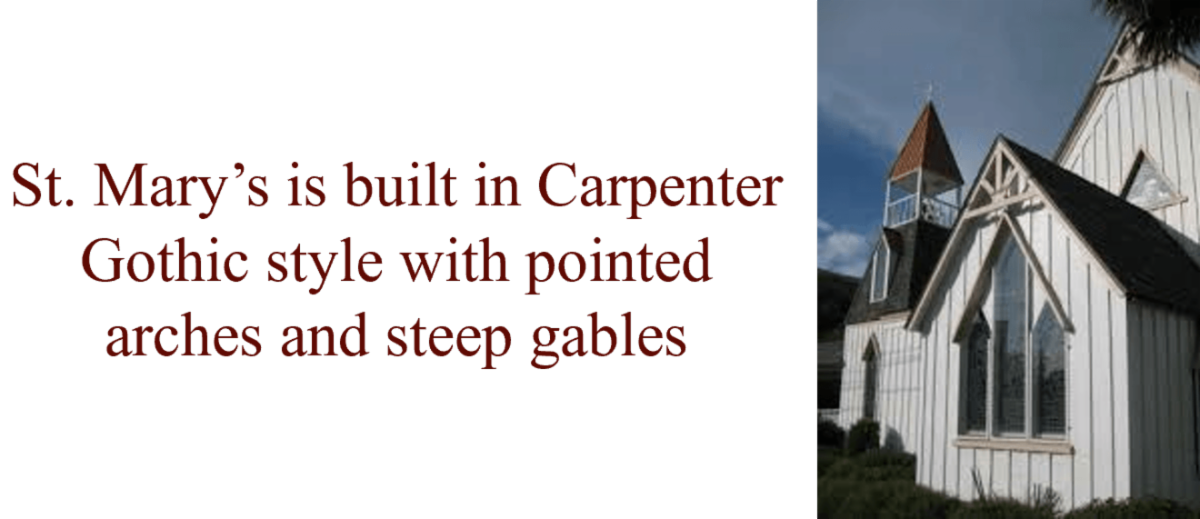
Bishop John Freeman Young who led the East Florida mission actively promoted construction of Gothic-style missions across the state. He believed that traditional church architecture fostered reverent worship and utilized simple plans that could be easily built using the abundant local timber in pioneer communities. Skilled house carpenters could create elaborate sacred spaces at a fraction of the cost of masonry. Churches were built in a style known as Carpenter Gothic—a charming folk-art subset of Gothic Revival—mostly between 1870 and 1910. Approximately 39 Carpenter Gothic churches remain in Florida.

St. Mary’s was originally built by local carpenter William Wetherell and has been enlarged and adapted over the years—the west wall remains the only surviving original section. Inside you will find exposed wooded A-frame trusses, vaulted ceilings, and a vibrant altar. The church is widely noted for its beautiful stained-glass windows. In 1977 the church was added to the Florida Registry of Historic Sites.


President Warren Harding visited Daytona Beach from time to time because his in-laws had a winter home here. The home is located at 220 Magnolia Ave. and the building’s first floor is today an upscale restaurant called The Cellar. Harding came here to play golf, go boating and fishing, drink and dine at the Halifax Yacht Club and would occasionally attend services at St. Mary’s Episcopal Church. It is said that he visited the church once with his wife and mother-in-law during his presidency and shortly before he died. Look for a future article about Warren Harding’s connection to Daytona Beach.


Visit St. Mary's website to learn more.


Vintage Postcard of St. Mary's

That was the nightly call of the announcer at the old Daytona Beach Kennel Club on U.S. 92, home to dog racing starting June 2, 1948.


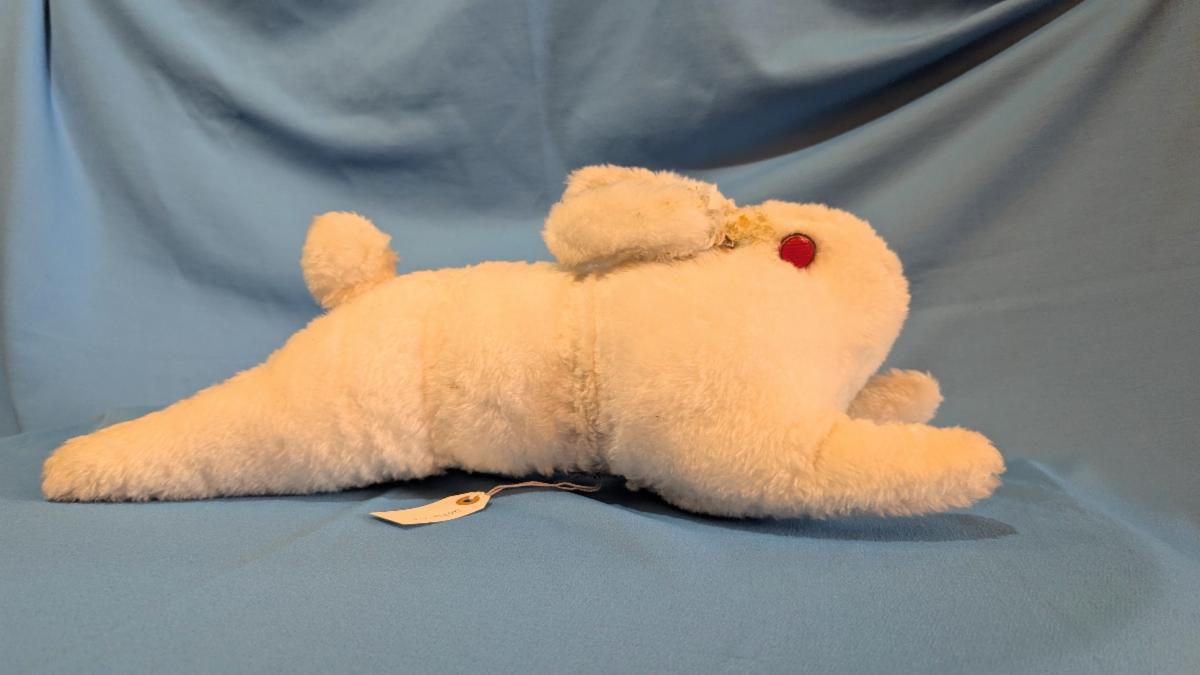
Locals and visitors alike would flock to the dog track to place bets on the greyhounds circling the track. The dogs were chasing a white handmade rabbit mounted on an armlike structure speeding around the track.


The original site of the dog track was on property just west of Daytona International Speedway. By 1997, a poker room was added to the club.


In 2008, the kennel club moved to a new location on Williamson Boulevard. Because of concerns from animal advocates, dog racing was outlawed in Florida by the Legislature.


On March 20, 2020, greyhound racing was suspended at the Daytona Beach Racing and Card Club nine months ahead of the enactment of Amendment 13, which banned the sport.


This stuffed, white rabbit is now on display at the Halifax Historical Museum thanks to a donation from Vince Clarida, a longtime member and supporter.

Lucky the Rabbit

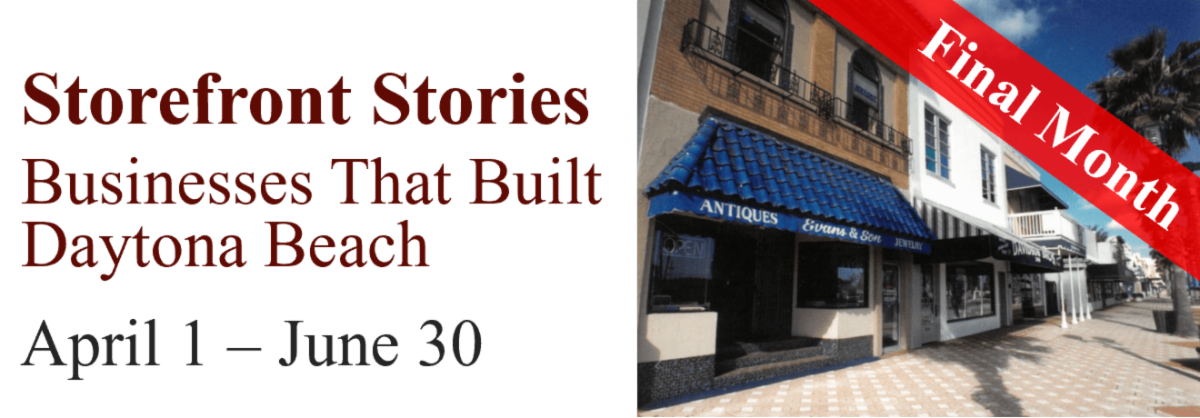
From long-time family enterprises to businesses that adapted as the city grew, Storefront Stories traces the evolution of downtown commerce across decades of change. Visitors will discover how these establishments reflected the spirit, resilience, and entrepreneurial drive that helped build Daytona Beach into the vibrant community it is today.


Click here to learn more

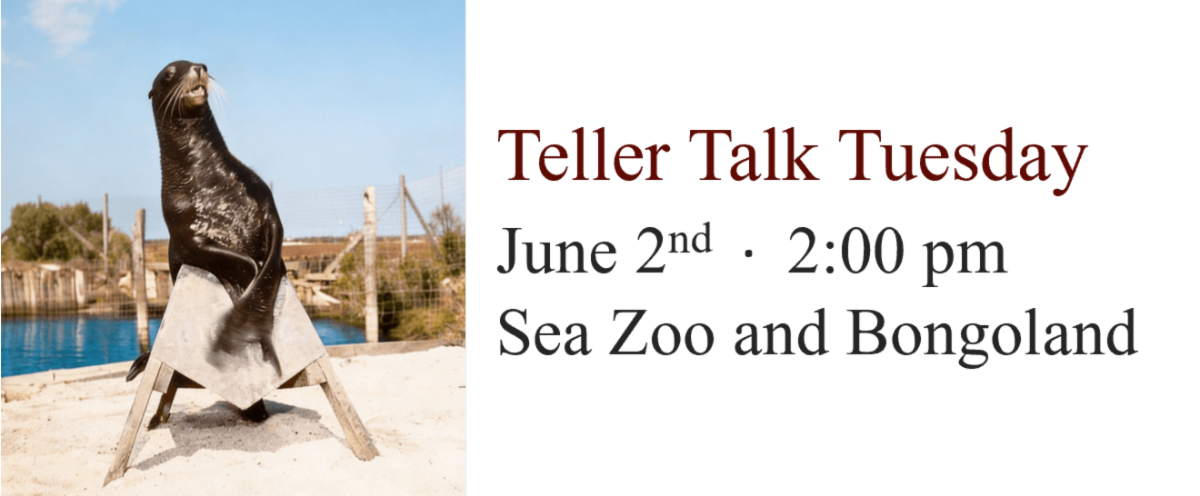
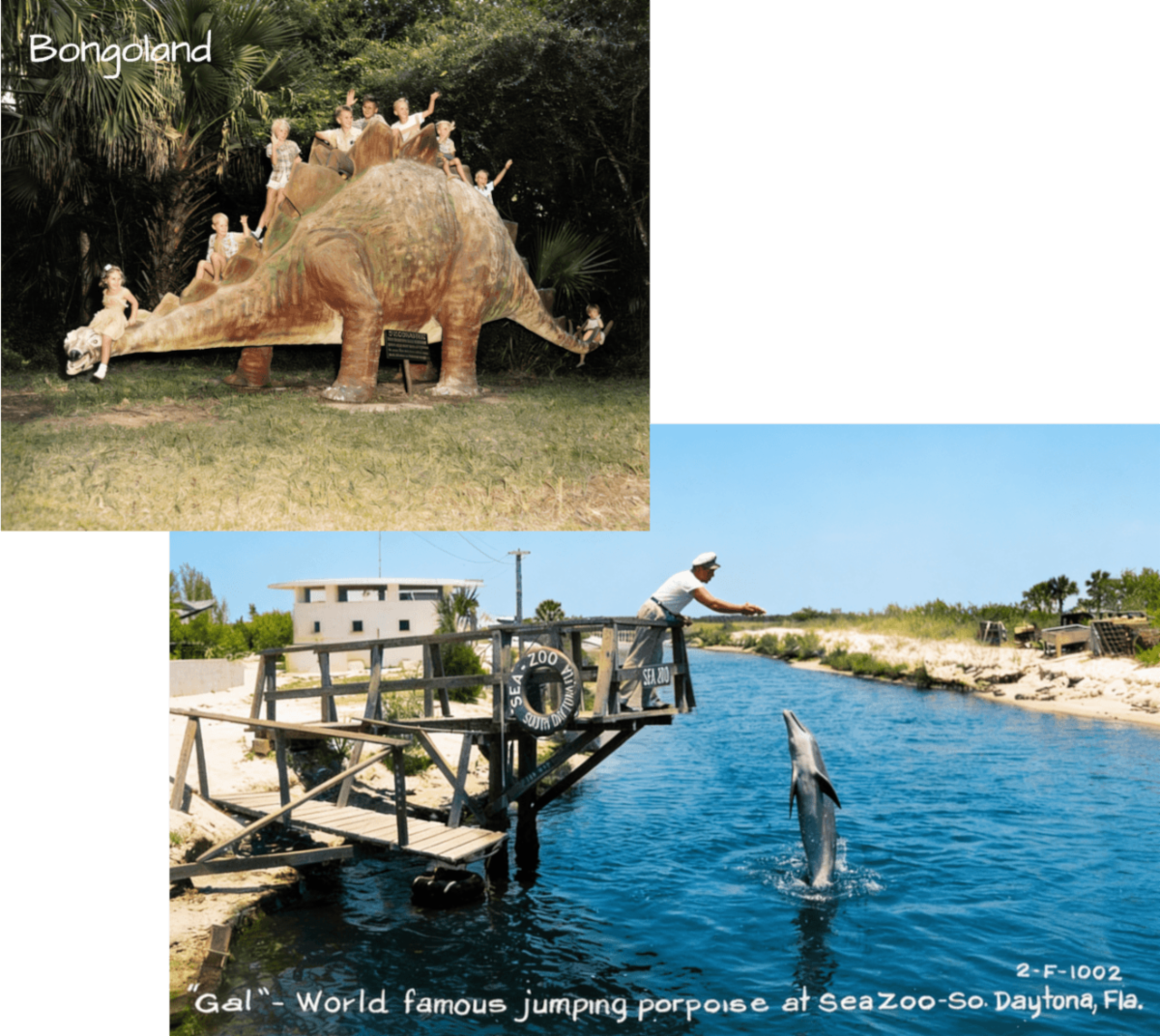
Hear the real story of Volusia County's first tourist attractions! Perry Sperber, whose father co-founded Sea Zoo and Bongoland, will share the back story about how they came to exist and why.


In 1950 Sperber's father moved his wife and family from Rhode Island to Daytona in search of a warmer climate. He set up his dermatology practice and together with a partner created the Sea Zoo, where visitors were guided through marine exhibits. Later, inspired by his childhood love of dinosaurs, he formed Bongoland - now Sugar Mill Gardens - where his dinosaurs still stand in his memory.


Click here to learn more

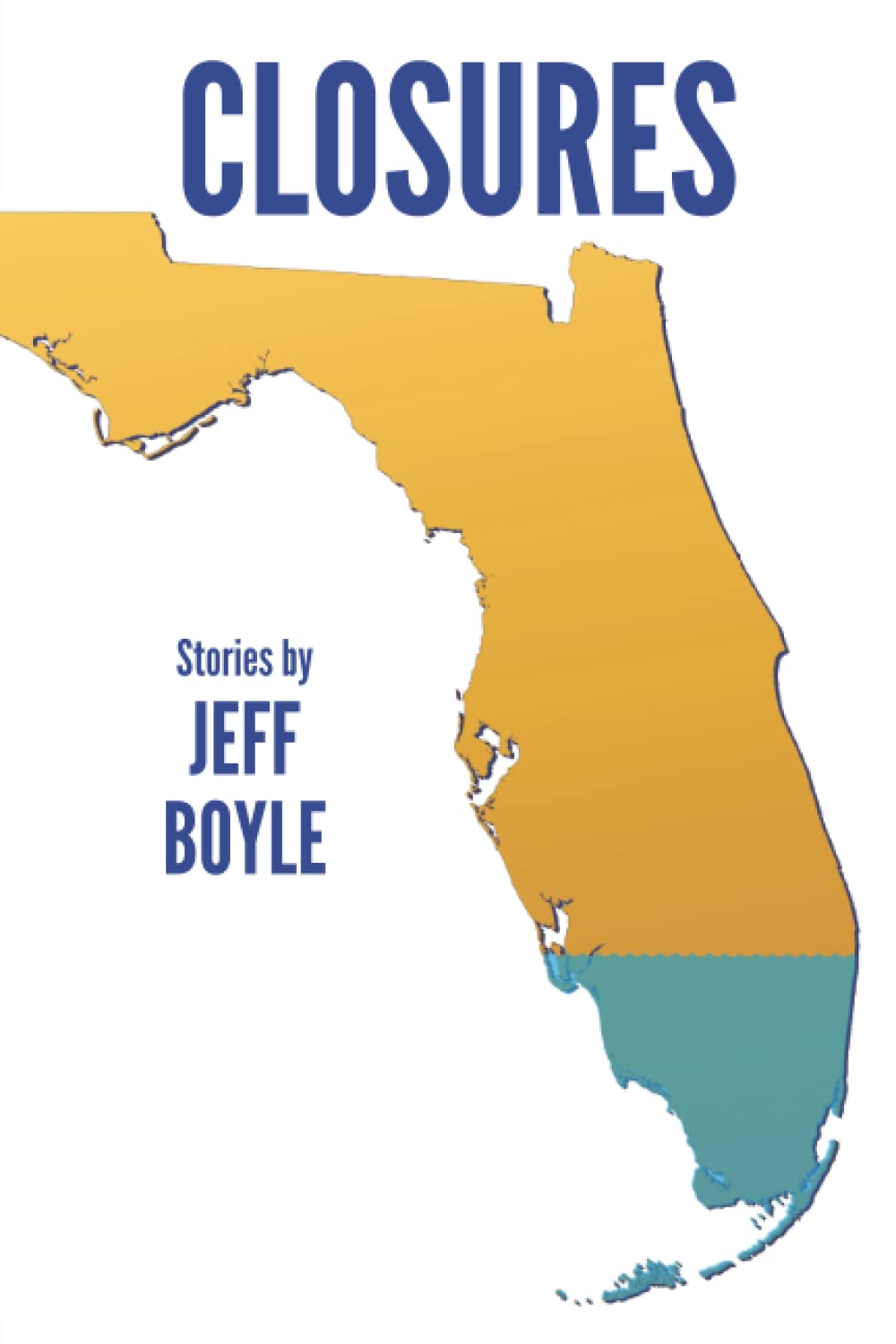
Join local author, Jeff Boyle and other book club members as they discuss his book, the theme being: all of life’s chapters reach closures.


Free with Membership or Admission.

Call (386) 255-6976 or click here for more information.


252 S. Beach Street, Daytona Beach, FL 32114

(386) 255-6976

Tuesday-Saturday 10am - 4pm

$10 per person

Children 12 & under FREE

Facebook  Email  Web

Daytona Regional Chamber

My Florida

City of Daytona Beach

Volusia County

Florida Humanities

This publication is made possible in part with funding from the Cultural Council of Volusia County (volusia.org), Florida Humanities, State of Florida, City of Daytona Beach, and Halifax Historical Society membership.