|
Dear Closing the Health Gap Community:
On behalf of the Center for Closing the Health Gap and our Board of Directors, I want to extend our heartfelt congratulations to the Cincinnati Medical Association on 100 remarkable years of service! For a century, Black physicians have played an essential role in safeguarding and improving the health of Greater Cincinnati, and we are proud to celebrate this extraordinary milestone with you.
We also commend the creation of The Doctors Foundation, now a permanent part of the HealthPath Foundation. This important initiative helps recruit and retain a diverse and talented physician population, ensuring our community continues to have access to high-quality, equitable care.
Thank you, CMA, for your enduring legacy and for the path you continue to pave for future generations. When we repeat our mantra – "We Must Save Us" – it's organizations like the CMA that give all of us the means to make it come true.
Blessings to all for a safe and healthy week ahead.
Renee Mahaffey Harris
President & CEO
| |
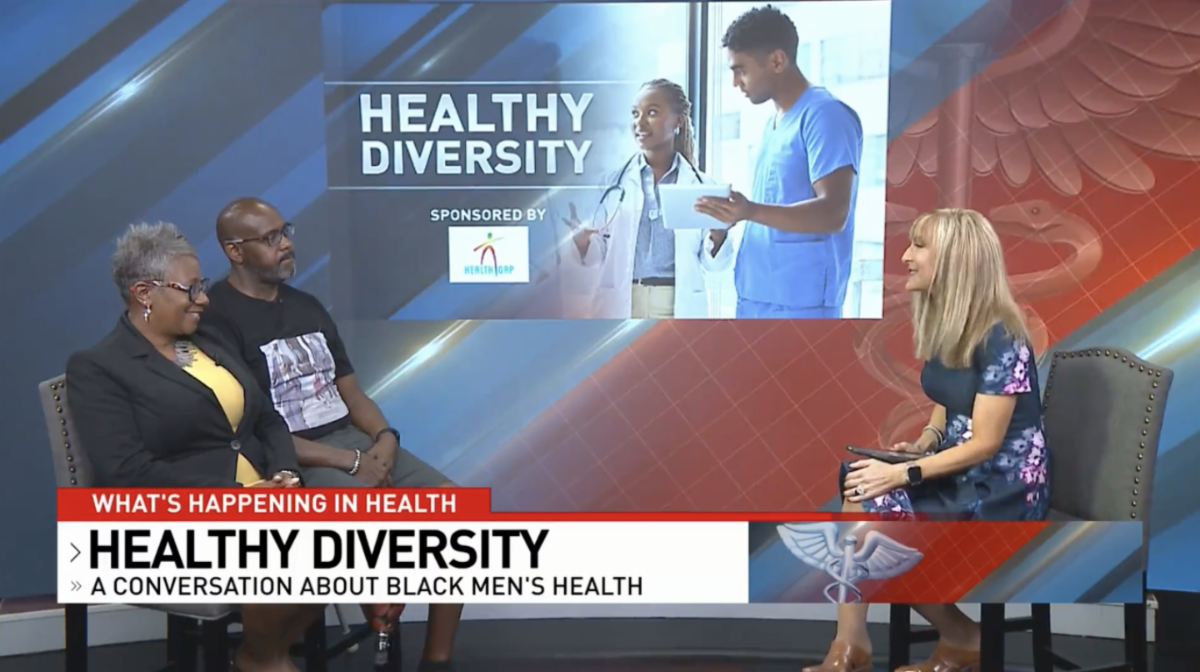
Local 12: Healthy Diversity – A conversation about Black men's health
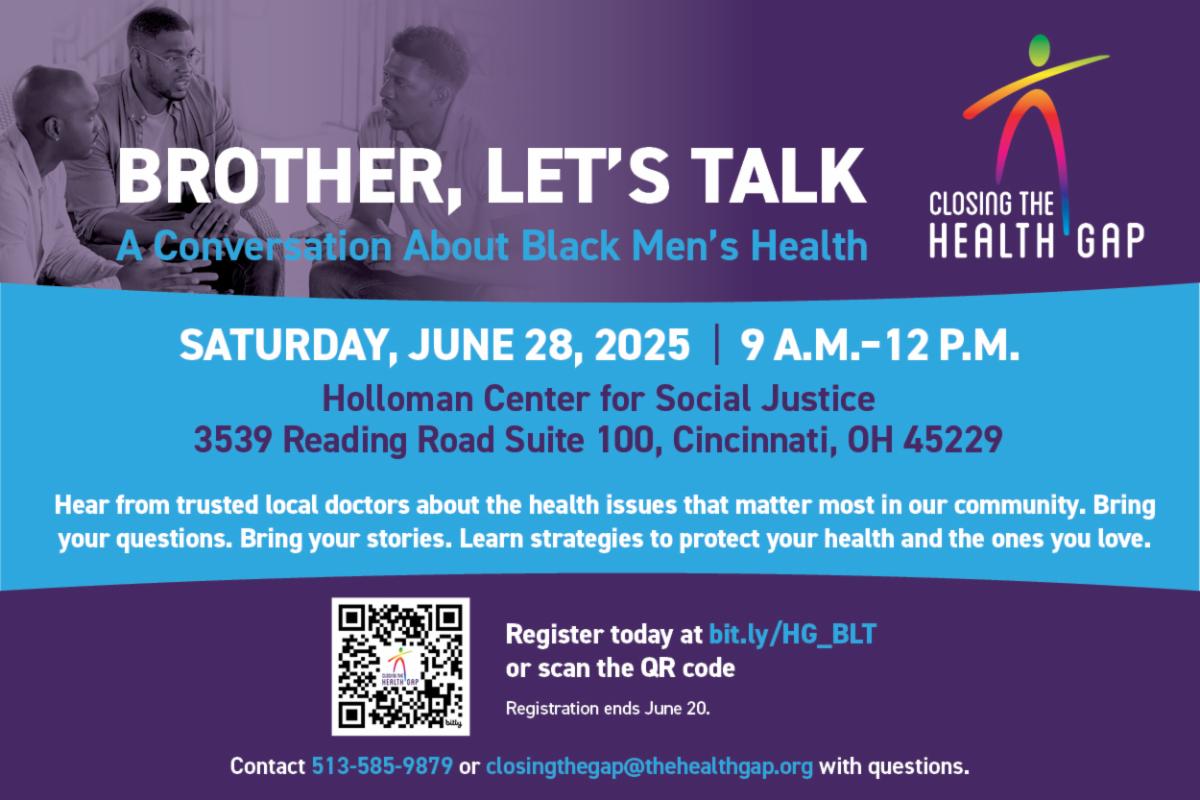
Join the Center for Closing the Health Gap for "Brother, Let's Talk," an open discussion focused on the unique health challenges faced by Black men. This conversation aims to raise awareness, share resources, and promote wellness within the community.
- Date: Saturday, June 28th
- Time: 9 a.m. (doors open at 8 a.m. for a free breakfast)
- Location: Holloman Center for Social Justice, 3539 Reading Rd, Cincinnati 45229
| |
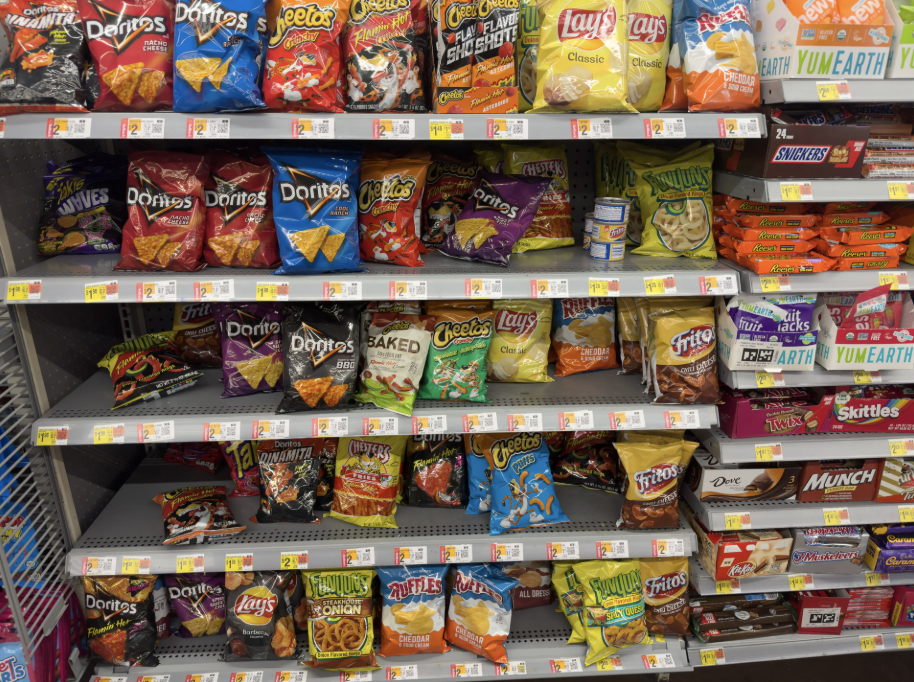
The High Cost of Healthy: How Grocery Prices Shape American Diets and Health
The escalating cost of groceries, particularly healthy options, is forcing a critical shift in American diets toward more affordable, often ultraprocessed alternatives, sparking concerns about widening health disparities.
The Price of Healthy Eating
About 90% of US adults say the price of healthy food has grown over the past few years, with more than 69% who say higher prices are impacting their overall diets, according to findings from a Pew Research Center survey.1 Recently, Americans are experiencing sticker shock at the grocery store amid trends of obesity levels rising, waves of diet trends hitting, and social media suggestions exploding in popularity, along with the proliferation of food delivery options.
Notably, Americans eat at home far more commonly than they order takeout or delivery or eat at restaurants, based on the Pew Research Center survey conducted from February 24 to March 2, 2025, among 5123 US adults. Researchers found about 9 in 10 Americans eat home-cooked meals at least a few times a week, compared with 17% ordering takeout or delivery and 12% eating at restaurants frequently. An estimated 7 in 10 Americans say the increased cost of healthy food in recent years has made it more difficult to maintain a healthy diet. A larger share of lower-income adults than upper-income express this view (77% vs 54%).
| |
AJMC: Health Equity & Access Weekly Roundup, June 23, 2025
Racial and ethnic disparities continue to undermine health outcomes for millions of Black Americans, with systemic inequities driving disproportionate rates of premature death, maternal and infant mortality, cancer disparities, and gaps in insurance coverage and access to care. Black Americans are 2 to 3 times more likely to die prematurely from preventable causes in most states, face double the infant mortality rate of White infants, and have significantly higher risks of maternal death. They are also more likely to be diagnosed with advanced-stage breast and ovarian cancers due to structural barriers to early detection and specialist care, challenges that have been exacerbated by reproductive health restrictions and provider shortages. Despite improvements in coverage from the Affordable Care Act (ACA), many Black Americans—particularly in non-Medicaid expansion states—remain uninsured and face limited access to high-quality, culturally competent care. Addressing these disparities requires investing in community-based prevention, expanding Medicaid, building a diverse health care workforce, and ensuring equitable access to care in underserved communities.
|
5 Health Crises America Urgently Needs to Address for Black Communities
Racial and ethnic disparities continue to significantly impact the health care experiences of millions of Americans, with people of color often receiving worse care than their White counterparts. Racial and ethnic disparities affect millions of Americans, and oftentimes, the disproportionate impact on Black communities is starkest. Black patients received lower-quality care than White patients on 52% of quality measures according to the 2023 assessment by the federal Agency for Healthcare Research and Quality. These disparities exist across crucial areas like heart disease, cancer, stroke, maternal health, pain management, and surgical care, underscoring persistent inequities in patient safety and treatment outcomes throughout the health system.
Here are 5 critical ways the US health care system is failing Black people that demand swifter action.
|
U.S. Racial Health Disparities Prompt Call for Targeted Interventions
Key indicators of cardiovascular health (CVH) differ between racial and ethnic groups in the U.S., according to new research that suggests the need for customized interventions. Reporting in the journal JAMA Network Open, the researchers say their findings have significant implications for public health strategies and clinical practice.
“Despite extensive public health efforts to address health disparities, including healthcare reforms like the Affordable Care Act, racial and ethnic gaps in CVH have not markedly improved over the past decade,” they pointed out.
“This highlights the need for more effective, tailored interventions that target specific drivers of these differences. For example, Black vs White differences associated with multiple factors, including diet, physical activity, and sleep health, suggesting that culturally tailored outreach, enhanced access to preventive services, and behavioral support could be more effective than a one-size-fits-all approach.
| | | | |