Cancer News Digest, June 2025

Visit our website

CFC #11967

News You Can Use

Alcohol-linked cancer deaths double


A new study shows that cancer deaths linked to alcohol have doubled in the U.S. from 1990 to 2021, especially among people aged 55 and older. Scientists found that heavy drinking raises the risk of many types of cancer, including liver, breast, and mouth cancers. Heavy drinking is defined as having eight drinks or more a week for women, and more than 15 drinks a week for men. The increase in alcohol-related cancer deaths was seen in both men and women, though men saw a greater increase.


Experts say this rise shows the need for better public health efforts to warn people about the cancer risks of alcohol and to reduce heavy drinking.


Read more here.

We're in the News

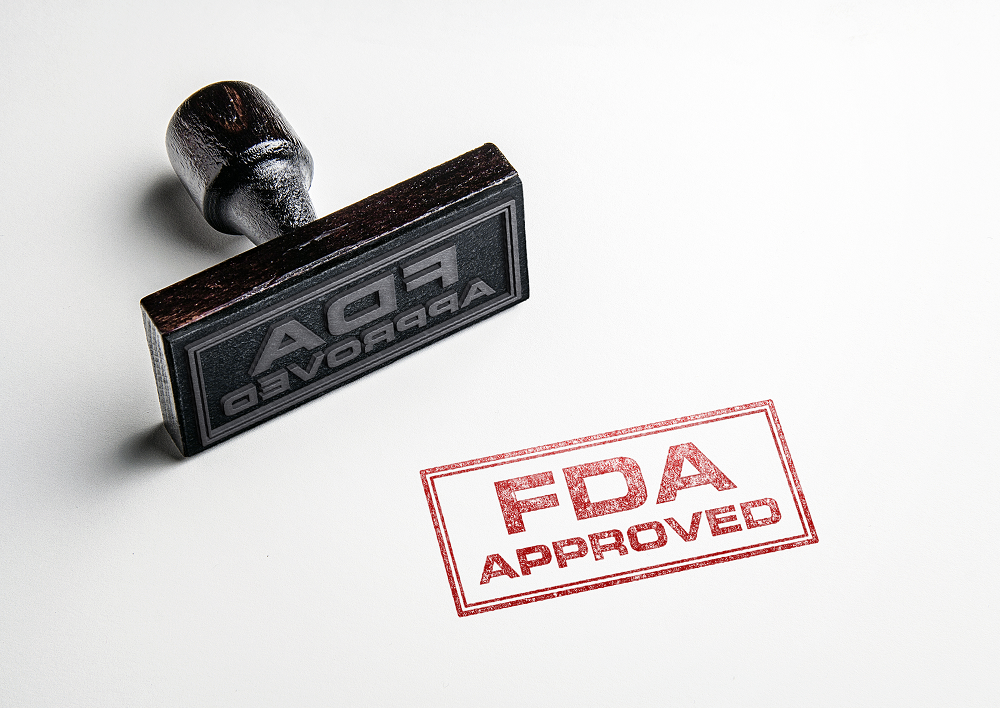
New report says FDA approval often ignores the agency's standards!


A 2-year investigation shows a troubling pattern: The FDA often ignores its own scientific standards when it approves new prescription drugs. NCHR President Dr. Diana Zuckerman, an advisor to the investigation, explained that the FDA's "scientific bar [is] so low, it would be impossible to lower it much further".


The investigators worked with CUNY’s McGraw Center for Business Journalism to create a searchable database. It includes 429 drugs approved by the FDA from 2013 to 2022. Each drug was graded based on four key parts of a good study: using a control group, measuring meaningful health outcomes, repeating the results in another study, and making sure that neither the patients nor the doctor knows which patients got the new drug and which got an old drug or a placebo(sugar pill).


The report describes how many of these drugs satisfied all of these criteria (only 2.4%), none of them (23%), or anything in-between. With those findings, it is no wonder that the U.S has the most expensive healthcare system in the world, but we don't live as long as people in all other large, wealthy countries (and many smaller ones).


Read the article in The Lever here.

RFK Jr. sparks debate and we express our views


Medscape and many other media have described how Robert F. Kennedy Jr., the Secretary of the U.S. Department of Health and Human Services, has sparked concern with some of his views— such as vaccines and fluoride. But his focus on food safety and nutrition has gained support. He’s pushing to limit dyes, additives, and ultra-processed foods, some of which can cause cancer. Some say he’s helping bring long-overdue attention to nutrition. 


Critics question his emphasis on food additives instead of broader issues of food quality, and say that without proper regulation, American's health will not improve. Nevertheless, his emphasis on making sure that ingredients are safe before they can be used is growing in popularity. “There is more of that precautionary principle, which has been mostly rejected in this country,” Dr. Zuckerman explained to Medscape.


Read the article in Medscape here.

Info You Can Use

Skin cancer prevention starts with sunscreen


Sunscreen helps prevent skin cancer, as does wearing protective clothing and staying out of the sun during peak hours. It’s important to remember that sunscreen won't last all day, especially when sweating or swimming, so reapply every two hours. Be sure to check the expiration date before using, and skip spray sunscreens, which can be dangerous because the chemicals are likely to be inhaled. Starting a daily sunscreen habit can protect your skin from burns, early aging, and long-term damage like cancer. It’s especially important for kids with fair skin or a family history of skin cancer.


Unfortunately, not all sunscreens are created equal. Fortunately, we’ve updated our research so you can learn what the best choices in 2025 are!


Find out here.

What white horses can teach us about cancer


White horses, a symbol of strength and beauty, often face relatable health challenges. Up to 80% of light-colored horses develop melanoma, the most deadly type of skin cancer. Scientists found that a gene mutation tied to coat color may also raise the risk for this cancer, and the same genes might play a role in human melanoma too. This could make white horses a useful model for studying how skin cancer develops in people.


Interestingly, while horses often get skin cancer, they rarely get breast cancer. Scientists are now studying horse mammary stem cells to understand why. One study found that horse cells damaged by cancer-causing chemicals tend to die off, which might stop tumors from forming. Substances released by horse cells even killed human breast cancer cells in some lab tests. These findings show that horses might help scientists discover new ways to treat cancer in humans.


Read more here.

Follow Our Instagram!

Check us out!

Did you know that artificial turf and rubber playground surfaces contain carcinogens? Are your children or grandchildren getting exposed when they play? Follow us @safe.to.play
Instagram  
@safe.to.play
 

Connect With Us!
 

Cancer Prevention and Treatment Fund

Facebook: @CancerPreventionAndTreatmentFund


LinkedIn: www.linkedin.com/showcase/cancer-prevention-&-treatment-fund/

Facebook
729101_linkedin_icon image
Donate

Your Contribution Can Make a Difference


We do not accept any funding from drug companies, device companies, chemical companies, or other sources that could influence our work and compromise our integrity. That's why so many people turn to us when they need help. Donations of any size are greatly appreciated (and tax deductible.)


Please consider giving to the Cancer Prevention and Treatment Fund online or by mail to the address below.

To sign up for these monthly updates, click here.
Cancer Prevention and Treatment Fund | 1001 Connecticut Ave NW, Suite 1100  
Washington, DC 20036 | www.stopcancerfund.org
CFC# 11967