|
Celebrate World Environment Day - June 5th
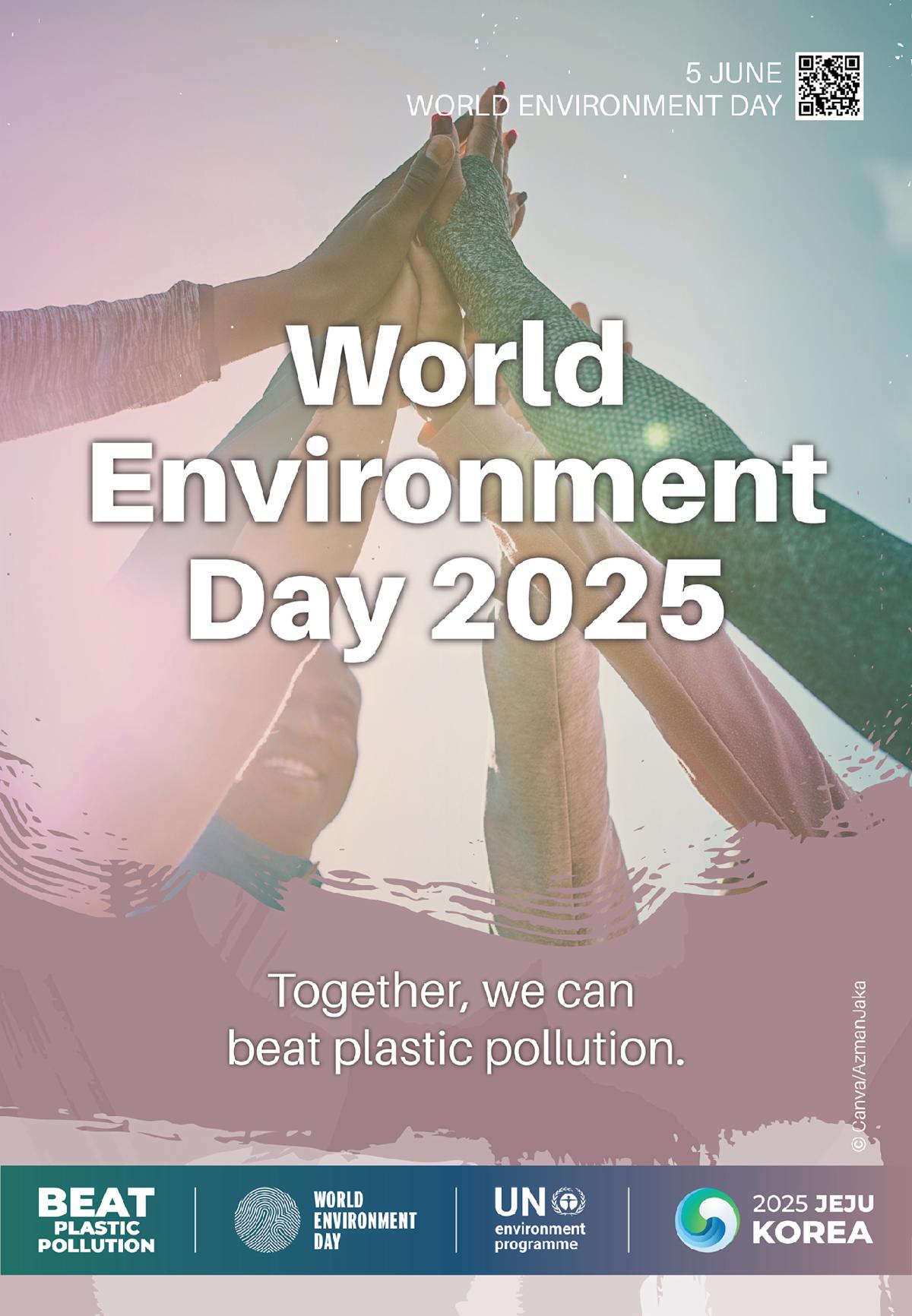
Plastic pollution threatens both planetary and human well-being. For decades, plastic pollution has infiltrated every corner of the world, contaminating the water we drink, the food we eat, and the air we breathe. Microplastics are now even found in our bodies. On June 5th, World Environment Day organization is mobilizing communities across the globe to implement and advocate for lasting solutions to #BeatPlasticPollution.
Change happens through all of us. The choices we make can shape industries, shift markets and redefine our collective future. Together, we can deliver an end to plastic pollution that protects people and the planet.
In this issue, the University of Toronto (U of T) has strengthened its position as the world’s most sustainable university, while St. Paul’s Hospital in Vancouver has made climate change resilience central to design considerations – the first hospital in Canada to do this. We would also like to draw your attention to Clean River's Suggested Practical Ways to Cut Down Food Waste in Schools. Check out our events for the summer.
If you have stories, events or information to share with our readers about new technologies or strategies for reducing greenhouse gas emissions, or lessons learned on the path to net zero, please reach out to us at mcresswell@thomascoleinc.com.
| | | | |
Embracing The Shift: A New Era in Clean Energy
Developers and public sector professionals from healthcare, education, and municipalities gathered to explore large-scale projects, system design, installation, costs, maintenance, and long-term efficiency, paving the way towards sustainable living and working environmnets.
I am thrilled to share insights from the Ontario Geothermal Association Annual Conference, where industry leaders, public sector professionals, and innovators converged to drive the shift towards clean energy solutions.
| | | | |
Here's how people are making buildings more climate resilient
Schools, communities and municipalities are looking for ways to make their buildings more adaptable.
UBC is just one of the many organizations across Canada that are looking for ways to better adapt to the changing climate, as forest fires, heat, and extreme weather become more prevalent, whether that's while designing new buildings, or retrofitting old ones.
According to a report released by Natural Resources Canada in January, buildings make up 13 per cent of Canada's greenhouse gas emissions.
| | | | |
SPRING and BioIndustrial Innovation Canada Join Forces to Promote Innovation in the Circular Bioeconomy
SPRING, the Italian Cluster of the Circular Bioeconomy, and BioIndustrial Innovation Canada (BIC), the Canadian non-profit business accelerator focused on advancing sustainable chemistry and the circular bioeconomy, have signed a Memorandum of Understanding (MoU) to launch a strategic collaboration aimed at fostering innovation and the industrialization of bio-based technologies at an international level.
| | | |
Plastic pollution is a problem we can fix
Plastics bring undeniable benefits – from energy savings to material conservation. Yet, the growing crisis of plastic pollution threatens both planetary and human well-being. For decades, plastic pollution has infiltrated every corner of the world – contaminating the water we drink, the food we eat, and the air we breathe. Microplastics are now even found in our bodies.
This World Environment Day, we are mobilizing communities across the globe to implement and advocate for lasting solutions to #BeatPlasticPollution.
| |
🌟Heather Shilton🌟
Director, Nunavut Nukkiksautiit Corporation
It’s not easy being green – especially near the Arctic circle, where everything around you is white nine months of the year! Under Heather’s leadership, NNC has surged from having a 2 MW renewable energy portfolio in 2019 to over 30 MW in 2024. Her strategic vision not only grew the team by 43% and revenue by 170%, but also helped raise over $25M for Nunavut’s clean energy projects. Heather has championed policy changes that now enable community-scale projects, including a novel wind and battery energy storage initiative for Nunavut. Driving the Territory’s first Energy Purchase Agreement under the new Independent Power Producer policy, she has paved the way for critical sustainable energy advancements and energy sovereignty in Canada’s Territorial North. Heather’s commitment to Inuit-led, community-focused development and her advocacy for federal support have redefined Nunavut’s renewable energy landscape, making significant strides towards a clean energy future.
Source: clean50.com
| | |
Microplastics are everywhere, even in our bodies
One thing we know? They don't belong there.
This #WorldEnvironmentDay, let’s come together to take action and #BeatPlasticPollution.
| | |
What are nature-based solutions?
Nature can help solve some of the challenges we face in our communities. Discover some of the different kinds of nature-based solutions and how they help Canadians, and people around the world.
| | |
Good on You
The global fashion and beauty industries have a huge problem with pollution, waste and human rights abuses. With Good On You, you can discover the very best fashion and cosmetics from around the world and learn everything you need to know about making better choices.
| |
|
Get up to 4X incentives on controls projects! Includes: VFDs/Duct Sealing.
Install by Aug. 31, 2025 to qualify for our bonus offer.
Businesses can receive up to $0.50 per cubic meter of natural gas saved (up to 50% of upgrade costs, with a $100,000 cap) if installed by October 31, 2025. A bonus offer of $1.00 per cubic meter applies if installations are completed by August 31, 2025. Eligible projects include building automation systems, outdoor air reset controls for boilers, and variable frequency drives. These upgrades help reduce energy consumption, lower costs, and improve building efficiency.
To maximize incentives, businesses should consult an Enbridge Gas Energy Solutions Advisor (ESA) early in the planning phase. ESAs assist in selecting eligible control projects, estimating savings, and securing incentive quotes. The program prioritizes upgrades over replacements or repairs, encouraging automation for cost-effective, year-round energy management. By participating, businesses can lower maintenance and operating expenses, enhance building comfort, and reduce greenhouse gas emissions. More details and eligibility criteria are available at enbridgegas.com/commercial-custom-retrofit.
Contact an Energy Solutions Advisor
Your ESA can help you identify the best energy-saving opportunities and maximize incentives for your building.
enbridgegas.com/commercial-custom-retrofit
energyservices@enbridge.com
1-866-844-9994
| | | |
|
Minimizing Food Waste in K-12 Schools: Steps Toward a Sustainable Future
K-12 schools play a vital role in minimizing food waste through reduction, recovery, and recycling efforts. Additionally, they serve as key educational spaces where students can learn about the importance of food conservation. By adopting effective strategies, schools can ensure that nutritious meals are utilized efficiently while limiting waste.
Practical Ways to Cut Down Food Waste in Schools:
- Implement an Offer-Versus-Serve (OVS) Model
- Promote School Meals Effectively
- Extend Lunchtime Duration
- Introduce Share Tables
- Allow Students to Save Food for Later
| | | |
|
The National Research Council Project Case Study
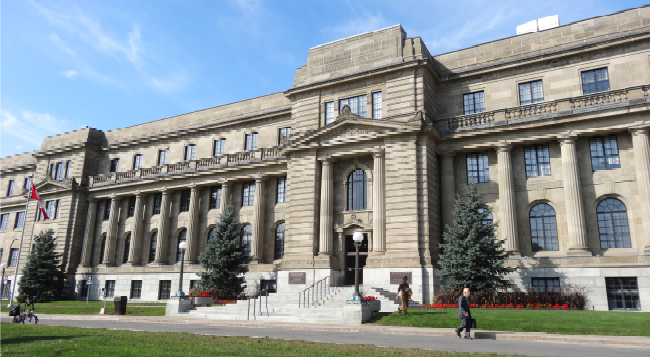
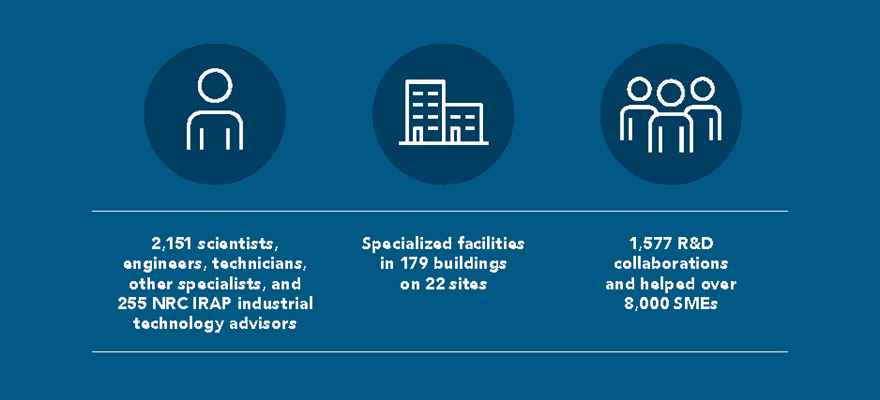
The National Research Council Canada is the primary national agency of the Government of Canada dedicated to science and technology research and development. Headquartered in Ottawa NRC is the government of Canada's largest research and development organization with over 100 years of experience.
In pursuit of Level 3 Facility certification (biosafety level 3 facility cetification) for the M54 Animal Health Lab at the Human Health Therapeutics Research Centre, 1200 Montreal Road, Ottawa, the National Research Council (NRC) faced a major challenge: passing the stringent ASME N511 pressure decay test.
According to Section 1.13 (Duct Testing) of the specifications, all duct systems—supply, return, and exhaust—must exhibit less than 1% leakage. To meet these rigorous standards, NERVA Energy partnered with the NRC, employing advanced Aeroseal technology. This innovative solution effectively seals ductwork from the inside, ensuring compliance and enhancing system efficiency.
| | | | | | |