Age Awesomely—and Look Out for One Another | |
June is Elder Abuse Awareness Month—a time to celebrate what it means to age awesomely while also recognizing the role we all play in keeping our communities safe, connected, and respectful.
Aging should be filled with independence, purpose, and joy. And most older adults are doing exactly that—staying active, engaged, and connected in ways that may even challenge outdated stereotypes.
But even in strong, vibrant communities, some older adults experience harm—and it’s not always easy to recognize.
Elder abuse doesn’t always look like what we expect. It can show up as subtle pressure around money, a sudden withdrawal from activities, missed medical care, or someone seeming fearful or unusually quiet. Sometimes, it’s a gradual loss of control or independence that raises concern.
That’s why awareness matters.
By staying curious, checking in, and trusting our instincts, we can all play a part in protecting the well-being of older adults in our lives—whether it’s a neighbor, a friend, or a family member.
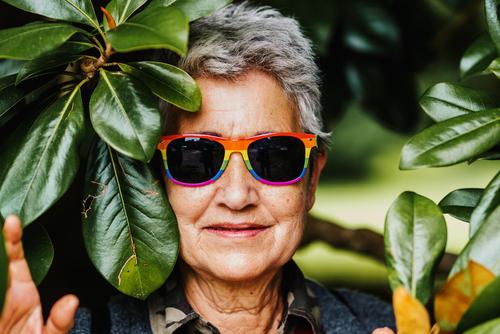
It’s also important to remember that some individuals face added barriers to speaking up. Older adults from LGBTQ+ communities or diverse cultural and language backgrounds may experience stigma, isolation, or mistrust that makes it harder to ask for help. Creating a sense of belonging and safety can make all the difference.
What Can You Do?
-
Stay connected. A simple call or visit can help someone feel seen and supported.
-
Notice changes. Small shifts in behavior, mood, or routine can be important signals.
-
Start the conversation. Ask open-ended questions and listen without judgment.
-
Know where to turn. Understanding available resources makes it easier to act when needed.
When we look out for one another, we help make sure everyone has the chance to live with dignity, independence—and the freedom to age awesomely.
| |
Clear information about elder abuse in more languages helps everyone age awesomely.
Explore multilingual flyers designed to help individuals, families, and caregivers recognize the signs of elder abuse and know how to respond.
When information is easy to understand and available in the languages people speak at home, it becomes easier to start conversations, build trust, and connect to support.
These resources are meant to be shared—whether with a neighbor, a loved one, or within your community.
Together, we can help ensure everyone has the knowledge and confidence to stay safe, supported, and empowered as they age.
| |
Reporting Concerns
You do not need to be certain to report elder abuse. If you suspect an older or dependent adult is being neglected, exploited, or abused, erring on the side of caution is always the right approach.
Each California County has an Adult Protective Services (APS) agency to help elder adults (60 years and older) and dependent adults (18-59 who are disabled), when these adults are unable to meet their own needs, or are victims of abuse, neglect or exploitation.
County APS agencies investigate reports of abuse of elders and dependent adults who live in private homes, apartments, hotels, hospitals, or who are, or soon will be, experiencing homelessness.
To report your concerns:
- call 1-833-401-0832
- when prompted enter your 5-digit zip code
You'll be connected to the Adult Protective Services in your county, who are available 7 days a week, 24 hours a day to help.
| | |
Together, we all deserve to age awesomely. Learn more about elder abuse by visiting our website at agencyonaging4.org.
| | Pride Across Generations: Honoring LGBTQ+ Older Adults | | |
June is Pride Month—a time to celebrate identity, resilience, and the ongoing pursuit of equality. It’s also an opportunity to recognize the experiences of LGBTQ+ older adults—many of whom came of age during times of profound discrimination, and whose courage helped pave the way for today’s progress.
This short video from PBS's Nashville affiliate, Nashville Public Television (NPT), offers a closer look at the realities many LGBTQIA+ older adults continue to navigate—from loneliness and isolation to barriers in accessing affirming healthcare and supportive living environments.
It also shines a light on the lived experiences of the Stonewall Generation, honoring what they’ve endured and the progress they’ve fought for—while reminding us there is still more work to do.
| | As we celebrate Pride this month, we invite you to learn more about the needs and strengths of LGBTQ+ older adults—and how we can all help ensure aging is a journey marked by dignity, safety, and belonging. |
Celebrating Pride Locally
Creating communities where people can truly thrive as they age means fostering belonging, building trust, and ensuring access to culturally competent care.
Here in our region, Sacramento Pride (June 13–14) offers a chance to come together in celebration—honoring LGBTQ+ history and culture with a vibrant weekend of music, art, and community. It’s a joyful reminder of how far we’ve come—and the importance of continuing to show up for one another.
|
Sacramento Pride Festival & March
Festival Location
- Capitol Mall (3rd–7th Street)
Festival Hours
- Saturday, June 13: 1:00 PM – 7:00 PM
- Sunday, June 14: 12:00 PM – 5:00 PM
What to Expect
- 50+ musical acts
- Three entertainment stages
- Diverse vendors
- Calming tent
- Art pavilion
Pride March
- Sunday, June 14 at 11:00 AM
- Starts at Southside Park
- Ends near the Capitol Mall festival entrance
For more information, visit SacramentoPride.org.
For Pride events elsewhere in our region, check out:
| | |
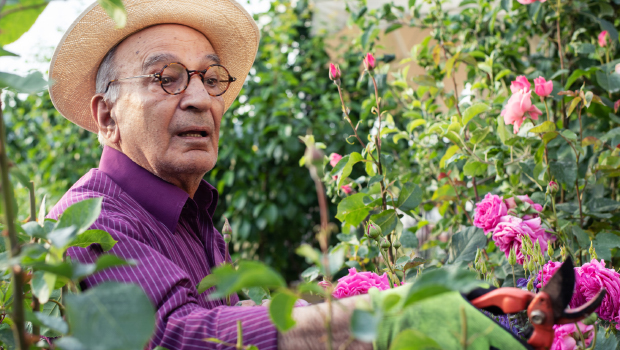
June is Men’s Health Month—a reminder to check in, take charge, and build healthy habits that support well-being at every age.
It’s also a chance for families and communities to encourage boys and men to prioritize their health for the long run.
As we age, small steps can have a big impact. Regular physical activity and balanced nutrition can help men:
- Stay mentally sharp
- Reduce the risk of disease and injury
- Recover more quickly from illness
- Boost energy and overall mood
- Strengthen the immune system
- Better manage chronic conditions
👉 Learn more about the benefits of exercise as you age here.
Key Health Screenings for Men
Preventive care is one of the most powerful tools for staying healthy. Talk with your healthcare provider about screenings like:
-
Heart health checks: Monitor blood pressure and cholesterol, especially since heart disease remains a leading risk for men.
-
Prostate health: Discuss the pros and cons of PSA testing with your doctor.
-
Colorectal screening: Typically recommended starting at age 45.
-
Mental health check-ins: Don’t overlook stress, anxiety, or depression—talking about it is a strong first step.
Taking care of your health doesn’t have to be complicated. A few proactive steps today can lead to a stronger, healthier tomorrow.
👉 Find recommended screenings and guidance here.
👉 Explore more men’s health resources:
| | Cataract Awareness Month: Keeping Your Vision Clear | | |
June is Cataract Awareness Month—a great time to learn how to protect your vision and stay independent as you age.
Cataracts are the leading cause of blindness worldwide, and they’re very common.
In fact, more than half of all Americans will develop cataracts by age 80. They occur when the eye’s natural lens becomes cloudy, making it harder to see clearly—often described as looking through a foggy or dirty window.
The good news? Cataracts are highly treatable.
They typically develop slowly and may not affect your vision right away. But as they progress, everyday activities like reading, driving (especially at night), or recognizing faces can become more difficult.
While cataracts can’t be corrected with glasses or medication, a simple outpatient surgery can restore vision by replacing the cloudy lens with a clear artificial one. It’s one of the most common—and most effective—procedures performed today.
What to watch for:
- Blurry or cloudy vision
- Difficulty seeing at night
- Sensitivity to light or glare
- Colors appearing faded or yellowed
Taking care of your eye health is an important part of aging well and staying connected to the activities you enjoy.
Learn more about cataracts and treatment options here and explore other common age-related eye changes here.
| | |
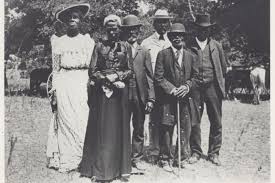
Juneteenth commemorates June 19, 1865, the day Union soldiers in Galveston, Texas, announced the emancipation of enslaved people.
For many older adults, especially within Black communities, Juneteenth carries deep personal and cultural significance, connecting generations through stories of resilience, history, and progress.
As we recognize this day, we also acknowledge the important role older adults play in preserving and sharing this legacy.
In that spirit, we hope you enjoy the resources linked below that can help support learning, reflection, and connection across our diverse communities.
| | |
Emancipation Day celebration, June 19, 1900 held in "East Woods" on East 24th Street in Austin. Credit: Austin History Center.
| |
A Healthy Brain at Any Age:
Alzheimer's & Brain Awareness Month
| | |
June is Alzheimer’s & Brain Awareness Month—a time to learn more about brain health, support caregivers, and recognize the early signs of Alzheimer’s and other dementias.
More than 55 million people worldwide are living with Alzheimer’s or another dementia, and many families are impacted every day. Knowing what to look for can make a meaningful difference.
Common Warning Signs
- Memory loss that disrupts daily life
- Trouble planning, problem-solving, or completing familiar tasks
- Confusion about time or place
- Difficulty with words, conversations, or following along
- Misplacing items and not being able to retrace steps
- Changes in mood, personality, or social engagement
If you notice these changes in yourself or someone you care about, it’s important to talk with a healthcare provider. Early evaluation can help identify what’s going on and connect you to support.
Simple Ways to Support Brain Health
Healthy habits can help keep your brain strong as you age:
-
Stay active: regular exercise supports brain function.
-
Get good sleep: aim for 7–8 hours each night.
-
Eat well: a Mediterranean-style diet supports brain health.
-
Keep your mind engaged: read, play games, or try new activities.
-
Stay connected: social interaction supports memory and mood.
| | Immigrant Heritage Month: A Closer Look | | |
In recognition of Immigrant Heritage Month, we would like to highlight the important role older immigrants play in our communities—as family anchors, cultural leaders, and essential care workers.
As they age, many also face higher risks of poverty and barriers to accessing services and support. Understanding their experiences helps us build more inclusive, responsive aging systems. Read more in this fact sheet from the Justice in Aging Center.
| | Valuable Safety Tips in honor of National Safety Month | | |
June is National Safety Month—a timely reminder that small steps can make a big difference in protecting our health, independence, and peace of mind as we age.
For older adults, falls are the leading cause of injury—but the good news is that many risks are preventable with a few proactive habits and simple home adjustments.
Prevent Falls
Staying steady on your feet helps you stay active and independent.
- Talk to your healthcare provider about your fall risk, especially if you’ve fallen before.
- Ask about balance or strength-building exercise programs.
- Wear supportive, non-slip footwear indoors and out.
- Use a cane or walker if recommended—don’t rely on furniture for support.
- Take your time—rushing (like to answer the phone) can lead to falls.
- Consider a wearable alert device for added peace of mind.
Did you know?
Did you know that Agency on Aging Area 4 offers a free resource with on-demand access to reinforce and expand on your fall prevention knowledge.
This online course is designed to be accessible for everyone, including those unable to attend in-person programs, ensuring that fall prevention support is available to all who seek it.
In this free course you’ll find home safety strategies that teach you how to identify and eliminate potential hazards in your living space, engage in targeted exercise routines that improve your strength and balance, and learn valuable empowerment techniques that help shift your mindset from fear to confidence.
Click the button to learn more and enroll!
| |
Make Your Home Safer
- Keep walkways clear and well-lit.
- Secure rugs to prevent slipping.
- Install handrails on stairs and grab bars in bathrooms.
- Use non-slip mats in showers and tubs.
Prevent Fires & Household Hazards
- Install smoke and carbon monoxide detectors—and check batteries twice a year.
- Avoid overloading electrical outlets.
- Keep heaters at least 3 feet from flammable items.
- Never leave candles unattended or cook in loose clothing.
- Know two safe exits from your home in case of fire.
Use Medication & Household Products Safely
- Keep medications in original containers and use large-print labels if needed.
- Review medications regularly with your provider.
- Never mix cleaning products like bleach and ammonia.
- Store household chemicals safely and use them in well-ventilated spaces.
Protect Yourself
- Keep your windows and doors locked at all times.
- Never let a stranger into your home when you are there alone.
- Talk over offers made by telephone salespeople with a friend or family member.
- Do not share your personal information, such as social security number, credit card, bank information, or account passwords, with people you do not know who contact you.
- Always ask for written information about any offers, prizes, or charities and wait to respond until you have reviewed the information thoroughly.
- Do not let yourself be pressured into making purchases, signing contracts, or making donations. It is never rude to wait and discuss the plans with a family member or friend.
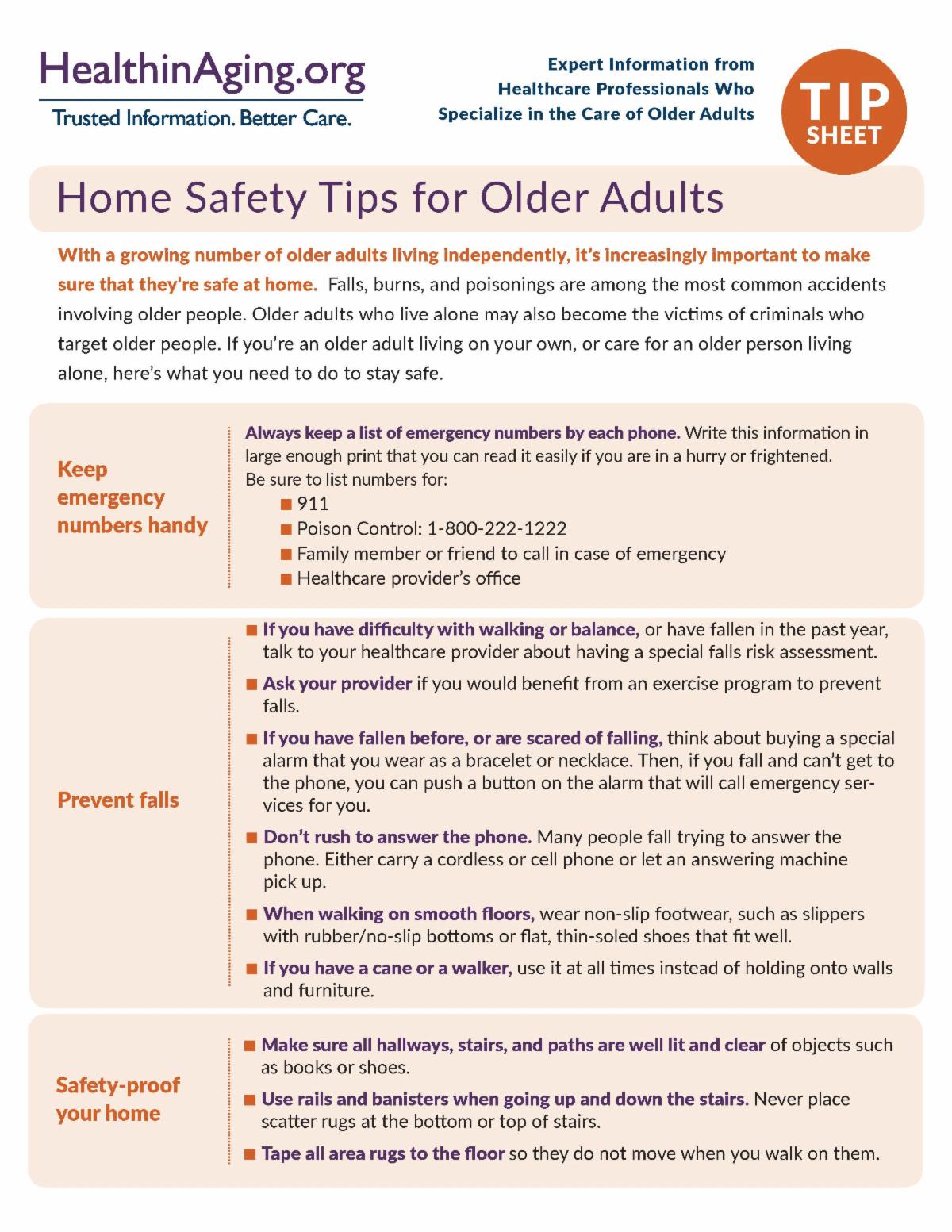
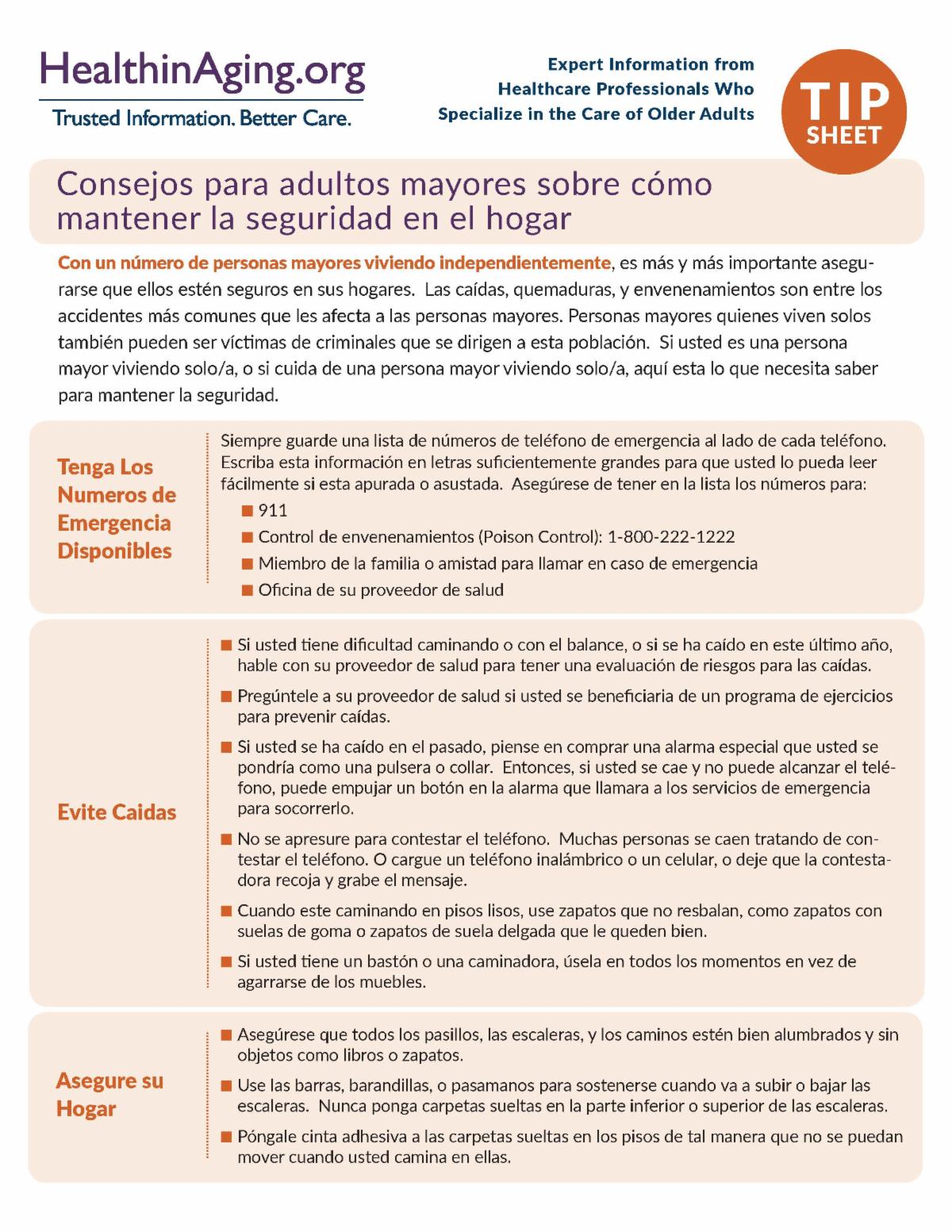
Print Home Safety Tips for the Older Adults in Your Life
| | |
English:
Home Safety Tip Sheet
| | |
Español:
Consejos para adultos mayores sobre cómo mantener la seguridad en el hogar
| | Summer Safety for Older Adults ☀️ | | |
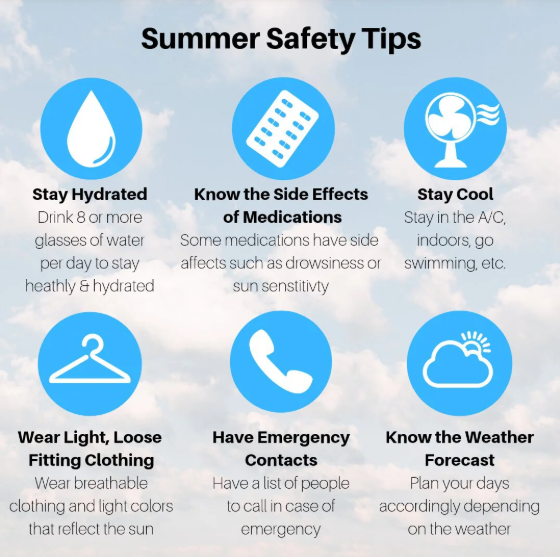
As temperatures rise, it’s important to take extra precautions. Older adults are more vulnerable to heat-related illness, making hydration and cooling especially important.
Stay Cool & Comfortable
- Drink water regularly—even if you’re not thirsty.
- Stay indoors during peak heat hours.
- Wear lightweight, light-colored clothing.
- Use fans or air conditioning when possible.
Watch for Heat Warning Signs
Be alert to dizziness, fatigue, nausea, or confusion—these may signal heat exhaustion or heat stroke and require immediate attention.
Get more seasonal safety tips at help4seniors.org.
| |
Sutter County:
Dine Around Town Enrollment Open Now
| | | | | |
Open Enrollment for Dine Around Town Program is happening now.
Dine Around Town is a non-traditional congregate nutrition program that offers meals at local partner restaurants.
Program Participants can enjoy breakfast, lunch or dinner during the week or weekend at no cost to them. Visit our website to learn more about the Dine Around Town Program and application process.
| | |
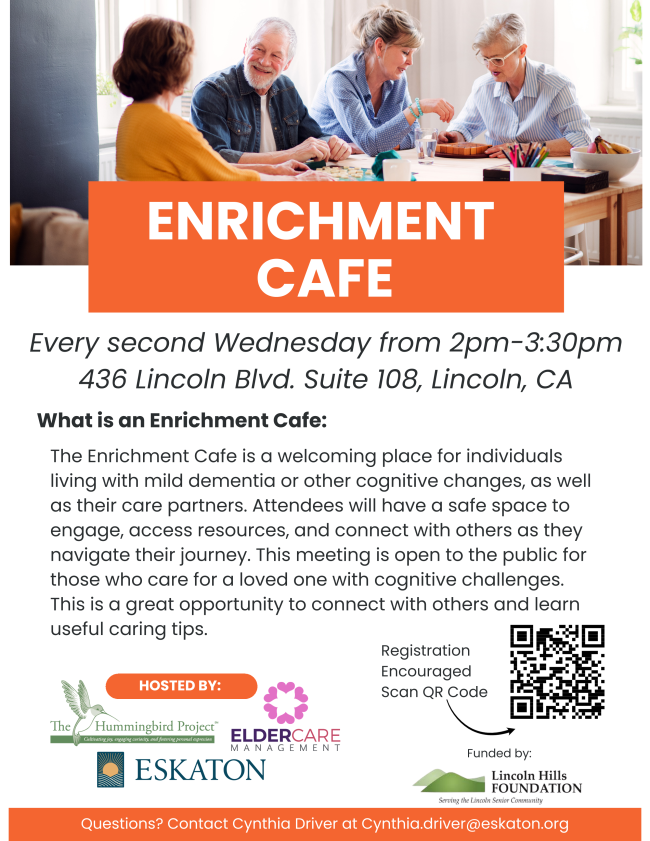
Enrichment Cafe | Lincoln, CA
- 2:00PM—3:30PM
- Every second Wednesday
- 436 Lincoln Blvd., Suite 108, Lincoln, CA
- Registration Encouraged
The Enrichment Cafe is a welcoming place for individuals living with mild dementia or other cognitive changes, as well as their care partners. Attendees will have a safe space to engage, access resources, and connect with others as they navigate their journey. This meeting is open to the public for those who care for a loved one with cognitive challenges. This is a great opportunity to connect with others and learn useful caring tips.
If you have questions or would like to register for this event, please contact Cynthia Driver at cynthia.driver@eskaton.org.
| | Healthy Eating = Healthy Aging | |
Moroccan Carrot Salad
This sweet salad is packed with vitamin A, which keep your eyes healthy.
| |  |
Strawberry Basil Popsicles
These popsicles are fresh and healthy and perfect for cooling off!
| |
Corn & Black Bean Salad
Beans are a great low-fat source of protein and are full of important nutrients.
| | |
Yogurt Cucumber Dip
This cooling dish is perfect with a spicy meal or on a hot day.
| | GetSetUp: Free Online Classes for Older Adults | | |
We have teamed up with GetSetUp to provide hundreds of live online classes to keep you mentally, physically, and socially active. Classes are interactive, easy to join, offered day and night and free for our community.
All those 60+ are welcome and workshops are free when using passcode "area4-ca".
| | This Month's Featured Classes | |
Recognizing the Signs of Elder Abuse
Some forms of elder abuse are so subtle that they often go unnoticed—even by the person experiencing them. This class is for caregivers, nurses, family members, and concerned friends who want to help protect older adults. Elder abuse doesn’t always leave bruises—sometimes the signs are emotional, social, or financial, and easy to miss. You’ll learn how to recognize these subtle warning signs, trust your instincts, and know what to do when something feels off.
| | |
Aging Gracefully: Understanding the Basics of Brain Health
This class is designed to provide individuals with an understanding of how to maximize brain health and promote independence as they age.
The course explores the connection between physical health and brain health and emphasizes the importance of preparing the brain for potential injuries. Additionally, the class covers the rationale for building up muscle memory and provides practical strategies for maintaining cognitive function throughout the aging process.
| | |
Emergency Preparedness Tips for Older Adults
Would you be ready if a storm, power outage, or other emergency happened today? This class walks you through simple, essential steps to prepare your home and protect your health and safety. Get peace of mind knowing you have a plan and the right supplies to stay safe.
| | |
Men’s Health Checklist After 60: What to Monitor and When
Want to stay strong and healthy—or help a loved one do the same? This short class covers essential men’s health tips and screenings to prioritize after 60. From exercise and nutrition to the five key health checks that matter most, learn simple strategies to feel better and live longer.
| | |
Eat the Rainbow! Easy Ways to Add Color to Your Cooking
Brighten up your meals with simple cooking tips using colorful fruits and vegetables! In this quick and creative session, we’ll talk about how to bring more color—and flavor—into your everyday dishes. From red peppers to purple cabbage, you’ll discover fun, easy ways to mix and match ingredients for meals that look as good as they taste.
| | |
Organic Gardening 102: Plant, Tend, and Thrive
Discover the secrets of planting and caring for your organic garden in this class! We’ll cover soil preparation, organic planting techniques, natural fertilization methods, and eco-friendly weed control. Ideal for anyone looking to nurture their garden organically!
| | |
Essential Tips for Safe Hiking
Stay safe and enjoy hiking after 60 with our essential tips! Learn how to choose safe trails, use proper gear, and avoid common injuries. Join us to explore nature confidently and keep fit while having fun!
| | |
Tai Chi - Why it’s Great for Seniors
Interested in learning about Tai Chi and how it may benefit you? Tai Chi is a gentle way to help reduce stress as well as increase flexibility and balance. It combines gentle physical exercise and stretching with mindfulness. This ancient Chinese martial art is practiced for its defense training, health benefits, and wellness impact.
| | |
Exercises to Lower Blood Pressure
Exercise plays a pivotal role in managing high blood pressure, weight control, heart strength, and stress reduction. In this class, we'll practice a low-impact cardio routine, tailored to assist in high blood pressure management.
| | |
| How did you like this email? | | | | For the latest news on healthy aging, follow us on social media! | | |
This material was funded by USDA’s Supplemental Nutrition Assistance Program - SNAP. This institution is an equal opportunity provider. The materials or product were a result of a project funded by a contract with the California Department of Aging.
| | | | |