Help Make Our Community a Better Place

Highlights


Racial Disparities in Addiction Treatment 


Easing Youth Stress


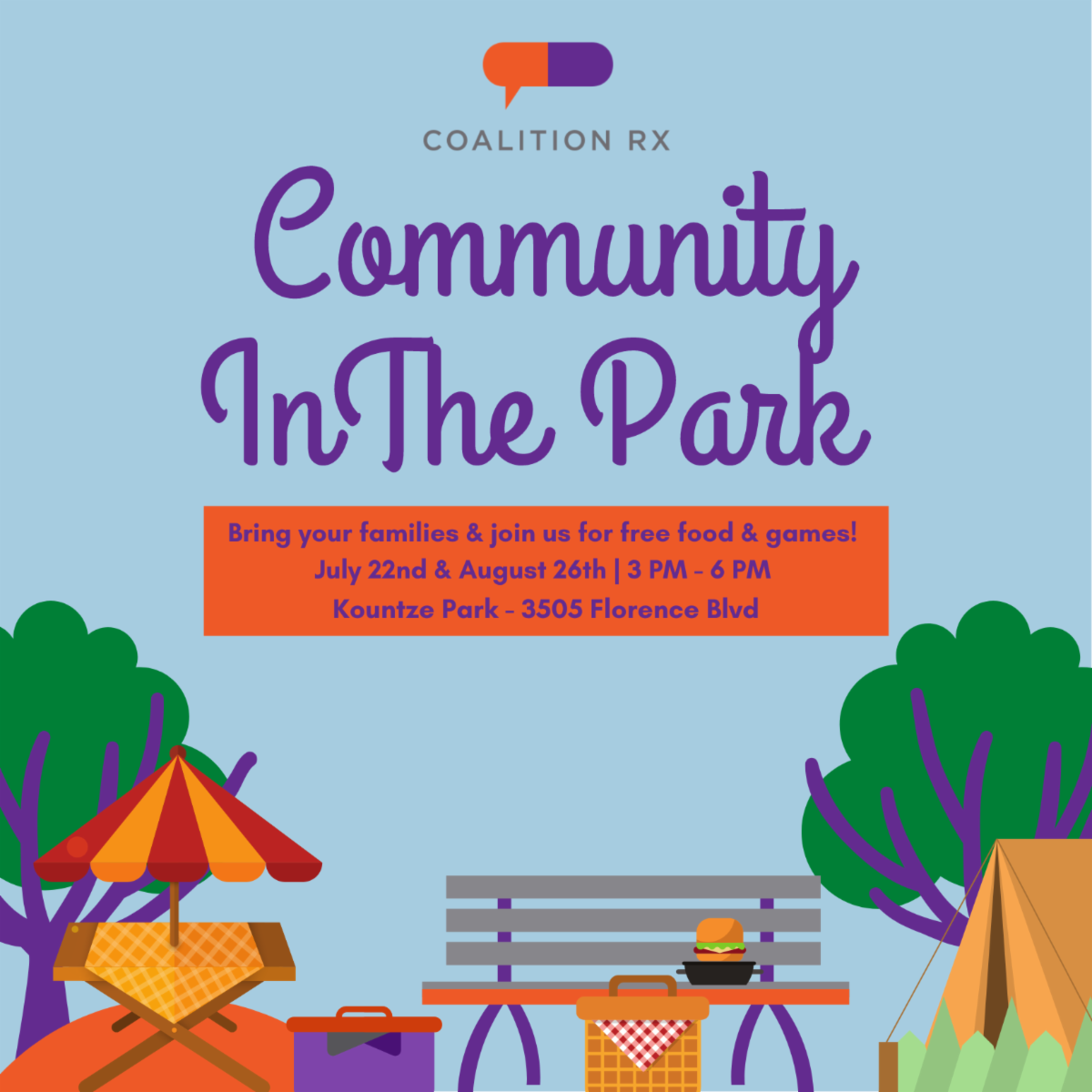
Community in the Park


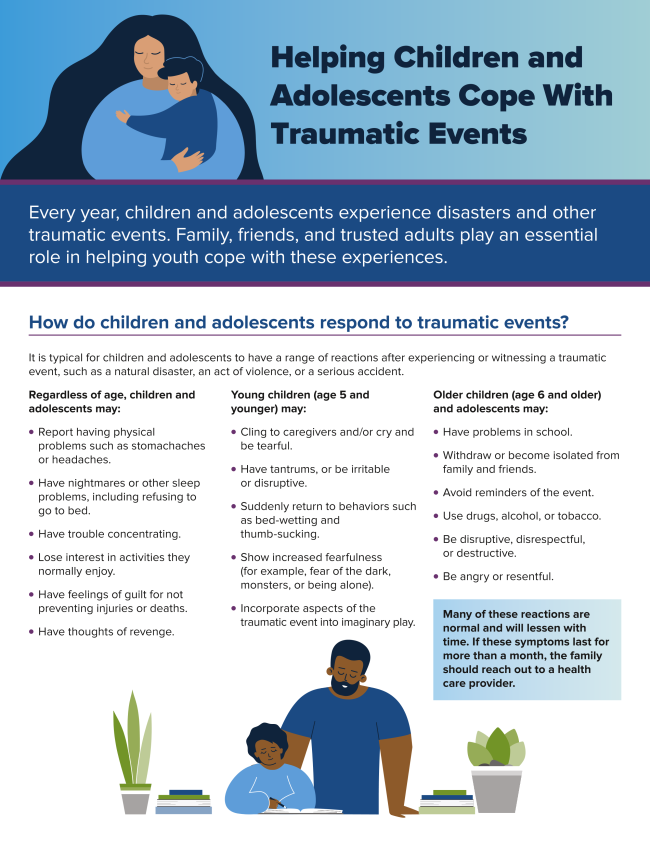
Helping Kids Cope 


In The News

Not Equal: Racial Disparities In Addiction/Substance Abuse Treatment

Medically Reviewed by Johnelle Smith, M.D., Addiction Resource.net

"Racial health disparities are a significant barrier to maintaining good health and quality of life for communities of color in the United States."


Health research in the United States shows that people of color—including Black, Hispanic, Latinx, Native American, and Asian Americans—generally have different levels of access to addiction treatment services compared to white Americans.


Examples of racial disparities in addiction treatment include differences in:


  • access to quality treatment.
  • receiving an accurate diagnosis.
  • being diverted to addiction.
  • treatment rather than the criminal justice system.
  • rates for completing treatment programs for drug and alcohol abuse.
  • length of stay in a treatment program.
  • recovery rates.


Health disparities among different racial groups are driven primarily by social and economic factors that affect populations, not just individual people who are struggling. The Kaiser Family Foundation defines racial health disparities as the “higher burden of illness, injury, disability, or mortality experienced by one (politically and socially constructed) population group relative to another.


 Drug and alcohol abuse affects millions of people in the United States each year, according to data compiled by U.S. federal health agencies. Both substance abuse and acute withdrawal from drugs and alcohol can have life-threatening consequences for people without access to quality treatment and a social safety net.


People of color (POC), especially those who are low-income, are more likely to experience disparities in access to care compared to their white counterparts.


Several factors can influence this, including:

  • racial bias
  • inadequate financial resources (including lack of health insurance)
  • stigma in communities of color
  • the disproportionate criminalization of drug and alcohol use in the Black and brown communities


Non-white populations are less likely to be referred to addiction treatment, are less likely to have the financial resources to pay for treatment, and are more likely to be diverted into the criminal justice system for illicit drug use and other drug-related crimes.


While entering an inpatient or residential treatment setting for substance abuse can be critical for immediate stabilization, healing from addiction is not a quick process. Having access to a full continuum of care, including outpatient support, can be very important for supporting people on their recovery journeys."


Addiction treatment centers must also take concrete steps to create treatment environments that are inclusive, culturally competent, and accessible to communities of color who require specialty care. There are several strategies alcohol and drug rehab centers can implement to make this happen."


Continue Reading Here 


What to say to kids about school shootings to ease their stress

By Allison Aubrey, NPR

"If you have school-age children, chances are they've already talked to their classmates about the school shooting in Uvalde, Texas. So what's the best way to know how they're feeling and what they're thinking? Ask them. 


"Children's questions may be very different from adults'," says David Schonfeld, a pediatrician who directs the National Center for School Crisis and Bereavement at Children's Hospital Los Angeles. And the best way to determine how much information they need is to listen to them, he says.


"Before we can offer reassurance or help them with what's bothering them, we have to understand what their actual concerns are," Schonfeld says. His group has developed guidelines for talking to children after a tragic event.


A child's age will determine how much information to share, but that's not the only factor. Their emotional reaction may be linked to how much trauma they've experienced in the past or how closely they're connected to a tragedy. If victims were their peers, the event will take a stronger emotional toll compared with children who hear about the shooting on the news. Regardless, it will take time for parents to comfort children and help them process such tragic events.


"We need to be patient, and sometimes especially young kids need to have these conversations over and over," says Melissa Brymer, director of terrorism and disaster programs at the UCLA-Duke University National Center for Child Traumatic Stress. "Sometimes they need it in little chunks. They might not be able to digest everything in one sitting," Brymer told NPR's Morning Edition.


The American School Counselor Association has gathered a list of resources and tips to help after a school shooting. At the top is the recommendation to keep routines in place. Even if kids are anxious or fearful, there's a benefit to going to school and maintaining daily activities. As the organization explains in its guide, "Kids gain security from the predictability of routine." 


The organization says it's also helpful to limit how much media you and your children take in, whether it's social media, radio, TV, or reading news online. In a crisis, the main reason to watch, listen or read media coverage is to understand what's happening. "But if you're just watching the same coverage over and over again and it's not helping you learn anything new that's important to you and your family, then you probably should disconnect," says Schonfeld." 


Continue Reading Here

What's Happening at Coalition Rx?

The More You Know

For more information please click here

Looking Forward
Donate Here!
Help Reduce the Misuse of Substances of Abuse
 
Founded in 2015, our mission is to reduce the misuse of all substances of abuse by raising awareness and partnering with community organizations to provide public and professional education, prevention and treatment resources, and policy advocacy.
Contact Us
Carey Pomykata Executive Director
(402) 871-5622
 
Facebook  Twitter  Instagram