Roots & Rivers
Haverhill Conservation in Action
| |
Places to go
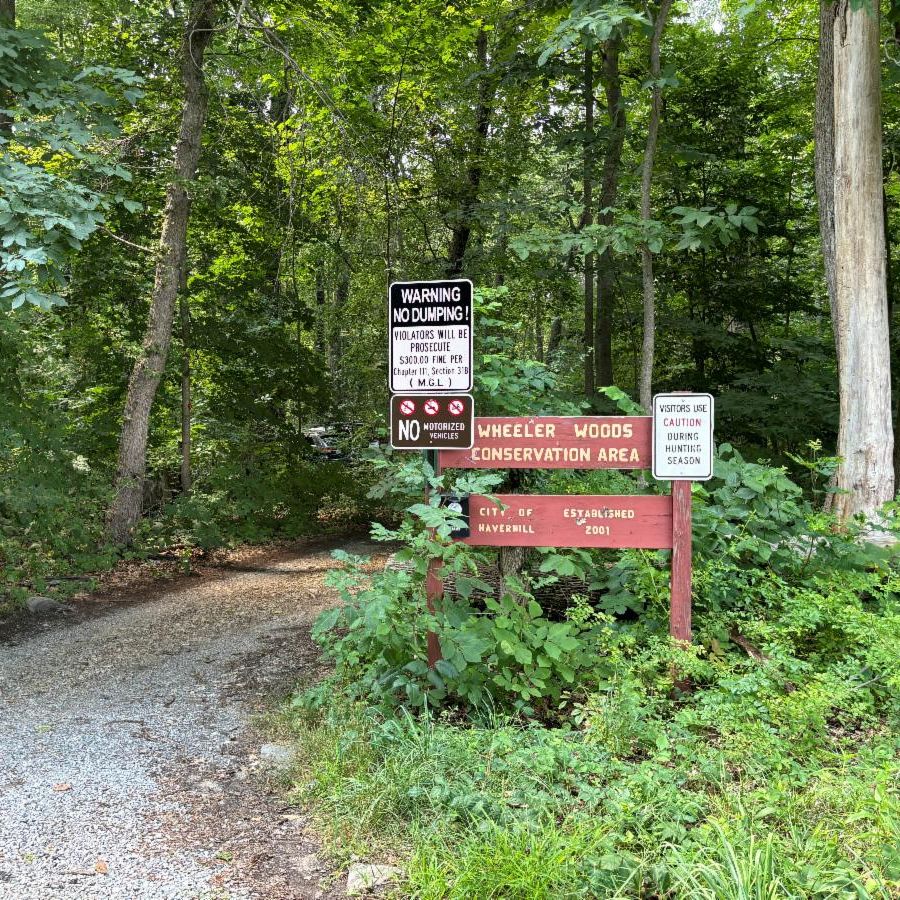
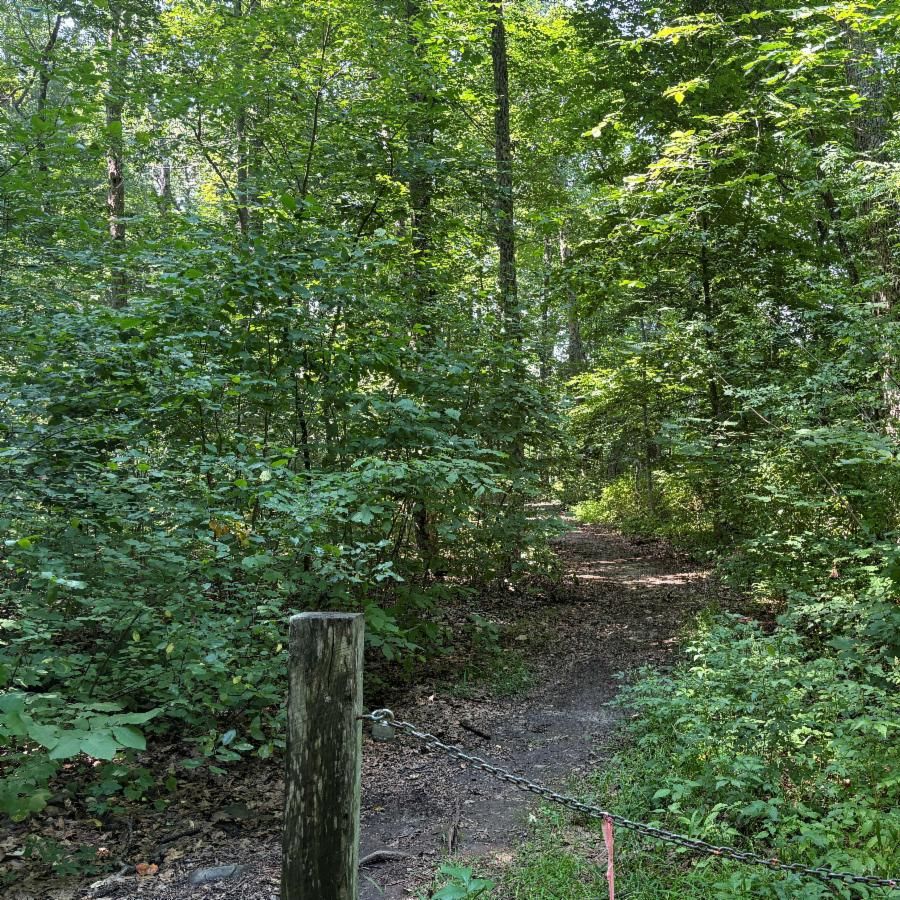
Wheeler Woods
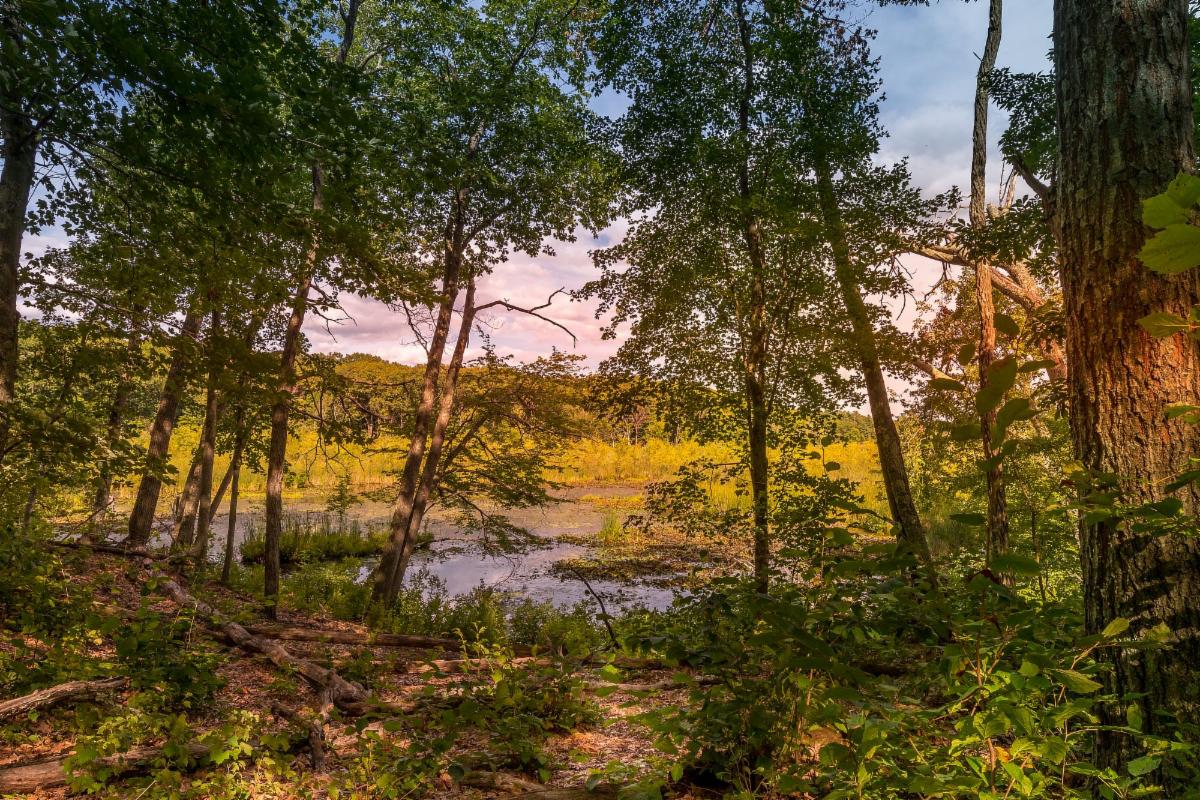
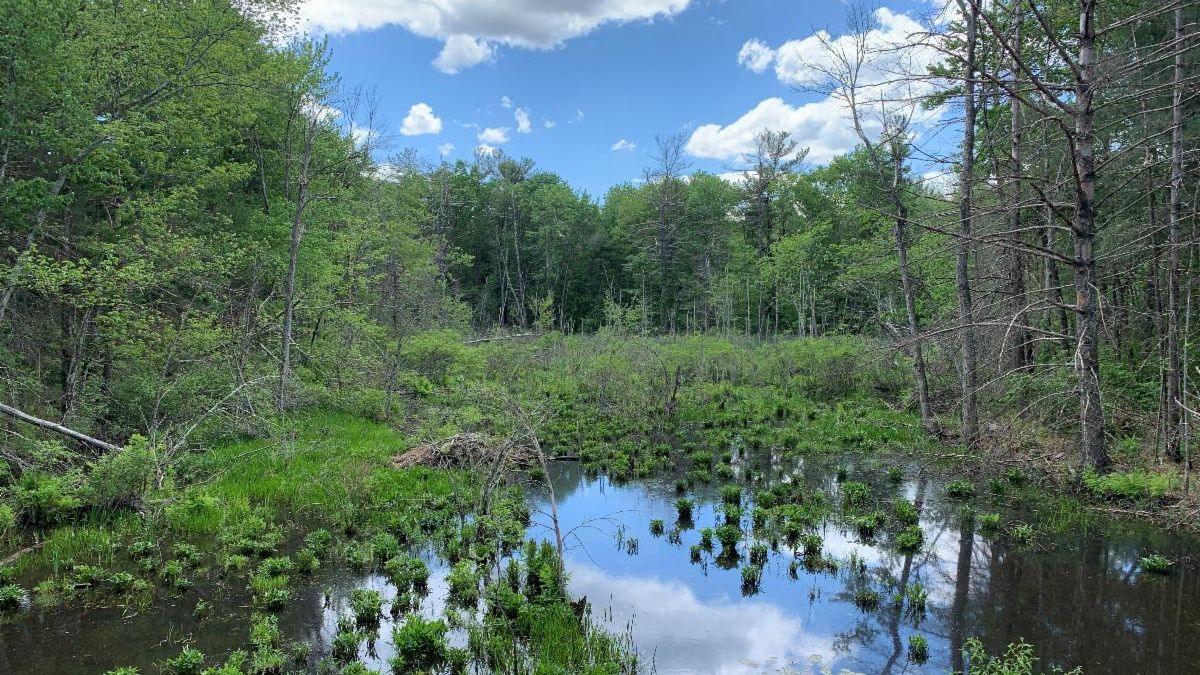
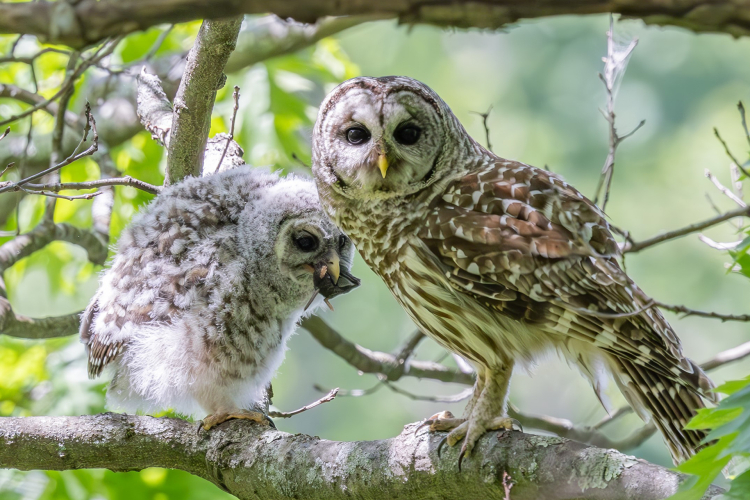
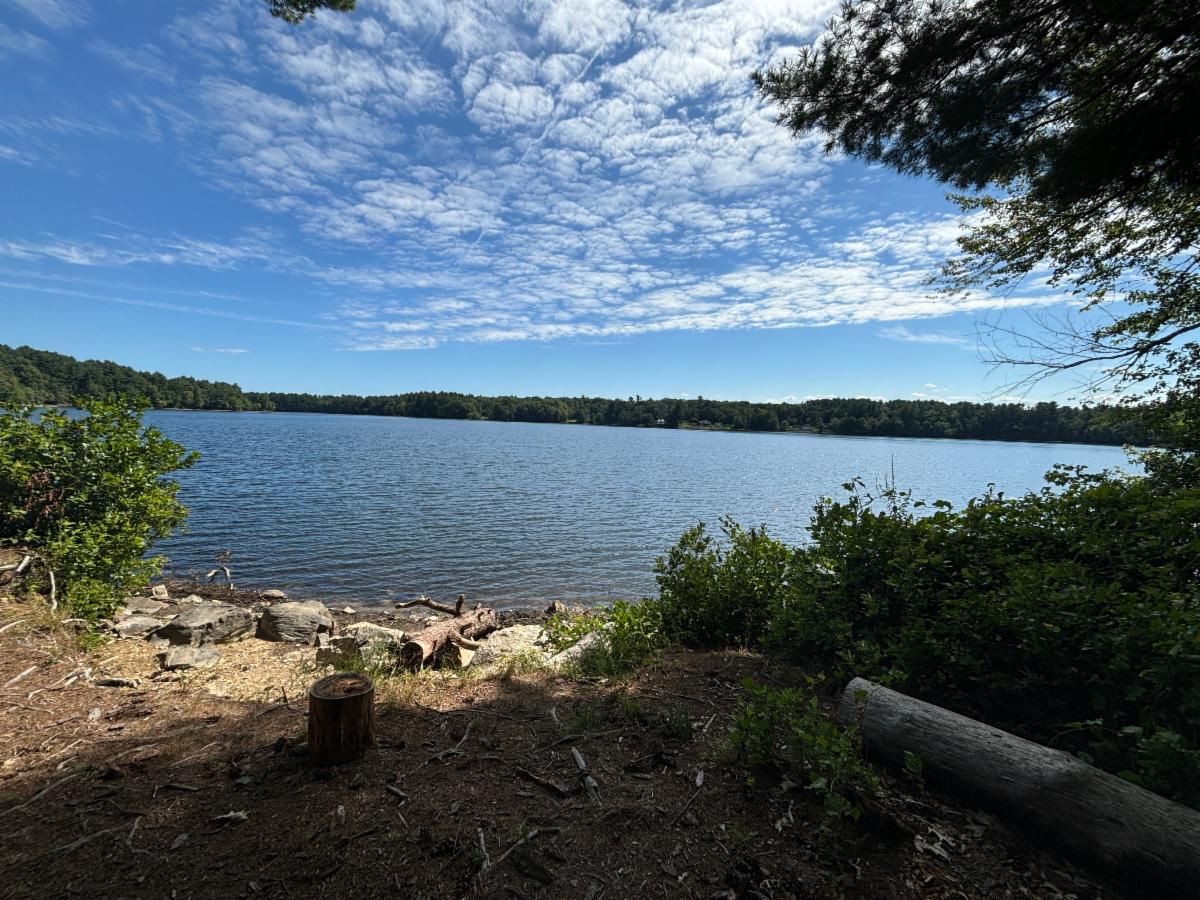
"Lots of songbirds and redwing black birds singing in the floating islands, 2 separate Osprey perched up high, a few duck/geese, evidence that the beaver is awake and is making plans, and a Barred owl echoing across the pond, 'Who Cooks for You?'"
- Barbara D, Haverhill Trails Steward
| |
Wheeler Woods was created by combining 13 acres of city owned land with 28 acres purchased from Benjamin Wheeler in 1999. Mr. Wheeler enjoyed the outdoors and liked managing the woodlot and fishing from the shore of Chadwick Pond. Mr. Wheeler later sold the land to the City of Haverhill under the conditions that it be preserved, protected, and remain open to the public to be enjoyed for recreational use.
Visit Wheeler Woods
| | |
|
Join Essex County Greenbelt for a series of free guided hikes through Haverhill’s stunning conserved areas. Whether you’re a seasoned explorer or new to the trails, these hikes are a perfect way to connect with nature and your community. Let’s hike Haverhill!
Learn more
| | | |
|
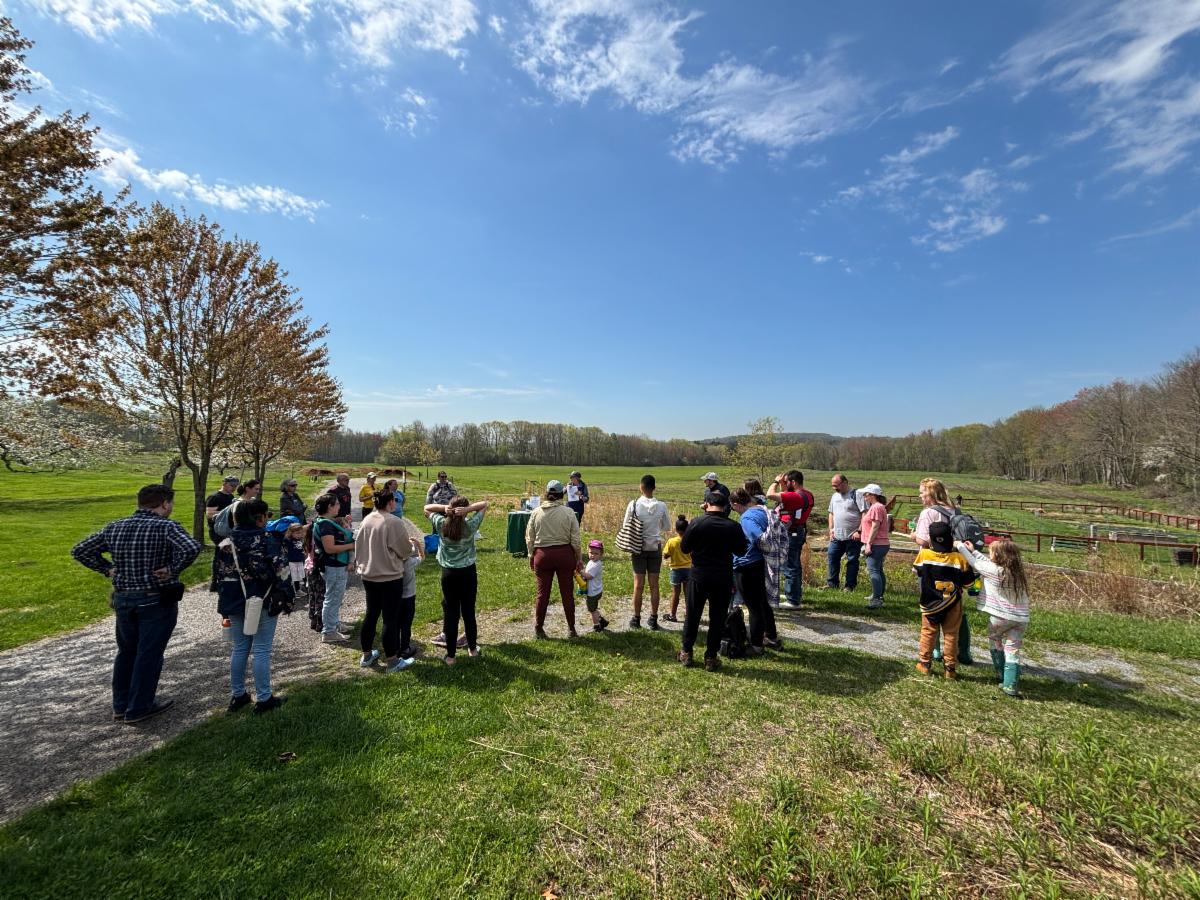
We had beautiful weather for May's hike at Tattersall Farm! Families explored the nature and wildlife for a fun hike for kids. We loved working with this engaged group of kids and parents and appreciate the chance to bring this group out into nature!
PC//Allison Colby-Campbell
| | | | |
Conservation Stories
Bailey Reservation
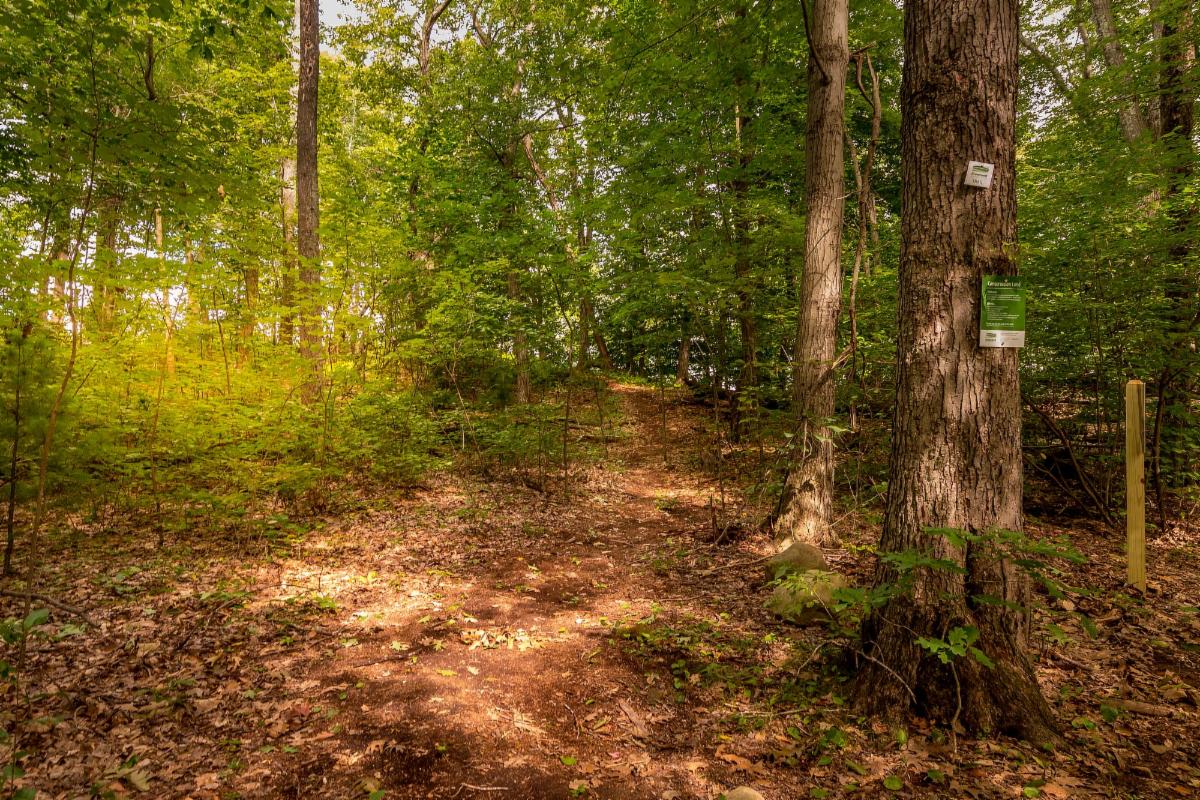
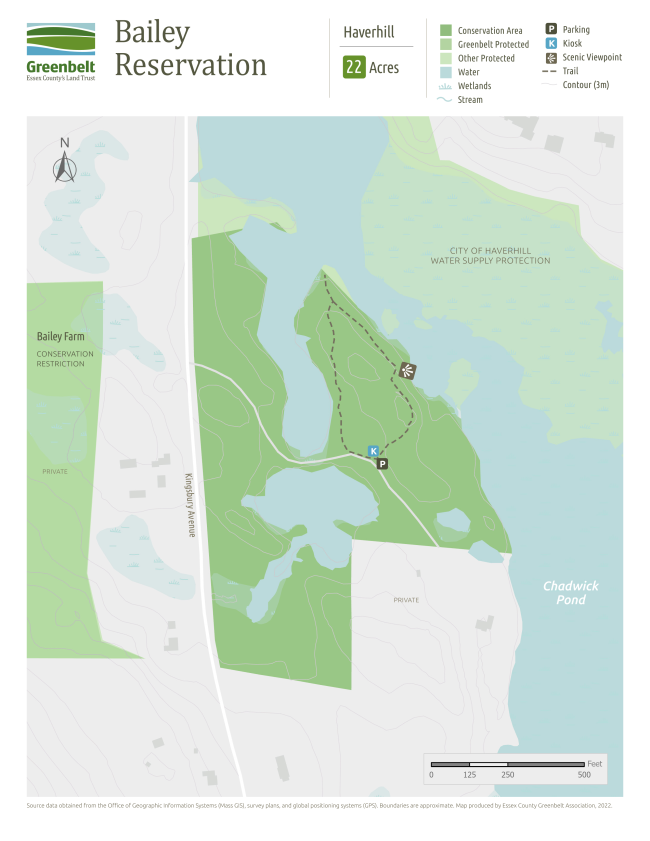
Teeming with diverse and rare species habitats, the area showcases both new and old beaver activity, with many felled trees and saplings—making it an exciting spot to explore with kids. For a short, quarter-mile, easy woodland trail, with Chadwick Pond shimmering beyond, the beauty of this area beckons visitors to explore this natural haven.
This 21.7-acre Reservation, donated in 2017, was the second gift from Janis Bailey and her late husband Perley, whose desire it was to see all of the family’s land protected. In 2012, the Bailey’s first gift to Greenbelt was a Conservation Restriction on their farm across Kingsbury Avenue, protecting 60 acres of privately-owned wetlands, forest and farmland.
The property is an essential part of a broader “greenbelt” of conserved land, including 43 acres of Haverhill drinking water supply land and more than 270 acres of protected woods and farmland. Together, these protected lands help ensure that Chadwick Pond – a back-up drinking water supply for Haverhill and popular destination for fishing and paddling – remains safeguarded from pollution.
Explore Bailey Reservation Essex County Greenbelt - Greenbelt
| | |
Success Stories
City Awarded Drinking Water Supply Protection Grant
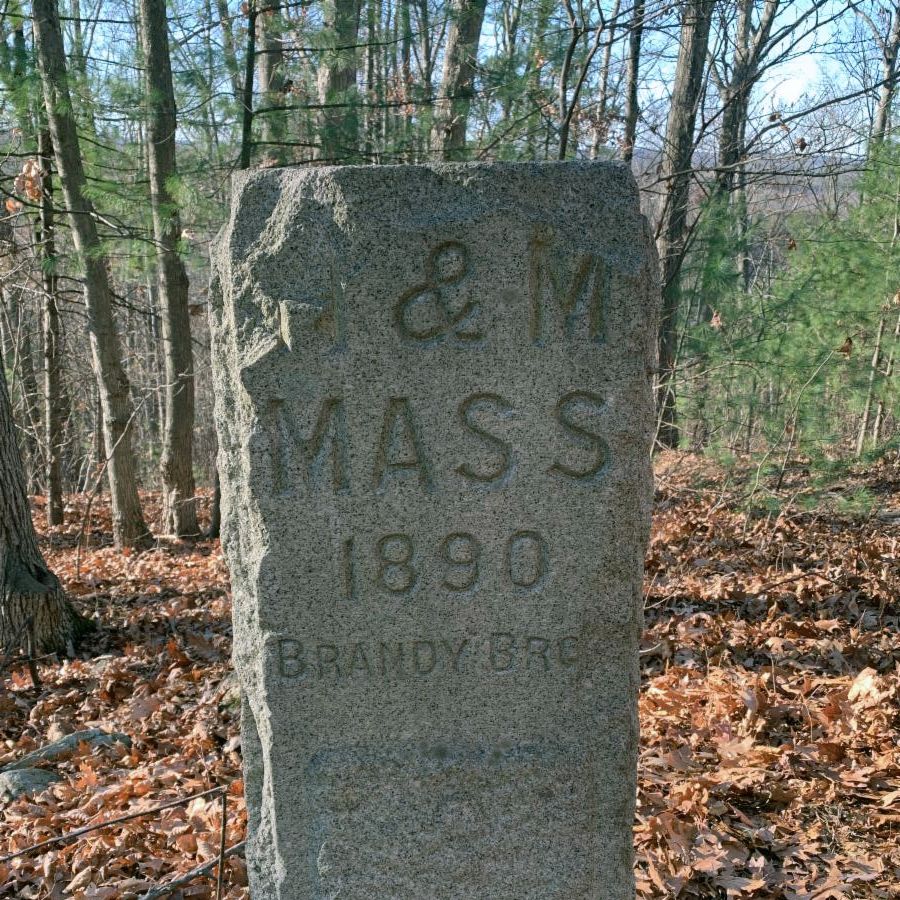
The City of Haverhill sought funding to acquire 41.09 acres of land adjacent to the Brandy Brow Forest Area, an ecologically significant landscape within the Millvale Reservoir watershed, bordering the East Meadow River. The 2,697-acre Millvale Reservoir, which provides 65% of Haverhill’s drinking water, contains feeder streams, wetlands, and marshes that naturally filter out sediment and nutrients, improving water quality. This acquisition aligns with Haverhill’s water resource management priorities, which focus on safeguarding drinking water, preventing pollution, and ensuring long-term ecological resilience.
Haverhill Wins $237K State Grant to Buy Brandy Brow Forest Land to Protect Water Supply - WHAV
| | |
Invasive Species
Asiatic Bittersweet
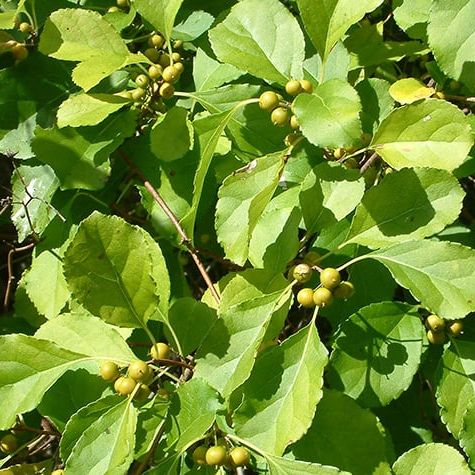
Bittersweet is a common invasive plant found around Haverhill and can be easy to identify. This species forms woody vines that climb up trees, utility poles, and other nearby surfaces it can use to climb toward the sun. In the fall, it has bright yellow to red berries that spread prolifically.
Have bittersweet? Learn more about this species and how to tackle it
| |
|
Water Quality | MassDEP
Protecting Wetlands in Massachusetts
| |
Wetlands are found throughout the state, from the Atlantic coast to the Berkshires. Wetlands help clean drinking water supplies, prevent flooding and storm damage, and support a variety of wildlife.
While we now recognize the benefits of wetlands, that recognition has come late. Since Colonial times, almost one third of Massachusetts' wetlands have been destroyed. Concerned about the loss of wetlands, Massachusetts adopted the nation's first wetlands protection laws in the early 1960s. Today, wetlands are protected by state and federal laws.
| | | |
Division of Fisheries and Wildlife
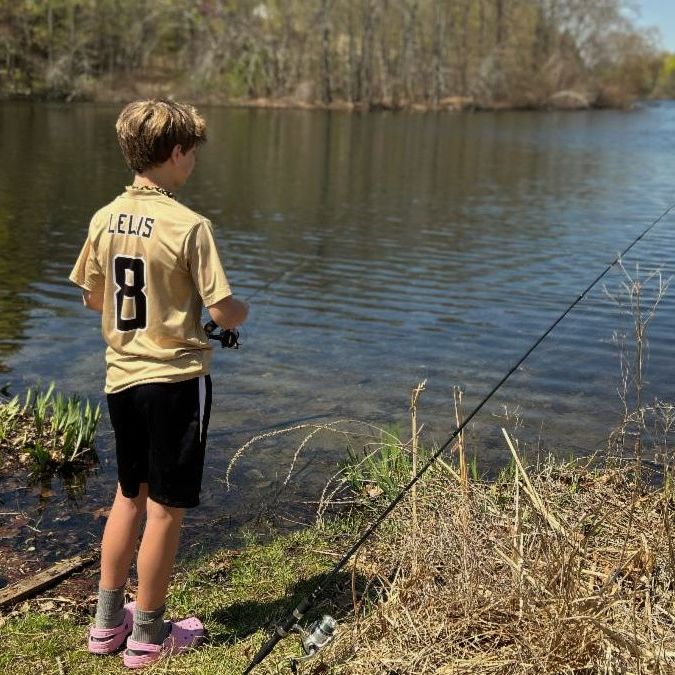
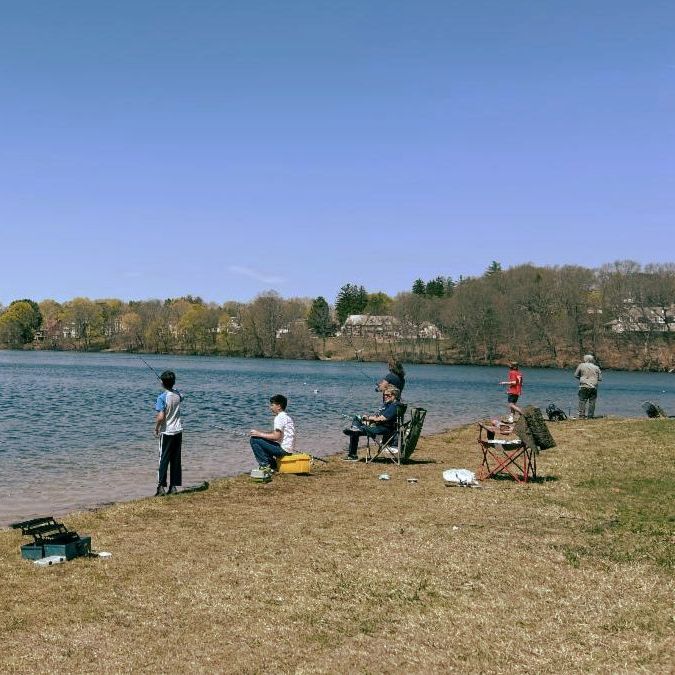
June 7–8, 2024 is Free Fishing Weekend!
No license is needed to fish in fresh water the first weekend in June!
Mark your calendars for this year’s Free Freshwater Fishing Weekend on June 1 and 2! No license is required to fish any public lake, pond, reservoir, stream, or river in Massachusetts from 12 a.m. Saturday, June 7 until 11:59 p.m. Sunday, June 8.
Other than Free Fishing Weekend, you need a license to fish in fresh water if you are 15 or older. If you're 15–17 or 70 and older, your license is free. Funds from fishing license sales support MassWildlife’s fisheries research, fish stocking programs, and angler education programs. Buy your fishing license here.
Go Fish MA! - Interactive Map
| | |
Stay Informed
New City of Haverhill Website
The City recently changed our website platform to make it more user friendly! Find our pages here:
Home | City of Haverhill
| |
Approved Projects
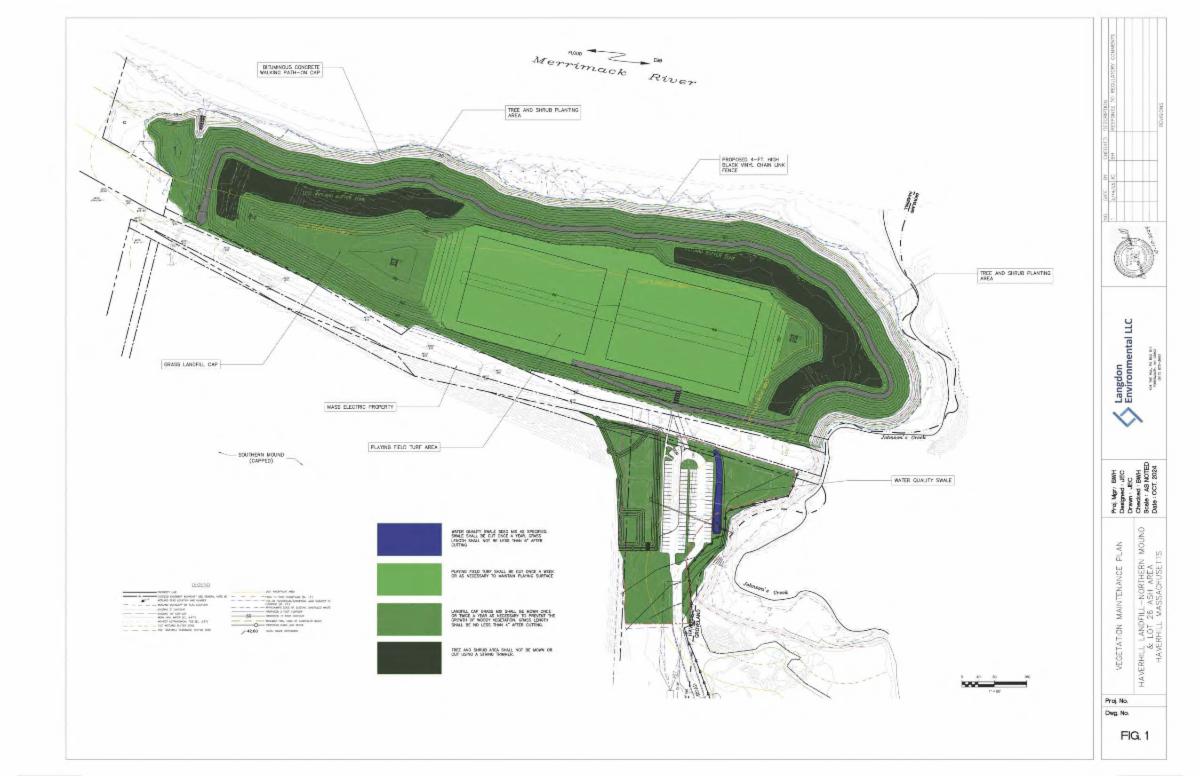
Northern Mound Landfill Capping Approved
The Conservation Commission recently approved the plans for the final capping of the Northern Mound on Groveland Road. Once capped and complete, there will be new soccer fields and trails open to the public.
See the approved plans here
| |
Mass Audubon | Climate and Nature Champions
Protect Animals from Rodenticide Lobby Day
July 24th 10AM-3PM @ 500 Columbian Street, South Weymouth, MA 02190
| |
Join Mass Audubon, MSCPA, and other partners for the Protect Animals from Rodenticide Lobby Day on July 24th. It’s time to speak in one strong voice to our legislators – telling them to stop the use of anticoagulant rodenticides in Massachusetts! Join small groups advocating with your elected officials to support An Act Restricting the Use of Rodenticides in the Environment (H965/S644).
| | |
Wildlife Conservation
Growing Wild for Pollinators Massachusetts
| |
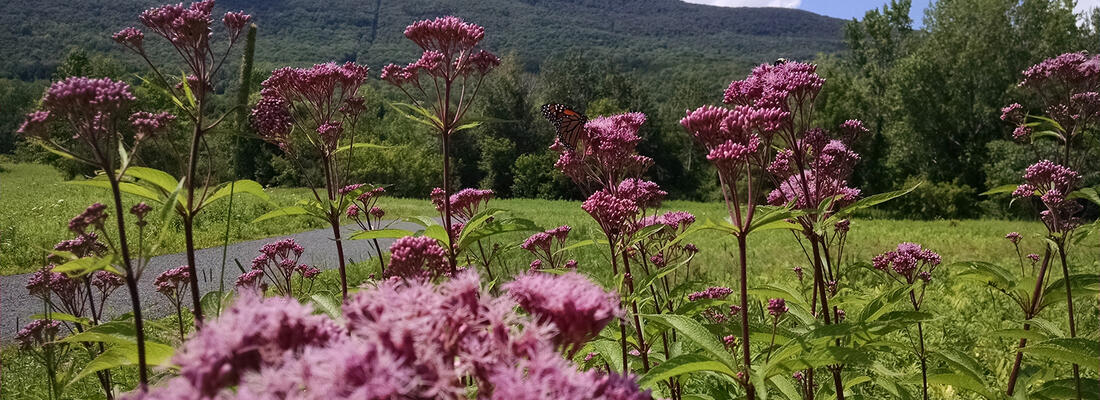
Pollinators are mostly insects (but also some animals) that play a critical role by carrying pollen from plant to plan to create seeds that will become the next generation of plants.
Some plants can pollinate with pollen that is blown around by the wind, but a huge percentage of the plants that we see every day (including up to 75% of all flowering plants and 35% of the plants that we eat) rely upon insects for this vital function that sustains life. In Massachusetts we have many species of native insects that thrive on and support our native plant communities.
Unfortunately, pollinators are having a tough time right now. Loss of native plant habitat, the spread of invasive plant and insect species, climate change impacts on native species and the improper use of some pesticides is threatening our pollinators.
DCR is Growing Wild for Pollinators by expanding and enhancing our landscapes with native plants that support pollinators, wildlife, and the environment. Growing Wild Massachusetts is a movement to create thriving native plant habitat that supports pollinators, birds, and other wildlife throughout the Commonwealth. Join the movement towards a more biologically diverse and sustainable future - starting right in your own backyard!
DCR Will be hosting the following Growing Wild Starter Kit Giveaway Events
Closest to Haverhill
Monday, June 9: 1–3pm
Lawrence Heritage State Park
1 Jackson St, Lawrence, MA 01840
See other locations and dates
| | | | More to see, more to do in Haverhill | | | | |