|
Monthly newsletter from the City of Chula Vista
Sustainability Team
| | |
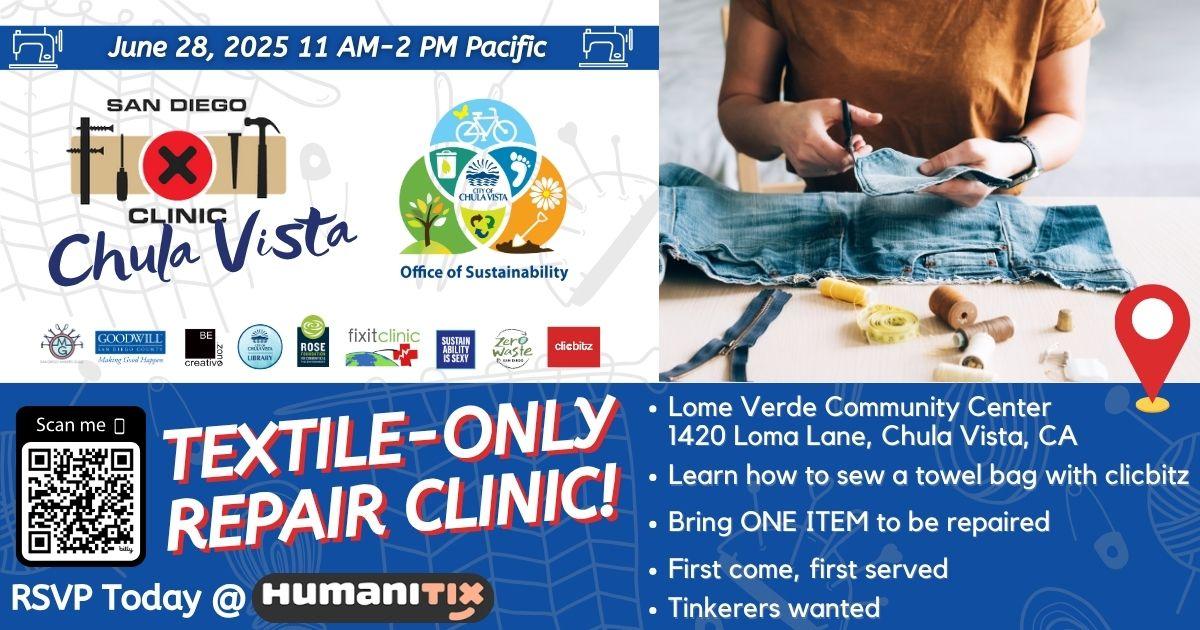
SD Fixit Clinic: Textile Repair Event
The City of Chula Vista Sustainability Division is excited to partner with the San Diego Fixit Clinic and ClicBitz for the upcoming Zero Waste Textile Event! This special event aims to educate our wonderful community about the effects of clothing and textile waste and highlight the importance of embracing sustainable fashion practices.
Join us for a delightful mini textile repair clinic, where you can bring your textile items that need a little love and mending. Please complete the RSVP form to help ensure that we have plenty of volunteers on hand to assist you. Don't miss the opportunity to learn how to sew your very own towel bag using secondhand beach towels, perfect for summer vacation. ClicBitz will bring 17 sewing machines, supplies and guides on how to sew your bag using a sewing machine. No experience is needed.
Also, join us for an engaging presentation from Sustainability staff on the environmental and social impacts of fast fashion. Following the talk, take part in a clothing swap aimed at promoting sustainable consumption.
Clothing Swap Rules:
- Maximum of 5 items per participant
- You may take as many items as you bring
- All items must be clean and in good condition
- Clothing only; no home goods
It’s a fun-filled day for the whole family, so feel free to bring the kids. We can’t wait to see you there!
Date: Saturday, June 28, 2025
Time: 11:00 AM to 2:00 PM
Location: Loma Verde Community Center
Register here.
| | |
Let's Talk Trash! Chula Vista Hosts Free Sustainability Event
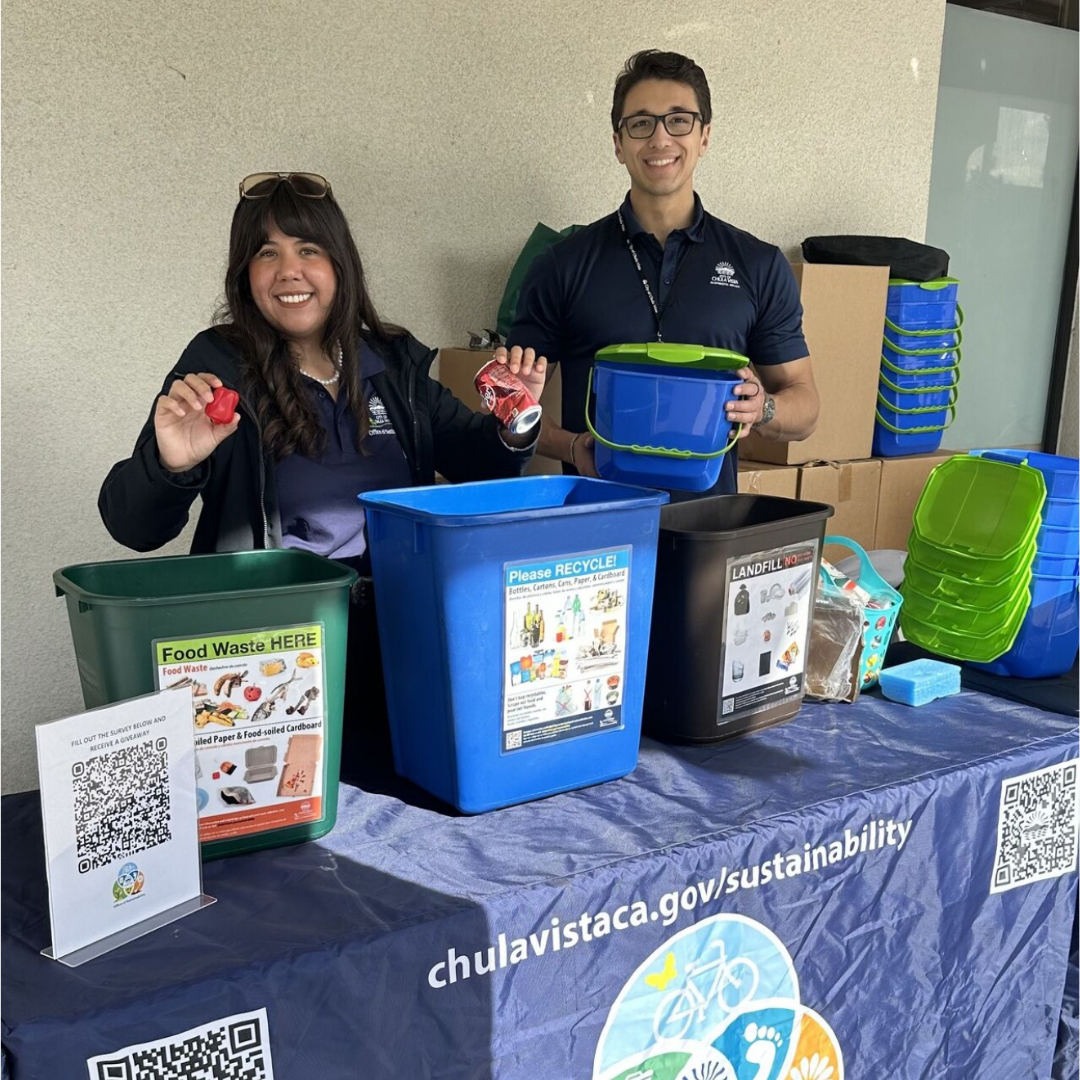
The City of Chula Vista Sustainability team invites residents to join them for "Let's Talk Trash!"—a free, family-friendly event designed to promote sustainable living and waste reduction in the community.
Where: Heritage Park – 1381 East Palomar Street
When: June 14 | 9:00 AM – 12:00 PM
No RSVP needed—just drop by!
This interactive event is a great opportunity to meet local experts and get answers to your questions about:
- Recycling the right way
- Saving energy and water
- Safely disposing of household hazardous waste
- Exploring alternative transportation
- Embracing zero waste practices
Visitors can also take advantage of free resources and eco-friendly giveaways, including:
- Food waste kitchen caddies
- Compost (bring your own container and shovel)
- Zero waste tools and tips
- Helpful information for living more sustainably
Whether you're just getting started or looking to up your eco-game, this event offers something for everyone. For more information, contact the Environmental Services team at 619-691-5122 or email environmentalservices@chulavistaca.gov.
Let’s talk trash—the sustainable way!
| |
South Bay Community Climate Conversation
The County of San Diego is hosting a series of Community Climate Conversations around the County, including one in the South Bay on June 12 from 5:00 pm to 7:30 pm at the South Bay Community Farm in the Tijuana River Valley. The Community Climate Conversations are a place for all to learn, share and shape ideas and efforts to build resilient and safe communities.
Join the event to:
- Learn about projects in your community
- Share priorities that are most important for your neighborhood to be resilient to climate change
- Co-create projects alongside other members of your community
Supported by Climate Action Campaign, Urban Collaborative Project and Bayside Community Center, these events are focused on co-creating projects that build connection to community members climate needs. We'll explore opportunities for your ideas to help our neighborhood thrive. Ideas shared at these events will be used by different County departments and partners to help plan future climate work, apply for funding and tell the story of what our region is doing to fight climate change.
Food will be provided. Participants will have a chance to win prizes through an opportunity drawing. To learn more or register, please visit: https://engage.sandiegocounty.gov/community-climate-conversations.
| | |
Disposal of Expired Medications, Electronics and Hazardous Waste
Are you doing some spring cleaning and have questions about how to dispose of tricky items? Keep reading for all the details!
The City of Chula Vista has two drop-off locations for expired and or surplus prescription medications. The lobby at the Chula Vista Police Department has three bins that accept your unwanted or expired medications. The Southwestern College campus police office building has an additional disposal bin in the lobby.
Why dispose of expired medication? Flushing or disposing down the drain contaminates the waterways and can be challenging to remove at wastewater treatment plants. Additionally, unused or expired medications may pose an issue if children or pets ingest them. So please dispose of your medications properly - it’s not just the environmental safety, it’s also a human and pet safety issue. More information can be found at: https://www.chulavistaca.gov/departments/clean/environmental-services/pharmaceutical-waste
Perhaps your spring cleaning has unearthed some outdated electronics that you are no longer using but are still working. You could donate these items so others can continue to get good use of them. But, if your electronics are no longer working, and are no longer worth the effort and cost of repairing, then you can bring them to our Household Hazardous Waste facility located at 1800 Maxwell Road on Wednesday and Saturday mornings.
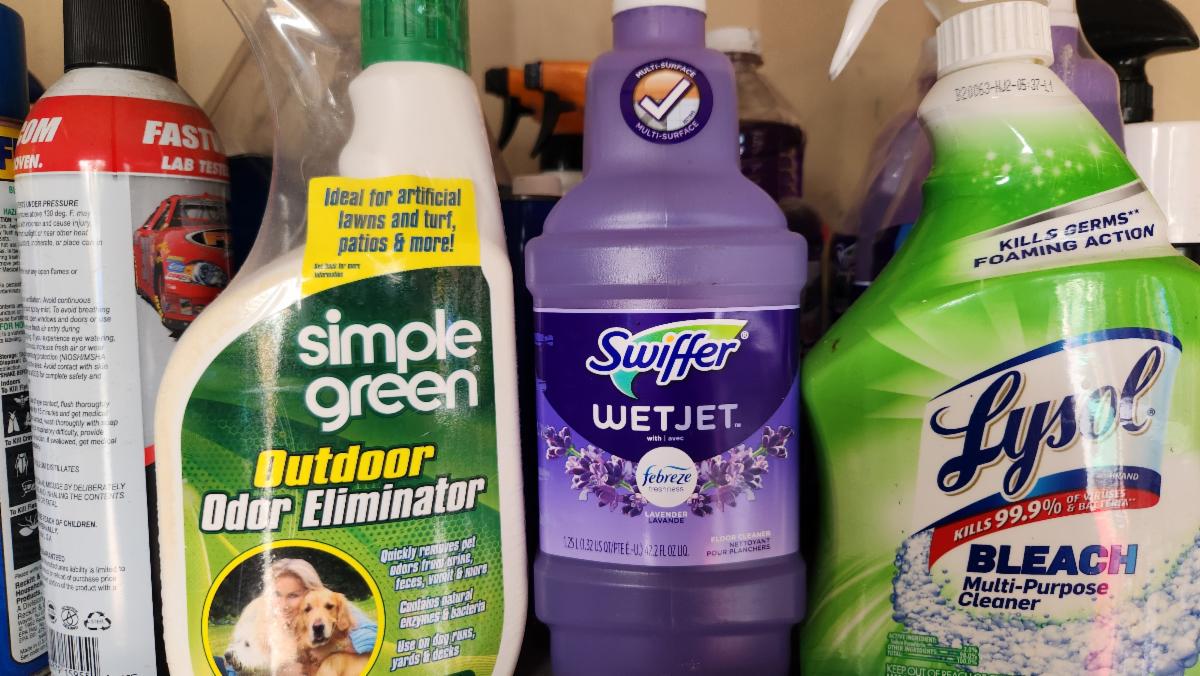
The same applies with your household hazardous wastes like unused cleaning agents, paints and solvents. If you drop off new, unused items you no longer need, they will be put into our Reuse Center for other residents to take home and reuse free of charge. The other items will be disposed of properly to help safeguard our environment. More details can be found at: https://www.chulavistaca.gov/departments/clean/environmental-services/hazardous-waste
| | Sustainability Intern Spotlight | | |
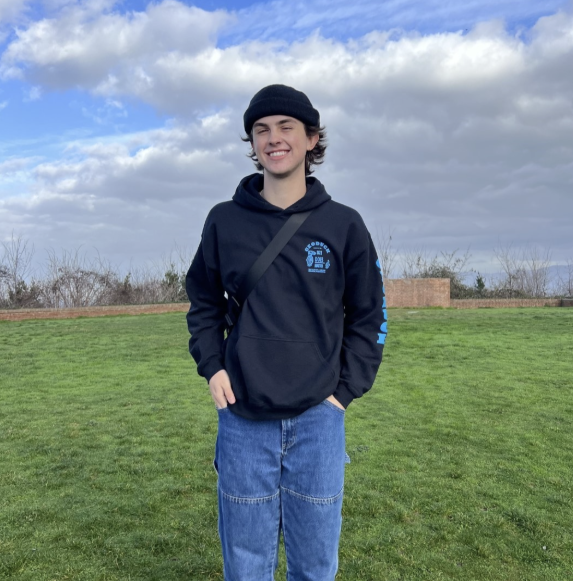
Jack Cofer, a junior at the University of San Diego, spent the past 9 months supporting behind-the-scenes operations within the Sustainability Division. His work was funded through the California College Corps program, which employs 3,200+ students in the work of environmental stewardship, food insecurity, or K-12 education.
He stated, “I’m really grateful for the chance to be a part of such impactful sustainability work. Diving into research on companies that could support the city’s building performance goals opened my eyes to the behind-the-scenes work that drives real change. Also, when helping create energy efficiency guides, I got to explore my love for design and research. I love blending practical solutions with creative design to help local businesses take meaningful action.”
Thank you Jack for all your hard work and dedication. We wish you the best of luck in your future endeavors.
| | |
SoCal Water Smart Turf Replacement Program
Dreaming of a beautiful, eco-friendly yard that thrives in our climate? SoCal WaterSmart's Turf Replacement program is currently offering rebates to help homeowners remove their existing turf and replace it with native drought-tolerant landscaping. It's the perfect opportunity to create a sustainable and visually appealing outdoor space.
The Metropolitan Water District, which is a cooperative of Southern California water agencies, including Otay and Sweetwater Water Districts, is offering a rebate of $2.00 per square foot up to 5,000 square feet of converted yard per year. The Turf Replacement program aims to combine turf removal, irrigation modification and rainwater retention or filtration to support reuse or soil absorption of rainwater. Every turf replacement project will include:
- 3 plants per 100 square feet of area transformed
- A stormwater retention feature
- No hardscape within the transformed area, except permeable hardscape
- Replacement or modification of overhead spray sprinklers
- Tree Rebate (Optional)
To learn more about this rebate and the application process, visit SoCal Water Smart’s website using this link: https://socalwatersmart.com/en/residential/rebates/available-rebates/turf-replacement-program/
| | |
Are You Prepared for an Earthquake?
Living in Southern California means earthquakes can happen at any time, so it's crucial to have an emergency plan ready. It's easy to get complacent with frequent warnings, but being prepared can save lives. Here are some tips from SDG&E to help you respond quickly and keep your loved ones safe in case of a major earthquake.
-
Develop an evacuation plan for your household. For personalized tips, visit sdge.com/checklist.
- Review your emergency plans at work, school or one that you have created for your home and family.
-
Pack an emergency kit for your household. For ideas, visit sdge.com/checklist.
- Update your contact info. Ensure your contact information with SDG&E is current. Update or confirm your info at MyEnergyCenter.com.
-
Sign up for SDG&E power outage alerts at sdge.com/notifications or login to MyEnergyCenter.com.
- Secure your space by walking through your home to identify items that could fall when shaken, then secure those items.
| |
Upcoming Energy Benchmarking Deadline | |
Attention Chula Vista Building Owners! To comply with the City of Chula Vista Building Energy Saving Ordinance, owners of buildings 20,000 square feet and larger must report their energy use, otherwise known as energy benchmarking, annually on the free Energy Star Portfolio Manager platform. Over time, low-performing buildings will need to perform energy audits and address cost-effective building upgrades.
The deadline to report energy use data is June 30. Visit www.chulavistaca.gov/benchmark for the reporting link or email benchmark@chulavistaca.gov for assistance and additional information.
| |
Free Indoor Recycling Bins for Businesses
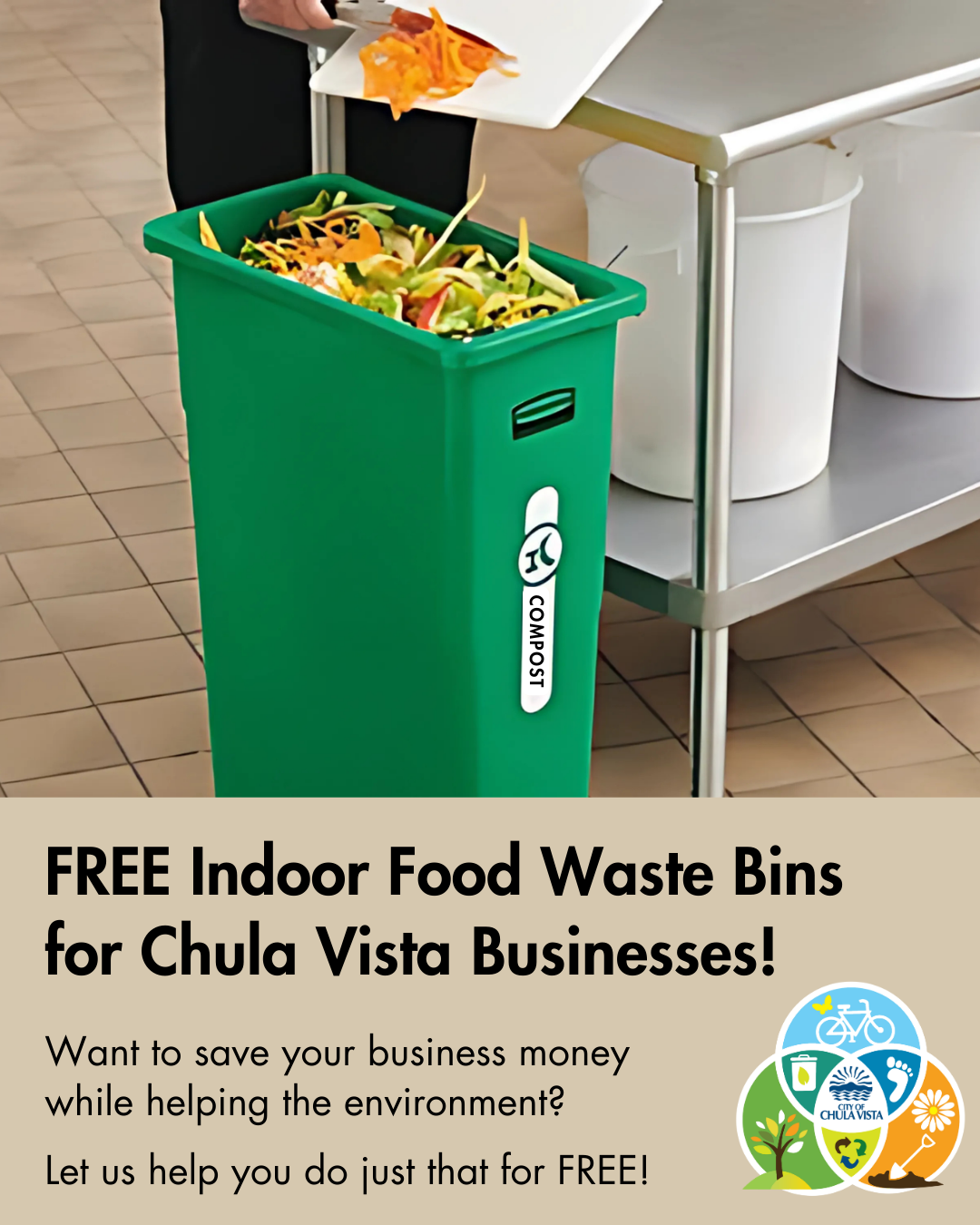
Every small action creates a ripple of change. Chula Vista businesses — join the movement toward a cleaner, greener tomorrow by picking up your FREE indoor food waste recycling bin today. No cost, no hassle, just impact.
Click here to order your containers today! Call us at 619-691-5122 or email environmentalservices@chulavistaca.gov for questions.
| |
The Importance of Urban Green Spaces in Chula Vista
As Chula Vista grows, the importance of urban green spaces becomes even more crucial. From parks to tree-lined streets and community gardens, these green areas help create a healthier, more sustainable city.
Why Green Spaces Matter
Green spaces do much more than beautify our neighborhoods. They reduce heat, improve air quality, manage stormwater and provide places for physical and mental well-being. They also create vital habitats for local wildlife, contributing to biodiversity. Chula Vista is taking steps to integrate more green spaces into urban planning. Chula Vista’s NatureScape program encourages residents to create wildlife-friendly gardens. The city’s efforts have earned it recognition as a Community Wildlife Habitat, reflecting its dedication to preserving natural habitats within urban areas. The city participates in the Urban Greening for Sustainable Communities Program, which funds projects to enhance urban forests, open spaces and community gardens, contributing to a more sustainable environment. Chula Vista is also focused on restoring native habitats like grasslands and coastal sage scrub. Open Space Maintenance Districts ensure that green spaces remain well-maintained for residents’ enjoyment.
Looking Ahead & Getting Involved
Residents can help by participating in tree-planting programs, supporting green infrastructure projects and adopting sustainable landscaping practices. Volunteering with local environmental organizations is another great way to get involved. Chula Vista’s commitment to green spaces plays a key role in creating a more sustainable future. As the city grows, these green areas will continue to provide cleaner air, cooler temperatures and healthier living conditions for everyone.
Resources
For more information, visit:
| | |
Sacramento-based Company Produces Exotic Leather from Discarded Fish Skin
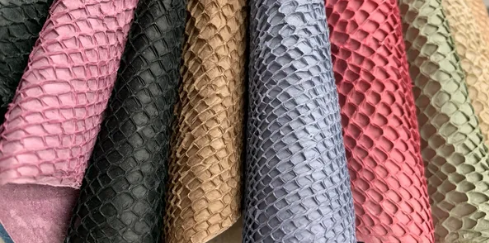
Using innovative, eco-safe processes to convert raw fish-skins into high-valued leather, Aquaborne creates a high value product from something that was going to waste. This product is applicable in many industries, such as fashion, interior décor, automotive, marine, etc. The environmentally conscious leather uses fish skin derived from aquafarming operations throughout California, an organic biproduct of production that normally goes to our landfills in large amounts.
Aquaborne’s facility blends traditional craftsmanship with a chromium-free processes to deliver great quality and durability. They process skins from seven different species such as Sturgeon, Mahi mahi, Salmon, Barramundi, Pacific Halibut, Corvina and Chilean Seabass.
Custom tanning is offered for unique needs, ensuring each leather piece meets specific color, texture, thickness or finish. Even fish scales are saved and used to create a high value product. Once discarded as waste, scales can be repurposed to add texture, visual interest and sustainability to fashion and design projects. This solution-based material is catching the attention of major accessory and clothing designers, and you might soon find their leather in a jacket worn by models on a high-fashion runway or in a purse or footwear at your favorite store.
Aquaborne’s goal is to offer an alternative to the leather industry’s environmentally damaging operations worldwide. Animal agriculture and its methane and nitrous oxide–rich products, including leather, are leading contributors to climate change. Runoff from feedlots and dairy farms also creates a major source of water pollution. According to the United Nations Food and Agricultural Organization, 16.5% of all greenhouse gas emissions are linked to animal agriculture. Of that, 62% of direct emissions are tied to cattle rearing.
The difference in the climate impact of animal-based leather clothing and accessories versus those made from more sustainable, cattle-free alternatives is significant. According to calculations, a cow skin leather tote bag produces 100.5 kg of CO2e. These calculations also only consider the skins of cattle, without the entire ‘production’ of the animals. If the entire production process were calculated, CO2e emissions would be even higher for animal-based products with much of this impact being created at the farm level.
So, keep an eye out for some innovative new products on the market that may help reduce the impacts of climate change!
| | |
Refill Stores – A Great Way to Reach Your Waste Reduction Goals
Zero-waste refill stores enable consumers to shop sustainably by reducing plastic and packaging waste associated with grocery items. The typical trip to the grocery store produces a lot of waste, from grocery store bags (paper or plastic), plastic and glass to non-recyclable, mixed-material containers for produce, snacks and toiletries. By the time you finish shopping and head home, you’re saddled with an armful of single-use materials.
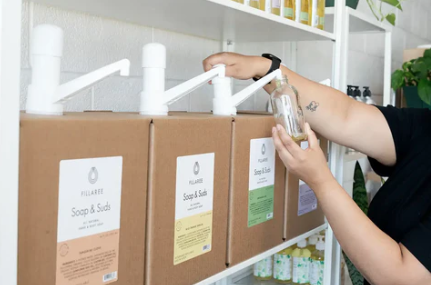
Luckily, refill stores are popping up to tackle the problem. These eco-friendly, modern grocery stores offer the option to refill bulk goods, like flour, soap, coffee and nuts, in reusable containers that shoppers bring from home.
In the U.S., we produce more than 82 million tons of waste from containers and packaging each year, and supermarkets are the biggest offenders. Packaging made of plastic is particularly problematic as the synthetic material can take anywhere from 20 to 500 years to decompose in landfills. Plastic and microplastic pollution have been found across Earth, from Mount Everest to the deepest depths of the ocean, and even within your own blood. Chemicals released by plastic waste can also leach into the environment, contaminating groundwater, oceans, rivers and soil and negatively impacting animals and plants.
For environmentalists, reducing plastic waste has been an essential mission for several decades, and despite pushing paper straws and reusable bags and water bottles, the world is still producing double the amount of plastic it did two decades ago.
While it’s impossible to ditch plastic completely, individual consumers can make a difference by foregoing single-use plastics where they can. Refill stores, like package-free shopping, offer the ability to do just that where a store sells a range of bulk foods, including dried fruits, rolled oats, pastas, lentils, oils, sugar, rice and even bulk powder for your dishwasher and laundry needs. But they aren’t the only shop trying to make a dent in packaging waste. On the East Coast, the New York area has several refill stores like Precycle, Earth & Me and Sustainable Village, some even offer bulk shampoos, conditioners, soaps, toothpaste tabs, lotions and pet foods, along with produce and other typical grocery items.
Most of these stores are small and independent but a handful of larger corporations are also jumping on the refill train, following the example of classic bulk grocery stores such as Mom’s Organic Market, a Mid-Atlantic bulk supermarket chain, and Canadian bulk grocery store Bulk Barn, both founded in the ’80s.
In the UK, Asda, a popular British supermarket chain, opened its first refill store in 2021 as part of its mission to reduce plastic and help customers shop more sustainably. Shoppers can buy in bulk from over 100 loose products — including name brand cereals such as Kellogg’s, loose leaf teas and Procter & Gamble’s shampoos and conditioners — often at a cheaper price point.
Meanwhile, luxury beauty brand L’Occitane has installed refill stations at several stores across the globe that offer refills on products like the classic verbena shower gel, citrus verbena shower gel and shea verbena liquid soap.
The zero-waste grocery store business model is a transformative one, but there are some drawbacks. Refill shops often require customers to bring in their own clean, dry containers to avoid contamination, and to reliably reuse them instead of throwing them away once they’re empty. But when you consider the amount of plastic and packaging waste a simple act like shopping at a refill store keeps out of our environment, making the switch is a no-brainer. The next time you’re due for a grocery shop or a toiletry refill, look for a bulk refill store near you.
| |
On Demand Accessible Rides: FREE for 55+ · $2 for Under 55
Need a ride? The Chula Vista Community Shuttle is here for you!
Monday - Friday · 7 AM - 7 PM
Now serving all ages in Northwest Chula Vista!
It's easy:
- Download the CIRCUIT RIDE app.
- Set up your account.
- Share your location and drop a pin where you want to go.
Whether you need to get an appointment, visit family and friends, catch the trolley, or grab lunch or happy hour after work in northwest Chula Vista, leave it to us.
To learn more about this service visit the Chula Vista Community Shuttle website.
| | | | |