|
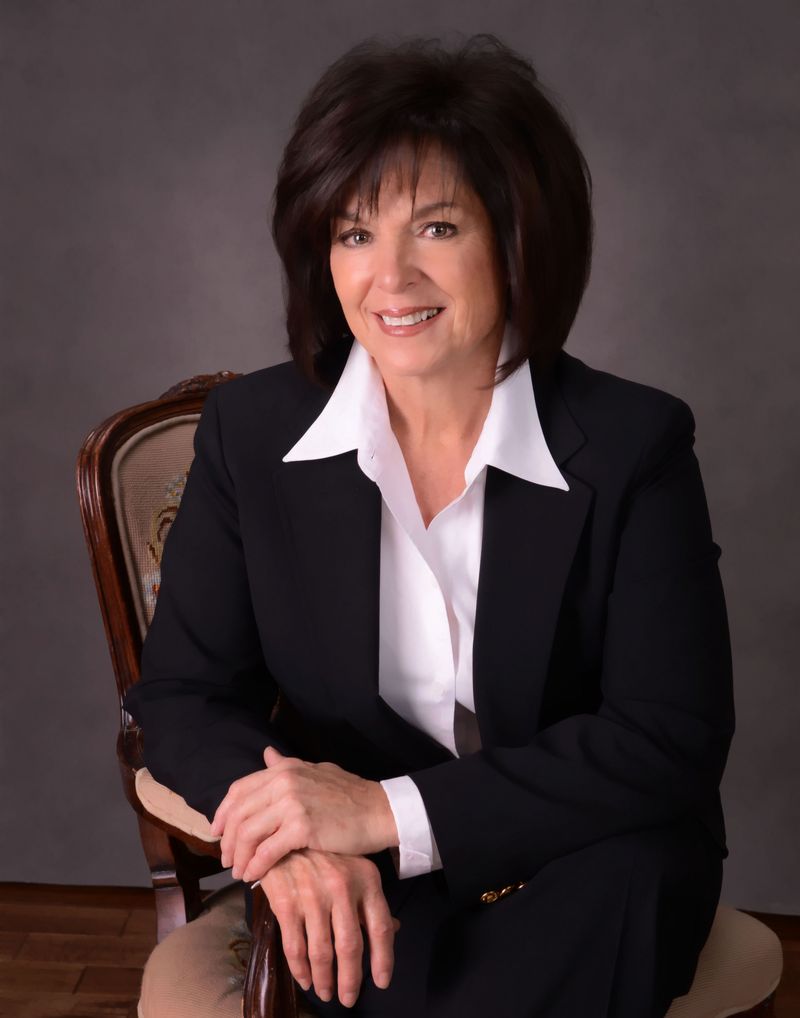
From 2002 to 2012, a full decade, Mantha Phillips helped guide Wyoming Agriculture in the Classroom (WAIC) through one of the most pivotal eras in its 40-year history. Serving first as vice chairman and later chairman, she helped transform WAIC from a program into a sustainable statewide educational organization.
Her connection to the mission began long before she ever joined the board.
Growing up on her family ranch in Jay Em and farm in Torrington, she saw firsthand a growing divide between people who lived agriculture and those who only heard about it. Not from lack of interest, but lack of opportunity.
That changed during a WAIC field experience near Lusk at the Hanson Ranch.
In partnership with the Niobrara County Conservation District (NCCD), students tested water quality, studied soil erosion, and even learned about dung beetles. One child suddenly shouted that he had discovered what he wanted to be when he grew up.
What struck Mantha most was what Lisa Shaw and Joann Wade of the NCCD said that day:
We don’t want to teach kids what to think — we want to teach them how to think.
A commitment to teaching critical thinking through real-world experience became the foundation of her long commitment to WAIC and continues to be a key part of WAIC’s mission.
Learning Beyond the Classroom
Before hands-on learning became a national education trend, WAIC was already practicing place-based education across Wyoming.
Programs like WAIC’s earliest workshops and the Niobrara Magic School Bus gave students real exposure to the natural world:
The magic school bus brought students to farms and ranches, then had asked them to reflect through journals and presentations designed to help them understand land stewardship and decision-making.
This approach perfectly matched Mantha’s belief that education should create the ability to think critically, not focus on rote memorization.
A Turning Point: Becoming an Independent Nonprofit
During her chairmanship, WAIC made a defining decision to become an independent nonprofit organization.
Previously housed within the Wyoming Department of Agriculture (WDA), the program had grown. However, for WAIC to truly become an educational organization, it was critical to have the resources to raise funds and establish curriculum on its own. Operating as an independent non-profit would allow WAIC to:
- Raise its own funds
- Develop curriculum aligned with Wyoming State Standards
- Expand its statewide reach
- Build long-term sustainability
The transition required careful cooperation with state leadership, but the partnership remained strong afterward — evolving from an administrative structure into a collaborative mission. Jason Fearnyhough, Director of the WDA at the time, worked alongside several legislators and the WAIC team to successfully navigate the process. The WDA continued to support WAIC and WAIC relied on WDA as a partner in our efforts to bring agriculture and natural resource education to the schools.
Building a Sustainable Future
Another milestone followed: hiring WAIC’s first full-time executive director.
This single step changed everything. Ultimately, WAIC hired Jessie Berry.
Dedicated leadership allowed WAIC to scale curriculum development, support teachers statewide, and begin building an endowment — moving from a program that existed year-to-year to one designed to serve Wyoming indefinitely.
Then came a transformational moment: a matched $750,000 gift from Encana.
This gift was initiated prior to Mantha’s chairmanship with the help of Encana’s Randy Teewen, Dennis Sun, and many others. It was a matched gift which meant WAIC needed to raise $750,000 within a year. As chairman of WAIC’s Endowment Committee, we went to work and with the help of Press Stephens, the board of directors, and the graciousness of many donors, the funds were raised. This successfully secured WAIC’s financial stability and helped launch what would become the Wyoming Stewardship Project.
As WAIC expanded its programming, it became clear that agriculture could not be taught in isolation. It is deeply connected to Wyoming’s energy and natural resource industries. With multiple sectors working to bring information around their industry into classrooms, teachers struggled to weave it into cohesive lessons.
In response, WAIC partnered with educators and industry leaders to create an integrated, place-based approach that presented the full system rather than individual parts. This collaboration ultimately evolved into the Wyoming Stewardship Project and is today known as Wyo Wonders.
Stewardship as a Wyoming Value
For Mantha, WAIC’s purpose reflects something deeper than curriculum.
It reflects Wyoming culture.
Stewardship, responsibility, and neighborliness are not taught here because they are required — they are practiced daily.
The same principles guide how communities care for land, businesses, and each other. “Along with this stewardship and work ethic comes being a good neighbor…whether it’s a business or the person next door, looking out for others, being there when needed, even if it’s not convenient, sums up Wyoming’s people. It’s the right thing to do.”
WAIC simply helps the next generation understand why.
Looking Ahead
Mantha sees WAIC as Wyoming’s trusted source for education about agriculture and natural resources — not only for students, but for newcomers discovering the state.
As Wyoming grows, understanding the land becomes more important, not less.
And after 40 years, that original philosophy still holds:
Teach students how to think.
Connect them to place.
Let experience shape understanding.
Here’s to the next 40 years.
|