|
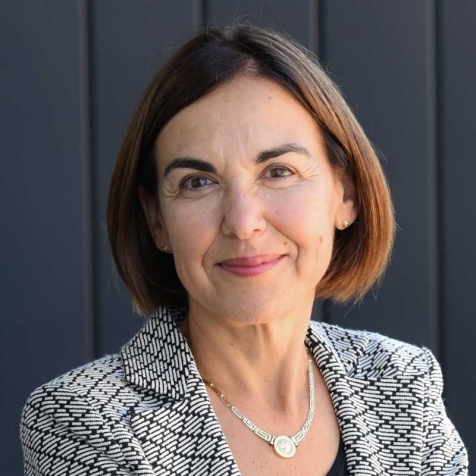
Lidia Schapira MD, FASCO, Professor of Medicine (Oncology)-Stanford University School of Medicine, Director Cancer Survivorship Program-Stanford Comprehensive Cancer Center. Director CME Program Development-Department of Medicine
June is Cancer Survivorship Month, so let us take a moment to celebrate every survivor and co-survivor’s story and learn from their experiences. The term ‘survivor’ refers to any person diagnosed with cancer from the moment of diagnosis and for the rest of their life.
As of January 2022, there were an estimated 18 million cancer survivors in the US, which is about 5.4% of the population. The number is expected to increase to 26 million by 2040. Many of them are long-term survivors, meaning that they have lived five or more years since their diagnosis. In fact, today we include people living with advanced cancer in the definition, and some have coined the term meta-survivor for people living with metastatic cancer. The fact that many people are living with advanced cancer as a chronic illness reflects the great advances in cancer treatment.
Improved methods of detection, combined with more effective and tolerable treatments, have contributed to the increase in survivors overall. Each person faces a unique set of challenges, but one in four survivors reports a poor physical quality of life and one in 10 reports poor mental health-related quality of life. We need to do better. And, with an aging population, we expect the number of people diagnosed and living with cancer will only increase, and so too will the complexities of delivering care.
Cancer survivors may struggle with symptoms from treatment that persist for many years after the end of treatment. The most common such symptoms include fatigue, nerve damage from chemotherapy drugs, emotional distress, and anxiety. In addition, cancer survivors speak of loss of relationships, loss of paid employment and financial hardship. These experiences tell us volumes about the effort, cost, and time they invested in undergoing treatment for cancer. Read full article here.
|