|
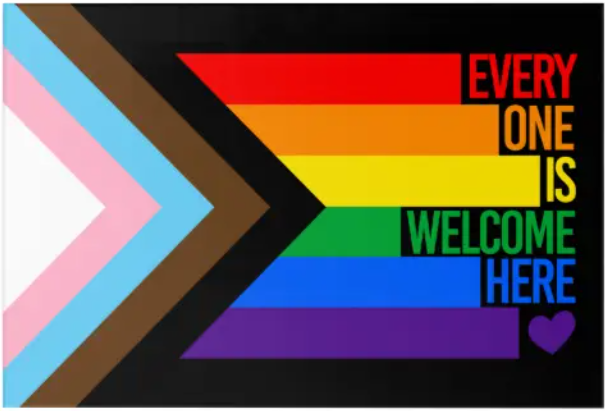
Pride Month is a recognition of the identity, dignity, equality, acceptance and visibility of the LGBTQ+ community. First recognized by the federal government in June 1999 by President Clinton, LGBTQ+ Pride Month takes place each June and is dedicated to the celebration and commemoration of lesbian, gay, bisexual, transgender, and queer/questioning pride.
Pride Month began after the Stonewall riots, a series of gay liberation protests in 1969, and has since spread outside of the United States. LGBTQ+ is an evolving acronym that stands for terms that people use to describe their experiences of their gender, sexuality and physiological sex characteristics.
How PRIDE is Relevant to Mental Health
The LGBTQ+ community, especially younger members, interpersonally and systemically, faces societal stigma, discrimination, harassment, family rejection, and denial of their civil and human rights, according to Mental Health America. They are one of the most targeted communities by perpetrators of hate crimes.
As of March 2026, the American Civil Liberties Union (ACLU) is tracking 500 anti-LGBTQ bills, fueling frustration, mental health challenges, and action for LGBTQ+ individuals and allies. Several recurring themes of these bills include civil rights rollbacks, school-based attacks, and restrictions on healthcare, identity and recognition, free expression, and free speech.
Even bills that don't become law result in mental health impact, legal and social uncertainty, and cultural backlash, creating real consequences for communities that already face significant challenges.
Inequity harms mental health and LGBTQ+ individuals experience mental health struggles at higher rates than others - especially depression and anxiety disorders. They are also at particular risk for experiencing shame, fear, and adverse and traumatic events, such as verbal, mental and physical abuse. This results in higher rates of psychiatric disorders, substance abuse, and suicide.
What You Can Do to Support the Mental Health of LGBTQ+ Loved Ones
Families, friends, and allies play a critical role and can take actions to be supportive. National Alliance on Mental Illness (NAMI) suggests doing the following to support the mental health of LGBTQ+ loved ones and community members:
- Respect Their Identity
- Listen and Be Compassionate
- Create and Teach Awareness
- Learn About the Early Signs of Mental Illness
- Support Them in Accessing Mental Health Resources
What the Center Does in Support of Clients, Staff and the Community
The Center's programs support clients irrespective of race, color, ethnicity, religion, gender identity or gender expression, and we are proud to be among those celebrating and furthering the conversation around equity, inclusion, and belonging for all.
Our programs have hosted resource booths at Pride community resource fairs, represented the Center at Valley Pride events, and held Pride heritage workshops for our clients.
Our commitment to staff includes providing a variety of educational trainings and committees made up of a cross section of staff to address diversity, equity, inclusion and cultural humility. We also hold bi-monthly meetings for staff who identify as LGBTQ+ and/or are allies, to discuss current events, share resources and activities, and learn from guest speakers.
We believe, as an organization, we should be a model for diversity and social inclusion for our staff, clients and the community.
Please join the Center in honoring Pride Month!
|