|
At a recent leadership seminar put on by the Mississippi Association of Broadcasters, I was able to observe one of the reasons why state broadcaster associations are so critical to the future of our business.
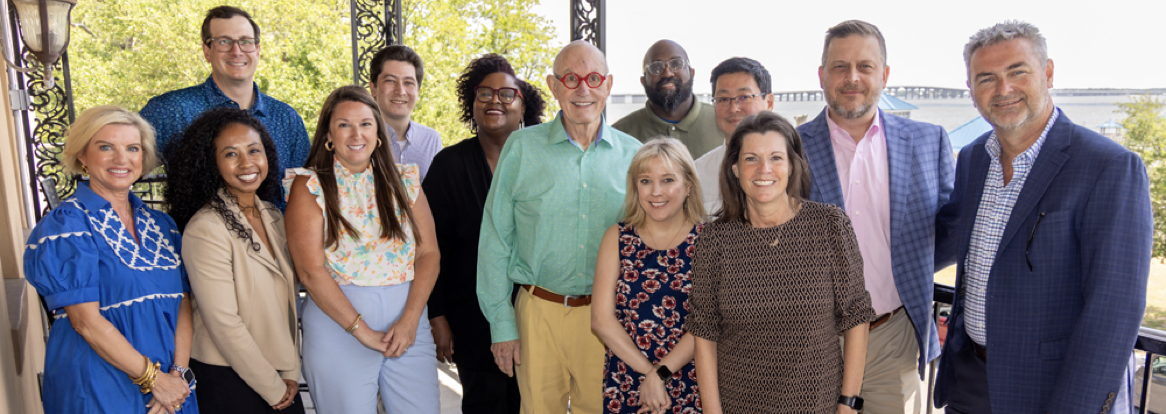
A group of mid-career executives, carefully selected by their general managers, spent a week with industry experts from leading companies such as Hearst Television and Gray Media. Sue Keenom from the National Association of Broadcasters gave them an inside look at industry legislative priorities and the importance of Congressional relationships. Other experts talked about leadership, personal development and other essential skills.
From beginning to end, participants were fully engaged, soaking up a wealth of knowledge to take back to their jobs. They also left understanding that although our business will look different in the future, for those who choose to lead it will offer even greater opportunities than in the past.
I share this because television has always been a business where we throw people in the deep end and expect them to swim or sink. We are especially lax in teaching our best people to become general managers. We assume an outstanding general sales manager or news director will automatically make an equally outstanding general manager, expecting them to make this transition with no specialized training and almost no learning curve.
In the past, our industry could afford to make mistakes because other strong candidates were always waiting in the wings. That is no longer the case. Today we compete against a wide range of media organizations for the best and brightest. If our industry is to succeed in a very complex future, we can no longer afford to let our potential superstars drown from lack of teaching and coaching.
That’s where the NAB and the state associations come in.
The people who create the future will be some of the youngest now in our television stations. They best bring great energy and talent, but raw talent without guidance is wasted, even destructive. That is why we must do more to prepare them for leadership.
The National Association of Broadcasters Leadership Foundation (NABLF) has been in the management development business for decades. Its Broadcast Leadership Training (BLT) program is the gold standard for executive education.
The NABLF also offers a wide range of other development opportunities, but it would be impossible for any national organization to do this by themselves.
That is why our industry is so fortunate to have state associations dedicated to both advocacy and training. Each of those associations has an annual meeting where a wide range of educational opportunities are offered. Those who attend hear from industry-leading speakers, participate in specific breakout sessions and experience a wide range of other opportunities for growth.
The best state associations also provide other important services such as sales training, news seminars and college recruitment.
Sadly, not every station takes full advantage of their association’s offerings. Instead of sending their key department heads and future superstars to the annual meeting, they limit attendance to the general manager. That means development of their best people is stymied by the cost of registration and perhaps one night in a hotel. This makes no sense.
During a year such as this, when money is tight, it is especially important that stations take advantage of the wealth of services their state associations offer. Yes, it will cost a little money, and it will take people out of the office, but at the very least they will come back refreshed and ready to take on new challenges.
As we said to the group in Mississippi, a year from now our industry will probably look very different. That means every person must make a choice: Will you simply go with the flow and see what happens, or will you make yourself so valuable, so farsighted, that you will automatically be chosen to play a part in the future.
Future leaders or future victims: those are the choices. Stations who invest in their best people have already answered that question.
|